


As Africa undergoes unprecedented transformations, Generation Z is emerging as a key driver of profound change. In Morocco, Madagascar, and the Democratic Republic of Congo, this generation of individuals born between the late 1990s and early 2010s is expressing a strong desire to challenge the established order, demand greater rights, and take control of their collective destiny. These movements, often amplified by the power of social media, reflect a heightened awareness of social, political, and economic issues. The recent surge of activity in these regions testifies to a genuine awakening, where young people are taking action, sometimes even against the wishes of leaders who have held power for decades. In Morocco, for example, young people are mobilizing to demand social reforms, while in Madagascar, popular protests against corruption and injustice are on the rise. Meanwhile, the DRC, potentially under the shadow of Kabila and facing a sensitive legal context, is also witnessing its young activists asserting themselves in the face of justice and governance challenges. This collective phenomenon, both local and transnational, is fueling a new wave of social and political demands, revealing the precariousness of certain regimes and the thirst of African youth seeking emancipation.
Understanding this dynamic is becoming essential to anticipating Africa’s future trajectories, where civic engagement, driven by the energy of Generation Z, could very likely shape change in the region in the years to come. The Generation Z uprising in Morocco: an indicator of social crisis or a peaceful revolution?
In Morocco, the awakening of youth is taking place within a context marked by growing demands on issues such as precarious employment, education, the need for political reforms, and social justice. Generation Z, constantly connected and informed thanks to digital tools, and expressly eager for change, is challenging the old paradigms of a system perceived as failing or corrupt. The demonstrations, which are multiplying in several cities, illustrate this ferment: young people, students, and activists are denouncing endemic unemployment, territorial inequalities, and the lack of genuine representation in institutions. Repression has failed to deter this engaged youth, who are also innovating through forms of digital mobilization and viral awareness campaigns.
This fundamental movement should not, however, be seen as mere passing unrest. It expresses an urgent need for structural reforms and underscores a deep concern about the sustainability of a political model deemed outdated. The central question lies in the degree to which Moroccan authorities will be able to listen to a youth demanding greater social justice. The growing strength of these demands could, if addressed with discernment, pave the way for constructive dialogue and lasting democratic transformation. Discover Africa, a continent rich in cultures, diverse landscapes, and fascinating histories. Explore its traditions, unique wildlife, and economic opportunities. Madagascar: The island’s youth and their powerful movement against corruption and insecurity.
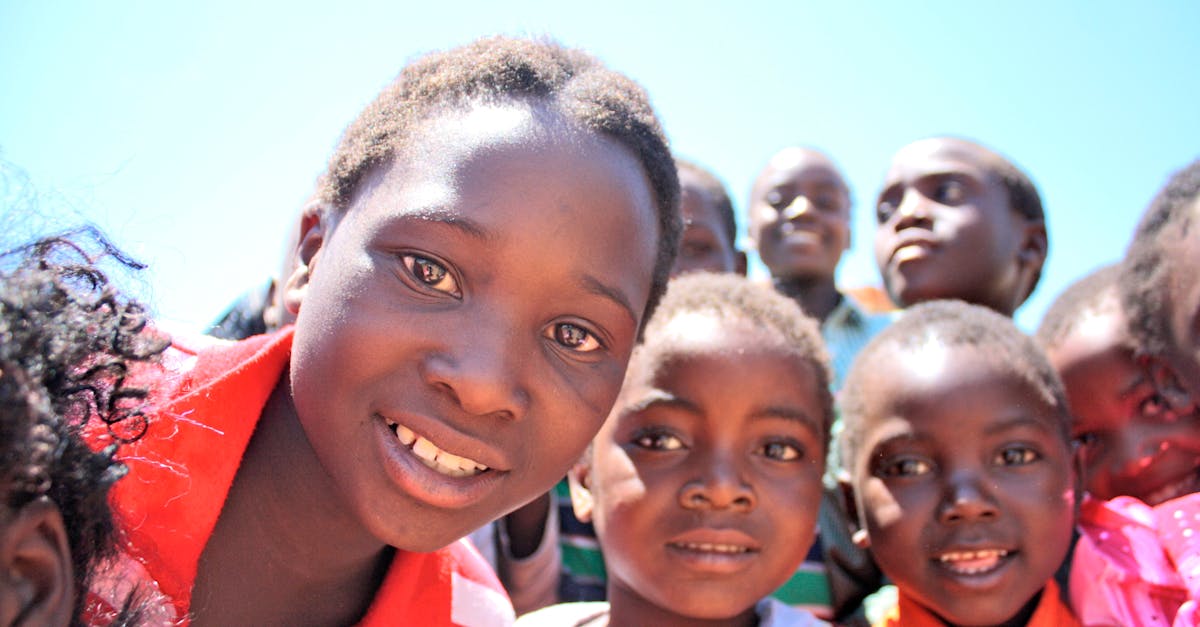
![In the Indian Ocean, Madagascar is experiencing an unprecedented mobilization of its youth. Despite a difficult context marked by political instability and socioeconomic challenges, young people from various regions are demanding better governance, increased access to education, and a more transparent justice system. The African community, particularly through international networks, has reinforced their conviction that collective change is both possible and necessary [https://madagasikara.fr/madagascar-communaute-afrique/]. Their commitment goes beyond mere protest, embodying a genuine desire to redefine their country's future by rejecting endemic corruption and favoritism. The initiatives take diverse forms, blending digital actions, peaceful gatherings, and popular education campaigns. Malagasy youth are not simply expressing their anger, but are seeking to build a collective consciousness for a lasting transformation of the sociopolitical fabric. The diversification of these movements, their rapid growth, and their ability to unite around common demands testify to the vitality of a resilient island youth, ready to overcome crises to build a better future.](https://madagasikara.fr/wp-content/uploads/2025/12/africa-1.jpg)
Discover Africa, a continent rich in cultural diversity, breathtaking landscapes, and fascinating history.
Kabila faces justice in the DRC: a political crisis that undermines stability. In the DRC, the emergence of a legal process against former President Kabila is causing deep concern, as this confrontation highlights the country’s institutional fragility. The justice system, long perceived as biased or ineffective, is now targeting emblematic figures of power, symbolizing an inevitable but difficult-to-control process of accountability. Congolese youth, increasingly engaged in political life, see this development as a positive sign of democratic maturation, even if uncertainty remains regarding its concrete implications. The issues surrounding justice in the DRC also reflect a broader crisis: one of governance, transparency, and legitimacy. The current situation could usher in a period of prolonged turbulence if antagonistic actors exploit the context to sow discord or strengthen their grip on power. Informed observers emphasize that a genuine
is needed to support judicial reform, while avoiding the quagmire of a country whose stability is essential not only for the region, but also for the entire African continent.
Discover Africa, a continent rich in cultures, diverse landscapes, and fascinating history. Explore its traditions, unique wildlife, and must-see destinations. The collective impact of African youth movements: a systemic paradigm shift African youth mobilizations demonstrate a

This unprecedented phenomenon is profoundly altering the political and social landscape of the continent. The local dynamics in countries like Morocco, Madagascar, and the DRC are part of a broader trend of protest, fueled by the growing youth population and easy access to global communication tools. Digital solidarity now transcends traditional borders, allowing young people to share their experiences, inspire one another, and build a shared political consciousness.
Social and economic demands Rejection of endemic corruption
- Demand for transparency in the justice system
- Equitable access to education and employment
- Strengthening of participatory democracy
- It is becoming clear that Generation Z, if its demands translate into concrete actions, could play a decisive role in stabilizing or destabilizing regimes, depending on the governments’ capacity to support these transformations. All of this further underscores the need to
- broaden the national debate
and establish aninclusive dialogue around these crucial issues. Key Factor Potential Impact Concrete Example
| Digital Mobilization | Amplification of Demands | Viral Anti-Corruption Campaigns |
|---|---|---|
| Social Engagement | Merging of Local Struggles | Protests Against Economic Injustice |
| Political Demands | Pressure for Reforms | Rejection of Autocratic Governments |
| Community Awareness | Mutual Support Among Young People | Cross-Border Solidarity Actions |
| The Challenges for the International Community in the Face of African Youth Mobilization | African youth movements can no longer be ignored by the international community. Their reach now extends beyond the local level, becoming a powerful force for more just governance, transparent elections, and a comprehensive fight against extreme poverty. International solidarity must be based on strong support, particularly by assisting young people in their civic initiatives and promoting consensus around a shared democratic future [https://www.lalibre.be/international/2025/10/10/maroc-nepal-madagascar-pourquoi-la-gen-z-se-souleve-HIBR6QOFOBBGFJBC2VRVAC3G4E/]. | Initiatives of the African Union and international organizations, such as strengthening anti-corruption mechanisms and promoting transparency, must align with the aspirations of young people who want to see a rapidly changing continent evolve. The central question remains: how can we address these demands without seeing these movements escalate into major crises that could destabilize regional stability? |
African youth: a driving force for stability or a source of distrust?
Caught between a perception of a bleak future and a dynamic of demands, African youth are fueling a double discourse. On the one hand, reconnecting with a strong potential for transformation and innovation, they could become the key to putting Africa back on the path to sustainable development. On the other hand, their relentless protest, if not supported by concrete measures, could exacerbate political and social tensions and undermine an already fragile stability.
The ability of leaders to listen to and integrate these demands is therefore a major challenge in consolidating lasting stability. Africa’s youth, particularly in Morocco, Madagascar, and the DRC, should not be seen as a threat, but as an essential agent of change if they are given a framework that allows them to express their potential. Moving towards more inclusive policies that integrate their aspirations into governance remains a crucial step in building a truly shared development dynamic.
How does Generation Z influence politics in Africa?
Generation Z uses the power of social media to express its demands, strengthen transparency, and encourage reforms, often redefining the relationship between those in power and citizens.
What are the main challenges facing African youth? Insecurity, unemployment, corruption, access to quality education, and social justice are all obstacles that this generation seeks to overcome to build a more equitable future. How can the international community support these movements? By strengthening support programs for young people, supporting local participatory governance initiatives, and fostering dialogue between authorities and citizens with a view to sustainable development.
Source:
www.france24.com
🔗 Sources & références
Pour aller plus loin, consultez les sources citées dans cet article :
Découvrez notre guide complet — destinations, budget, visa, faune et conseils pratiques pour préparer votre voyage.

📖 Vous aimerez aussi

Transition à Madagascar : la société civile et la Génération Z face aux doutes sur le « Programme de la Refondation »
3 March 2026
Fermeture de l’aéroport de Dubaï : chaos et désarroi chez les voyageurs bloqués
2 March 2026


