An Alarming Situation: Malawi Faces Persistent Poverty in 2025
Located in the heart of Southern Africa, Malawi remains in a precarious situation in 2025 that hampers any sustainable development efforts. Despite its rich cultural diversity and a passionate population, the country still fails to overcome the major challenges of endemic poverty. According to the latest World Bank data, more than 54% of the population lives below the poverty line, highlighting a deep-rooted social and economic crisis. Weak infrastructure, limited access to education, malnutrition, and a fragile health system fuel a vicious cycle that prevents any prospect of improvement. The situation is becoming even more critical given the growing impacts of climate change, which exacerbates the vulnerability of already marginalized rural communities. However, despite these challenges, Malawi embodies an example where solidarity and collective commitment can play a crucial role, offering glimmers of hope for stronger resilience. Initiatives such as Malawi Solidarity and Malawi Hope are working determinedly to support local development, but a comprehensive effort is essential to bring about real change. The mobilization of international actors, coupled with strengthened political will, could transform this precarious situation into a better future. Discovering Malawi

Discover the challenges of poverty in today’s world, its root causes, its impacts on society, and possible solutions to combat this scourge. An in-depth analysis to help you understand and take action.

Discover the complex challenges of poverty around the world, its root causes, its impacts on societies, and innovative initiatives aimed at combating it. Learn about possible solutions and how each individual can contribute to positive change.
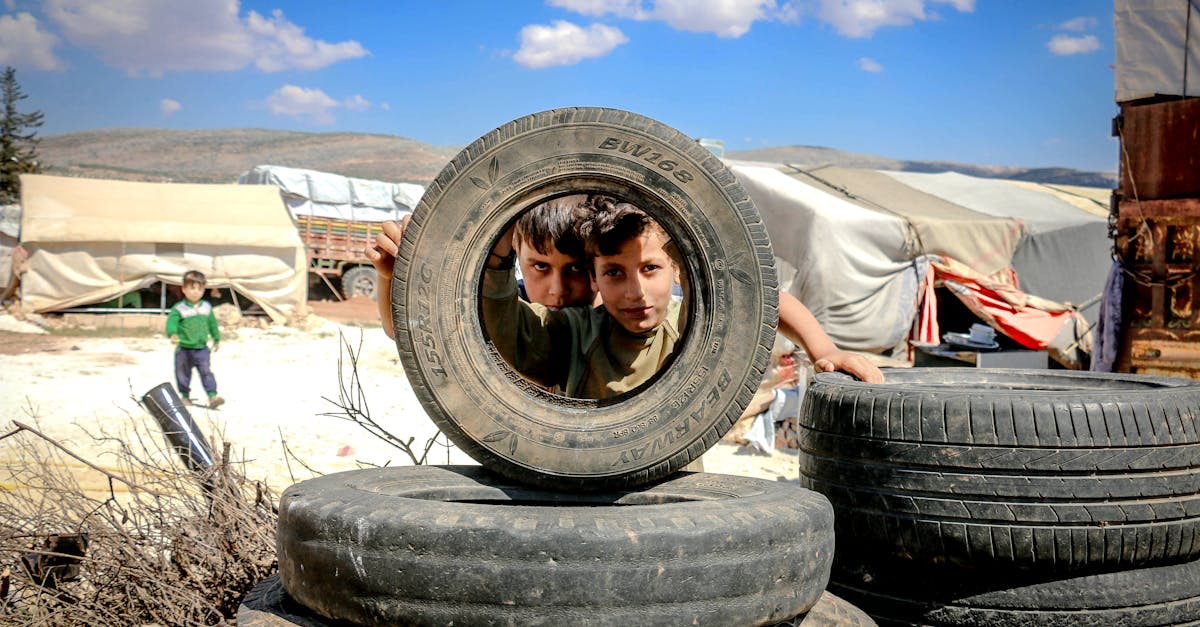
Discover the challenges of poverty around the world, its root causes, its consequences on societies, and the actions that can be taken to combat this social scourge. Learn about the initiatives and solutions that can help reduce this inequality and improve the lives of those affected.
.
Structural Challenges Hindering Progress in Malawi in 2025: Confrontation or Opportunity?
The fight against poverty in Malawi also raises the issue of structural challenges, often perceived as insurmountable obstacles but which can also represent opportunities for profound reform. Low investment in social infrastructure, such as schools, hospitals, and rural roads, limits mobility and access to essential services. Weak governance, corruption, and favoritism weaken the ability to mobilize resources for sustainable transformation. Yet, these challenges can serve as an impetus for change in public management by promoting transparency and accountability. The need for profound reform is all the more evident given that economic growth remains modest at 3.7% in 2025, insufficient to close the development gap. The real challenge lies in the ability to implement coherent policies, bringing together private and public, local and international actors. The rise of social and citizen movements calling for greater justice could also represent an opportunity to rebuild the social contract. The vision of a diversified agricultural and industrial future thus becomes a priority, to offer credible alternatives to existing dependency. The Malawi Initiative must therefore be part of a comprehensive overhaul, in which the fight against poverty becomes the alpha of a paradigm shift. Investing in education, infrastructure, and governance is key to transforming these challenges into drivers of sustainable progress. The question remains: can these obstacles finally become springboards to a resilient future?
Future Outlook: What strategies can be used to definitively eradicate poverty in Malawi?To hope for a future where poverty is nothing more than a painful memory, Malawi must define a global strategy integrating all the actors concerned. The emphasis must be placed on a systemic approach, by renewing investments in education, health, and infrastructure. Economic diversification seems essential, in particular by supporting the development of micro, small and medium-sized enterprises (MSMEs) and by promoting technological innovation. The establishment of a more transparent and accountable governance framework would also be an essential step to give credibility to initial efforts and ensure efficient management of resources. Furthermore, international cooperation must continue to play a central role, ensuring that aid is directed towards sustainable projects, in line with local needs. The active participation of local communities, framed by inclusive policies, would guarantee better ownership of programs. Finally, raising awareness of Malawi solidarity on a global scale could galvanize increased support, supporting Malawian youth in their quest for a more just future. Because the fight against poverty is not only a question of resources, but also of collective commitment and long-term vision to build a more equitable society. The key then lies in the ability to combine challenges and opportunities, so that Malawi becomes a model of progress and sustainable development.
See inclusive development in Malawi
- .
- Frequently asked questions about poverty in Malawi in 2025
- What are the main factors that maintain poverty in Malawi?
- Weak infrastructure, inadequate education, vulnerable agricultural dependency, poor governance, and fragile health services form the core of this problem, contributing to a vicious cycle that is difficult to break.
- How can the international community help eradicate poverty in Malawi?
- By strengthening sustainable development projects, supporting transparent governance, investing in education and health, and promoting long-term local commitment.
- What initiatives are already in place to improve the situation?
- Microfinance programs, support for agroecology, Malawi solidarity, and education are some concrete examples of actions targeting poverty reduction.
- What challenges must be addressed for equitable development?
- These mainly concern obstacles related to governance, low investment in infrastructure, resilience to climate change, and the mobilization of sufficient resources.
🔗 Sources & références
Pour aller plus loin, consultez les sources citées dans cet article :
- The persistence of poverty in Malawi results from a combination of structural and cyclical factors, some of which are typical of many developing countries but exacerbated by local specificities. First, insufficient access to quality education plays a central role in the reproduction of inequalities. Approximately 60% of Malawian children do not attend secondary school due to inadequate infrastructure or prohibitive costs. This situation significantly limits their future prospects and their ability to break the cycle of poverty. Second, economic dependence on a vulnerable agricultural sector, primarily based on tobacco and maize cultivation, exposes the country to climatic hazards and fluctuations in the global market. Land degradation, near-annual drought, and devastating floods further weaken these livelihoods. Add to this the burden of a fragile health system, which cannot cope with epidemics such as malaria or cholera, exacerbating the vulnerability of populations. Poor governance, endemic corruption, and a lack of transparency in the management of public resources also contribute to the worsening of the crisis. Faced with these complex causes, several local and international actors are attempting to implement solutions: microfinance programs, agroecology initiatives, and support for education. However, their effectiveness remains limited if these efforts are not united around a collective project aimed at profound transformation. The lack of investment in social infrastructure is a major obstacle, preventing the development of a promising future for the Malawian majority. — p4h.world
- The effects of poverty in Malawi extend far beyond the material, affecting all sectors of society. Socially, poverty leads to increased discrimination, particularly against women and children, who often struggle to access education or healthcare. The maternal mortality rate remains high due to the inadequacy of appropriate health services, limiting hope for a better future for several generations. Severe malnutrition affects more than 40% of children under five, leading to irreversible growth retardation and a decline in human potential. Economically, low purchasing power and a lack of productive diversification prevent any significant growth. The majority of Malawians live in a situation where informal, often precarious, work constitutes their only resource. Dependence on external aid or cash transfers remains very high, but this support is not enough to create true autonomy. Unemployment and underemployment are rife, and young people in particular are the first victims of this vicious cycle. From this perspective, the Malawi Education Initiative, which aims to improve vocational training, appears to be a crucial step in changing the situation. But this policy must be accompanied by a profound overhaul of economic and social structures, otherwise these devastating impacts will persist. Poverty also leads to a deterioration of the social fabric, with increased tensions and the risk of local conflict. National and international solidarity must therefore expand to concretely support these vulnerable populations. — fatshimetrie.org
- Faced with the severity of poverty, several initiatives have been deployed in recent years, both by international actors and local organizations, to promote more equitable development. The impact of programs such as Malawi Solidarity and Hope Malawi cannot be understated: they unite collective action around a common project to improve community resilience. Targeted cash transfers, for example, have enabled many families to meet their basic needs, thus promoting access to food, health, and education. Furthermore, agroecology initiatives, such as training in sustainable agricultural techniques, help preserve land and support smallholder farmers. Collaboration with NGOs specialized in the fight against poverty accelerates the implementation of these measures. However, for them to lead to real transformation, it is essential to mobilize more resources, improve local governance, and broaden community participation. Transparency in aid management is becoming a major challenge, thus avoiding the pitfalls of misappropriation or temporary solutions. Projects such as the Malawi Initiative’s support for education demonstrate the desire to invest in young people to build a solid future. International mobilization must continue to evolve, prioritizing coherent actions within a long-term vision, with the ultimate goal of sustainable and inclusive development. The momentum of solidarity with Malawi is part of a humanist approach, which must be strengthened to achieve concrete and lasting progress. — lentraidemissionnaire.org
- Future Outlook: What strategies can be used to definitively eradicate poverty in Malawi? — socialscienceinaction.org
Découvrez notre guide complet — destinations, budget, visa, faune et conseils pratiques pour préparer votre voyage.

📖 Vous aimerez aussi

Transition à Madagascar : la société civile et la Génération Z face aux doutes sur le « Programme de la Refondation »
3 March 2026
Fermeture de l’aéroport de Dubaï : chaos et désarroi chez les voyageurs bloqués
2 March 2026