


In 2026, Madagascar finds itself at a historic crossroads where words like “refounding” and “transformation” resonate with particular intensity in political and civic discourse. Yet, behind this rhetoric of change, the reality on the ground remains marked by deep socio-economic divisions, frequently contested governance, and sustainable development that is still to be built. The implementation of this refounding, far from being a simple constitutional revision or a series of political reforms, requires concrete action. It must embody a clear collective commitment, structured around a precise plan to meet the legitimate expectations of the Malagasy people, particularly in the fight against poverty, the securing of fundamental rights, and the revival of inclusive economic growth. The situation remains critical: 65% of the population lives below the poverty line, food insecurity is increasing, and trust in the state is eroding in the face of the chronic inefficiency of its institutions. In this context, rebuilding Madagascar means first acknowledging its shortcomings in order to overcome them, by relying on renewed governance that fosters the emergence of participatory democracy and social innovation. All of this requires, in reality, moving beyond grand pronouncements and focusing on tangible actions to build a resilient and sustainable future.
A committed rebuilding: promoting credible and lasting political reform.
The process of rebuilding Madagascar demands a resolute engagement with political reality. The series of national meetings and consultations, despite their noble intentions, have clearly amounted to little more than empty rhetoric, often devoid of concrete promises. True political reform must go much further, fostering participatory approaches that unite all stakeholders in change. Rebuilding must not be limited to rewriting a constitution or establishing new institutions, but must encompass a profound renewal of the relationship between those who govern and those who are governed.
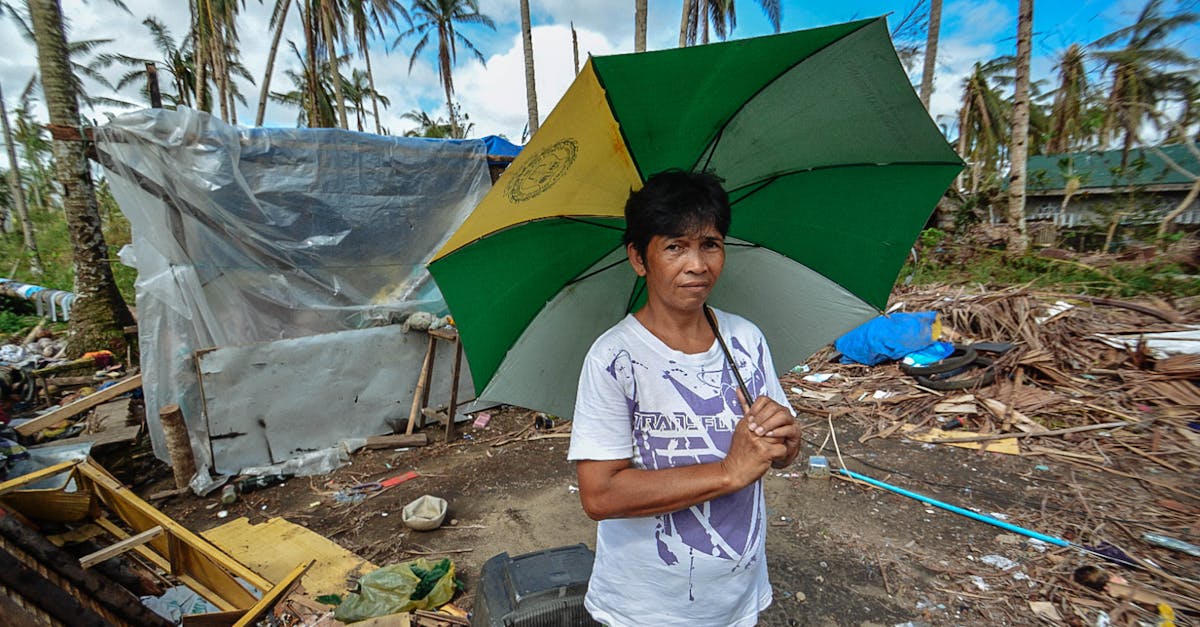
By 2026, it will be essential to adopt a new form of governance that is transparent, accountable, and effective. The fight against impunity and corruption must form the bedrock of this renewed governance, strengthening public trust and facilitating inclusive economic growth. The challenge remains immense: a recent study shows that nearly 70% of public resources are misappropriated, systematically hindering any attempt at sustainable development. Establishing a robust institutional framework, capable of ensuring accountability and a deterrent effect, is therefore an absolute priority. Political renewal must also pave the way for bold social reforms, fostering civic engagement around a renewed social contract.
Discover our customized reconstruction solutions to revitalize your projects with expertise and efficiency.Integrating citizen action into the renewal process for a renewed democracy.
| Economic and Social Reforms: Catalysts for Growth and National Resilience | For the reform to be more than just a slogan, it must translate into concrete economic actions. Economic growth, currently fragile and unequal, must benefit the entire population, particularly its most vulnerable segments. Implementing an action plan to combat poverty requires massive investments in education, health, and social infrastructure. Creating sustainable jobs through programs such as high-intensity labor projects (HIMO) is a crucial step. This approach would support growth by increasing productivity while simultaneously meeting the immediate needs of a large population dependent on the informal economy. Macroeconomic stability must be accompanied by strengthened market regulation and strategic planning to stimulate social innovation, the source of balanced development. | |
|---|---|---|
| Strategic Focus Areas | Priority Actions | Expected Impact |
| Governance | Strengthening transparency and accountability | Increased trust in institutions |
| Economy | Promoting local entrepreneurship | Inclusive growth and diversification of income sources |
Combating poverty and exclusion
Improved social cohesion and stability

Diversifying the development model for a resilient Madagascar facing global challenges
The rebuilding of Madagascar must incorporate a vision of resilient development, capable of addressing the challenges of the climate crisis, resource scarcity, and fluctuations in international markets. The transition to a sustainable economy requires diversifying agricultural, industrial, and technological sectors, particularly by strengthening ecotourism and agribusiness. Promoting renewable energies, such as solar and hydroelectric power, must also become a priority to ensure energy self-sufficiency and reduce dependence on fossil fuels. These strategies, supported by social innovation adapted to local realities, could not only lead to inclusive growth but also preserve the environment for future generations. Implementing these guidelines will require close collaboration between public and private stakeholders, coupled with economic incentives and a clear regulatory framework.
Discover our comprehensive reconstruction solutions to revitalize and strengthen your structures, with guaranteed expertise and quality.
The major challenges of rebuilding in the face of resistance and inertia.
Despite the urgent need for bold reforms, the rebuilding of Madagascar faces numerous obstacles linked to the persistence of conservative power networks, weak institutions, and a still widespread culture of impunity. Resistance to change, fueled by vested interests, hinders the realization of genuine social transformation. The fear of a retreat by certain political or economic actors, anxious to preserve their influence, persists in the shadows of negotiations and reforms. Widespread mistrust of elites and their inertia in embracing change are further obstacles that must be overcome. Resolving this resistance requires strong political will, reinforced by popular mobilization and international pressure for an uncompromising rebuilding. This break with the past must also be accompanied by a national education process aimed at establishing a new collective mindset conducive to action: the rebuilding must be an inclusive and structuring movement, placing the common good at the heart of the project.
The key principles of a sustainable and ethical refounding
Committing to a truly effective overhaul requires respecting fundamental principles. Transparency, accountability, equality, and respect for the environment must guide every step to guarantee the legitimacy and sustainability of the process. A strong commitment to ethics, particularly in the management of public resources and the fight against corruption, is the essential condition for credible reform. Establishing a participatory framework that includes civil society, the private sector, and international institutions will foster the emergence of a more balanced development model, where every Malagasy citizen can regain their dignity within a fair system. The overhaul must not simply reset the old order, but establish a new, genuinely inclusive and responsible social contract.
What are the initial challenges of the overhaul in Madagascar?
The main challenges include combating corruption, rebuilding the fragile institutional fabric, increasing citizen participation, and reducing social inequalities.
🔗 Sources & références
Pour aller plus loin, consultez les sources citées dans cet article :
Découvrez notre guide complet — destinations, budget, visa, faune et conseils pratiques pour préparer votre voyage.

📖 Vous aimerez aussi

Transition à Madagascar : la société civile et la Génération Z face aux doutes sur le « Programme de la Refondation »
3 March 2026
Fermeture de l’aéroport de Dubaï : chaos et désarroi chez les voyageurs bloqués
2 March 2026


