In 2026, Madagascar’s political and judicial landscape finds itself at a historic crossroads, marked by a renewed desire to rebuild a judicial system long plagued by corruption and impunity. The recent appointment of Fanirisoa Ernaivo as Minister of Justice heralds a potential revolution, offering hope for profound and lasting transformation. His nomination, perceived as a breath of fresh air in a context marked by financial scandals and a two-tiered justice system, embodies the commitment to establishing governance based on fairness, transparency, and accountability. However, this ambitious dynamic also raises numerous questions about its capacity to meet a significant challenge: reforming an institution riddled with a tradition of structural deficiencies and the persistence of practices from the old regime.
Expectations for Fanirisoa Ernaivo, driven by a more demanding civil society and a vigilant press, aim not only at ending impunity but also at establishing new judicial leadership. Her compelling discourse on the need for a thorough reform of the Malagasy judicial system, integrating innovation and respect for fundamental rights, underscores collective responsibility. The 2025 political crisis, accompanied by a series of revelations about abuses and manipulations within the highest echelons of power, has heightened expectations, placing justice at the heart of the struggle for democratic renewal. The publication of independent reports denouncing state capture and widespread corruption has reinforced the need for effective change under the leadership of a woman who claims to be leading this revolution with resolve. The local and international press agree that she is an emblematic figure of a necessary overhaul, but the question remains: can she concretely transform this failing judicial landscape?
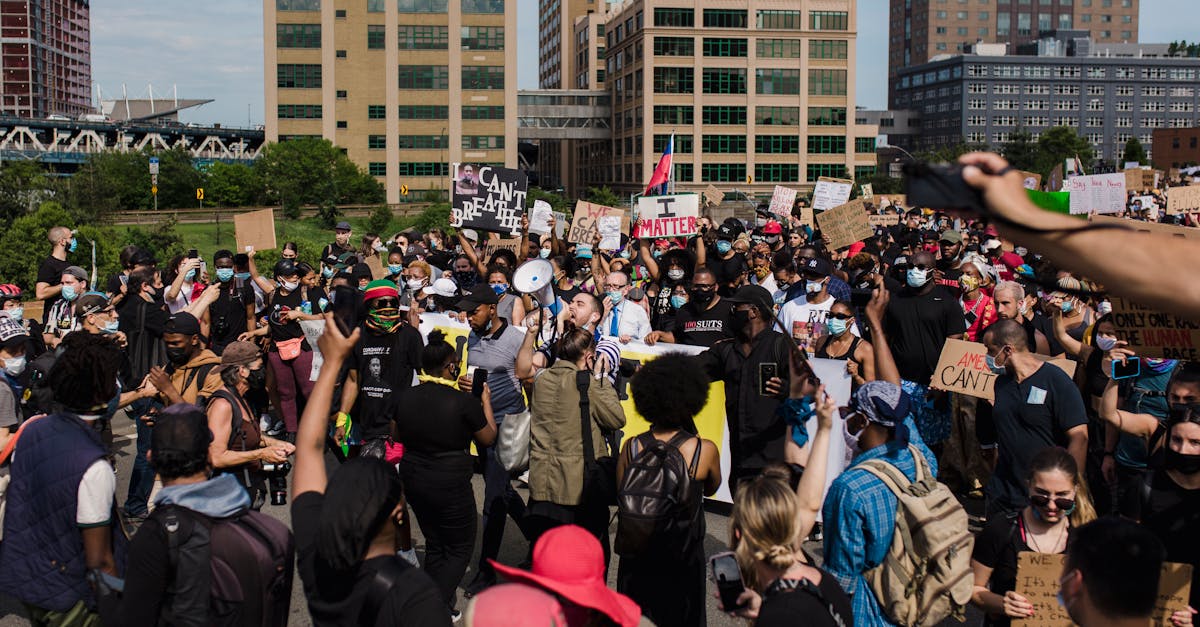
Discover the challenges and prospects of judicial reform, aimed at improving efficiency, fairness, and access to justice for all.
The historical context and critical challenges of the Malagasy judicial system
The figures speak for themselves: by 2025, nearly 70% of judges and judicial officials had been accused or suspected of corruption, according to a report by the local NGO Justice and Transparency. The emblematic cases of people imprisoned without concrete evidence, or of arbitration proceedings favoring certain clans, illustrate the gravity of the crisis. In this context, the emergence of a figure like Fanirisoa Ernaivo offers a genuine alternative, symbolizing not only a desire for change, but also an urgent need to prevent further destruction of the fractured social fabric. His commitment to breaking the monopoly of impunity now constitutes a crucial step in this transformation, as he is a true agent of a more independent, incorruptible, and human rights-respecting justice system.
https://www.youtube.com/watch?v=hbERj8EpeYY The systemic flaws of the Malagasy judicial system and their impacts
| Madagascar’s judicial system suffers from numerous shortcomings, the negative impact of which is felt at all levels. Weak institutions, the politicization of magistrates, and institutionalized corruption compromise the application of laws and undermine public trust in the justice system. Insufficient digitization, slow procedures, and inconsistent judgments fuel a climate of uncertainty and legal insecurity. In such a context, the practice of injustice becomes a tacit norm that fosters organized crime while allowing corrupt elites to flourish. | The repercussions of this failure are numerous: from vindictive judgments and unjustified arrests to permissiveness regarding economic and environmental offenses. For example, some arbitrary judgments have allowed high-society figures to build their empires on dubious legal schemes, fueling accusations of collusion within a corrupt judicial sector. In response, Fanirisoa Ernaivo’s commitment to profound reform, including innovative judicial reform, could be held accountable to society by demanding a fairer, more efficient, and independent justice system. Thus, all actors, both judicial and political, should be mobilized to eliminate these structural “flaws,” addressing the dead ends that perpetuate insecurity and public distrust. The desired transformation will require a paradigm shift, integrating mechanisms of transparency and strengthened citizen oversight. | |
|---|---|---|
| Key Failure of the Malagasy Judicial System | Main Consequence | Proposal for Reform |
| Systemic Corruption | Impunity and Lack of Trust | Strengthening Internal Controls and Independence of Magistrates |
| Slow Procedures | Increasing Injustices | Digitalization and simplification of procedures |
| Politicization of judges | Biased and inconsistent rulings | Reform of selection and appointment |
| Legal inconsistencies | Loss of credibility | Harmonization of laws and continuing education |
Lack of independence
Subject to political pressure

Fanirisoa Ernaivo’s first initiatives: between promises and concrete challenges
- Upon taking office, Fanirisoa Ernaivo outlined a series of concrete actions, demonstrating her commitment to a profound transformation of the judicial system. Among these, the priority given to the fight against corruption, with the implementation of technological tools, showed a genuine determination to prioritize ethics. She also emphasized the need for more training for judges to guarantee their impartiality and competence. Greening the justice system also involves reforming the Penal Code, particularly to better punish economic and financial offenses, while strengthening the transparency of judicial decisions.
- Discover the challenges and objectives of judicial reform to improve efficiency, transparency, and access to justice.
- His commitment to a fairer and more transparent justice system is part of an approach that goes beyond mere rhetoric. The creation of a more innovative judicial framework, notably through the introduction of electronic trials, could lead to faster and more accessible justice. However, implementing such initiatives requires firm political will, accompanied by substantial funding and a reformed institutional framework. The rigorous selection of judicial actors and the fight against networks of influence linked to the old regime will also be key to achieving his transformation goals.
- 🤝 Strengthen judicial independence
🌐 Digitize the justice system to expedite procedures
🔍 Combat corruption at all levels
🎓 Promote continuing professional development for judges
Strategies for effective and sustainable judicial reform
Successful reform is not simply a matter of ad hoc measures; it must be part of a comprehensive strategy that integrates institutional, legislative, and cultural reform. The first step is to establish a strong consensus around a reform project, bringing together all stakeholders: judges, lawyers, civil society, and international partners. Transparency in decision-making processes and citizen participation will be fundamental to legitimizing these changes and preventing the rise of conservative resistance.

https://www.youtube.com/watch?v=CsPyNrOqt4Y The long-term vision: to make Madagascar an example of equitable justice
Ultimately, the momentum initiated by Fanirisoa Ernaivo could transform Madagascar into a model for sub-Saharan Africa, a land of judicial innovation that respects human rights and democracy. The key lies in unwavering political will, coupled with constant civic engagement and a robust partnership with the international community. Justice must become a cornerstone of social peace, enabling all citizens to believe in a better future. The integration of a justice system based on transparency and accountability can only be fully achieved through strengthened civic education, a fight against discriminatory practices, and increased awareness of justice as a pillar of national cohesion. Only such a paradigm shift can ensure lasting stability for Madagascar, conducive to economic, social, and political development, thus embodying the promise of an effective judicial revolution.
Discover the challenges and objectives of the judicial reform aimed at improving the efficiency, fairness, and transparency of the judicial system.
https://www.youtube.com/watch?v=NqsK58ASChg
What is the true scope of the judicial reform led by Fanirisoa Ernaivo?
Découvrez notre guide complet — destinations, budget, visa, faune et conseils pratiques pour préparer votre voyage.

📖 Vous aimerez aussi

Transition à Madagascar : la société civile et la Génération Z face aux doutes sur le « Programme de la Refondation »
3 March 2026
Fermeture de l’aéroport de Dubaï : chaos et désarroi chez les voyageurs bloqués
2 March 2026