Combating Illegal Fishing in the Indian Ocean: A Crucial Challenge for the Conservation of Marine Biodiversity
In 2025, the issue of protecting marine ecosystems will become particularly important given the rise in illegal fishing activities, particularly in the Indian Ocean region. The recent seizure of a Sri Lankan vessel carrying more than 16 tons of illegally caught sharks illustrates the extent to which this issue is a global concern. This interception, carried out by Malagasy authorities as part of the 65th regional surveillance mission, also underscores the need for collective action to curb the overexploitation of these marine predators, which are essential to ecological balance. Irresponsible fishing, which deliberately violates legislation, poses a real threat to biodiversity, weakening the resilience of ecosystems and compromising the future of the oceans. The protection of these species, such as sharks, must be part of a marine conservation approach, as their disappearance would accelerate global climate change by disrupting food chains. The Malagasy incident calls into question the effectiveness of current controls, while illustrating the urgent need for a lasting international awareness focused on sustainable fishing. What measures can truly curb these degrading practices and preserve ocean wealth?
The major challenges of illegal fishing: a devastating impact on marine biodiversity and the local economy
Seizure operations, such as those involving the Sri Lankan vessel Ruth Baba VI, reveal the complexity and seriousness of illegal fishing. Mapping of illicit activities shows that despite strengthened controls, organized networks are remarkably adaptable, often exploiting regulatory loopholes and weak surveillance resources. The colossal quantity of sharks seized highlights the overexploitation of these species, which are vital for the mechanical regulation of marine populations. The loss of these predators accelerates the destabilization of ecosystems, further weakening biodiversity. Unregulated fishing not only impacts marine wildlife, but also the local economy, particularly in the Madagascar region, renowned for its unique endemic species, such as those discovered around Nosy Be Bay or Rose Bay. The degradation of these natural resources compromises the sustainability of legal fishing activities, which are often the main source of income for communities. The issue of marine conservation is thus becoming political and economic, mobilizing governments, NGOs, and international organizations to develop effective strategies. Integrated management of maritime spaces, combined with firm action against illegal fishing, must be a priority to prevent the extinction of many iconic species, while ensuring the sustainability of livelihoods.
Control and enforcement mechanisms: an essential strategy against unfair practices.
Beyond one-off operations, the fight against illegal fishing relies on a multidimensional approach. International cooperation, through programs such as those supported by the European Union, is crucial for sharing intelligence, coordinating patrols, and strengthening the capacity of local authorities to effectively monitor their waters. The 65th Madagascar surveillance mission, involving the Malagasy navy, the gendarmerie, as well as technical and financial partners, is a good illustration of this dynamic. The implementation of technologies such as satellite tracking, aerial surveillance, and drone reconnaissance represents a further step toward earlier and more effective detection. Furthermore, strengthening punitive sanctions, vessel traceability, and raising awareness among industry stakeholders play a decisive role. Transparency in quota management must also be a priority to limit unreported fishing. Banning the capture of certain species, such as sharks, should be accompanied by awareness campaigns aimed at fishermen and the general public to eradicate the culture of maritime crime. The establishment of a unified international regulatory framework remains an urgent necessity, capable of curbing these practices and ensuring the protection of biodiversity while promoting credible sustainable fishing.

International legislation and its limitations in the face of illegal fishing: is the framework still insufficient?
International agreements, such as the Washington Convention or the IWC, aim to establish a legislative framework to combat illegal fishing, but their implementation often falls short in the face of reality. National sovereignty is sometimes undermined by the presence of unlawful actors operating in uncontrolled or poorly monitored areas. The situation of the Sri Lankan vessels intercepted in the Antananarivo region highlights the importance of strengthening regional cooperation. However, the implementation of a common legal framework is hampered by diverging interests, gaps in traceability, and a lack of technical means to effectively enforce these laws. The need for a deterrent sanction mechanism, as well as a certification system to ensure responsible fishing, appears to be a crucial step in the sustainable fight against these unfair practices. The challenge also remains to establish a collective conscience, where marine conservation would become a shared imperative beyond short-term economic issues. The climate crisis, with its exacerbating effects, underscores the need to strengthen the international legal framework and encourage stakeholder accountability. The protection of species such as sharks must no longer be limited to regulatory matters, but must become a foundation of global ocean governance. Sharks and marine biodiversity: an essential link for global ecological balance
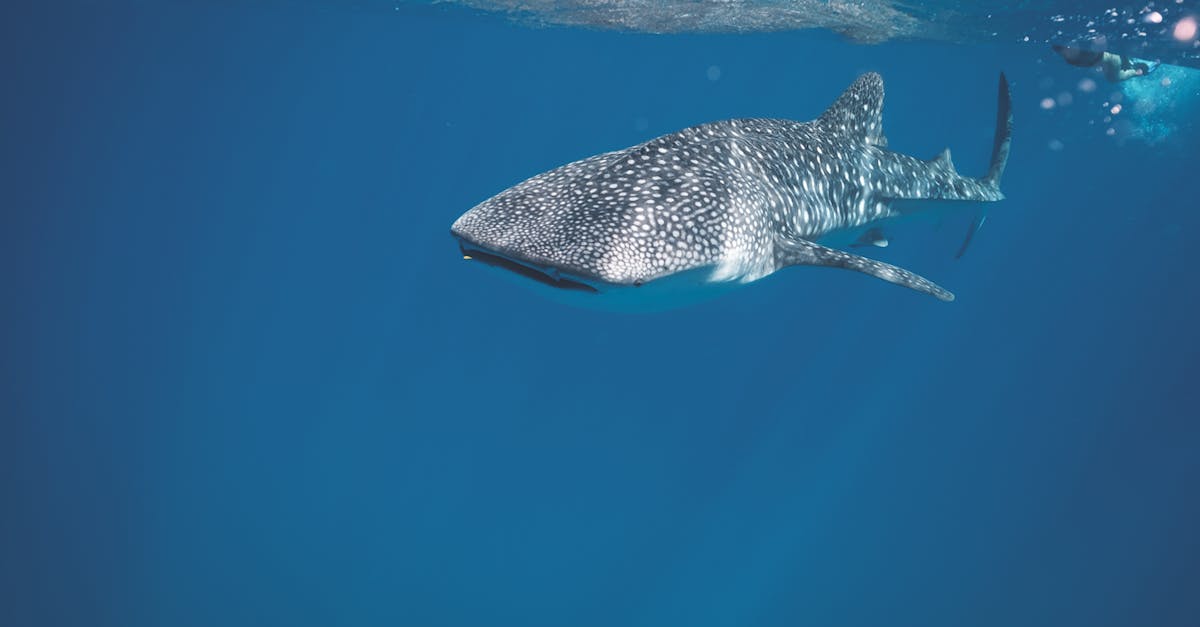
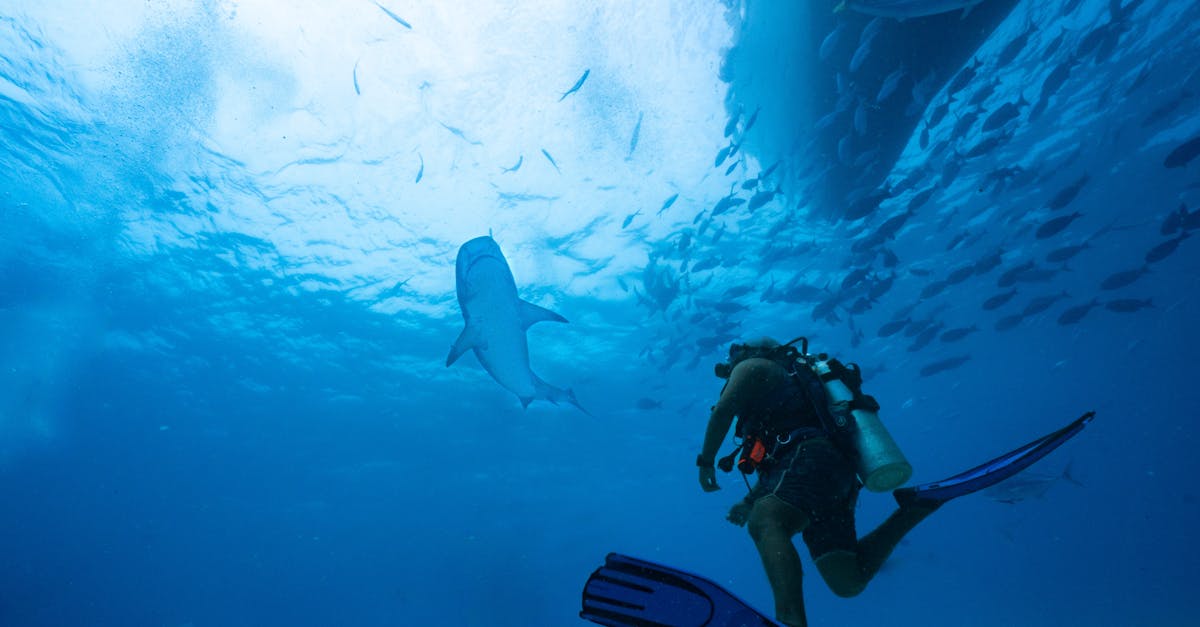
Sharks play a crucial role in regulating marine ecosystems. Their disappearance, due to illegal fishing, would have unprecedented consequences for the global ecological balance. These top predators maintain the health of fish populations and contribute to the food chain, preventing the overpopulation of certain species. Their fragility in the face of uncontrolled fishing warns of an imminent risk of domino effects, bringing about imbalances that will be difficult to correct. The loss of sharks could also exacerbate climate change by causing changes in the carbon dynamics of the oceans. Some vessels, often flitting in the shadows of regulations, exploit these animals with impunity, fueling a shadowy international network. Awareness of the importance of their conservation must be intensified among local populations, particularly in the Madagascar region, where the diversity of marine species is exceptional. The fight to safeguard this marine biodiversity, with particular attention to sharks, must be structured around concrete measures, such as the creation of protected areas. These provide refuge for these vulnerable species, but rigorous management and increased monitoring are essential to ensure their survival on a global scale.
Awareness and education strategies to promote responsible fishing
The paradigm shift towards respectful and sustainable fishing requires strong educational mobilization. Furthermore, raising awareness among local populations, particularly in areas where illegal fishing thrives, is an essential step in curbing these practices. Promoting active marine conservation requires information and training campaigns on the importance of sharks and other endangered species. Initiatives such as those carried out in the Madagascar region or in Rose Bay, an emblematic site for its unique biodiversity, help involve communities in resource preservation. Education must also be aimed at stakeholders in the fishing sector, offering them economic alternatives and emphasizing the long-term value of sustainable fishing. Disseminating information via social media, such as https://www.tiktok.com/@kaiser_live/video/7505754448468315394
The impacts of climate change on marine biodiversity and the sustainability of fisheries resources
FAQ: Frequently Asked Questions about Shark Conservation and Sustainable Fishing
Why are sharks often targeted for illegal fishing?
Sharks are prized for their fins, meat, and sometimes their oil. High global demand is pushing some fishermen to engage in irresponsible fishing, disregarding their crucial ecological role.
- What are the main ways to combat illegal fishing? Satellite monitoring, regional cooperation, strengthened controls, and awareness-raising are essential to deter these practices. Establishing protected areas is also an effective response.
- How can responsible fishing contribute to the preservation of species? It involves compliance with quotas, traceability, limiting certain catches, and the use of non-destructive techniques. These measures guarantee the sustainability of resources and the health of ecosystems.
- What role do citizens play in the fight for marine conservation? Awareness-raising, responsible consumption, and denouncing illegal practices help support sustainable ocean management. Their involvement is essential for changing public policies.