Growing Tensions Surrounding the Boeing 777 Affair: Security Issues and Diplomatic Implications
At the heart of an international context marked by rising geopolitical tensions, the case of the five Boeing 777s located in Iran has sparked unprecedented mobilization on the part of Malagasy authorities. These aircraft, in the possession of a country that remains under heightened diplomatic surveillance, were seized to protect national security. The complexity of this situation lies in the confluence of several factors: the falsification of documents, the movement of aircraft without authorization in accordance with international standards, and the likely involvement of transnational criminal networks. The recent complaint filed by the Madagascar Ministry of Transport illustrates the gravity of the issues at stake, while revealing the magnitude of the challenges related to combating aviation fraud and the potential destabilization it could cause. The situation also highlights the interconnectedness of security, international law, and sovereignty issues, requiring a coordinated response among local, regional, and international actors. Discover the critical issues of national security, including the strategies, challenges, and policies implemented to protect a country’s citizens and interests from internal and external threats.

The phenomenon of document falsification in the aviation sector represents a major threat to global security. In this case, UDAAN Aviation was the victim of a fraudulent scheme consisting of illegitimately modifying a Provisional Registration Certificate issued by the Civil Aviation Authority of Madagascar (ACM). Initially valid until April 17, 2025, this document was falsified to extend its validity until July 12, 2025, without any official authorization. The immediate consequence of this fraud was the use of these Boeing 777s abroad, notably with the Civil Aviation Authority of Cambodia, which constitutes a serious violation of the standards of the International Civil Aviation Organization (ICAO). The misappropriation of official documents raises not only fundamental legal questions, but also concrete risks: the falsified aircraft circulate without valid certification, jeopardizing aviation safety and calling into question the country’s sovereignty. In this context, national legislation provides for strict penalties for this type of offense, including prison sentences, substantial fines, and a strong commitment to enforcement, such as the publication of texts strengthening the fight against forgery in the aviation sector.
Category
| Description | Consequences | Falsification of documents |
|---|---|---|
| ✍️ Illegal alteration of official certificates and authorizations | Illegal circulation of aircraft, risks to aviation safety | Fraudulent use |
| ✈️ Use of forged aircraft in other countries | Loss of control over the fleet, violation of national sovereignty | International offenses |
| 🌐 Violation of ICAO standards | Possible diplomatic and commercial sanctions | Diplomatic ramifications and institutional response to the aviation crisis |
The illicit circulation of Boeing 777s, in violation of international standards, has a direct impact on Malagasy diplomacy. Suspicion now hangs over the complicity or inaction of local actors in the face of an international network involved in document falsification and the clandestine circulation of aircraft. The seizure of these “stateless” aircraft represents a key sovereignty issue. Malagasy authorities reacted quickly by strengthening their legal framework for aviation security, notably by filing a complaint for forgery and use of forged documents, as well as for endangering state security. Coercive measures were taken, including targeted arrests, notably those of Heriniaina Rijasoa Andriamananarivo and Khushwinder Singh, economic operators linked to the affair. The press conference in Anosy clarified the official position, while emphasizing the need for increased cooperation with international partners, such as the International Civil Aviation Organization, to systematically track these fraudulent aircraft. The diplomatic dimension goes beyond simple repression to encompass prevention and preventive diplomacy in the face of cross-border threats.
Discover the issues and challenges of national security, including policies, defense strategies, and contemporary threats. Explore how countries protect their citizens and preserve their sovereignty in the face of global risks.
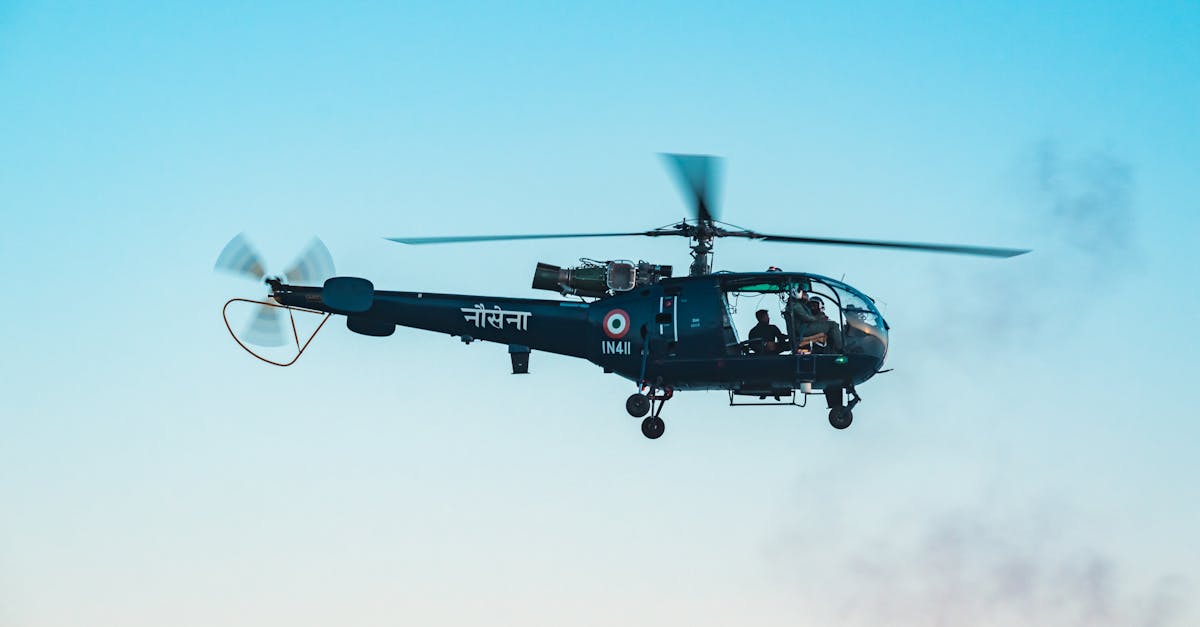
In 2025, national security remains a major strategic issue, particularly in the context of globalization. The recent Malagasy Boeing 777 incident acutely illustrates the vulnerability of states to organized crime hidden behind the complexity of the aviation sector. The circulation of false documents, or even the manipulation of registration certificates, accentuates the precariousness of national sovereignty. The threat is not limited to simple fraud but also encompasses a more global risk: foreign surveillance activities, the organization of suspicious movements, or even cooperation with terrorist groups. To be effective, the response must unite all stakeholders: the police, the justice system, aviation authorities, and also the international community. Vigilance must be essential to overcome these crises, especially when faced with actors who exploit regulations to circumvent the law. According to a recent study, securing the aviation sector requires constantly evolving preventive measures, integrating technology, law, and multilateral cooperation.
See here. Risk Factor Potential ImpactRecommended Solution
| Document Forgery | Aircraft Hijacking, Terrorist Acts | Strengthened Controls, Electronic #Technological Verification |
|---|---|---|
| Illicit Traffic | Undermining Sovereignty, Political Destabilization | International Cooperation, Targeted Sanctions |
| Judicial Inactivity | Impunity, Creation of a Dangerous Precedent | Strengthening the Legislative Framework, Exemplary Sanctions |
| Enhanced Transparency to Protect Sovereignty and the National Interest | Given the gravity of this new crisis, transparency is emerging as a key factor in restoring trust. Disclosure of actions taken, cooperation with international partners, and regular communication must be the pillars of a robust strategy. Transparency is not just an institutional obligation but also embodies a fundamental principle for deterring fraud networks. Collaboration with organizations such as the European Aviation Safety Agency and the International Civil Aviation Organization is essential for auditing, monitoring, and strengthening the legitimacy of aeronautical certificates. The publication of a detailed report on this case would also strengthen the legitimacy of the Malagasy authorities and reassure the international community of their commitment to protecting their sovereignty. In short, transparency is one of the major levers for understanding the seriousness of the phenomenon and laying the foundations for sustainable action. Discover the critical issues of national security, including defense strategies, geopolitical threats, and public policies implemented to protect the sovereignty and security of nations. | Concrete solutions to address the threat of counterfeit aircraft in 2025 |
To effectively address the threat to Malagasy aviation security, several actions must be considered. First, it is imperative to strengthen national legislation regarding document fraud and cybercrime. Stronger penalties, accompanied by accelerated legal proceedings, would deter malicious actors. Second, the installation of electronic verification systems, integrated with international databases, would provide instant and systematic traceability of registered aircraft. Third, strengthened cooperation with regional partners, particularly international airlines such as Air France, Lufthansa, and Qatar Airways, would establish a reliable and rapid information exchange network. Finally, the establishment of a continuous training system for aviation security personnel would ensure constant vigilance. Technological modernization, combined with active legal monitoring, represents the key to mitigating these vulnerabilities and ensuring the country’s aeronautical sovereignty. Recommended Action
Objective

Legislative Strengthening ✍️
Harmonize penalties and simplify legal procedures
| More dissuasive penalties and faster trials | Electronic Verification 🔍 | Real-time traceability of aircraft and certificates |
|---|---|---|
| Integration with ICAO databases | International Partnerships 🌍 | Strengthen cooperation on aviation safety |
| Exchange of information with Emirates, Turkish Airlines, etc. | Continuing Training 🎓 | Increased vigilance of professionals |
| Regular workshops, technological updates | The essential role of the international community in the fight against illicit air traffic | The threat posed by counterfeit Boeing aircraft extends far beyond the national framework. The scale of the fraudulent schemes requires a global mobilization involving all specialized international bodies, such as the International Civil Aviation Organization (ICAO) and INTERPOL. Multilateral cooperation is becoming essential to effectively track these clandestine aircraft. The establishment of shared databases, the synchronization of controls, and enhanced surveillance are all strategies that can be adopted to limit their circulation. Concrete examples from other regions, such as the fight against arms and drug trafficking, show that only global coordination can have a real impact. Aviation diplomacy must rely on transparency, cooperative sanctions, and electronic tracking to reduce these threats and protect national sovereignty. International solidarity is therefore an essential collective response to increasingly specialized and organized crime. |
| Frequently asked questions about the Boeing 777 case and aviation safety in 2025 | 🔎 What are the main causes of document falsification in the aviation sector? The main causes include organized fraud, a lack of strict controls, and weak criminal penalties in some countries, which facilitate the manipulation of certificates and registrations. | 🚨 What measures can enhance security during fleet transfers? |
Incorporating electronic verification systems, strengthening legislation, training personnel, and cooperating with international organizations such as ICAO will ensure increased security.
🌐 How can the international community intervene in the face of aviation fraud?
By creating common databases, harmonizing national regulations, conducting regular, concrete audits, and strengthening sanctions, global cooperation will be more effective.
- 💡 What are airlines’ responsibilities in the face of this threat?
- Airlines must maintain heightened vigilance, conduct strict checks, and actively cooperate with authorities to report any suspicious anomalies.
- 📈 What impact could this situation have on Madagascar’s international reputation?
- Transparent and effective management, particularly through cooperation with international partners, can strengthen the country’s image in the face of security and sovereignty issues.