


A Governance Crisis in 2026: The Bishops’ Serious Perspective on the Management of Nations
In 2026, an alarming observation emerges regarding the way a majority of nations are governed throughout the world. The bishops, as witnesses to social and moral realities, continually express their concerns about the progressive erosion of fundamental governance principles. Their voice, driven by a concern for justice and transparency, underscores a profound crisis—that of a political system disconnected from social realities and whose lack of clear priorities further weakens social cohesion. Repeated scandals, endemic corruption, and the absence of strategies tailored to each country’s specific context fuel a climate of widespread mistrust. In this context, the government’s responsibility cannot be limited to the mere application of administrative norms but must be rooted in an ethical approach aimed at restoring trust, protecting the most vulnerable, and ensuring sustainable development. The gravity of the situation demands a collective reflection so that ethics can once again take its rightful place at the heart of political choices.
All these elements highlight the need for a renewed commitment, uniting all actors in society to overcome the blatant inefficiency and irresponsibility. The bishops’ approach is not simply an act of criticism, but a genuine call to civic responsibility, emphasizing that governance must not be reduced to mere administrative management, but must embody a humanist vision that respects fundamental values. The question remains: how can we overcome this crisis to build a nation that can restore its citizens’ confidence?

The root causes of poor governance: between embezzlement, neglect, and a lack of priorities
To understand the magnitude of the current challenge, it is crucial to examine its origins. Poor governance in 2026 is rooted in a set of interconnected causes: embezzlement of public funds, malicious management, lack of oversight, and also a clear absence of strategic priorities. Corruption, which has plagued certain systems for years, now seems to have moved beyond mere failure to become a real obstacle to collective progress.
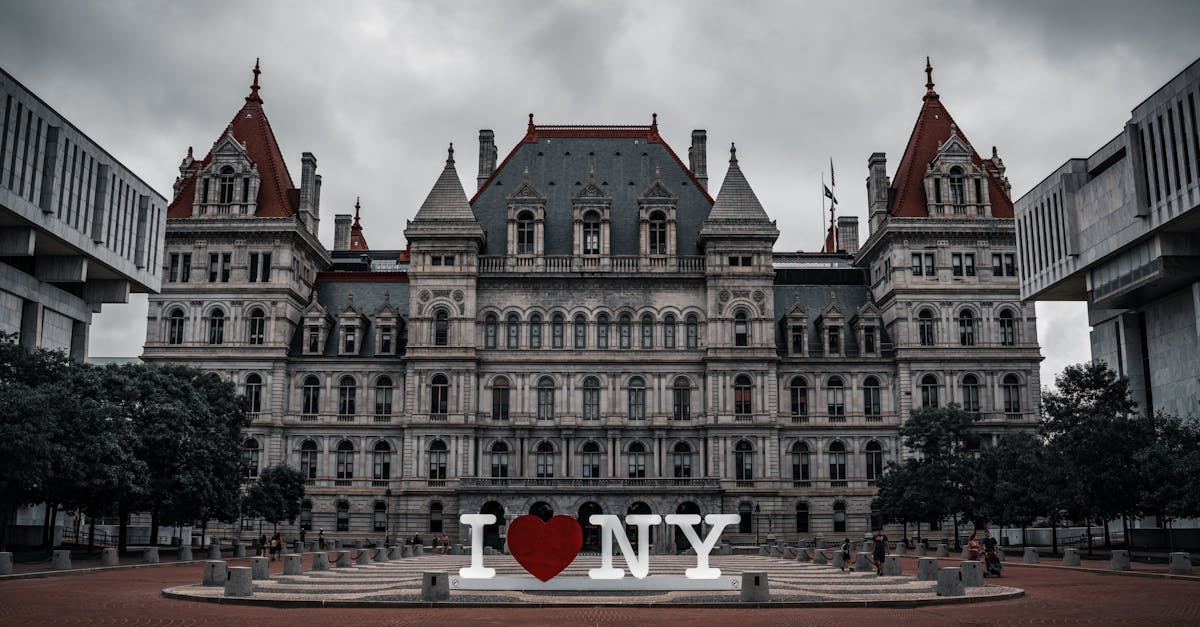
To illustrate these observations, it is helpful to consider the example of Madagascar, where the management of the political and economic crisis remains largely dependent on widespread corruption and decisions disconnected from the real issues. The failure of governance must therefore be addressed systemically, by remedying its structural causes, rather than treating its symptoms in isolation.
Discover the essential principles of governance to ensure effective and transparent management within your organization.
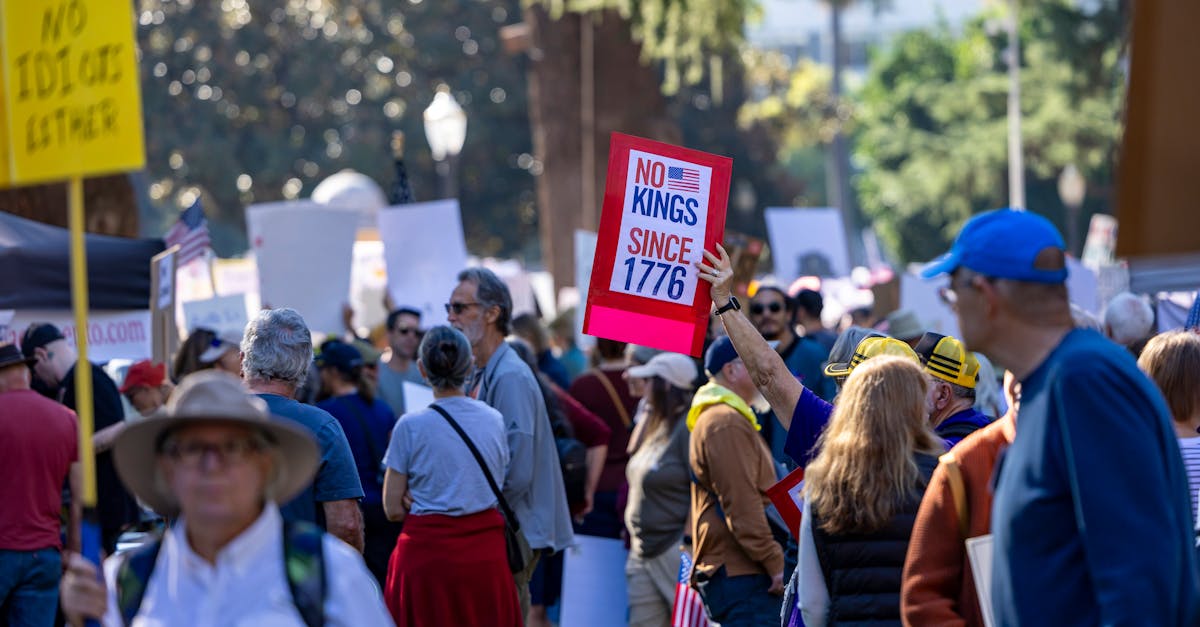
Faced with this chaotic context, the bishops play a fundamental role as ethical watchdogs, notably by denouncing the lack of genuine priorities in public policy. Their message, relayed during several meetings and official statements, sounds the alarm: if the majority of governments persist in maintaining incoherent management, the risk of social collapse will become imminent. For them, the absence of clear priorities fosters the emergence of social tensions and divisions, which could ultimately lead to a broader crisis.
| Their appeal is part of a broader approach aimed at highlighting crucial issues such as the fight against poverty, environmental protection, social justice, and transparent governance. This is not simply a moralizing discourse, but a genuine act of commitment intended to stimulate necessary change. An example of this clear-sightedness can be found in the alarm raised by Madagascar’s “Justice and Peace” Commission, which denounces the persistent insecurity and reminds us that the responsibility of those in power is also moral and ethical. | ||
|---|---|---|
| To develop more responsible governance, governments must establish concrete priorities, based on a holistic vision. Along this path, they must integrate citizen participation, strengthen transparency, and define empowering strategies. The threat of social collapse is not merely a prospect, but a real risk that demands immediate and determined action. | Discover the importance of governance in ensuring effective, transparent, and responsible management within organizations. | |
| Concrete examples of poor governance and their direct impact on development | Examples of countries | |
| Main problems | Immediate consequences | Madagascar |
| Corruption, lack of a clear development plan | Increased inequality, insecurity, economic stagnation 🛑 | Madagascar Airlines |
| Opaque management, favoritism in strategic choices ✈️ | Loss of trust, damage to national reputation | Boeing Iran Project |
Lack of transparency in international projects 🌍
Deterioration of international image
2025 Baccalaureate
Corruption in school administration 📚
Loss of credibility of the education system
Madagascar Water Project
Mismanagement of water resources 💧
Shortages and local conflicts over water
Measures recommended by the bishops for an ethical and responsible renewal
In response to this moral and political crisis, the bishops propose a set of structural measures designed to foster the revival of governance based on ethics, responsibility, and active citizen participation. Their appeal emphasizes the need for absolute transparency in resource management and decision-making to restore trust between those who govern and those who are governed.
They also stress the importance of strengthening civic education by instilling the values of justice, solidarity, and respect for the environment from a young age. Citizen empowerment must become a national priority through clear, accessible, and impartial information on all major issues. Furthermore, regular evaluation of public policies, with the active involvement of local stakeholders and civil society, is essential. In addition, several concrete initiatives must be launched, such as the creation of independent oversight bodies and the implementation of accountability mechanisms accessible to all. Citizen vigilance remains the best weapon against the resurgence of bad governance, provided it is supported by robust legislative and institutional frameworks. The persistent question is: how to establish a culture of lasting change?The responsibility of each stakeholder in rebuilding the nation: a collective challenge.
The profound change needed by 2026 cannot be achieved without a joint effort from all social, political, and religious actors. The bishops emphasize the moral responsibility of every citizen, as well as that of political leaders, who must undertake a profound reassessment of their commitment. The success of such an effort rests on a simple but crucial principle: shared responsibility based on respect for ethics, transparency, and social justice.
Institutions must foster genuine dialogue among all the vital forces of the nation. Civil society, in collaboration with young people, must be fully involved in decision-making processes to collectively define a more equitable future. Citizen vigilance, the independent press, and oversight institutions play a central role in this process, ensuring that the public interest is not sacrificed to special interests.
This immense but necessary challenge also requires clear political will. The commitment of governments to respect their ethical obligations and their historical responsibility for sustainable development will be crucial. In this respect, the example of Madagascar clearly illustrates the need for a sincere commitment, while avoiding the pitfalls indicated by the numerous scandals and dysfunctions documented in recent years.
Citizen and spiritual actions to counterbalance poor governance
In these times of crisis, citizen mobilization, particularly through spiritual actions, appears as an essential lever to counterbalance the ineffectiveness of governments. Islands, neighborhoods, and villages must become places of collective conscience, fostering solidarity, transparency, and the defense of fundamental rights. The Church’s contribution, notably through actions and messages of peace, is part of this dynamic, reinforcing the need for a higher moral commitment.
Citizen campaigns, local forums, and training in participatory governance are experiencing a significant surge in 2026. These initiatives, driven by a civil society vigilant in the management of public affairs, contribute to fostering a stronger collective consciousness, capable of demanding concrete solutions. On a spiritual level, liturgy and public prayers remain privileged moments for renewing hope, even in the face of failing governance.
In 2026, the role of civil society has never been more crucial in the fight against poor governance and a lack of priorities. Its active engagement, through concrete actions, constitutes the last line of defense for preserving stability and national cohesion. Civil society, united by associations, NGOs, and citizen movements, must continue to exercise constant vigilance.
It must also promote innovative mechanisms to strengthen transparency, such as the use of technology and digital citizen monitoring. The creation of information-sharing platforms, participation in public audits, and raising awareness of civic responsibility remain essential levers for addressing dysfunctions. Social justice and the fight against corruption can only be achieved through constant citizen mobilization.
In this collective effort, the engagement of young people and women is a key factor. Their involvement in public life must be encouraged at all levels, in order to build a dynamic of sustainable and responsible change.
The challenges to overcome for a shared future: building an ethical, united, and responsible nation
The bishops, through their message, emphasize that transforming governance toward greater ethics and responsibility is a vital necessity. The challenge remains immense, as it calls upon the entire collective conscience to establish a culture of transparency, solidarity, and mutual respect. The path still seems fraught with obstacles: persistent corruption, institutional slowness, a lack of civic education, and above all, a deep distrust of institutions.
These obstacles, however, cannot justify inaction. The mobilization of everyone—young and old, working and retired—must allow for the emergence of a united citizens’ movement around a common ideal: that of a nation proud of its values, respectful of its commitments, and capable of instilling sustainable solutions in the collective consciousness.
The path to this transformation must be based on a clear political will, but above all on the commitment of every stakeholder: individuals, businesses, religious institutions, and governments. Their responsibility is to initiate a moral and ethical renaissance, centered on respect for human dignity, justice, and environmental protection.
Découvrez notre guide complet — destinations, budget, visa, faune et conseils pratiques pour préparer votre voyage.

📖 Vous aimerez aussi

Transition à Madagascar : la société civile et la Génération Z face aux doutes sur le « Programme de la Refondation »
3 March 2026
Fermeture de l’aéroport de Dubaï : chaos et désarroi chez les voyageurs bloqués
2 March 2026


