


Precious biodiversity threatened by human activities and climate change
Madagascar, an island known for its exceptional ecological diversity, is home to rare and iconic species, including star tortoises. These reptiles, whose distinctive silhouette and star-shaped shell symbolize the richness of a unique fauna, are currently facing a critical situation. The degradation of their natural habitat, combined with pressures from illegal trafficking and the effects of climate change, is placing these animals on the brink of extinction. The precarious situation of this species is pushing the international community, as well as local initiatives, to redouble their efforts to protect them.
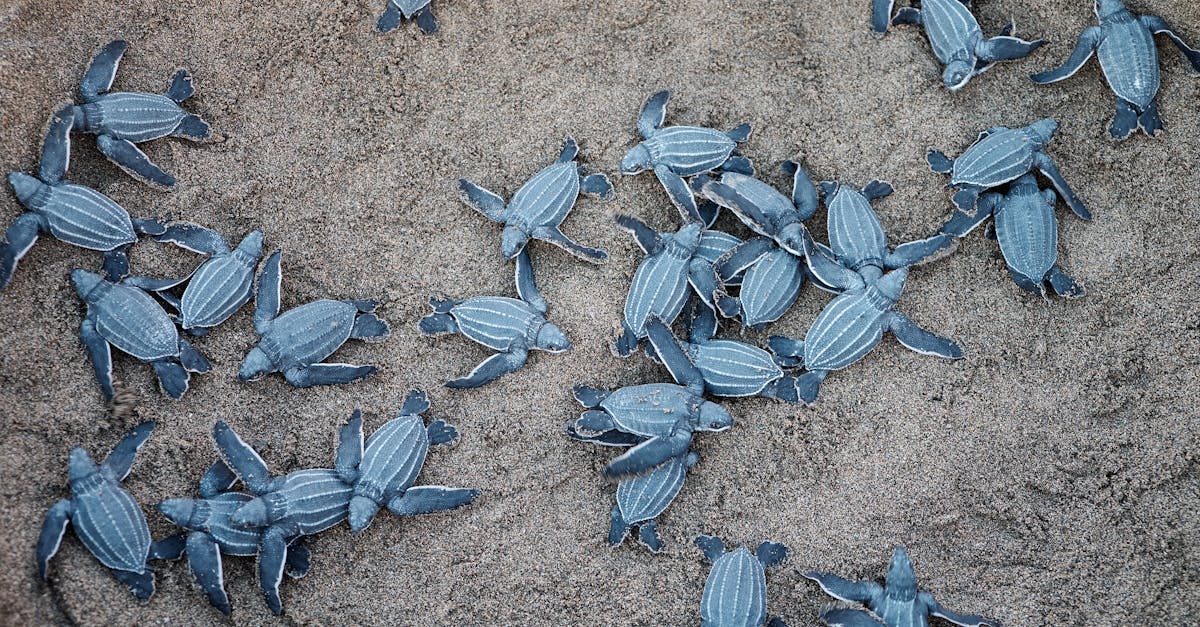
In this context, the creation of a protected village dedicated to the conservation of star tortoises appears to be an essential response to preserving this fragile biodiversity. Rooted in an integral ecology approach, this site demonstrates a sincere commitment to combining species protection, local awareness, and sustainable development. Protecting these reptiles is not just about saving an endangered species; it symbolizes the fight to preserve a global ecosystem, a vector of environmental, socio-economic, and cultural balance in Madagascar. Discover the fascinating world of turtles, these ancient and majestic marine creatures. Explore their habitats, behavior, and conservation efforts to protect these endangered species around the world. The genesis and development of a sanctuary dedicated to ancient biodiversity
was created to address the multiple threats facing this species. Its development is the result of a collaboration between committed stakeholders, such as NGOs, local institutions, and indigenous communities committed to conservation. The idea emerged in response to the scale of illegal trafficking and the gradual destruction of their natural habitat.
This project is part of a sustainability approach, aiming to establish a sustainable model where wildlife protection is combined with the development of local resources. The nature reserve, covering several hectares, has been developed to house care centers, nurseries, and educational spaces, promoting environmental education. Participatory governance, actively involving the local community, appears to be key to ensuring the sustainability of these initiatives. Key features of the village Characteristics Area
More than 50 hectares 🌿 Local population involvedMore than 300 families 👨👩👧👦
| Main activity | Protection and rehabilitation of star tortoises |
|---|---|
| Partnerships | NGOs, local governments, autonomous communities |
| https://www.youtube.com/watch?v=MoUdClelujY | Major conservation challenges in Madagascar: between human pressure and climate change |
| The challenges related to the conservation of star tortoises are part of a global context where human pressure remains a constant threat. Deforestation, poaching, and illegal trade are worsening year after year, further weakening their habitat and long-term survival. Population growth and accelerated urbanization are causing habitat fragmentation, making the migration and natural reproduction of these iconic reptiles difficult. | Furthermore, climate change, with its extreme phenomena such as prolonged droughts, floods, and rising sea levels, increases the vulnerability of these ecosystems. According to studies conducted in 2025, these extreme weather events have already reduced the habitable area for these turtles, leading to a worrying decline in their population. |
| Human pressure 🏞️: deforestation, traffic, urbanization | Climate change 🌡️: droughts, floods, rising sea levels |
Reduction of nesting areas 🥚
Direct impact on the survival of the species 🆘
Local and international mobilization: a lever to save the endangered species
- Given the gravity of the situation, several initiatives have been implemented to mobilize the local community and the international community. The reactivation of awareness programs, the training of local stakeholders, and the implementation of campaigns against illegal trafficking are helping to strengthen the resilience of star tortoise populations.
- Numerous partners are collaborating to establish a sustainable conservation dynamic. The Ensemble Foundation, for example, supports local projects aimed at strengthening the capacity of indigenous populations to preserve their biodiversity, particularly in the village’s region. Concrete actions such as the construction of nurseries, monitoring of vulnerable areas, and community awareness-raising play a crucial role in this fight.
- These efforts, embodied by citizen initiatives and public institutions, must be scaled up to effectively address threats. The creation of a global protection network, bringing together researchers, ecologists, and governments, would broaden the national and international debate on the conservation of star tortoises and their habitat. Key Initiatives
- Description
- Local awareness raising 🗣️
Community educational workshops
Monitoring and surveillance 🚓
Regular anti-poaching patrols
NGO support 🌱
| Support for nursery construction and training | Scientific research 🔬 |
|---|---|
| Studies on biomechanics and behavior | International mobilization 🌍 |
| Experience sharing and humanitarian aid | https://www.youtube.com/watch?v=fi6v4qP5rko |
| Concrete actions to preserve biodiversity in the village and beyond | Conservation efforts in the village are based on a series of concrete actions aimed at stemming environmental degradation. The installation of information signs along migration corridors, the creation of protected nesting areas, and the restoration of degraded habitats are among the initial measures. At the same time, the implementation of scientific monitoring makes it possible to assess the state of populations and adapt strategies as the situation evolves. |
| Beyond the village level, involvement in global actions is essential. Participation in environmental forums, the development of national protection policies, and regional cooperation are essential to ensure the sustainability of efforts. Integrating ecology into territorial planning, particularly to limit human impact on sensitive areas, must become a priority for all stakeholders. | Information panels and awareness raising 📢 |
| Protected habitat zoning 🛡️ | Restoration of degraded areas 🌱 |
Partnerships for sustainable management 🤝
An innovative model of ecotourism and local development for natural resources
This protected village is also an inspiring example of sustainable tourism. By promoting the richness of their natural heritage, local communities have created an ecotourism-based economy, strengthening their autonomy while preserving their environment. Respectful visitor management, biodiversity education, and community participation promote a balance between conservation and economic development.
- Visitors are invited to discover the endemic flora and fauna during guided tours, while being educated about the need to preserve this natural heritage. The creation of environmental education programs, coupled with biodiversity awareness, helps train a new generation aware of ecological issues. These initiatives are part of a comprehensive approach where ecology rhymes with local progress. Benefits of Sustainable Tourism
- Impact
- Enhancement of Natural Heritage 🌿
- Strengthens Protection and Creates Local Jobs
- Visitor Education 📚
Raises Awareness of Conservation and Preservation
Community Involvement 🤝 Promotes Inclusive and Equitable DevelopmentReduces Ecological Impact 🚫
Promotes Environmentally Friendly Practices
| Generates Sustainable Income 💰 | Contributes to Local Economic Self-Reliance |
|---|---|
| Discover the fascinating world of turtles, their varied habitats, their unique behaviors, and the conservation efforts to protect these iconic marine creatures. | The Role of Public Policy and International Stakeholders in Saving Star Turtles |
| Exemplary conservation efforts must be supported by a robust regulatory framework and strong political mobilization. Implementing appropriate laws, such as the strict protection of endangered species, is the first step. However, their effective enforcement requires close collaboration between Malagasy institutions, research centers, and international partners. | Foreign governments and organizations such as the European Union, the Fondation Monde Sauvage, and the Convention on International Trade in Endangered Species (CITES) play a key role by providing funding, expertise, and logistical support. The coordination of these actors forms a powerful network capable of amplifying their impact globally. Strengthened legislation 🛑 |
| Financial support 🌍 | Training and monitoring programs 📋 |
| International partnerships 🤝 | Support for scientific research 🔬 |
| https://www.youtube.com/watch?v=X2DUv-52t8M | At a crossroads: let’s act today to preserve our natural heritage |
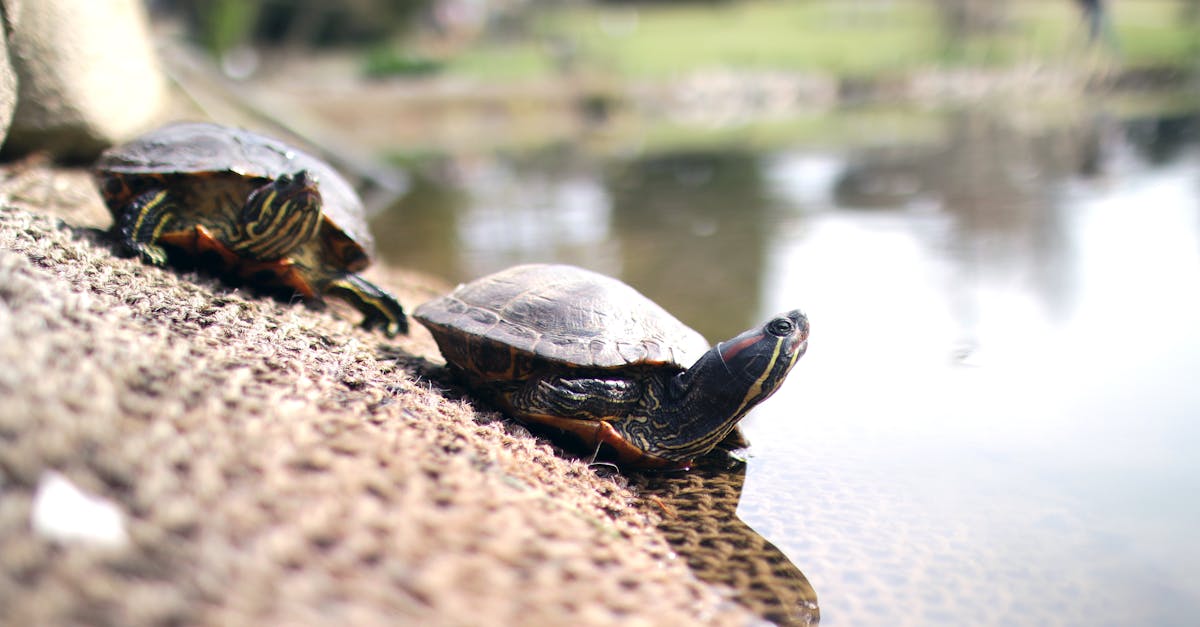
It’s not just about saving a species, but also about ensuring the stability of a global ecosystem, a vector of resources, balance, and cultures. Habitat restoration, the fight against illegal trafficking, and raising awareness among everyone are all priorities that must not be neglected. Mobilization around local and global projects, particularly through international support, must be strengthened.
Discover the fascinating world of turtles, from iconic marine creatures to unique terrestrial species. Learn more about their habitats, behavior, and conservation efforts to protect these ancient reptiles.
Frequently Asked Questions about Star Tortoise Conservation in Madagascar
- What is the Star Tortoise Conservation Project in Madagascar?
- It consists of a series of initiatives aimed at preserving their habitat, combating trafficking, and raising environmental awareness among the local population through a village dedicated to their conservation.
- What are the main threats to star tortoises?
- Deforestation, poaching, illegal trade, and the effects of climate change are among the most concerning factors.
- How can the international community support this project?
What are the expected long-term results? Population stabilization, habitat restoration, and the expansion of ecological corridors to enable their migration and natural reproduction.
Source:
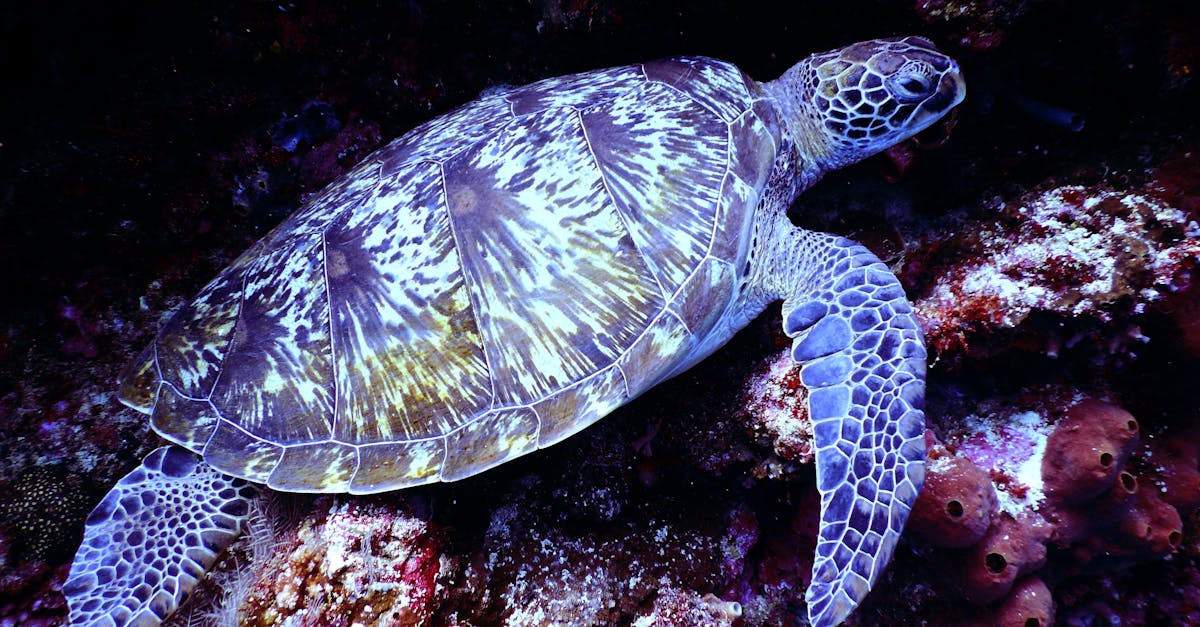
Découvrez notre guide complet — destinations, budget, visa, faune et conseils pratiques pour préparer votre voyage.

📖 Vous aimerez aussi

Transition à Madagascar : la société civile et la Génération Z face aux doutes sur le « Programme de la Refondation »
3 March 2026
Fermeture de l’aéroport de Dubaï : chaos et désarroi chez les voyageurs bloqués
2 March 2026


