


A Major Health Crisis in Ikongo: Malaria on the Rise in 2025
The district of Ikongo, in southeastern Madagascar, is facing an alarming increase in malaria cases, a phenomenon that threatens to jeopardize the stability of the local health system. For several months, the situation has deteriorated sharply, with an unexpected peak in 2025, a year in which collective awareness must urgently intensify to address this crisis. The resurgence of this tropical disease, traditionally endemic in the region, is reaching unprecedented levels, overwhelming medical facilities and mobilizing all stakeholders in an emergency response. The rapid spread of the parasite through areas of high mosquito density, combined with weak health infrastructure, constitutes a tangible threat to public health. At the heart of this crisis lies one stark observation: the lack of prevention campaigns, the insufficient supply of medications, and the lack of adequate vaccination coverage are increasing the vulnerability of populations, particularly among children and pregnant women. The combination of prolonged rainy periods creates an environment conducive to the proliferation of mosquito larvae, thus catalyzing the speed of transmission. The situation calls for a concerted response, because if no clear measures are quickly implemented, the consequences could worsen, with the risk of spreading to other districts of Madagascar.
Discover everything about malaria: its causes, symptoms, treatments, and prevention methods. Learn more about this tropical disease transmitted by mosquitoes and how to protect your health.
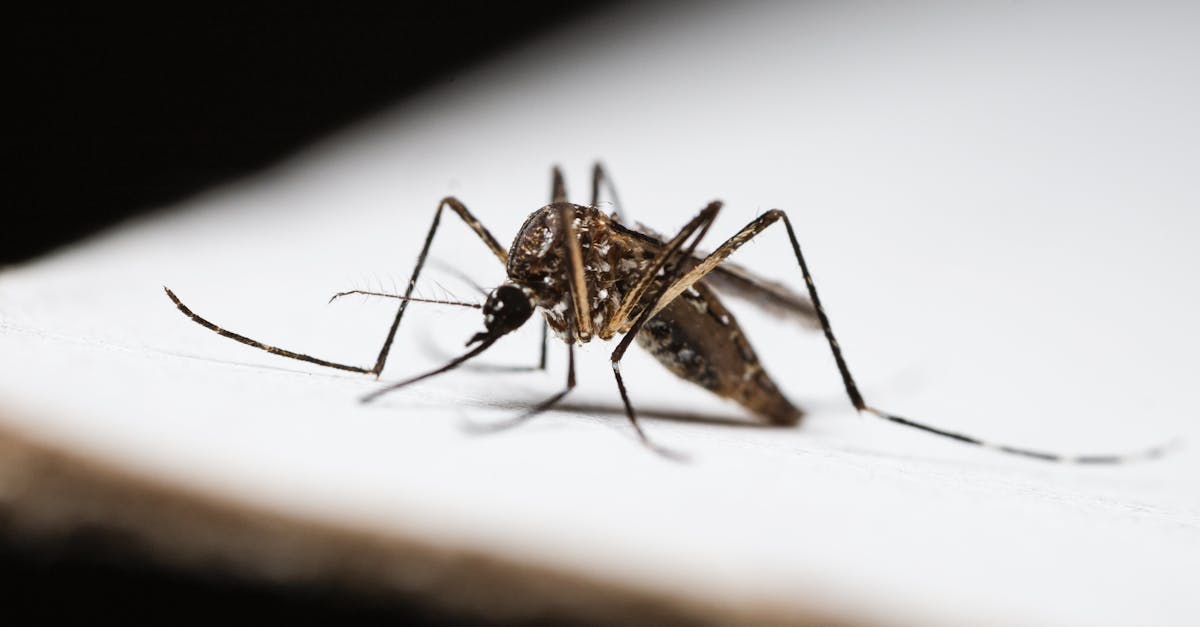
Several factors explain this unprecedented increase in malaria cases in the Ikongo region. A combination of environmental, socioeconomic, and operational factors has fueled this resurgence. Significant rainfall, which exceeded seasonal norms, has fostered the proliferation of mosquitoes that carry the parasite. This climatic phenomenon is exacerbated by traditional agricultural practices that promote water stagnation and the creation of larvae in the surrounding swamps.
On the socioeconomic level, the prevailing poverty limits access to care and prevention. Many residents lack sufficient means to purchase medicine or travel to health centers. Furthermore, insufficient awareness campaigns and the lack of regular distribution of treated mosquito nets explain the scale of the epidemic. Low investment in malaria control, along with the deterioration of health infrastructure, have increased vulnerability to this health threat. Key Factors
Hypothetical Impact
| Excessive rainfall ☔ | Increased mosquito breeding grounds |
|---|---|
| Socioeconomic vulnerability 💸 | Poor access to care and prevention |
| Inadequate awareness campaigns 📢 | Lack of information for populations |
| Fragile medical infrastructure 🏥 | Difficulty in effectively treating all cases |
| Lack of treated mosquito nets 🛏️ | Increased risk of infection |
| Prevention challenges in the face of this outbreak | The fight against malaria in Ikongo must rely on an effective prevention strategy. However, this task is complex in a context where climate, poverty, and insufficient material resources hamper the implementation of appropriate measures. The distribution of permethrin-treated mosquito nets remains an essential solution, but it must be complemented by massive awareness campaigns to ensure communities understand the importance of their regular use. |
Prevention campaigns can also include disseminating information orally or through the media, organizing educational workshops, and mobilizing local community leaders. As vaccination is not yet fully implemented in this region, raising awareness and promoting the use of prophylactic medications remain the first line of defense. Strengthened international and national mobilization is essential to overcome these challenges and contain the phenomenon.
Discover everything you need to know about malaria, a potentially fatal disease transmitted by mosquitoes. Learn about its symptoms, how to prevent it, and the treatments available to combat this infection in affected regions. Emergency measures taken by Madagascar in response to the malaria epidemic in Ikongo
Faced with this health crisis, Malagasy authorities responded quickly by mobilizing resources and implementing concrete actions to limit the spread of malaria in Ikongo. According to a recent report from the National Bureau of Risk and Disaster Management (BNGRC), the rate of people carrying the parasite remains worrying, with a percentage exceeding alert thresholds, requiring immediate intervention.
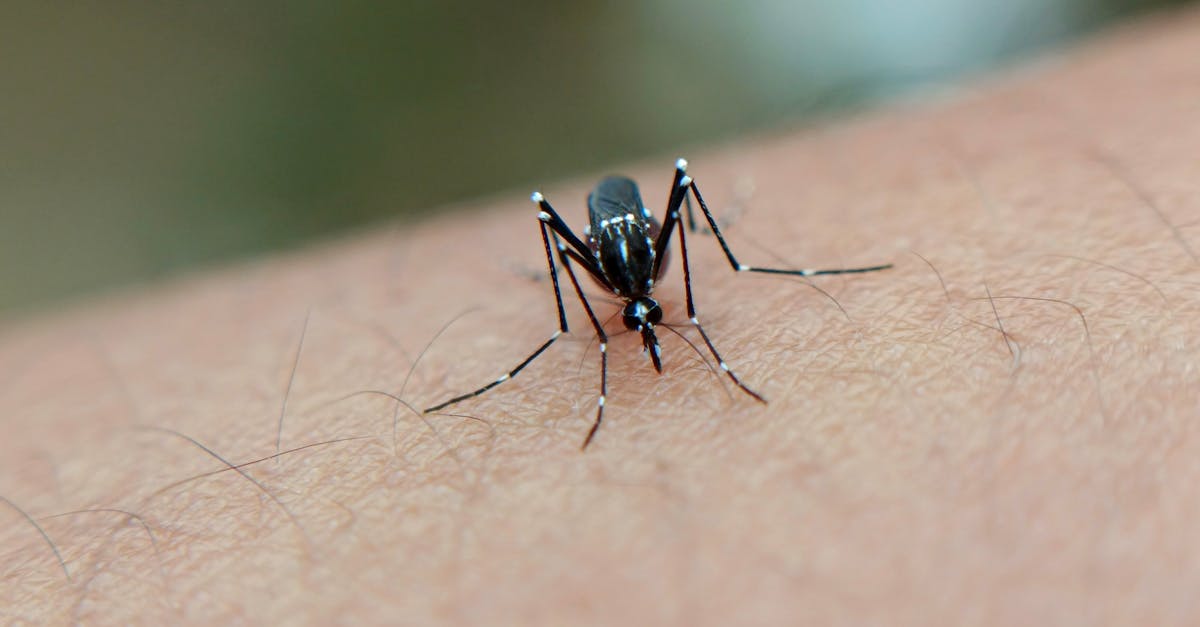
more than 50,000
treated mosquito nets Organization ofmore than 200 awareness sessions
Deployment of
- more than 300 mobile medical teams Reinforcement of medicine stocks in local centers Mobilization of volunteers and specialized health personnel
- https://www.youtube.com/watch?v=5enwA5pei_M Deployment of a large-scale action plan by the Malagasy government in 2025
- The Mauritian government has launched a colossal strategic plan to slow the spread of malaria, thus avoiding a major health crisis. This plan includes the implementation of a reinforced surveillance network, the creation of strategic medicine stocks, intensive training of local health workers, and national awareness raising. Implementing this plan requires close coordination between the various stakeholders and robust logistics, as the situation in the Ikongo region remains critical. According to the deployment of the action plan
- , it is vital to ensure a response appropriate to the severity of the crisis. The participation of all sectors—health, environment, education, and communication—is essential to rapidly reduce the number of new cases and ensure effective patient care.
- Key areas of focus of the plan
Strengthening epidemiological surveillance 📝
Creation of a real-time case register
Strategic procurement 💊 One-month supply of medicinesCommunity mobilization 🤝
| Local awareness campaigns | Training and deployment of agents 🏥 |
|---|---|
| Regular training sessions, enhanced supervision | Strengthening infrastructure 🏗️ |
| Improving health centers and storage | Logistical and financial challenges for implementation |
| This ambitious plan faces major obstacles, particularly regarding logistics, which are often hampered by unsanitary conditions, the deterioration of some centers, and the lack of qualified personnel in remote areas. Financially, mobilizing sufficient funds remains a crucial issue, as the crisis requires massive investments in the short and long term. | Discover malaria, a parasitic disease transmitted by mosquitoes, its symptoms, its global impact, and preventive measures to protect your health. The Health and Social Impact of the Epidemic in Ikongo |
| The repercussions of this resurgence of malaria in Ikongo extend far beyond the medical sphere to profoundly affect the social sphere. Infant mortality is experiencing a worrying rise, undermining food security and increasing poverty, particularly among vulnerable families. Overcrowded hospitals are also leading to a deterioration in care for other diseases, worsening the overall health situation of the population. | Children under 15 are the most vulnerable, with a high number of serious cases reported in several villages. Fear is growing, fueled by a lack of resources, a shortage of medical personnel, and delays in implementing effective preventive measures. The local community is expressing concern about the future, especially since the health crisis could have a lasting impact on the region’s socioeconomic development if no action is taken quickly. Social Impacts |
| Possible Consequences | Infant Mortality ⚠️ |
Excessive Loss of Young Lives
Deterioration of Public Health 🌍
Increased Poverty 💰
Lower Living Standards for Vulnerable Families
Pressure on the Health System 🩺
| Deterioration in the Quality of Care | Social Instability |
|---|---|
| Conflicts Related to Lack of Care and Resources | The Challenges of Awareness-Raising and Education to Contain Malaria in Ikongo by 2025 |
| Implementing appropriate educational programs is essential to break the vicious cycle of malaria transmission. Awareness-raising must involve all sectors: schools, community leaders, media, and local authorities. Understanding transmission mechanisms and prevention measures contributes to greater collective involvement, which is essential to reverse the trend. | An effective strategy also includes training volunteers, producing simplified educational materials, and organizing regular campaigns in each village. Communication must prioritize simplicity and proximity, leveraging local radio and social media to reach a wide audience. No effort must be spared if the goal is to sustainably change attitudes toward this disease. |
| Outlook for 2025: Hope for Sustainable Improvement in Ikongo | Faced with this emergency, international cooperation, combined with strong political will, appears to be an essential lever for an effective response to this crisis. By integrating technological innovations, such as telemedicine or the mapping of risk areas, Madagascar could reduce the impact of malaria in its most vulnerable regions, particularly Ikongo. The implementation of rigorous monitoring and continuous evaluation will make it possible to measure the effectiveness of the measures taken. |
| The prospect of a healthier future remains, provided that collective efforts are scaled up and the population is truly involved in prevention. By strengthening the resilience of the health system, the region will be able to overcome this crisis and limit the spread of this devastating disease in 2025 and beyond. | FAQ on Malaria in Ikongo in 2025 |
| What is the main vector of malaria in Ikongo? The main transmission route is the bite of female Anopheles mosquitoes, favored by the hot and humid climate. | What measures are in place to protect the population against malaria? |
The distribution of treated mosquito nets, the use of prophylactic medication, and awareness-raising are the main tools.
What are the risks if the crisis is not brought under control?
The epidemic could spread further, with an increase in deaths, particularly among children, and an overload of health centers.
How can the local community contribute?
By respecting preventive measures, participating in awareness-raising campaigns, and mobilizing their leaders to promote health.
What are the priority actions for the coming weeks?
Strengthen the distribution of mosquito nets, accelerate vaccination, increase awareness and support local medical structures.
- Source: www.rfi.fr
🔗 Sources & références
Pour aller plus loin, consultez les sources citées dans cet article :
Découvrez notre guide complet — destinations, budget, visa, faune et conseils pratiques pour préparer votre voyage.

📖 Vous aimerez aussi

Transition à Madagascar : la société civile et la Génération Z face aux doutes sur le « Programme de la Refondation »
3 March 2026
Fermeture de l’aéroport de Dubaï : chaos et désarroi chez les voyageurs bloqués
2 March 2026


