


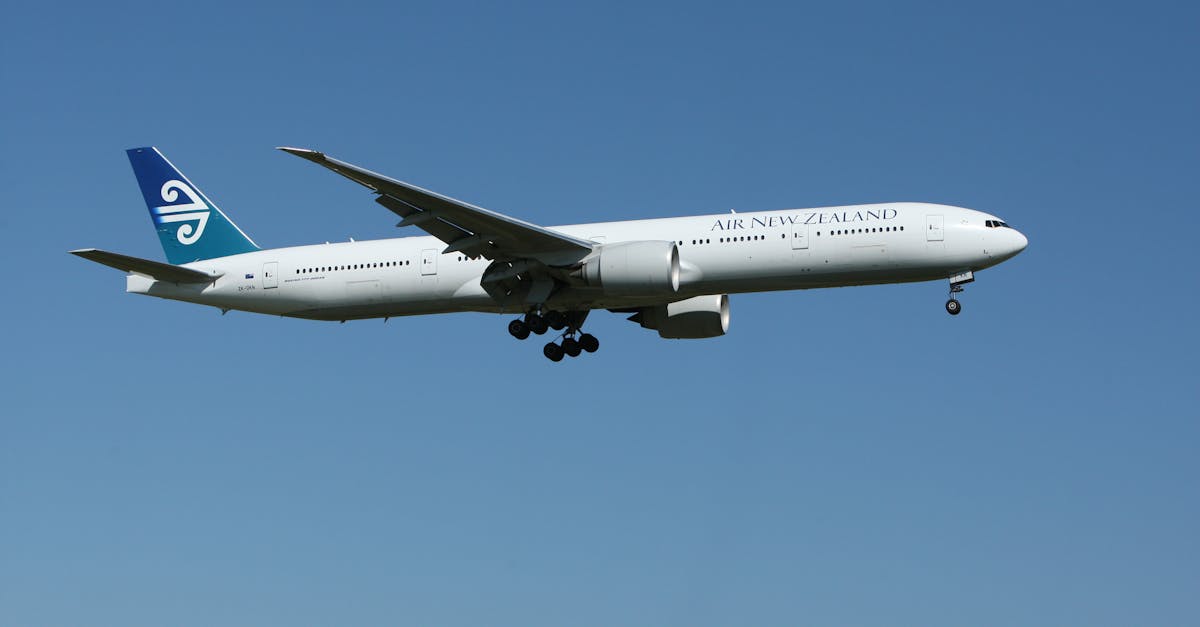
In 2025, Madagascar is witnessing an unprecedented crisis of confidence, fueled by scandals that expose the extent of corruption and the collapse of institutions. The scandals linked to the Ambohimalaza affair and the opaque management of the Boeing 777s in the national aviation sector reveal a disturbing reality: a political system in decline, where impunity is the rule and transparency is rare. The gap between official discourse and the reality on the ground continues to widen, fueling a climate of growing mistrust among the population and the international community. These episodes further illustrate how the lack of genuine infrastructure development and weak control mechanisms foster a precarious situation, where mobility, essential to economic growth, is now hampered by failing governance. The question remains: how can Madagascar’s destiny be reoriented in the face of these cumulative crises, to build a truly democratic and modern sovereignty capable of supporting a strategic sector like air transport? Discover the Boeing 777, an iconic airliner combining performance and comfort. Explore its technical specifications, its fascinating history, and why it’s so popular with airlines around the world.
The tragic tragedy that occurred in Ambohimalaza during a birthday party in June 2025 shook the entire country. Thirty-two victims lost their lives in still-unclear circumstances, sparking deep outrage and mounting pressure on the authorities. What could have remained a local tragedy quickly became a symbol of a structural crisis in the Malagasy government, unable to guarantee security and transparency. The official version, which suggested poisoning by a toxic substance, was widely contested by the international press, notably by TV5 Monde and RFI, which raised fundamental questions about the management of health and security crises. The suspicion surrounding a possible health scandal quickly turned into a governance issue, illustrating the fragility of control mechanisms and the difficulty of dealing with a vigilant and demanding population. Direct links to broader issues, such as infrastructure management or security in the aviation sector, make this tragedy all the more worrying. Growing distrust of the official version and institutional ineffectiveness reinforce the need for far-reaching reforms and a strengthening of the rule of law.
Aspect Description Implication Victims32 deaths during the Ambohimalaza festival
| Signals serious negligence in food and health safety | Official reactions | Disputed official versions, insufficient investigation |
|---|---|---|
| Fuels suspicion and the enormous challenge of transparency | Public impact | Loss of confidence in the health and security system |
| Strengthens citizen mobilization and the demand for truth | Discover the Boeing 777, one of the world’s most popular airliners. Combining performance, comfort, and cutting-edge technology, it offers an unparalleled flight experience thanks to its modern design and fuel efficiency. Learn more about its features, technical specifications, and its impact on commercial aviation. | The Legitimacy Crisis in the Aviation Industry: The Case of the Boeing 777s from the Malagasy Market |
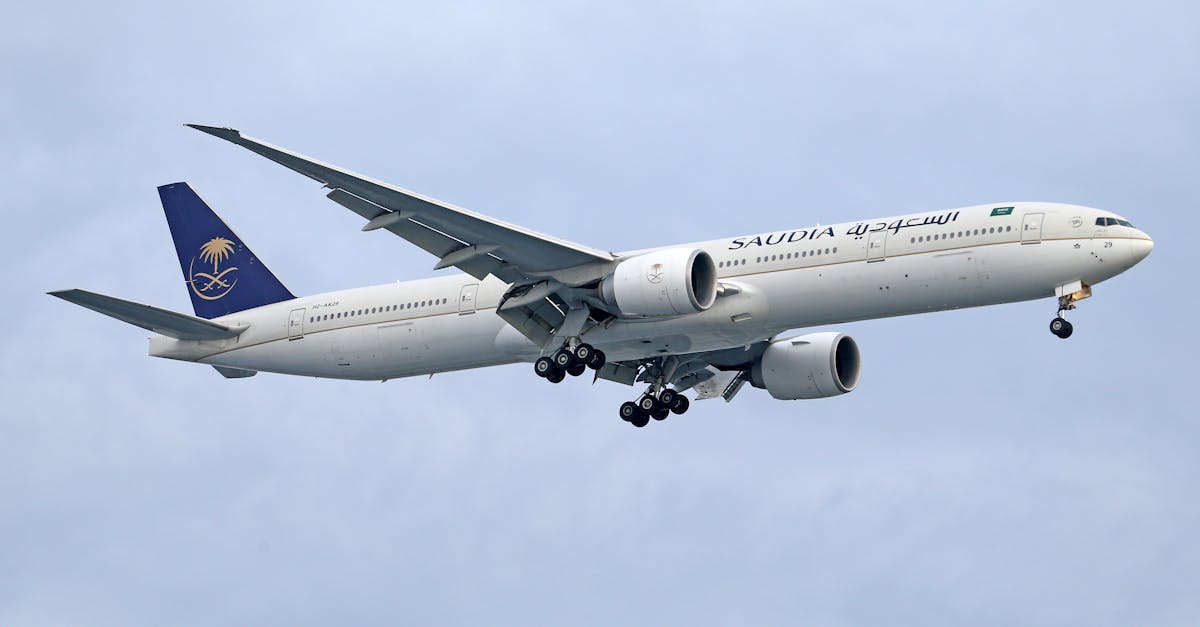
| In the aviation sector, Madagascar is experiencing a decisive turning point with the emergence of a scandal surrounding the legendary Boeing 777s, which were allegedly smuggled into the national fleet. The Gasigasy report highlights the complexity of this affair, combining economic issues, political speculation, and security concerns. In January 2025, when these aircraft were reportedly registered, their use appeared to be merely an accessory in a system where transparency is deliberately avoided. The reputations of several actors, including the Director General of Civil Aviation, who dared to denounce some government officials, have been severely tested. The suspicion of a black market favoring foreign influence raises the crucial question of governance in Madagascar’s airspace. The growing dependence on an increasingly obsolete aviation sector, coupled with the crisis of confidence, is leading to a decline in the sector, which is crucial for economic development and citizen mobility. Opaque management and the lack of independent oversight highlight a systemic problem that threatens any attempt to modernize and establish new air transport infrastructure. | Discover the Boeing 777, one of the most efficient and comfortable airliners in the world. Learn more about its characteristics, history, and impact on modern aviation. | The Challenges of Governance and the Independence of Regulatory Institutions |
Organization
Genuine independence Role in the fight against corruption Bianco
Incapable of conducting robust investigations
SAMIFIN Suspicious, obvious political influenceLack of traceability in the fight Court of AuditorsUsed as a tool by the government Limited in its capacity for actionThe Dependence of the Judicial System on the Executive and Its Impact on the Fight Against Corruption
| One of the most worrying aspects of Madagascar’s institutional disintegration lies in the judicial sphere. The separation of powers is largely artificial, and the judicial system, subject to the will of the executive, has lost all credibility with the population. Numerous reports by | Transparency International | denounce this collusion, which allows a political-military elite to maintain its privileges with impunity. The repression of dissenting voices, the lack of thorough investigations into corruption cases, and the weakness of inspection mechanisms illustrate poor governance. The mismanagement of scandals, whether related to the Ambohimalaza affair or the Boeing case, demonstrates that the justice system is merely an instrument at the service of power—and in no way a countervailing force. The weakness of the justice system prevents any real development and constitutes a major obstacle to the consolidation of a rule of law where transparency and fairness reign. The situation therefore requires a complete overhaul of the system, including genuine respect for judicial independence, if the nation wishes to overcome these profound crises and regain its credibility. |
|---|---|---|
| The social and economic repercussions of the multiple crises | The combined effects of the health, security, and institutional crises are irreparably damaging Madagascar’s social fabric. The loss of confidence in the authorities and the deterioration of essential services are hampering any efforts toward sustainable development. Economically, the air transport sector, vital for tourism, foreign investment, and domestic trade, is experiencing a critical slowdown, hampering the country’s growth. Mismanagement and the inability to establish reliable infrastructure have resulted in limited mobility, depriving the population of access to basic services such as health, education, and economic opportunities. The proliferation of scandals, such as the Ambohimalaza scandal, frequently reported by international media, reinforces the perception of institutional chaos. The population, increasingly convinced of the urgency of reform, is increasingly demanding profound change. The crisis goes beyond simple governance and is rooted in deep mistrust, which risks prolonging economic and social instability indefinitely. The challenges of a new governance model in aviation and infrastructure development | In a context where |
| mobility | As the modernization of the aviation sector becomes essential to development, it could play a key role in economic recovery. However, this ambition must be accompanied by a profound reform of regulatory structures. The overhaul of institutions, with true respect for their independence, would be an essential step in restoring trust. Transparency in the acquisition and management of equipment, particularly for the Boeing fleet and other aircraft, must be part of a sustainable development approach. The need to establish modern governance, uniting all stakeholders around a common project, is key. At the same time, investing in infrastructure, particularly airports and maintenance centers, would help make Madagascar a regional hub, revitalizing travel policy and attracting more foreign investment. With this in mind, it is imperative to combat external influence and protect national sovereignty in the aviation sector, which is conducive to both safety and technological innovation. Citizen Initiatives and Popular Pressure in the Face of the Crisis | Faced with the decay of institutions, the emergence of citizen initiatives for monitoring and mobilization is becoming a necessity. The Malagasy population, increasingly vigilant, is using social media to denounce abuses, demand transparency, and demand accountability. Several associations and collectives are playing a key role in the emergence of a collective movement for justice and reform. Popular pressure has already led to symbolic changes in some sectors, but remains insufficient in the face of a locked-down system. Growing distrust in the Ambohimalaza affair |
| or the opaque management of Boeing has strengthened citizens’ determination to initiate a reform process. Transparency, genuine collective engagement, and the continued denunciation of abuses are now essential to initiate lasting change. | Frequently Asked Questions (FAQ) | What are the main causes of the crisis in Malagasy aviation in 2025? |
The main causes include opaque management, the lack of independence of regulatory bodies, Boeing-related scandals, and the weakness of the judicial system, preventing any lasting reform.
How has the Ambohimalaza crisis impacted trust in institutions? It has heightened mistrust by revealing weak governance and the difficulty of ensuring health safety, reinforcing the perception of a state dependent solely on the will of the central government. What role can civil society play in aviation sector reform? It can contribute to raising awareness, denouncing abuses, and pressuring for institutional reform by demanding greater transparency and independence in aviation management.
What are the challenges of sustainable infrastructure development in Madagascar?
It involves modernizing airports, strengthening security, attracting investment, and ensuring efficient mobility, which is essential for the country’s economic growth and security.
How can sovereignty be ensured in aviation management?
By strengthening local capacity, limiting foreign influence, improving training for local stakeholders, and implementing transparent and effective regulation.
🔗 Sources & références
Pour aller plus loin, consultez les sources citées dans cet article :
Découvrez notre guide complet — destinations, budget, visa, faune et conseils pratiques pour préparer votre voyage.

📖 Vous aimerez aussi

Transition à Madagascar : la société civile et la Génération Z face aux doutes sur le « Programme de la Refondation »
3 March 2026
Fermeture de l’aéroport de Dubaï : chaos et désarroi chez les voyageurs bloqués
2 March 2026


