

A major archaeological breakthrough in Madagascar: an unexpected link with Iran that changes the history of the island
Recent excavations at the Teniky site, located in the Isalo massif in Madagascar, have revealed an exceptional architectural ensemble, calling into question established knowledge regarding the history and intercultural exchanges of the Indian Ocean. Dated between the 10th and 12th centuries, these structures carved into the rock highlight an unexpected influence of Zoroastrian architecture, typical of Iran. This discovery, the result of an international collaboration led by experienced archaeologists, opens a new perspective on the complexity of exchanges between Madagascar and distant civilizations. More than just an archaeological site, it is a potential revealer of a deep cultural connection, which could well transform the traditional conception of settlement of the island. The presence of structures that were once difficult to explain, their distinctive style and their proximity to religious traditions from Persia, constitute an enigma that the scientific community must now resolve. The revelation of these architectural similarities, explained here, can only increase international interest in this unexpected heritage, and raises a crucial issue for understanding the history of modern and ancient Madagascar.

The structures of Teniky: unusual architecture that intrigues
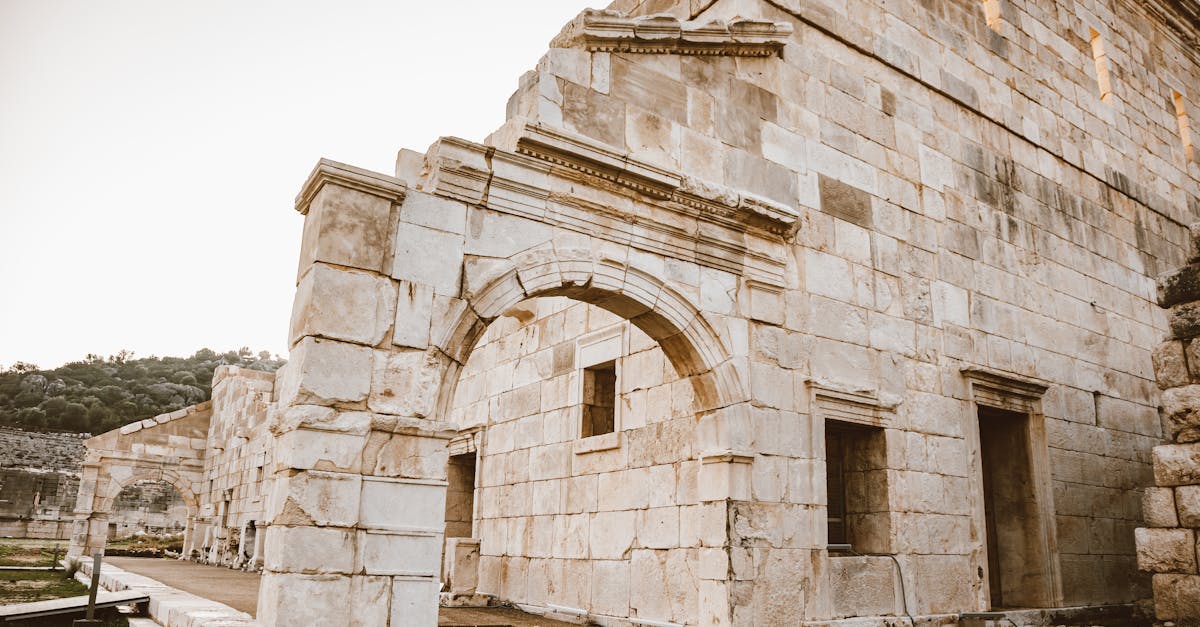
The guided excavations have revealed a building of a Ubuesque architectural style, completely unprecedented for Madagascar. These features include rectangular niches carved into the rock, stone basins, intricately sculpted sandstone walls, and meticulously crafted artificial terraces. Their exceptionally precise layout testifies to an unprecedented influence in the region, arousing both admiration and perplexity. The major challenge for archaeologists is to understand the function of these structures. Could they be a funerary complex, a ritual site, or a ceremonial site intended for specific religious practices? In any case, radiocarbon dating confirms their construction during the period when Madagascar participated in a vibrant trade network. The presence of fragments of Chinese and South Asian ceramics indicates a true cultural crossroads, not an isolated site. The proximity to a time when sea routes connecting Persia, India, and China were flourishing seems to reinforce this hypothesis. Teniky’s architectural scene thus highlights a contribution, perhaps modest but significant, to migrations from across the Indian Ocean.

An unexpected influence: Zoroastrianism and its funerary practices in question
The most captivating feature lies in the resemblance of the Moroccan and Iranian rock niches to those found in Madagascar. These niches, carved into the rock, were used, in Zoroastrian tradition, to expose bodies during funeral rites, particularly in practices called “towers of silence.” Researchers suggest a possible religious or cultural transmission, which could have been carried by migrants of Persian origin, who came to establish a discreet presence on the island. The Zoroastrian religion, founded in Persia by Zarathustra, advocates a duality between good and evil, with specific rituals to accompany the end of life. The discovery of these structures in Madagascar also allows us to question the spread of religious ideas in the Indian Ocean, a subject that has remained little explored until now. If this hypothesis is confirmed, it implies that Malagasy religious heritage could contain influences from a once powerful and influential religious center. The realization of this connection would broaden the scope of cultural exchange, extending far beyond the commercial sphere to embrace the spiritual sphere.

The Implications of a Persian Connection in Madagascar: A Historical Paradigm Shift
Exploring these discoveries allows for a revision of settlement and cultural interaction models. Until now, researchers favored a predominantly African or Southeast Asian origin for Madagascar, reinforced by genetic analysis of the populations. The potential presence of migrants from Iran, or a Persian cultural influence, disrupts these notions. Beyond the religious aspect, this suggests an integration of technological, aesthetic, and religious elements from an orientalized world, which may have shaped certain aspects of Malagasy society. Shedding light on these possible, as yet unknown, interactions raises several questions: Why did these migrants build these structures so far removed from their origins? What were their religious or commercial motivations? And above all, how were these influences integrated into the local cultural fabric, shaping a heritage blending indigenous tradition and external influences? Answering these questions will require an in-depth study of artifacts and inscriptions, as well as precise historical contextualization. The discovery of Teniky heralds a key step in the recognition of a truly multicultural heritage, the genesis of which remains to be clarified.
The challenges of conserving and promoting this unique heritage
This archaeological site, listed as a potential World Heritage Site, must be protected from degradation, looting, or environmental damage. Teniky’s architectural richness and its possible links with Iran require rigorous conservation to preserve these priceless remains. The challenge is not limited to the physical protection of the structures, but also involves their enhancement through research, awareness-raising, and sustainable tourism programs. It is crucial to mobilize the local community, international institutions, and heritage experts to ensure the sustainability of this site. The development of these structures could also attract cultural and scientific tourism, allowing Madagascar to strengthen its international reputation. The conservation philosophy must be based on a multidisciplinary approach, combining archaeology, history, linguistics, and religious heritage, in order to fully exploit this revelation and ensure the sustainable transmission of this heritage. Raising awareness of Malagasy heritage, more than ever, must be part of a dynamic of respect and collective appreciation. A possible influence on local linguistics and cultural practices
Beyond architecture, this unexpected connection with Iran could also leave its mark on Malagasy language, agricultural or ceremonial practices, and even toponymy. How could a Persian influence be integrated into such a distant island context without leaving visible traces? The answer likely lies in a complex process of cultural transmission, which would have blended elements from the Orient with local traditions. For example, certain terms or expressions could share a common origin or be indirectly influenced. Similarly, rituals related to the end of life or ancestral celebrations could bear parallels with those of Persia, if the hypothesis of Persian influence proves correct. Linguistic research must be intensified to detect possible phonological or semantic borrowings. Moreover, Malagasy oral tradition, rich in stories and legends, could contain elements suggesting an external influence, which should be closely examined in the coming decades. Future research perspectives to better understand this connection
This unique field of investigation opens the way to multiple avenues of research. The first consists of an in-depth comparative analysis of the architectural structures of Madagascar and Iran, to confirm or deny stylistic connections. The second step concerns the possible identification of inscriptions or symbols in these structures, which could provide dynamic or religious clues. Archaeometric and genetic verification could shed light on the origins of the populations responsible for these constructions. Finally, the study of textiles, ceramics, and other artifacts discovered on site, complemented by research in linguistics and anthropology, will help support this hypothesis of a cultural or migratory link. However, this discovery should spur enhanced cooperation between researchers from different disciplines and regions to take full advantage of this exceptional heritage. Networking among African, Asian, and European institutions will be essential to advance this understanding and preserve these remains, which are cited as key to reconstructing the global history of Madagascar and the Indian Ocean. Frequently Asked Questions (FAQ)
How does this discovery challenge traditional ideas about Madagascar?
It suggests that the island may have been in contact with Persian civilizations, bringing previously unknown religious and architectural influences, which could challenge the notion of an exclusively indigenous or Asian settlement.
What elements suggest an Iranian influence?
- The rock-cut niches and their style, similar to Zoroastrian funerary practices, as well as certain carving motifs and techniques similar to those of Iranian sites.
What could this connection mean for the history of the Indian Ocean? - This would indicate that Madagascar was a true intercultural crossroads, connected to a vast sphere of exchange, going beyond mere trade to encompass religious and cultural movements.
Do these influences still exist in contemporary Malagasy culture? - For now, the transmission of these elements remains unclear, but they could explain certain ritual or symbolic aspects still present in certain traditional practices.
What will be the priority areas of research in the future? - Linguistic, archaeological, genetic, and iconographic studies, to confirm or deny the presence of cultural links between Madagascar and Iran in the Middle Ages.
Source: - www.science-et-vie.com
Découvrez notre guide complet — destinations, budget, visa, faune et conseils pratiques pour préparer votre voyage.

📖 Vous aimerez aussi

Transition à Madagascar : la société civile et la Génération Z face aux doutes sur le « Programme de la Refondation »
3 March 2026
Fermeture de l’aéroport de Dubaï : chaos et désarroi chez les voyageurs bloqués
2 March 2026


