
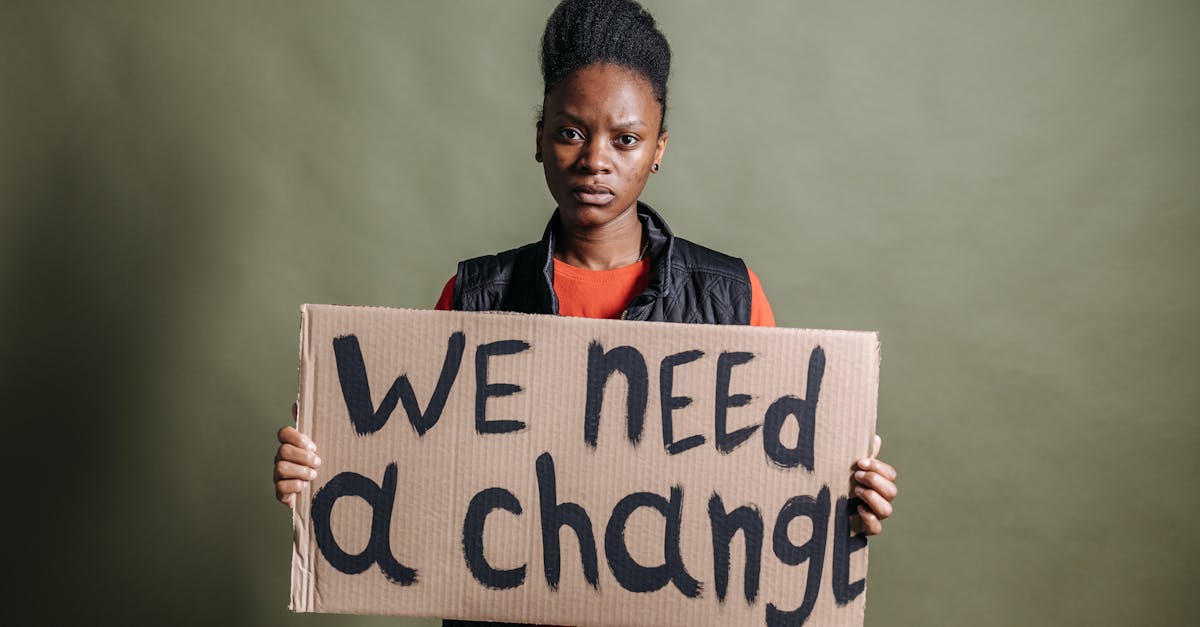

The socio-political context of Madagascar in 2026 is marked by increased citizen pressure and significant economic and security challenges, prompting President Andry Rajoelina to unveil an ambitious reform plan. Faced with harsh criticism and a tumultuous situation characterized by social unrest, the Head of State intends to combine firmness with civic engagement in order to reposition the country’s governance towards a perspective of sustainable development. His approach reflects a clear desire to meet the diverse expectations of a population seeking stability, while consolidating a leadership that must now move beyond mere rhetoric to implement concrete, equitable, and inclusive actions.Since the beginning of his second term, and despite the regular challenges that tarnish his image, Andry Rajoelina has consistently emphasized his determination to pursue a policy of structural reforms. The President’s stated aim is to reform national governance in order to improve the effectiveness of public action and restore citizens’ trust in their institutions. The strategic dimension of his plan is resolutely focused on economic and social development, notably by strengthening cohesion between the various components of the national fabric. A key player in this dynamic, he positions himself as a leader determined to guide Madagascar towards a new era, where stability and growth will be the fundamental pillars of a shared future.
Discover the major reforms shaping our society, their impacts, and the associated challenges for a better future.
Madagascar’s development in 2026 faces several key challenges. Among them, ensuring lasting political stability is a top priority. Given the socio-political crisis that has created a climate of uncertainty, President Rajoelina is emphasizing the implementation of a “renewed governance project” designed to foster trust. Combating corruption, improving transparency in public management, and modernizing institutions are central to this strategy. Social cohesion, weakened by repeated demonstrations and economic demands, must also be restored through a robust economic development project that unites all stakeholders in the private sector and local communities. Simultaneously, this implies a genuine reorganization of the State’s functions. The repression of unrest, such as that seen in recent demonstrations against water and electricity cuts, demonstrates the government’s commitment to maintaining order while simultaneously attempting to provide concrete solutions to the shortages fueling public anger. The response to the energy crisis, particularly through the overhaul of public energy policies, will be crucial in establishing a climate conducive to stability and sustainable growth. These efforts require a thorough reform of natural resource management, a strengthened fight against poor governance, and increased mobilization of various national institutions.
Discover the latest ongoing reforms and their impact on society, the economy, and public policy. Economic reforms at the heart of the presidential strategy. Economic reforms are a key driver for reviving development in Madagascar. The country’s ability to attract foreign investment depends largely on measures taken to improve the business environment. In his speeches, Andry Rajoelina emphasizes the importance of major reforms for 2025, which include simplifying administrative procedures, combating corruption, and improving tax transparency. Modernizing key sectors such as agriculture, energy, and tourism aims to make Madagascar an attractive platform for investors.
Economic reforms must also prioritize the integration of new technologies and the digitalization of public administration. Therefore, economic governance must evolve towards more efficient and equitable management, fostering the development of a dynamic and innovative private sector. Resource mobilization is essential, where financial innovation and the creation of tax incentives will be crucial to boosting growth. The goal remains to reduce dependence on international aid while consolidating a virtuous cycle of local development. Discover the major reforms transforming our society, their impacts, and the associated challenges for a better future. Security reforms: a central pillar in Andry Rajoelina’s plan.Public safety remains a fundamental issue for Madagascar, particularly in a context where social tensions fuel violence and destabilization. The recent meeting with the Defense and Security Forces, bringing together the police, the gendarmerie, and the army, served to reiterate their strategic role. The fight against organized crime, the deployment of resources to manage demonstrations, and the protection of vital infrastructure are all integral parts of the new security policy. The security challenges linked to the energy crisis further underscore the urgent need for profound reform. Addressing this situation requires the constant adaptation of security measures, while simultaneously strengthening trust in the institutions responsible for security.
essential condition
for political stability, economic growth, and improved living conditions throughout the country. Added to this is the need to undertake judicial reform to strengthen the rule of law and combat impunity. 🛡️ Security reforms and challenges: managing crises in the face of rumors of tensionMeanwhile, the circulation of rumors about corruption within the security forces themselves, including accusations of money being distributed in a barracks, is damaging the state’s image. The Ministry of the Armed Forces has firmly denied these reports, emphasizing the need to prevent the spread of fake news that could fuel mistrust. The stability of the security forces must remain a priority, as weakened trust could exacerbate already high social tensions.
With this in mind, the authorities are implementing communication and oversight strategies to reassure the population, while continuing to reform the chain of command and resource management. The priority remains ensuring a reassuring state presence, guaranteeing peaceful social dialogue, and maintaining national cohesion, even in the context of an acute security crisis.

Andry Rajoelina’s ability to maintain his legitimacy in the face of ongoing criticism demonstrates strong leadership. His recent address to the security forces and the population in Anosibe reiterated his commitment to strengthening governance and tackling the challenges that threaten national cohesion.
Read more about Andry Rajoelina’s policies.
The public statement in which he affirmed his responsibility for his decisions, even those contested, reflects a desire for transparency and accountability, essential for improving the difficult situation in the current context. Furthermore, Madagascar must also address challenges related to civil society and the expectations of its citizens. A balanced approach to managing popular aspirations and the responsibilities of the state requires attentive listening and the constant adaptation of reforms. The collective response must be structured around a clear national development plan, uniting the nation under transparent and committed leadership. The challenges of communication and national mobilization
Presidential communication plays a central role in Andry Rajoelina’s strategy to restore trust. Regularly disseminating information on reforms, actions taken to improve daily life, and the strengthening of institutions helps to better meet expectations and defuse criticism.
Citizen mobilization, particularly through social media and public gatherings, must continue to play a leading role in consolidating national consensus. Economic and Social Reforms: A Necessity to Overcome the Crisis
Aspect
Main ObjectivesKey ActionsInfrastructure
Improving connectivity and facilitating trade Road renovation, creation of economic zonesEnergy
Securing electricity supply
Investments in renewable energy plantsTourismReviving the sector and creating jobs
International promotion, development of heritage sites
| Health & Education | Improving access to and quality of services | Modernization of facilities, staff training |
|---|---|---|
| The main levers for inclusive development | For these economic reforms to bear fruit, an inclusive approach must be adopted, integrating marginalized populations at the heart of the system. Reducing inequalities, creating jobs, and ensuring access to essential services are all levers for balanced growth. The active participation of young people, particularly through digital youth initiatives or Generation Z in power, is becoming strategic for building a resilient society ready to meet the challenges of tomorrow. | |
| Training initiatives, access to technology, and a social inclusion policy are integral parts of the government’s strategy. The prospect of an innovative and thriving Madagascar also depends on the reforms’ ability to foster national cohesion, social stability, and shared prosperity. | Frequently Asked Questions about Andry Rajoelina’s Reforms and Their Impact | |
| What are the main reforms planned by Andry Rajoelina for 2026? | The priority reforms concern governance, the economic sector, security, and infrastructure. They aim to modernize the state, strengthen transparency, and stimulate sustainable growth. | |
| How do these reforms address criticism and the social crisis? | The president emphasizes transparent governance, regular communication, and a commitment to concretely meeting citizens’ expectations in order to pacify the social climate. | What are the main challenges for Madagascar in implementing these reforms? |
The main challenges include managing social tensions, combating corruption, securing resources, and mobilizing international partners.
What impact can be expected from the economic reforms on the population? Improved access to employment, modernized public services, and inclusive growth capable of reducing inequality and strengthening social cohesion.How can strengthened governance stabilize Madagascar?Balanced, transparent, and effective governance is essential to restoring trust, ensuring political stability, and promoting coherent development throughout the country.
🔗 Sources & références
Pour aller plus loin, consultez les sources citées dans cet article :
- Economic reforms are a key driver for reviving development in Madagascar. The country’s ability to attract foreign investment depends largely on measures taken to improve the business environment. In his speeches, Andry Rajoelina emphasizes the importance of major reforms for 2025, which include simplifying administrative procedures, combating corruption, and improving tax transparency. Modernizing key sectors such as agriculture, energy, and tourism aims to make Madagascar an attractive platform for investors. — madagascar-tribune.com
- Key Actions — rfi.fr
Découvrez notre guide complet — destinations, budget, visa, faune et conseils pratiques pour préparer votre voyage.

📖 Vous aimerez aussi

Transition à Madagascar : la société civile et la Génération Z face aux doutes sur le « Programme de la Refondation »
3 March 2026
Fermeture de l’aéroport de Dubaï : chaos et désarroi chez les voyageurs bloqués
2 March 2026


