
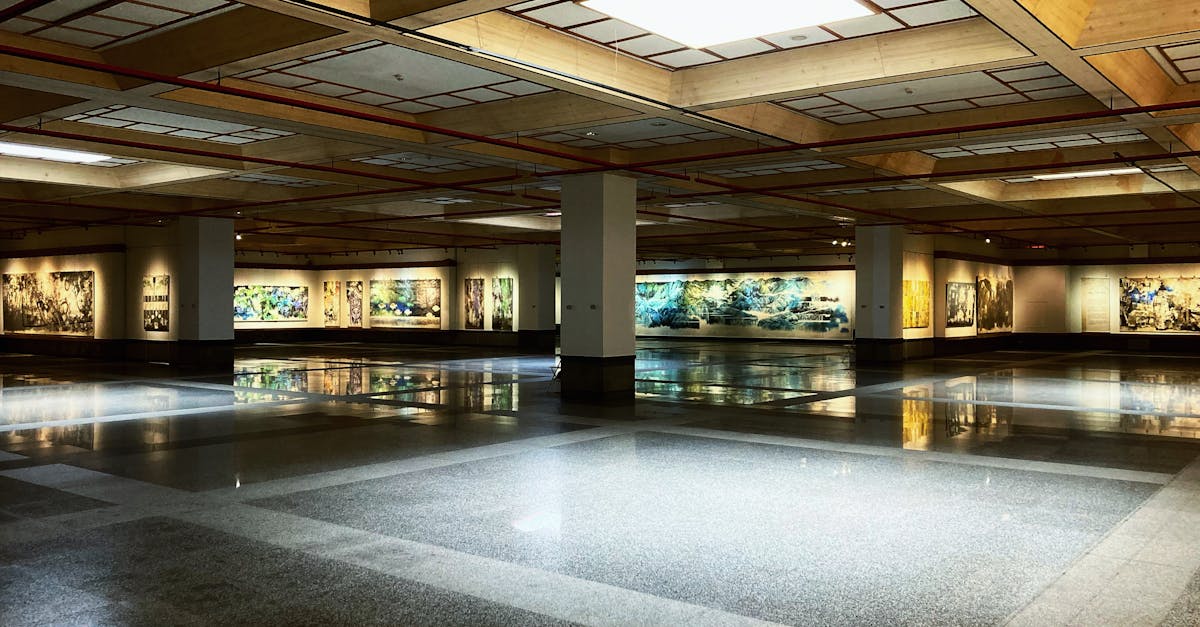

Antananarivo, the dynamic capital of Madagascar, lies at a strategic crossroads between tradition and modernity. By 2026, the city will establish itself as a true hub of artistic creativity and intercultural dialogue, thanks to the emergence of a space dedicated to painting, art, and cultural exchange. This ambitious project addresses a fundamental need: to preserve and enhance heritage while fostering local and international artistic expression. The creation of this exceptional space is a crucial step in consolidating a vibrant cultural identity, capable of overcoming modern challenges, while encouraging collective commitment to sustainable development. In the face of a constantly evolving society, this space becomes a catalyst for innovation, where artists, visitors, and cultural stakeholders converge to share a common passion: creativity. The city of Antananarivo, rich in traditions, thus inspires a new dynamic by shaping a place that, beyond aesthetics, embodies a true lever for social cohesion and the promotion of Madagascar’s indelible heritage.
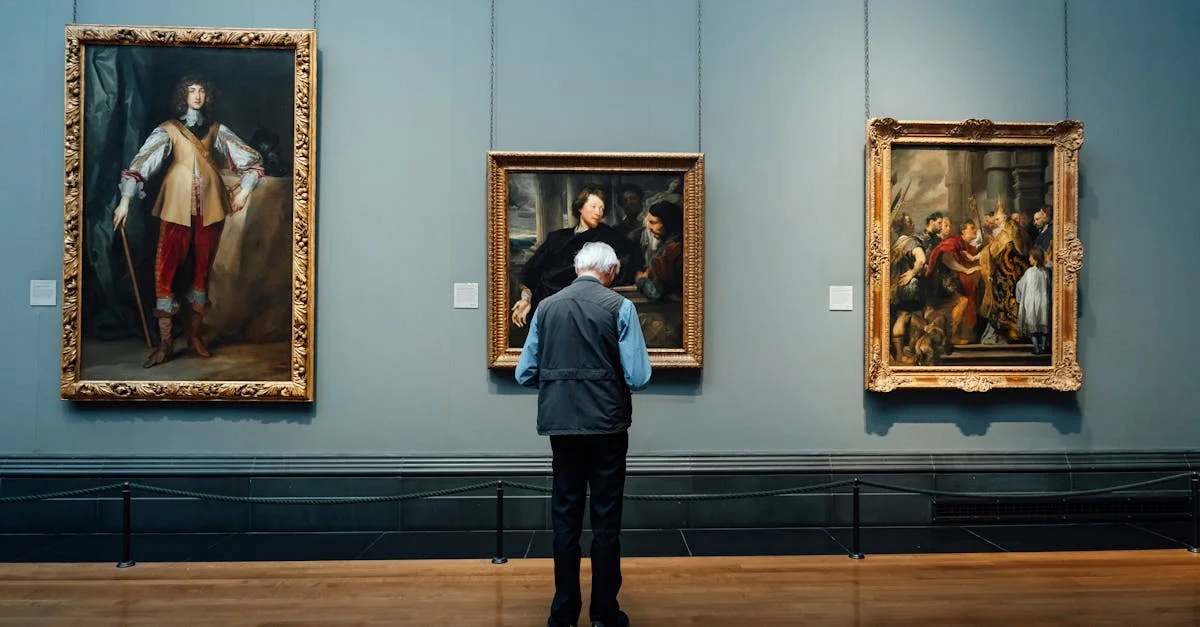
Discover our art gallery showcasing a unique collection of contemporary and classical works, ideal for art lovers and collectors.
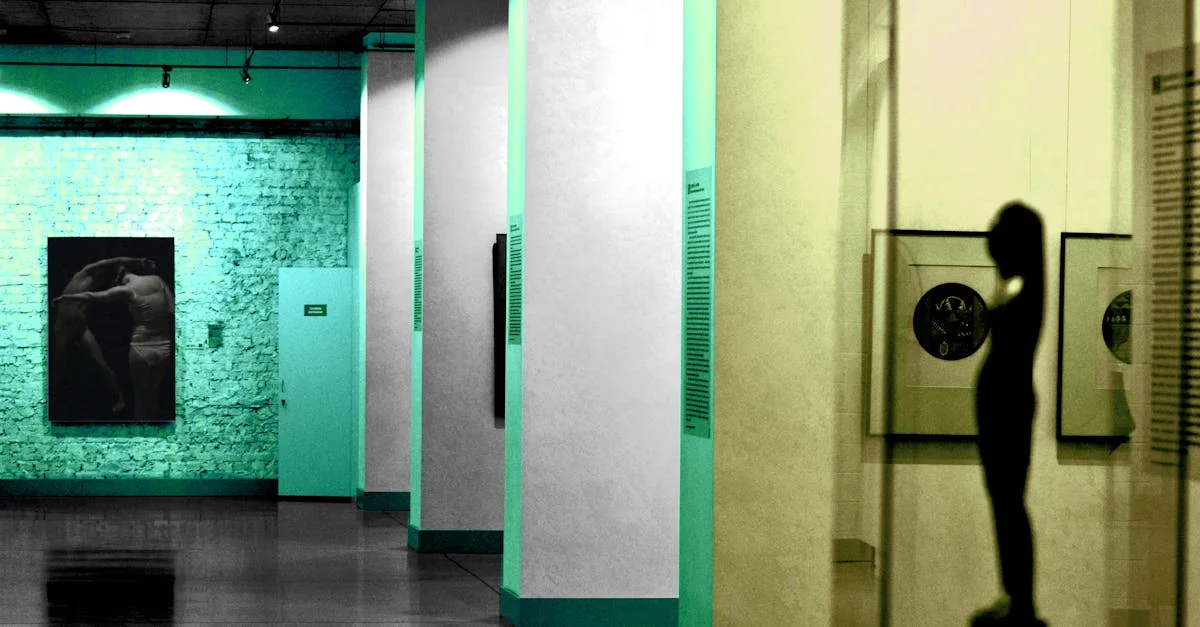
This new space dedicated to painting and cultural exchange reflects a firm commitment to transforming Antananarivo’s artistic landscape, while fostering greater recognition of local and international talent. Its architecture, carefully designed to symbolize the harmony between past and present, blends traditional Malagasy elements with contemporary lines. The primary objective is to offer a space accessible to all, where the democratization of art becomes a priority. In addition to hosting permanent and temporary exhibitions, this gallery aims to be a central hub for artistic and educational activities, a true cultural crossroads where artists, students, tourists, and residents meet. The richness of Malagasy art, as well as Madagascar’s international influence, find fertile ground here to fully express itself. Therefore, this project constitutes a vehicle for cultural influence whose impact extends far beyond mere aesthetic enhancement, representing a decisive step in broadening the cultural debate in the African region, estimated at around 300 million inhabitants.
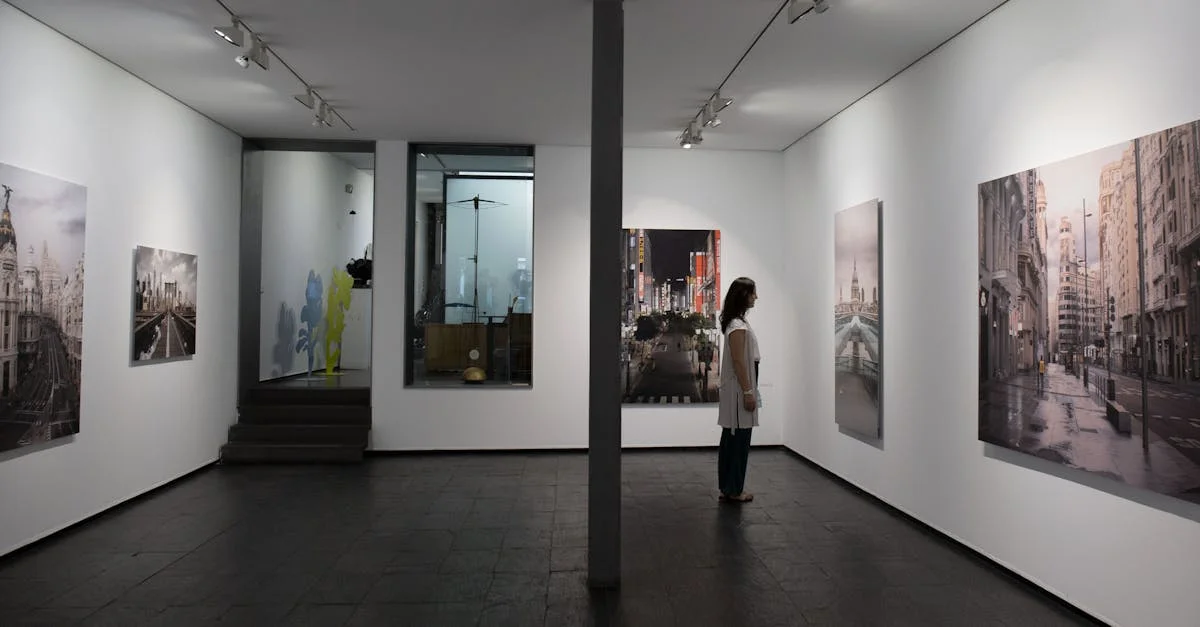
The challenges and opportunities associated with the emergence of a space dedicated to painting in Antananarivo
In a context where the economic and social situation in Madagascar remains complex, the creation of a space specializing in painting and cultural exchange might seem audacious. However, this approach is proving essential to revitalizing the art scene, which is often confronted with alarming precarity. By promoting training, visibility, and cooperation among artists, this space becomes a valuable platform for building a more resilient cultural industry, capable of generating a positive economic impact. According to a recently published study, the art sector in the region could generate up to €150 million per year by 2026 if appropriate policies are implemented. Furthermore, this project paves the way for a richer tourism sector, particularly through the organization of events, guided tours, and residencies for foreign artists. Diversifying art-related revenue is therefore a promising avenue that could help reduce Madagascar’s dependence on traditional sectors, while protecting its cultural heritage from all forms of neglect or deliberate oblivion.
Discover our art gallery showcasing a unique collection of contemporary and classical works, for all art enthusiasts.
Flagship exhibitions and workshops promoting cultural diversity in painting in Antananarivo
This innovative venue offers a rich and varied program that highlights artistic diversity. Among the most anticipated events are exhibitions showcasing the fusion of traditional Malagasy art and modern expressions, as well as thematic workshops that bring together local artists and international guests. These activities aim to broaden the creative spectrum and foster dialogue between different cultures through painting, sculpture, and other visual forms. Temporary exhibitions offer the opportunity to host artists from several continents, contributing to a vibrant cultural scene. The range of initiatives also includes artist residencies, which encourage mobility and the exchange of ideas, particularly with Francophone countries that, like Madagascar, value their heritage while innovating. These events also help to raise awareness and mobilize young people, allowing them to access art as a vehicle for identity and social change.
- The positive impact on the Malagasy art scene and the local community is significant.
- The creation of this cultural space revitalizes the Malagasy art scene while consolidating its recognition on an African and global scale. By offering a permanent showcase, it allows the younger generation of artists to gain exposure, promote their work, and access new professional opportunities. Furthermore, the event is part of a broader community development strategy, actively involving residents, notably through free workshops, meetings with artists, and educational visits. The stimulation of local creativity translates into an increase in the number of exhibitions in other regions of Madagascar, thus reinforcing the promotion of art as a tool for social integration. The city also benefits from increased tourism, linked to the promotion of Malagasy cultural heritage, contributing to a better understanding of social and identity issues, as well as enhanced international recognition thanks to established collaborations with foreign institutions.
- Collective engagement and sustainable development through painting and cultural exchange in Antananarivo
- For this project to bear fruit in the long term, it is vital to foster a collaborative dynamic involving authorities, artists, educational institutions, and citizens. Implementing strategies for sustainable development, integrating environmental awareness, heritage preservation, and the promotion of diversity, forms the foundation for balanced growth. This approach is based on an inclusive logic, where the active participation of residents fosters a sense of belonging and collective pride. Furthermore, promoting an authentic local artistic culture that respects the environment will be essential to ensuring the sustainability of the site and its activities. Training also plays a central role, equipping Madagascar’s youth with artistic and intercultural skills, enabling them to find their place in a globalized world. To this end, partnerships with universities, such as the University of Antananarivo, particularly through arts training programs, will prove indispensable in strengthening this dynamic.
- Future prospects and investment to promote Malagasy painting internationally.
Envisioning 2026 as a pivotal year, the future of this initiative hinges on increased investment in training, promotion, and international cooperation. Cultural globalization opens new opportunities, allowing Malagasy artists to access wider markets while remaining true to their identity. Participation in international art fairs, biennials, and exhibitions will strengthen Madagascar’s visibility as a key player in the African art scene. Establishing partnerships with foreign cultural organizations, as well as regularly hosting international events in Antananarivo, will be essential for promoting Malagasy painting. Securing public and private funding, particularly through European grants and exchange programs, will also be crucial. Beyond mere recognition, this international exposure will enable Madagascar to champion its cultural richness while offering a fresh perspective on African art within a globalized context.
List of key actions to ensure the project’s sustainability 👩🎨 Development of international partnerships with cultural institutions
🎯 Regular organization of artistic events and exhibitions
🌱 Integration of ecological practices into the design of spaces
🎓 Artistic training programs for local youth
🤝 Collaboration with local manufacturers and artisans to promote Malagasy craftsmanship
Challenges to overcome for the sustainable promotion of Malagasy painting and culture in Antananarivo
This ambitious project, however, faces several obstacles to achieving its objectives. The financial insecurity of local artists, the lack of specialized educational facilities, and sometimes a lack of national recognition, are real impediments to the sector’s vitality. Furthermore, the difficulty in establishing constructive dialogue between diverse communities and preserving traditional artistic forms in a globalized world raises the question of the balance between innovation and authenticity. The vulnerability of cultural heritage to environmental risks and degradation, particularly in an uncertain climate, underscores the need to integrate a dimension of sustainable development and heritage management now. Finally, the implementation of a genuine collective commitment requires effective governance, capable of uniting all stakeholders around a common project that respects cultural and environmental values.
What are the main objectives of this new cultural space in Antananarivo? It aims to promote painting, foster cultural exchange between local and international artists, and celebrate Malagasy heritage, thereby strengthening social cohesion and enhancing Madagascar’s international profile.
How might this initiative influence the local art scene?
By offering a platform for exhibition, training, and exchange, this space facilitates the visibility of Malagasy artists, stimulates local creativity, and paves the way for international collaborations, thus fostering a more dynamic artistic ecosystem.
What are the main challenges related to the implementation of this project? Among them are the financial insecurity of artists, the lack of specialized educational structures, the need to preserve cultural authenticity in the face of globalization, and the sustainable management of artistic heritage in the face of environmental risks.
🔗 Sources & références
Pour aller plus loin, consultez les sources citées dans cet article :
Découvrez notre guide complet — destinations, budget, visa, faune et conseils pratiques pour préparer votre voyage.

📖 Vous aimerez aussi

Transition à Madagascar : la société civile et la Génération Z face aux doutes sur le « Programme de la Refondation »
3 March 2026
Fermeture de l’aéroport de Dubaï : chaos et désarroi chez les voyageurs bloqués
2 March 2026


