
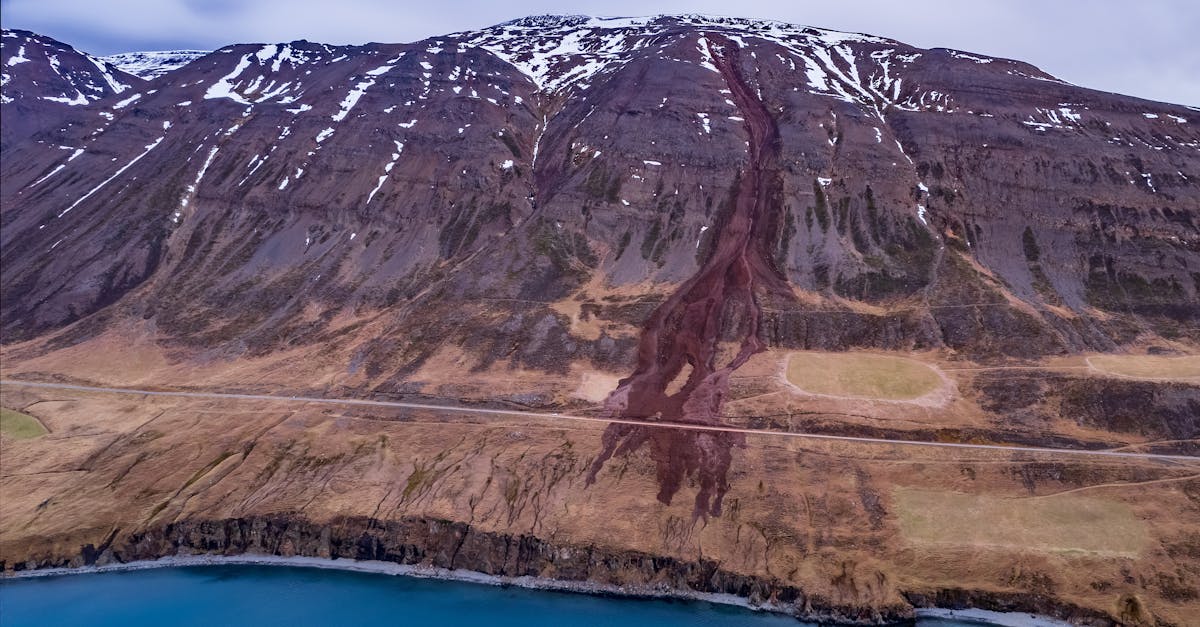

Imminent threat of landslide in Antananarivo: a major challenge to the safety of homes in the high-rise neighborhoods
In 2026, Madagascar’s capital, Antananarivo, is facing a humanitarian and environmental crisis that can no longer be ignored. The threat of a natural landslide looming over nearly 1,500 homes in the city illustrates the gravity of the situation. These houses, located primarily in hilly neighborhoods such as Ankadilàlana, Ambohipotsy, and Faliarivo Ambanidia, are exposed to an imminent risk, exacerbated by persistent rainfall and increasing soil erosion. For several years, these areas have been considered high-risk, but 2026 marks an alarming intensification of the threat, making emergency evacuation essential to prevent a catastrophe with devastating consequences. The degradation of rock formations, combined with uncontrolled urbanization and insufficient preventative measures, further aggravates this precarious situation. If no concrete action is taken quickly, the probability of a major landslide, potentially resulting in loss of life and irreversible material damage, increases considerably. The need for heightened vigilance, coupled with local and national response, has therefore become a top priority for the stability of the capital. The population, faced with this tangible threat, must be made aware of the situation to encourage preventative evacuations and the implementation of sustainable safety measures. The challenge now lies in effectively managing the impending disaster to prevent a devastating scenario. The situation in Antananarivo, reflecting its vulnerability to natural hazards, requires a major mobilization of all relevant agencies, particularly to limit the human and material toll of this imminent crisis.
Key figures and at-risk neighborhoods: a detailed overview of the crisis in Antananarivo
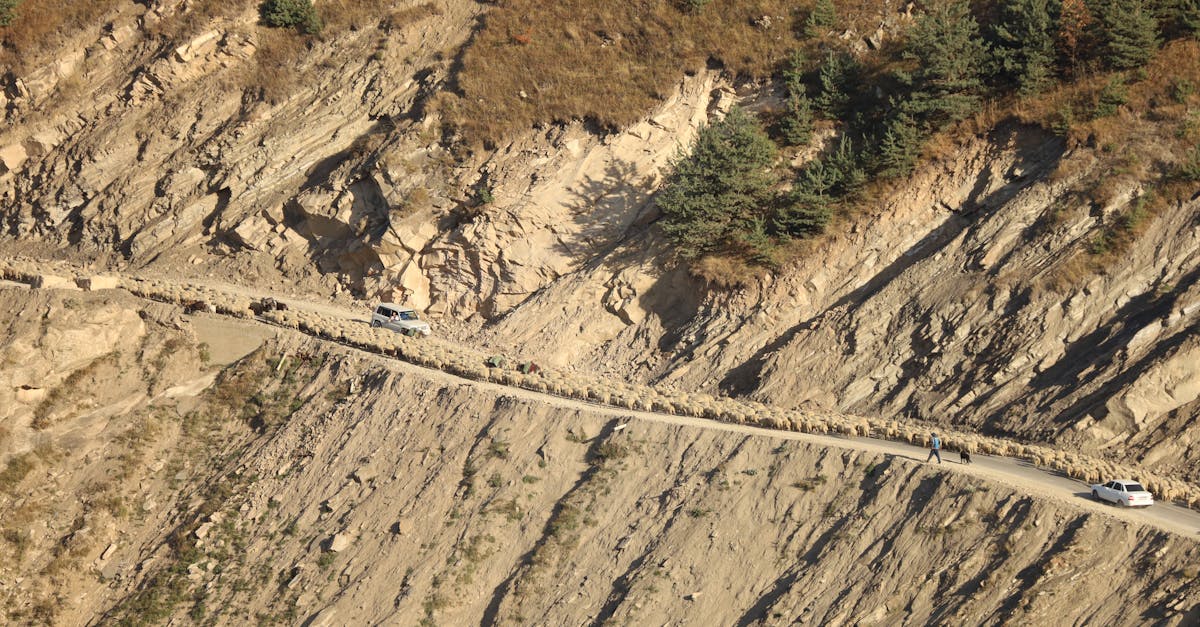
According to data recently published by the National Office for Risk and Disaster Management (BNGRC), 1,490 houses located on Manjakamiadana Hill, particularly in the neighborhoods of Ankadilàlana, Ambohipotsy, Faliarivo Ambanidia, Ankazotokana Ambony, Andafiavaratra, and Ambohitsiroavana, are threatened by an imminent landslide risk. These areas, situated on the western and eastern slopes of the hill, are directly exposed to the amplified effects of seasonal rainfall and accelerated soil erosion. The precise number of high-risk homes is 410, spread across several vulnerable areas, with houses already weakened by constant humidity and natural erosion.
| The table below illustrates the distribution of potentially at-risk households: | Neighborhoods | Number of threatened households | High-risk dwellings |
|---|---|---|---|
| Proportion of weakened structures | Ankadilàlana | 📍 250 | 130 |
| 90% | Ambohipotsy | 📍 300 | 170 |
| 85% | Faliarivo Ambanidia | 📍 200 | 110 |
| 78% | Ankazotokana Ambony, Andafiavaratra & Ambohitsiroavana | 📍 740 | 320 |
70%
Aggravating factors: a combination of natural and human-induced phenomena.
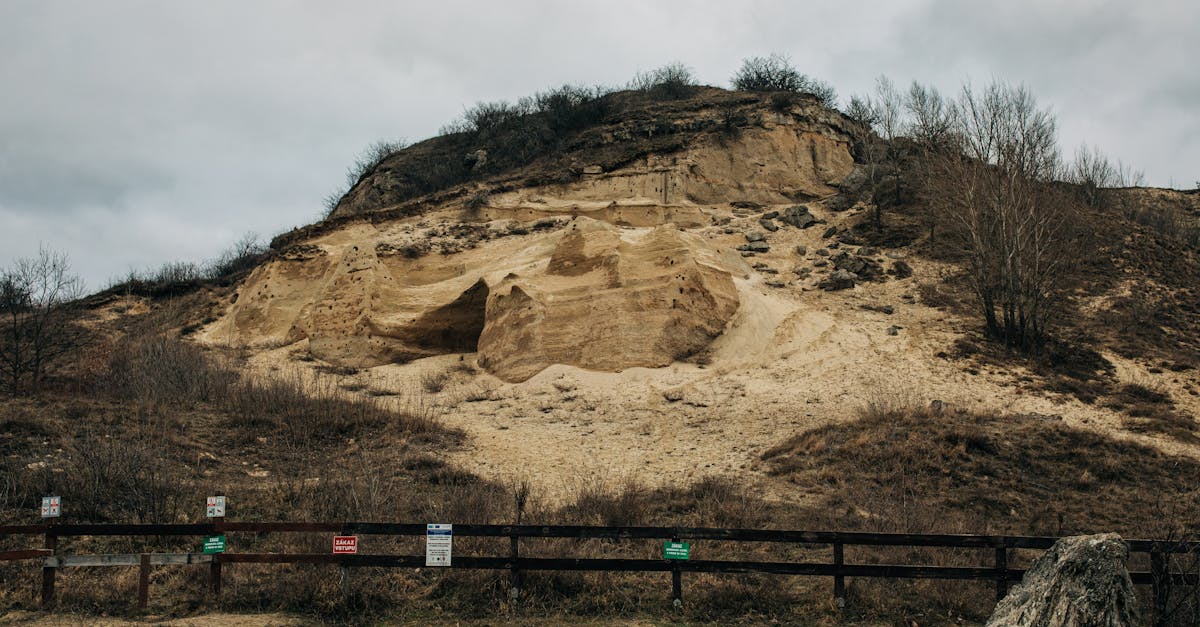
Weather conditions play a crucial role in the deterioration of the geological stability of at-risk areas. With the persistent rainy season, a significant amount of water accumulates in the soil, further weakening its cohesion. The violent storms recorded in recent days act as a catalyst, increasing the likelihood of rockfalls or sudden landslides. At the same time, the lack of effective preventative measures exacerbates the situation.
Rapid population growth, coupled with uncontrolled urbanization, has led to the construction of houses in naturally unstable areas, often without strict oversight. The lack of environmental regulations and weak supporting infrastructure, particularly in terms of retaining walls and drainage, continue to render these neighborhoods vulnerable. The case of Manjakamiadana Hill perfectly illustrates this process. The recent identification of some twenty cracked rocks, likely to collapse in the event of an impact or overload, highlights the imminence of a major risk. The erosion of rock formations poses an immediate and serious threat, especially in the event of a sudden natural phenomenon such as lightning or an earthquake. Strengthening prevention measures is therefore crucial to avoid a repeat of past tragedies.
Responding to the emergency: prevention strategies and evacuation measures to implement now.
Faced with this ongoing threat, the government, in collaboration with the National Bureau for Risk and Disaster Management (BNGRC), has initiated emergency actions to prevent a disaster. The implementation of effective preventative measures, such as the installation of safety barriers and the stabilization of land, is essential to reduce the vulnerability of threatened areas. An increased awareness campaign, notably through the Georisques portal and the dissemination of alert messages via sonic drones, aims to encourage residents to evacuate in the event of imminent danger. The authorities have also planned for the emergency evacuation of high-risk neighborhoods. Rescue teams equipped with specialized equipment have been deployed to assist residents and provide them with temporary shelter if necessary. Coordination between local services, the prefecture, and the police is essential to ensure the effective management of evacuation facilities and the securing of at-risk areas.
Furthermore, evacuation training and simulations are being conducted to prepare the population to act quickly in the face of a disaster. Awareness campaigns must also include strict guidelines to prevent uncontrolled construction in these critical areas, while emphasizing the importance of responsible and environmentally friendly urban planning. Prevention remains the only way to limit the severity of the potential disaster.
Lessons from the past and the need for a sustainable security policy in Antananarivo
The landslides on Manjakamiadana Hill in previous years have left painful scars on the collective memory. In 2018 and 2019, several landslides caused loss of life and major material destruction, particularly in the most vulnerable neighborhoods. Despite these tragic events, the repetition of poor urban planning practices and the lack of concrete prevention measures further illustrate the shortcomings in risk management in Antananarivo.
It appears that ad hoc initiatives, such as the installation of red flags or the evacuation of families, have not been sufficient to halt the downward spiral. Today, priority must be given to an integrated policy, uniting all stakeholders around a common project: the sustainable protection of vulnerable neighborhoods. It is crucial to strengthen urban planning legislation, improve infrastructure, and promote environmentally responsible urban growth.
These experiences must also foster collective awareness, so that safety becomes a central concern in all urban planning, lest these tragedies be repeated. Resilience in the face of natural hazards requires a concerted approach and strong political will. Prevention must no longer be seen as an option, but as an obligation to guarantee the future stability of Antananarivo.
List of essential measures to prevent disasters in at-risk areas of Antananarivo:
- 🔧 Reinforce retaining walls and effectively drain rainwater
- 🚨 Implement an early warning system to quickly alert the population
- 🌱 Promote sustainable urban development and limit construction in vulnerable areas
- 📚 Raise public awareness about risks and appropriate behaviors in case of emergency
- 🛑 Prohibit non-compliant construction in high-risk neighborhoods
It is imperative that these actions be accompanied by rigorous monitoring to guarantee their long-term effectiveness. Prevention would be doomed to failure if it remained at the stage of mere recommendations. The situation in Antananarivo, where threatened homes risk suffering a devastating natural landslide, underscores the need for immediate collective action to prevent another disaster. Rock formations and their role in the landslide threat in Antananarivo The geological formations of the Antananarivo region play a central role in increasing the risk of landslides, particularly due to the presence of fractured and unstable rocks. The fragility of these formations, combined with their elevated position, creates a situation where even a single impact can trigger a massive collapse. The case of Manjakamiadana Hill is a clear illustration, where boulders weighing several tons directly threaten the neighborhoods below.
Natural degradation, exacerbated by erosion, promotes the creation of deep fissures, which represent significant potential hazards during extreme weather conditions. Increased monitoring of these formations by geologists, as well as the implementation of precise monitoring systems, must be an integral part of the prevention strategy. A thorough understanding of this geological heritage is essential for anticipating and effectively managing risks at the local, regional, and national levels.
The challenges of robust prevention in the face of Antananarivo’s geological vulnerability
Antananarivo’s geological vulnerability poses a major challenge to public safety. The combination of unstable soils, fractured rock formations, and a persistently rainy climate necessitates a profound transformation of intervention strategies. Prevention must be based on a multidimensional approach, integrating in-depth geotechnical studies, regulated urban planning, and public awareness campaigns.
This involves establishing a precise assessment of the situation, followed by the development of realistic intervention plans tailored to each vulnerable area. Implementing land stabilization programs, creating evacuation zones, and training emergency personnel are all key levers for reducing vulnerability. Urban resilience now depends on the authorities’ ability to anticipate, prepare for, and respond to these risks, which are becoming increasingly pronounced due to climate change and uncontrolled urbanization.
| Aspect | Description | Key Steps |
|---|---|---|
| Understanding the Geology | In-depth studies of rock formations and fragile soils | Mapping, monitoring, partner analyses |
| Strengthening the Infrastructure | Installation of retaining walls and appropriate drainage | Work, constant monitoring, maintenance |
| Raising Awareness and Training | Information campaigns and evacuation simulations | Workshops, local communication, drills |
| Implementing an Alert System | Modern techniques to warn the population | Technical resources, training, regular testing |
Risks related to unstable rock formations and their immediate threat to Antananarivo
Rock formations with fissures and deformations pose an imminent danger, especially during extreme weather events. These blocks, located in high-altitude areas, can suddenly give way, triggering rockfalls that devastate everything in their path. The fragility of the rocks, often exacerbated by erosion or a single impact, requires constant vigilance. Managing these risks must include sophisticated geological monitoring, the installation of early warning systems, and stabilization measures. Recent history is replete with examples where a single weather event was enough to cause these formations to collapse, with tragic consequences for the neighborhoods below. Prevention must also include strict regulations on construction in the immediate vicinity of these formations to prevent any worsening of the situation.
Strengthened coordination among stakeholders for an effective response to the crisis in Antananarivo
The complexity of the landslide threat in Antananarivo demands exemplary coordination among all stakeholders involved. The prefecture, the National Bureau for Risk and Disaster Management (BNGRC), the police, local services, and NGOs must work together for a coherent and effective crisis management strategy. Establishing an emergency operations center, equipped with sufficient logistical and human resources, is an essential step.
Communication strategies also play a key role in prevention. Public awareness campaigns, both local and digital, must emphasize the importance of following evacuation orders and reporting any suspicious activity or signs of geological instability. Ongoing training for rescue teams, along with regular simulations, will strengthen the response capacity in the event of a disaster.
Only a coordinated collective effort, integrating prevention, preparedness, and immediate response, will significantly reduce the human toll in the event of a landslide. The resilience of Antananarivo, in the face of its geological vulnerabilities, must become a national priority. Implementing these concrete measures is an essential step to preserving the lives of its inhabitants and the stability of the entire territory.
🔗 Sources & références
Pour aller plus loin, consultez les sources citées dans cet article :
Découvrez notre guide complet — destinations, budget, visa, faune et conseils pratiques pour préparer votre voyage.

📖 Vous aimerez aussi

Transition à Madagascar : la société civile et la Génération Z face aux doutes sur le « Programme de la Refondation »
3 March 2026
Fermeture de l’aéroport de Dubaï : chaos et désarroi chez les voyageurs bloqués
2 March 2026


