


Severity and Impact of the Two Earthquakes Detected in Antananarivo This Thursday and Last Night
The recent seismic tremors that struck Madagascar, particularly near Antananarivo, highlight a complex and worrying geological situation. Despite relatively low magnitudes, pointing to moderate seismic activity, these successive earthquakes highlight an underlying dynamic that merits increased attention from authorities and citizens. On Thursday, an earthquake with an estimated magnitude of 3.7, according to the Antananarivo Geophysical Institute (see more), was recorded around 1:30 p.m., followed by a second of 2.8, on Friday night at 2:45 a.m. These two events were felt in several neighborhoods of the capital, causing increased anxiety and concern about the geological stability of the region. Although these tremors caused no damage or loss of life, their sequence and geographical proximity to the epicenter, located in the Analamanga district, reflect a worrying trend. Despite their moderate intensity, these earthquakes nonetheless highlight the need to strengthen local seismic detection and adjust prevention measures to better anticipate potential more powerful events. The situation should not be taken lightly, as this seismic activity, although isolated, reflects a geological phenomenon that could evolve. The juxtaposition of these events with the seismic history of Madagascar, which is not located on an active ridge but regularly experiences tremors, raises a wall of questions about the future risks faced by the capital and its surrounding areas. Find out everything about earthquakes: causes, magnitude, prevention, risk areas, and safety tips to prepare and respond effectively.Geological characteristics and risk areas in Antananarivo in the face of recent earthquakesAntananarivo, a capital known for its relative stability in the face of Madagascar’s seismic activity, is nevertheless facing increasing activity that could call this perceived stability into question. The two earthquakes detected this Thursday and last night both had epicenters located in the immediate vicinity of the city, in the Analamanga district, an area where geological activity is currently causing serious concern. The shallow depth of these tremors, estimated at only 1 km and 4 km respectively, increases their perceptibility and the perception of danger among the local population. This phenomenon prompts reflection on the geological nature of this metropolitan region, which is not classified as being on a traditional seismic ridge, but which could still experience significant disturbances. The constant movement of the Earth’s crust in this area, combined with the potential presence of as-yet-unidentified faults, contributes to this “unexpected” but now regular seismic activity. Factors that increase this vulnerability also include:
Soft, clayey soils amplifying the sensation of tremors; 🌍

A lack of early warning systems in the event of a major earthquake; 🚨
High reconstruction costs if a more powerful earthquake occurs in this densely populated region; 💸
Discover the causes, impacts, and preparedness measures for earthquakes, with maps, safety tips, and real-time news.
Technical Analysis and Study of the Seismic Detection Performed During the Two Tremors
- As part of ongoing monitoring, the seismic detection of these two earthquakes enabled several key observations to be made. The precise location of the epicenter, as well as the shallow relative depths, indicate local seismic activity that has been potentially underestimated until now. According to the official website of IOGA (Institute of Geophysical Observation of Antananarivo), these two events were recorded using a network of sophisticated sensors, thus creating a precise map of Earth movements in the region. Characteristics
- Details
- First earthquake
- 📍 Epicenter: Analamanga (4 km from the capital)
🔍 Depth: 4 km
Second earthquake
| 📍 Epicenter: Same area, near the surface | 📏 Magnitude: 2.8 |
|---|---|
| 🔍 Depth: 1 km | Regarding detection, several elements are worth highlighting: Use of state-of-the-art sensors to capture minimal vibrations; 🎯 Automatic alert system triggered immediately; ⏱️ |
| Real-time data analysis to identify any abnormal seismic signals; 📊 | Comparative analysis with past earthquakes to establish trends; 🔍 These measurements illustrate the Malagasy scientific community’s ability to continuously monitor and analyze seismic activity around Antananarivo. The persistence of this monitoring, coupled with technological developments, should facilitate a faster response in the event of a major earthquake. However, these recent events raise questions about the true nature of seismic activity in the region, which requires further study to better understand the risks. Everything you need to know about earthquakes: causes, risk areas, real-time maps, the latest earthquakes, and safety tips for preparing and responding. |
Implications for safety and preparedness in the face of increased seismic activity in Madagascar
- Faced with repeated earthquakes, even of low magnitude, the need to adapt and strengthen the preparedness of the population and infrastructure becomes imperative. Madagascar must consider a comprehensive approach, integrating prevention, education, and improving warning systems. These two tremors, which did not cause any significant deaths or destruction, must nevertheless be seen as a wake-up call for all those living in the capital and its surrounding areas.
- It is essential that the authorities implement concrete actions, such as:
- Strengthening building standards in accordance with international recommendations; 🏢
- Implementing an effective seismic warning system at the urban level; 🚨
Regularly organizing evacuation simulations; 📋
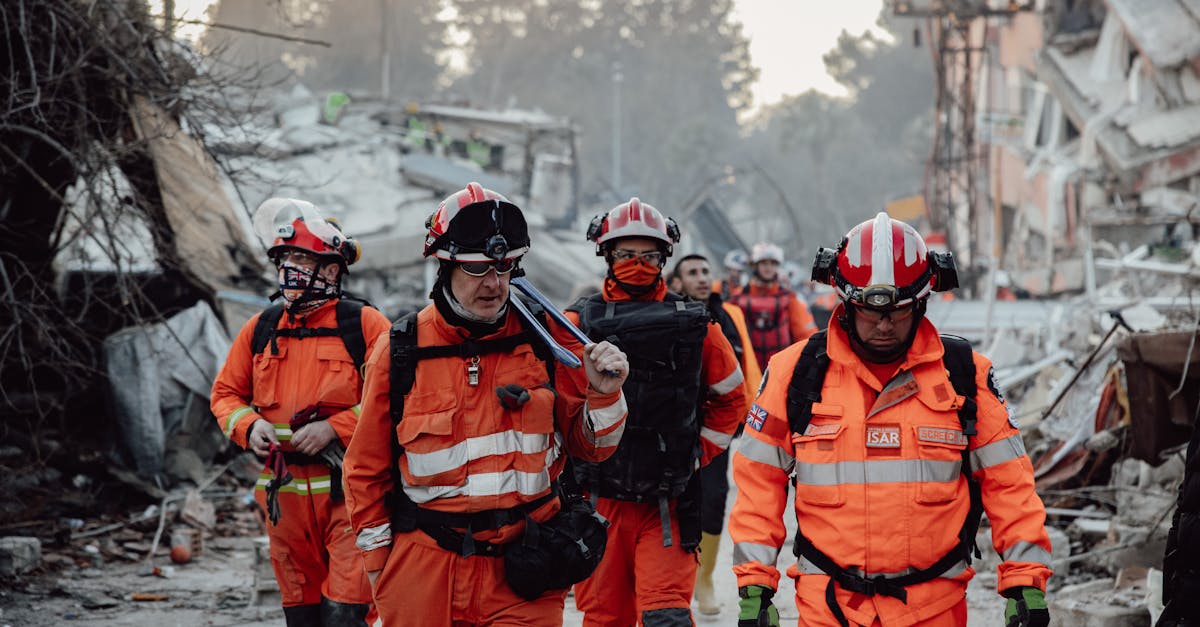
Continuing training for rescue teams and first responders; 👩🚒👨🚒
The role of education in local resilience is crucial to overcoming this situation. Raising awareness through regular programs could ultimately reduce collective vulnerability to these phenomena. Cooperation with the international community, through specialized organizations, could also help broaden the national debate on seismic risk management and lead to sustainable measures.
Outlook and Prevention: How Madagascar Can Anticipate an Increase in Seismic Activity
- Recent events confirm that Madagascar, despite moderate seismic activity, must intensify its monitoring, prevention, and preparedness efforts. If the trend toward epicenters moving closer to the capital continues, the fragility of buildings and human vulnerability could make these low-magnitude tremors a precursor to more serious disasters.
- To achieve this, several strategic areas must be strengthened:
- Investing in advanced seismic detection technologies; 🔬
- Strengthening legislation on earthquake-resistant construction; 🏗️
- Developing a national warning system accessible to all; 📱
Most widely training the population on how to respond to tremors; 🧠
Expanding the monitoring network to cover the entire territory of Madagascar; 🌍
Collective awareness, supported by increased vigilance, would be key to limiting future damage. Implementing these measures requires national mobilization and enhanced international cooperation, particularly with organizations with expertise in geological risk management.
Institutional Activities and Responses to the Recent Earthquakes in Antananarivo
- The Malagasy authorities, aware of the potential for disasters that increased seismic activity can pose, responded quickly by intensifying monitoring and alerting emergency services. The official statement emphasizes that, to date, no serious damage has been reported. However, these events provided an opportunity to reiterate that reducing seismic risks requires continued mobilization and the adaptation of public policies in urban planning.
- According to sources close to the Ministry of the Interior, several measures have been taken, including:
- Strengthening critical infrastructure in Antananarivo; 🏛️
- Organizing emergency meetings with local authorities; 📝
- Developing a collective response plan in the event of a major earthquake; 📌
Supporting citizen awareness initiatives; 🤝
Strengthening coordination with international agencies; 🌐
The challenge now lies in sustaining these actions and integrating earthquake prevention into urban planning. Madagascar’s vulnerability to this natural threat must therefore be the subject of a collective commitment for the safety of future generations. Vigilance must remain essential, as the threat has not disappeared, and each tremor should remind us of the importance of adopting a proactive stance in the face of geological uncertainty.
Frequently asked questions about earthquakes in Madagascar and their management
- What are the main seismic risks in Madagascar?
- Although Madagascar is not located on a major tectonic ridge, it experiences regular seismic activity, with weak to moderate tremors. Increased vulnerability stems in particular from inappropriate urban development and fragile infrastructure.
- How can we effectively prepare for earthquakes?
- It is crucial to understand the basic principles to reduce risk: secure your home, understand evacuation procedures, and seek information through official channels. Community awareness and regular simulation strengthen local resilience.
- What measures are the authorities taking to address this seismic activity?
The Malagasy authorities have launched an integrated strategy including continuous monitoring, improved warning systems, legislation for earthquake-resistant buildings, and awareness campaigns to effectively prepare the population.
Is there a link between these recent tremors and greater future risks?
Recent events tend to confirm a worrying trend that could herald an intensification of seismic activity. Understanding these links requires in-depth study and renewed vigilance.
Source:
la1ere.franceinfo.fr
🔗 Sources & références
Pour aller plus loin, consultez les sources citées dans cet article :
Découvrez notre guide complet — destinations, budget, visa, faune et conseils pratiques pour préparer votre voyage.

📖 Vous aimerez aussi

Transition à Madagascar : la société civile et la Génération Z face aux doutes sur le « Programme de la Refondation »
3 March 2026
Fermeture de l’aéroport de Dubaï : chaos et désarroi chez les voyageurs bloqués
2 March 2026


