
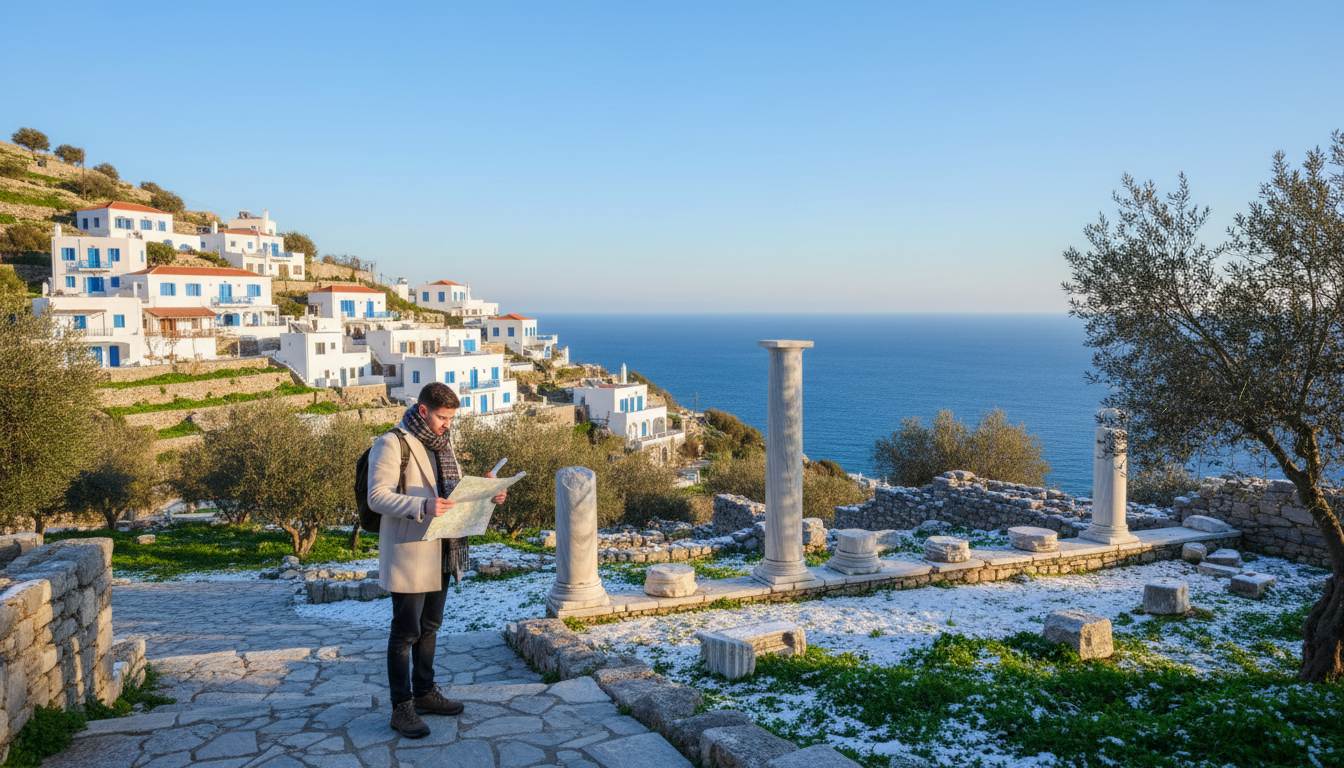

Forget images of summer crowds and packed beaches, because Greece in January reveals itself in a completely different light. Far from the usual tourist bustle, the land of the gods offers a unique exploration experience, imbued with captivating authenticity. Traveling during this winter season is a real boon for those seeking to immerse themselves in Hellenic culture without the drawbacks of peak season. Imagine strolling across the almost deserted Acropolis, savoring a steaming Greek coffee in a local taverna alongside the locals, or contemplating ancient monasteries under a blanket of snow. It’s an invitation to discover a more intimate Greece, where every historical site, every landscape, takes on an almost mystical dimension. Prepare to reconsider your vision of January travel, because this Mediterranean destination has much more to offer than you might think, transforming every climatic challenge into an opportunity for memorable adventure. A Greek winter promises rich experiences, special moments, and unforgettable memories, far removed from the usual clichés.
The climate, while cooler, remains surprisingly mild in places, especially in the south, offering pleasant sunny days perfect for exploration. Packing your suitcase becomes a strategic exercise, balancing warm and waterproof clothing, but every effort is rewarded by the tranquility of the surroundings and incredibly affordable prices. It’s the ideal opportunity for a trip that combines cultural richness with a complete change of scenery, a true exploration that will take you from ancient ruins to snow-capped peaks, passing through vibrant cities brimming with local life.Tips There’s no shortage of essentials for such an adventure, from itinerary planning to tips for making the most of every moment. Whether you’re a history buff, a nature lover, or simply looking for a different kind of getaway, Greece in winter is a top destination, an off-the-beaten-path experience that will leave a lasting impression. In short: 💰 Competitive budget: Enjoy discounted rates of up to 40% on accommodations and more affordable flights. 🚶♀️ Fewer crowds: Explore ancient sites and museums without the summer crowds. ☀️ Contrasting climate: Expect cooler temperatures, the possibility of rain, but also beautiful sunny days, especially in the south. 🏛️ Rich culture: Discover local life, winter festivals, and the wealth of national museums.
- 🏔️ Varied Activities: Winter tourism offers mystical hikes to Meteora or even skiing on Mount Parnassus. 🚢 Reduced Connections: Some islands are less accessible, but destinations like Crete and Rhodes remain welcoming.
- Greece in January: Climate, Atmosphere, and Unexpected Adventures ❄️ Traveling to Greece in January means choosing a different kind of adventure, far from the usual summer clichés. The Mediterranean climate reveals a cooler side, inviting exploration. In-depth exploration rather than lounging around. Expect temperatures to vary significantly depending on the region. In the north, around Thessaloniki or in the mountains, the thermometer can drop to between 2°C and 9°C, with peaks sometimes capped with snow, offering absolutely magnificent landscapes and a mystical atmosphere. Imagine the Meteora monasteries draped in white, a breathtaking sight that contrasts sharply with their usual appearance. For outdoor enthusiasts, these conditions are perfect for guided hikes, where you can enjoy exceptional winter light and unobstructed panoramas. Further south, in Attica, particularly in Athens, temperatures are milder, generally ranging between 5°C and 13°C. The sun, although less intense than in summer, illuminates the day for an average of 5 to 6 hours, which is more than enough to visit ancient sites and stroll through the narrow streets. Crete, meanwhile, enjoys an even milder climate, with temperatures ranging from 9°C to 16°C. Its verdant landscapes shrouded in morning mist and its picturesque mountain villages acquire an extra charm at this time of year. It’s an ideal time to discover Venetian citadels or the Palace of Knossos without having to endure the oppressive heat or endless queues. Each region thus offers a distinct facet of winter in Greece, transforming a simple trip into a veritable mosaic of climatic and cultural experiences. This meteorological contrast is an invitation to adapt your activities and embrace the country’s diversity.
- The January climate
- It also brings its share of short days, with only 6 to 7 hours of daylight, but this lends a special atmosphere to the evenings. Heated tavernas become havens of warmth and conviviality, where you can savor comforting local cuisine. It is here that you truly mingle with the locals, far from the crowds of mass tourism, and discover the soul of Greek culture. Rain, while possible, is often fleeting and doesn’t spoil the experience in the slightest, sometimes even offering spectacular clearings over sun-drenched landscapes. It is advisable to have a waterproof jacket and waterproof shoes to be prepared for any eventuality, but these precautions are minimal compared to the wealth of discoveries that await you. The ambient humidity, especially near the coasts, can accentuate the feeling of coolness, but the interiors of museums and cafes are always inviting. In short, January in Greece is a time of contrasts, where the crisp mornings can give way to gentle afternoon sunshine, and where every break in the clouds is a gift for preparing for new adventures. Winter Sun and Passing Showers: Navigating January’s Weather in Greece 🌦️The myth of a Greece frozen in cold during January
- The perception is persistent, but the reality is far more nuanced. While temperatures are indeed lower than in summer, the presence of sunshine remains a welcome constant, especially in the south of the country and on the islands. Each day, one can expect sufficient periods of sunshine to enjoy outdoor activities. It’s a less intense, gentler sun that illuminates the ancient landscapes with a low, raking light, lending them a particular majesty. Imagine a sunny afternoon at the site of Epidaurus, without a single crowd, allowing for total immersion in history. This winter light is a real asset for photography, creating striking contrasts and deep colors that are simply not found in the height of summer. It’s an invitation to slow down, observe, and soak up the unique atmosphere of these places. While showers are certainly possible, they are rarely persistent. They give rise to dramatic skies and washed-out landscapes, intensifying the green of the vegetation and the deep blue of the Aegean Sea. The rains are often short-lived, quickly giving way to clear skies that allow you to resume your exploration. It is therefore recommended to have an umbrella or a light raincoat handy—a small precaution that will ensure a comfortable trip. Furthermore, January and February are generally the wettest months, but this does not mean daily downpours. Weather systems in Greece are often characterized by rapid passages, with noticeable changes within a few hours. This variability is part of the charm of the Greek winter, offering a diversity of scenes and atmospheres throughout the day. Savvy travelers appreciate this dynamic, which makes each outing unique. In the Cyclades, if you can find open accommodations – most close from January 1st to April 1st – you can still enjoy 5 to 6 hours of sunshine per day. Crete and Rhodes remain popular destinations thanks to their mild climate and easy accessibility at this time of year. It’s an excellent opportunity to discover these islands from a fresh perspective, without the tourist crowds. The sleepy coastal villages and deserted alleyways invite contemplation and a more authentic encounter with local life. Many cafes and tavernas are still open, where you can warm up with a good meal and a hot drink after a windy walk. This immersion in Greek winter culture is an enriching experience, far from the overcrowded attractions. The January sun in Greece, though shy, is a precious ally for a peaceful and exploratory getaway. https://www.youtube.com/watch?v=9R3Xi0rycAk Athens in Winter: Cultural Immersion and Smart Budgeting in January 🏛️
- Visiting Athens in January is like having the city to yourself. No more summer crowds thronging the Acropolis, no more endless queues under a blazing sun. The month of January offers an exploration
The serene atmosphere of the ancient treasures of the Greek capital. Imagine yourself in front of the Parthenon, with only a few other visitors, fully experiencing the grandeur and history of the place. It’s an almost intimate experience, a privileged connection with this world heritage site. The weather, although cooler, is often conducive to long walks and cultural visits. You can take your time to decipher every architectural detail, soaking up the atmosphere without the pressure of time or heat. The wind may sometimes blow, but a good coat and scarf are all you need to fully enjoy these moments. Museums, such as the National Archaeological Museum or the Acropolis Museum, are havens of peace where you can spend hours admiring the collections without being jostled. Temporary exhibitions are also an excellent opportunity to discover lesser-known aspects of Greek culture.
The real advantage of a trip to Athens in January lies in the budget. In the low season, prices drop significantly. An all-inclusive stay can be around €496 per week from France, which is a considerable saving compared to the high season. Round-trip flights from Paris to Athens average around €225, allowing for much more flexible financial planning. Hotels and apartment rentals offer discounts of up to 40% compared to the summer, making it possible to enjoy better quality accommodations for a fraction of the price. It’s the perfect opportunity to travel in better conditions without breaking the bank. This affordability makes tourism in Greece in January particularly attractive for those on a tight budget or looking for the best value for money. Not only do you enjoy a more authentic experience, but you also make substantial savings. Tips for optimizing your budget are numerous, such as prioritizing local markets for meals or using public transportation for getting around, which adds a touch of authenticity to the experience. Beyond the ancient sites, Athenian urban life retains all its vitality in January. The Plaka district, with its cobbled streets and neoclassical houses, is as charming as ever. Cafes and tavernas remain open, often heated and filled with locals, offering a warm and friendly atmosphere. It’s the perfect time to enjoy a Greek coffee, a local retsina, or traditional meze, and chat with the Athenians. The markets, especially the Central Market of Athens (Varvakios Agora), are bustling with activity, offering fresh, seasonal produce, from new olives to juicy citrus fruits. Theaters and concert halls offer a rich program, ranging from reimagined ancient dramas to contemporary performances. You can even indulge in a mountain excursion, as Mount Parnassus and its ski resorts are just a two-hour drive from Athens. For a more in-depth exploration of affordable luxury accommodation options, it’s helpful to consult specialized guides to find the best deals. Athenian Cultural Life and Gastronomy: The City’s Beating Heart in Winter 🎭
Winter doesn’t extinguish Athens’ cultural flame in the slightest; quite the opposite. January is a particularly vibrant time for culture. and the arts in the Greek capital. Theaters offer a variety of plays, from ancient tragedies to contemporary works, often at more affordable prices than during peak season. Concert halls resonate with traditional rebetiko music, jazz, or rock, offering a rich and diverse nightlife. It’s a unique opportunity to mingle with the locals, discover their customs and passions. Winter festivals, while less frequent than the summer celebrations, enliven the city with events dedicated to music, film, or the visual arts. Each neighborhood has its own atmosphere, and it’s a pleasure to stroll through the streets of Kolonaki, Gazi, or Exarchia, discovering art galleries, independent bookstores, and trendy cafes. Planning your trip can include researching these local events for an even deeper immersion.
Athenian cuisine also takes on a whole new dimension in January . Heated tavernas, often adorned with fireplaces, become gathering places where people share hearty, comforting dishes. Here, you can enjoy traditional soups, slow-cooked stews made with seasonal vegetables, lamb casseroles, or fresh fish caught in the Aegean. The aroma of grilled meats and spices fills the streets, inviting you to sit down and savor every bite. Local markets, like the one in Monastiraki, overflow with fresh produce: sun-ripened citrus fruits, new olives, local cheeses, and fragrant honeys. We recommend trying tsipouro, a local brandy, or raki in Crete, often served with meze. It’s a culinary exploration that perfectly complements cultural exploration, a true immersion in the flavors of Greece. Tips Locals are invaluable for discovering the best spots, those where authenticity is guaranteed and where you eat like you’re with family. Simply sitting down at a table and watching the waiters and regulars go about their business is an experience in itself. In January, the atmosphere in Athens’ neighborhoods is more intimate and authentic. You discover facets of the city that escape mass tourism. The colorful graffiti of Exarchia, the elegant boutiques of Kolonaki, the bohemian charm of Plaka—everything is appreciated differently without the pressure of crowds. It’s the perfect time to intentionally get lost in the alleyways, discover hidden Byzantine churches, artisan workshops, or secret cafes. The shorter days invite longer evenings, perfect for conversation and meeting new people. You might, for example, attend an independent film screening at an art-house cinema or visit a contemporary art exhibition. For those who love exploring, it’s even possible to discover sunny and affordable destinations for an April getaway, or even the hidden gems of Morondava to compare travel experiences. Athens in January isn’t just a city steeped in history; it’s a vibrant, pulsating metropolis that offers invaluable depth of experience to curious travelers. It’s a truly memorable trip, far beyond the postcards. https://www.youtube.com/watch?v=yV2jGjM6imM Beyond Athens: The Unexpected Gems of Winter Greece 💎 Exploring Greece in January
It’s not limited to its capital; it extends to lesser-known regions or those transformed by winter, offering unique experiences. Thessaloniki, the country’s second-largest city, is an excellent starting point for exploring the north. With cooler temperatures (between 2°C and 9°C), the city maintains a vibrant cultural life. Its winter festivals and lively nightlife attract locals and travelers alike, all seeking authenticity. Visitors can discover UNESCO-listed Byzantine churches, a vibrant waterfront, and refined cuisine, often influenced by the Balkans and the Ottoman Empire. The proximity of Orthodox monasteries and Mount Olympus offers fascinating excursion opportunities. Meteora, with its monasteries perched atop rocky pinnacles, is particularly spectacular in winter. Under a blanket of snow or mist, the atmosphere becomes mystical, almost surreal. It’s a
trip that transports you, offering unique light for photography and a serenity never found in peak season. Guided hikes allow you to enjoy breathtaking panoramas, with the feeling of being at the ends of the earth. Preparation
for these mountainous regions should include equipment adapted to the cold and damp.The Peloponnese, this large peninsula connected to the mainland by the Isthmus of Corinth, is another excellent destination inJanuary . Its ancient site of Epidaurus, famous for its theater with perfect acoustics, is accessible outdoors and without the crowds. It’s a golden opportunity to feel like the sole spectator of this masterpiece. The region is dotted with charming rural villages, where you can taste new olives and freshly harvested local produce. The climate there is generally mild, ideal for walks through olive groves and orchards. And for those who might be surprised, Greece in January It even offers ski resorts! Mount Taygetus in the Peloponnese, or Mount Parnassus, not far from Athens, offer slopes for all levels. This is an unexpected facet of Greek tourism, allowing you to combine culture, nature, and winter sports. Imagine visiting the Acropolis one day and hitting the slopes the next: that’s the versatility this season offers. It truly challenges preconceived notions about the destination, demonstrating that Greece is a land of surprises in every season. Finally, Crete, the largest of the Greek islands, stands out for its particularly mild climate in January (9°C – 16°C). It remains a vibrant destination, with its Venetian citadels, the Palace of Knossos open to the public, and its verdant landscapes. The mountain villages are even more picturesque in the morning mist, offering a fairytale atmosphere. It’s an island where you can enjoy magnificent hikes, discover exquisite local cuisine, and meet warm and welcoming locals. Ferry services, though reduced, are maintained to the main islands like Crete and Rhodes, ensuring a degree of accessibility. For those seeking travel tips for Greece in December, much of it also applies to January, particularly regarding packing and anticipating seasonal closures. This period is ideal for those who appreciate tranquility and authenticity, far from the tourist crowds. Exploring these regions in winter reveals an authentic Greece, rich in contrasts and discoveries—a destination that defies conventions and invites adventure. Winter Adventures: Skiing and Hiking in the Heart of Greece ⛷️ The idea of skiing in Greece might seem surprising, yet it’s a perfectly achievable reality in January. The country boasts several high-quality ski resorts, the most famous being Mount Parnassus, Kalavryta, and Vasilitsa. These resorts offer a variety of slopes, suitable for all levels, from beginners to expert skiers. Mount Parnassus, located just a two-hour drive from Athens, is particularly popular. Imagine combining an exploration of ancient sites in the morning with a day on the slopes in the afternoon, all in one trip. It’s a fantastic opportunity to discover an unexpected side of Greece and add an adrenaline rush to your winter holiday. The snow is generally good in January, offering pleasant conditions for winter sports. The infrastructure is modern, with ski schools, equipment rentals, and cozy chalets for dining. These resorts are often holiday destinations for Athenians and Thessalonians, guaranteeing a friendly, local atmosphere, far removed from mass tourism. We advise you to check snow conditions before setting off, but the period is generally favorable.
Beyond skiing, the hiking opportunities in Greece in January are countless and particularly rewarding. The landscapes, often verdant or dotted with snow, offer spectacular panoramas under the soft winter light. Whether it’s the rugged trails of Meteora, the coastal paths of Crete, or the forests of the Peloponnese, each hike is an opportunity to connect with nature and history. Essential tips include wearing good, waterproof hiking boots and packing layers to adapt to temperature changes. Local guides offer excursions suited to different levels of difficulty, allowing everyone to enjoy these natural wonders safely. Physical activity is also a factor to consider, especially for the more demanding routes. It’s a unique way to discover Mediterranean flora and fauna, often more active during this cooler season. The tranquility of the area allows for privileged observation and total immersion in the environment. You’ll discover hidden springs, secluded chapels, and breathtaking views of the sea or mountains. For nature lovers, it’s a true paradise, offering a different perspective on the country’s richness. The January climate, while cool, is often invigorating for outdoor activities. Temperatures are ideal for physical exertion, avoiding the fatigue associated with summer heat. It’s an opportunity to combine the pleasure of cultural discovery with the benefits of physical activity. Imagine a morning spent visiting a monastery perched in Meteora, followed by an afternoon hiking on the surrounding trails, with snow-capped mountains as a backdrop. These unforgettable experiences contribute to making your trip in January a complete and well-rounded adventure. The diversity of Greek landscapes, from coasts to mountains, allows for a variety of activities, ensuring you’ll always find something to suit your tastes. For optimal planning, it’s recommended to check local weather forecasts and inquire about the conditions of open trails. Greece in winter is an invitation to adventure in all its forms, an exceptional playground for modern explorers, combining heritage and nature in perfect harmony. It’s a destination that offers thrills and moments of serenity, far from the beaten track. Comparison of ski resorts in Greece Reset filters * Prices and information are indicative and may vary. Always check with the stations for the latest information. Advantages: ${item.advantages || ‘Unspecified’} Disadvantages:
`;
tbody.appendChild(detailsRow); }); } /** * Toggles the display of the details row for a given station. * @param {Event} event – The click event.
* @param {number} id – The station ID. */ function toggleDetailsRow(event, id) { event.stopPropagation(); // Prevent sorting if the row is clicked const detailsRow = document.getElementById(`details-row-${id}`); if (detailsRow) { detailsRow.classList.toggle(‘hidden’); const button = event.target; button.textContent = detailsRow.classList.contains(‘hidden’) ? ‘View details’ : ‘Hide details’; } }
/** * Sorts the data in the table. * @param {string} key – The key of the column to sort.
*/
function sortTable(key) { if (currentSort.key === key) { currentSort.direction = currentSort.direction === ‘asc’ ? ‘desc’ : ‘asc’; } else { currentSort.key = key;
currentSort.direction = ‘asc’; } filteredData.sort((a, b) => { if (typeof valA === ‘string’ && typeof valB === ‘string’) {return currentSort.direction === ‘asc’ ? valA.localeCompare(valB) : valB.localeCompare(valA); } else {return currentSort.direction === ‘asc’ ? valA – valB : valB – valA; }
}); renderTableHeaders(); // Re-render the headers to update the sort icons renderTableRows(filteredData); // Re-render the rows with the sorted data /** * Filters the table data based on a search term. * @param {string} searchTerm – The search term.
*/
function filterTable(searchTerm) {const lowerCaseSearchTerm = searchTerm.toLowerCase(); filteredData = mockSkiResortsData.filter(item => Object.values(item).some(value => String(value).toLowerCase().includes(lowerCaseSearchTerm) ) ); currentSort = { key: null, direction: ‘asc’ }; // Reset sort after filterrenderTableHeaders(); renderTableRows(filteredData); } // — INITIALIZATION AND EVENTS — // Initialize the table on page load
document.addEventListener(‘DOMContentLoaded’, () => { renderTableHeaders();renderTableRows(mockSkiResortsData); // Event for the search bar const searchInput = document.getElementById(‘searchSkiResorts’); searchInput.addEventListener(‘input’, (e) => { filterTable(e.target.value); }); // Event for the reset filter button const resetFiltersButton = document.getElementById(‘resetFilters’); resetFiltersButton.addEventListener(‘click’, () => {
searchInput.value = ”; // Clear the search field currentSort = { key: null, direction: ‘asc’ }; // Reset sort renderTableHeaders(); renderTableRows(mockSkiResortsData); }); });Essential Preparation: Your Suitcase and Your Budget for a Winter Trip to Greece 🎒 Preparing for a trip to Greece in January is crucial to ensuring a comfortable and successful stay. One of the first things to consider is the contents of your suitcase. Forget swimsuits and sandals, and prioritize warm and functional clothing. We recommend adopting the “layering” technique: thermal base layers, ideal for retaining heat close to the body, are essential. On top of that, a wool or fleece sweater will provide additional insulation. A waterproof and windproof jacket is a key item, as it will protect you from occasional rain and the often-present wind, especially near the coast or at higher altitudes. Don’t forget a hat, gloves, and a scarf, especially useful for cool evenings or mornings in the mountains. For your feet, comfortable, waterproof hiking boots are perfect, as they’ll serve you well for exploring ancient sites as well as for walks in town or on nature trails. Greece in January Greece invites you to walk and explore, so comfortable feet are essential. Consider a small backpack for day trips to carry a water bottle, some snacks, and your camera. Proper clothing preparation makes all the difference.
Budget is another key aspect where January stands out for its high cost. As mentioned, it’s the low season, which translates into substantial savings. For a week in Greece in January, expect to pay an average of €700 per person for an all-inclusive stay (flights, accommodation, meals, activities). This figure is an estimate, and it’s entirely possible to spend less by opting for simpler accommodations, cooking for yourself, or using public transportation. Flights are significantly cheaper: a round trip from Paris to Athens averages around €225, a price that’s hard to beat compared to the summer peaks. Hotels and apartment rentals are offering discounts of up to 40%, allowing you to treat yourself to more upscale options or extend your stay. This price reduction also applies to activities and meals. Local restaurants, which offer hearty and delicious dishes, are affordable. We recommend trying the small tavernas outside the main tourist areas for even better prices and a more authentic experience. By choosing wisely, you can have a very enriching trip without breaking the bank. For those looking for sunny and budget-friendly destinations for a June getaway, Greece in January offers an equally attractive winter alternative.
Beyond basic expenses, it’s wise to set aside a small budget for unexpected expenses or extra treats. For example, an afternoon in a traditional hammam in Thessaloniki to warm up, a local wine tasting in the Peloponnese, or purchasing local crafts such as pottery or jewelry. The euro exchange rate is stable, making transactions easy. Credit cards are widely accepted, but it’s always good to carry some cash, especially in remote villages or for small purchases. Preparation also includes checking the opening hours of attractions, as some may have reduced hours in winter Public transportation is efficient and affordable in Athens and Thessaloniki. For intercity travel, KTEL buses offer a good network. If you plan to rent a car, make sure it’s equipped for winter conditions, especially if you’re planning excursions into the mountains. All thesetips help make your exploration ofGreece in January
a success, an adventure designed for comfort and enjoyment, far from logistical hassles. Travel Smart in January: Crowds and Ferry Connections in Greece 🛳️ One of the biggest advantages of traveling to Greece inJanuaryis undoubtedly the absence of crowds . This period is the quintessential low season, which means that iconic sites like the Acropolis of Athens, the Meteora monasteries, or the ruins of Delphi can be visited without queues and in appreciable tranquility. Imagine strolling at your own pace through these places steeped in history, having the time to admire every stone, every detail, without the pressure of organized tour groups. It’s an exploration experience
A privileged opportunity to feel alone amidst millennia of history. This low visitor numbers are also felt in museums, restaurants, and public transportation. You can always find a seat in local tavernas, and it’s easier to interact with the locals, who are often more relaxed and open to conversation outside of peak times. It’s an authentic immersion in Greek culture, far removed from tourist trappings. Tips for making the most of this serenity include visiting early in the morning or late in the afternoon to capture the most beautiful light and avoid the occasional tour group. Planning your itinerary will be easier, as there are fewer time constraints related to crowd management. This allows for valuable flexibility in organizing your days. You’ll discover a calmer, more contemplative Greece, one that invites you to slow down and explore in depth. However, this low visitor numbers comes with a drawback to consider: reduced ferry services to some islands. While Crete, Rhodes, and some accommodations in Santorini remain accessible, it’s true that the smaller Cyclades islands, for example, often close down from January 1st to April 1st. Ferry frequencies are significantly reduced, and connections can be disrupted by winter weather. We therefore recommend carefully planning your island trips and checking schedules in advance, allowing for some flexibility in case of cancellations or delays. That said, this limitation can be turned into an advantage. Rather than island hopping, January is ideal for focusing on exploration. from mainland Greece or the larger islands that remain vibrant. It’s an opportunity to discover regions like the Peloponnese, with its ancient sites and rural villages, or Macedonia with Thessaloniki and its Byzantine treasures. Practical advice suggests prioritizing domestic flights to travel quickly between major cities, if your budget allows, or renting a car for complete freedom on the mainland. This type of travel encourages lingering longer in one place, exploring its every nook and cranny, and truly immersing yourself in the local atmosphere. Planning your itinerary should therefore be more compact, grouping nearby destinations to minimize travel and maximize discoveries. This season invites contemplation and deeper experiences, far from the summer crowds. Destination 📍 January Crowds 🚶♀️ Average Temperature (°C) 🌡️ Recommended Activities ✨ Athens & Attica Very Low 5-13 Acropolis Visit, Museums, Plaka, Skiing (Mount Parnassus) Thessaloniki
Low to Moderate
Byzantine Sites, Nightlife, Mount Olympus
Crete
Low
9-16
Knossos, Hiking, Picturesque Villages