


In a global context marked by an exponential rise in social and political tensions, the situation in Madagascar offers a stark example of the high-stakes crisis shaking many contemporary nations. For several months, the country has been facing a series of popular demonstrations, local clashes, and institutional instability, illustrating a period of profound turmoil. The fall of Andry Rajoelina’s regime, despite the military takeover, has not quelled the simmering social demands, revealing a deep divide between governance and the popular will. These disturbances, combining energy crises, political disputes, and social protest movements, underscore a systemic crisis requiring rigorous crisis management, certainly, but above all, a collective awareness to avoid chaos with irreversible consequences. The past few weeks have witnessed a resurgence of violence and disruptions to essential services such as energy and water, fueling growing frustrations. The pressure is mounting, as each passing day reveals more of the authorities’ inability to control this instability. The mobilization of young people, particularly through massive demonstrations, testifies to a discontent that goes beyond mere economic or social demands, striking at the very legitimacy of the current government. The question then becomes: how far can this situation escalate if no lasting solution is implemented quickly? The complexity of the context demands not only effective crisis management but also a fundamental political approach capable of addressing the legitimate expectations of the population while preventing the situation from degenerating into open conflict.
Discover everything you need to know about crises: definition, causes, impacts, and solutions for better managing them.
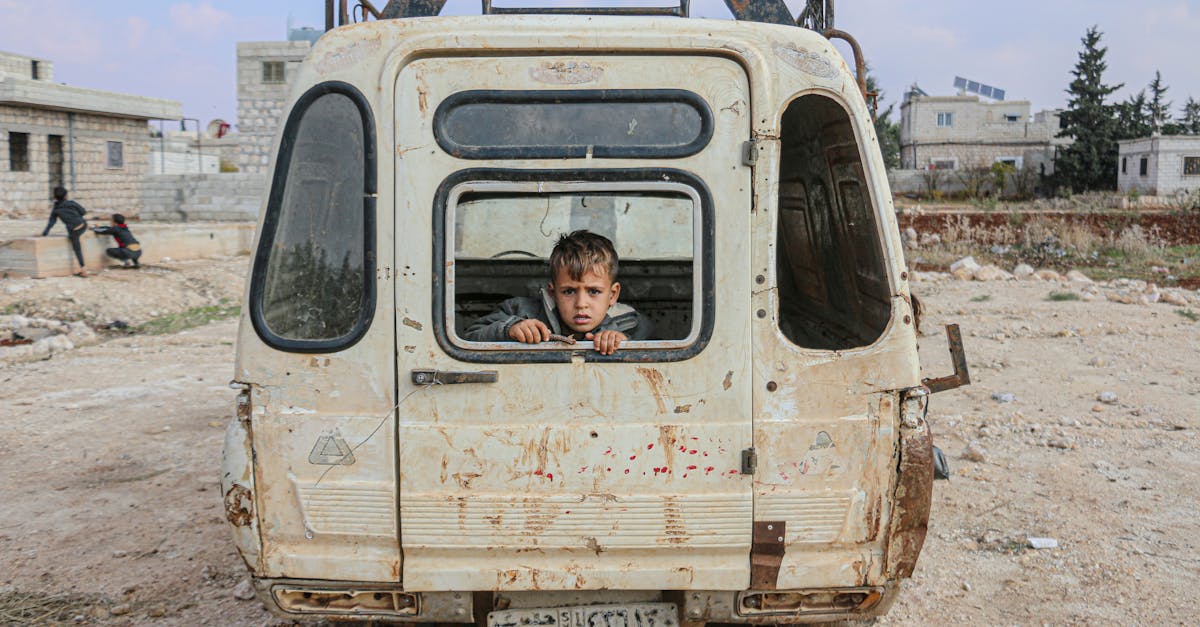
The Malagasy government, confronted with a high-tension crisis, must juggle several priorities to contain and, ultimately, resolve this turmoil. Crisis management cannot be reduced to a repressive or temporary response: it must be part of a comprehensive strategy, including an immediate response to socio-economic demands while laying the groundwork for institutional reform. Since the outbreak of the protests, a series of emergency measures have been taken, including the increased deployment of security forces, the mobilization of resources to restore water and electricity supplies, and the initiation of a dialogue with social and community leaders.
However, these initiatives often appear as mere palliatives in the face of a broader problem that demands deeper structural reform. Growing distrust of the government, exacerbated by a proliferation of corruption scandals and abuses of power, raises questions about the state’s ability to restore confidence. The chronic energy crisis, in particular, is fueling public discontent: the incessant power cuts in the capital and several rural areas are exacerbating the unrest. Managing these crises with transparency would be a crucial step in defusing the situation. It is essential that the government draw upon a wide range of tools to restore stability, from mediation to institutional reform. Without this, the crisis risks escalating and becoming a lasting instability, potentially damaging national cohesion in the long term.
Key Measures to Strengthen Stability
| Action | Objective | Expected Impact |
|---|---|---|
| Mobilization of Security Forces | Ensuring Public Tranquility | Reduction of Clashes and Violence 🔒 |
| Energy Sector Reform | Improving Water and Electricity Supply | Reducing Power Cuts and Discontent 💡 |
| Inclusive Dialogue | Reconciling Social Actors and Authorities | Strengthening the Legitimacy of Power 🗣️ |
| Revaluing Key Sectors | Supporting Youth and Teachers | Stimulating the Local Economy and Promoting Social Peace 🌱 |
| Deep Institutional Reforms | Overhauling the Political System | Sustainable Stability and National Cohesion ✨ |
International Repercussions of the Malagasy Crisis
The turmoil in Madagascar has not escaped the attention of the international community. The stability of such a strategically important country in the Indian Ocean directly impacts regional and global geopolitics. International institutions, such as the United Nations, are calling for active mediation to encourage peaceful development, denouncing abuses and violence as aggravating factors in the crisis. For example, diplomatic interventions undertaken by regional mediators, notably those from the FIDH (International Federation for Human Rights) or the AU (African Union), are attempting to foster an inclusive national dialogue to resolve the crisis. The international economic community, for its part, insists on the need for a peaceful environment to guarantee development aid and economic stability.
The risks of this crisis spreading, particularly through migration flows or illicit activities, are also a cause for concern. Growing domestic tensions are fueling regional instability that could, in the medium term, lead to broader destabilization in the Indian Ocean. Consequently, several neighboring countries, notably the Comoros and Mauritius, are watching the situation with concern, fearing the spread of unrest. These diplomatic and security challenges underscore that effective management of the Malagasy crisis must also be part of a dynamic of regional cooperation, to prevent the turmoil from becoming a factor of lasting destabilization. The question then arises: how far is the international community prepared to invest to support Madagascar during this crisis?

Discover the different facets of the crisis, its causes, its impacts, and solutions to better understand it and address it effectively.
The social and economic dynamics fueling the current crisis The numerous demonstrations shaking Madagascar illustrate the extent to which civil society has organized itself to express its deep concerns. Since the fall of the previous regime, feelings of abandonment, injustice, and marginalization have steadily grown, creating fertile ground for protest. The economic crisis, linked to the volatility of the energy sector and an unstable political environment, is a major contributing factor to this dynamic. Poverty, precarious living conditions, and mass unemployment exacerbate the vulnerability of the population to daily hardships. A study conducted in 2025 highlights that nearly 65%
of the population lives below the poverty line, and that only
- 30%
- Young people have access to stable employment. This precariousness fuels a cycle of discontent, exacerbated by the deterioration of essential services, particularly drinking water, which is ubiquitous in several neighborhoods of Antananarivo. Younger generations are showing a growing desire for change, notably through digital mobilization and the dissemination of demands via social media. But their strength will not be enough if profound reforms are not undertaken quickly. A break with a political model perceived as inadequate therefore appears to be an urgent necessity if the country does not want to sink further into crisis.
- Factors accelerating the social crisis
- Depletion of energy and water resources 💧
Persistent inequalities between urban and rural areas 🏞️
Declining trust in institutions 🏛️ Poverty and mass unemployment 🔥Gap between social expectations and the government response ⚖️
Key actors in the attempt to resolve the Malagasy crisis Several actors, both national and international, are playing a crucial role in the attempt to pull Madagascar out of the crisis. Domestically, the authorities are trying to build a broad coalition, including community leaders, unions, and religious representatives, to establish a constructive mediation platform. Civil society, particularly through NGOs such asFFKM Mediation & Peace

The armed forces, particularly the gendarmerie and the police, have the mission of ensuring security without exacerbating the situation. National mediation, embodied by respected figures such as
- Colonel Randrianirina
- seeks to strengthen trust between the parties. At the international level, the involvement of regional partners and organizations such as the AU and the UN is essential to prevent escalation and foster an inclusive process of political reconstruction, in accordance with the recommendations of the diplomatic assistance.
- Discover an in-depth analysis of modern crises, their causes, impacts, and solutions to better understand and manage them effectively.
- Possible Public Policies to Prevent a Resurgence of Unrest
To avoid a resurgence of tensions, it is essential to establish public policies that are not only technical but, above all, inclusive. The priority remains the redefinition of democratic fundamentals, with transparent governance capable of moving beyond a paternalistic approach to create a participatory society. In addition to a thorough reform of the administration, concrete initiatives should be developed, such as:
Découvrez notre guide complet — destinations, budget, visa, faune et conseils pratiques pour préparer votre voyage.

📖 Vous aimerez aussi

Transition à Madagascar : la société civile et la Génération Z face aux doutes sur le « Programme de la Refondation »
3 March 2026
Fermeture de l’aéroport de Dubaï : chaos et désarroi chez les voyageurs bloqués
2 March 2026


