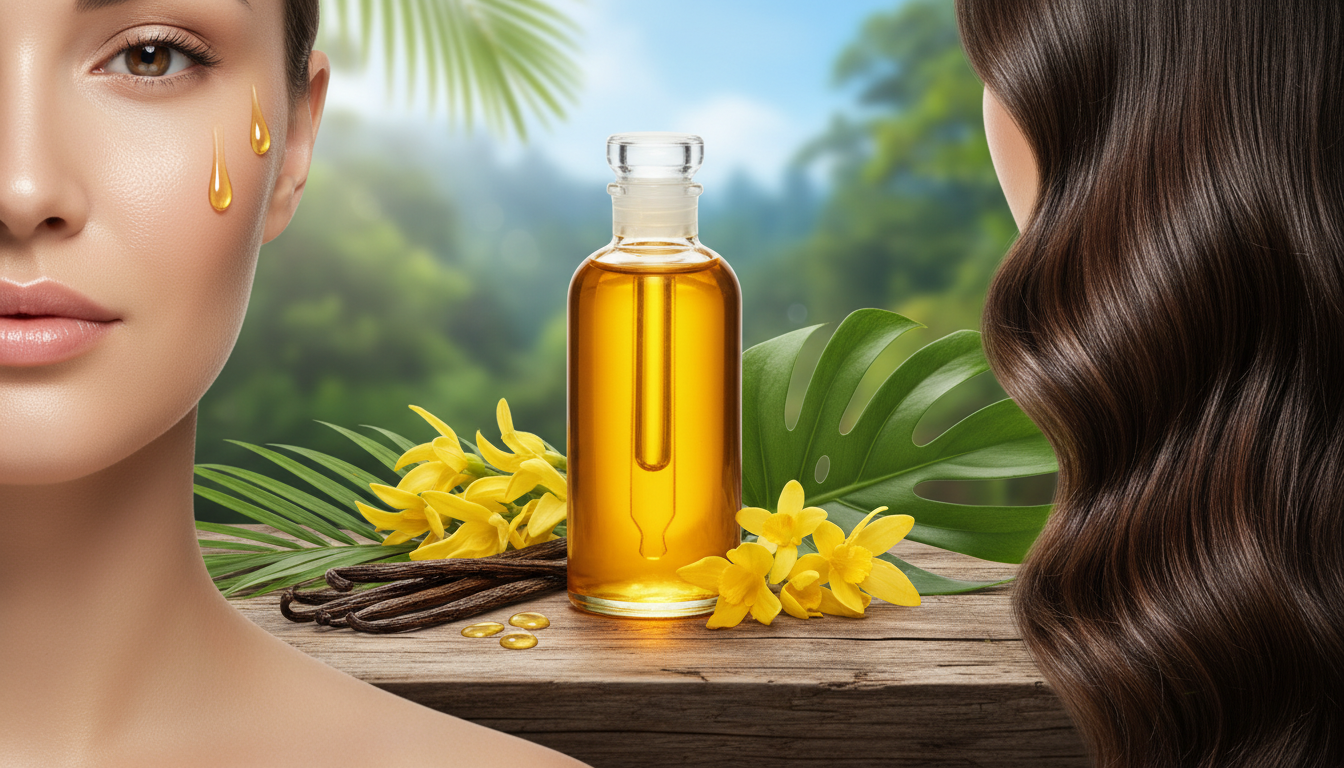
Madagascar vanilla, a treasure whose renown spans oceans, embodies the very essence of exoticism and refinement. This spice, often described as the queen of flavors, is not merely an ingredient; it is the product of ancestral know-how and an exceptional terroir that bestows upon it an unparalleled aromatic complexity. Each pod tells a story, that of the fertile lands of the SAVA region, where an ideal climate and expert hands work tirelessly to cultivate and prepare this precious orchid. For culinary enthusiasts, connoisseurs, or simply those who aspire to elevate their creations, choosing and storing this vanilla wisely is a crucial step. It’s not just about buying it, but about understanding what distinguishes superior quality vanilla, knowing how to recognize the signs of its freshness, and mastering the techniques that will prolong its captivating flavor. Careful selection and rigorous storage ensure that every dish, every drink, every preparation infused with Madagascar vanilla reveals its full potential, offering a taste experience that goes far beyond mere aroma, transforming the ordinary into the extraordinary. Adopting the right practices guarantees you’ll get the most out of this jewel of nature. It ensures a touch of refinement and an explosion of flavor for many months, transforming a simple pod into an inexhaustible source of gourmet inspiration.
- In short: ✅ Choosing Madagascar vanilla requires inspecting its suppleness and plumpness.
- 👃 A high-quality vanilla pod should release an intense and rich aroma. 📏 The length of the pods is an indicator of their proper ripeness and the concentration of flavors.
- 🧊 Absolutely avoid the refrigerator and freezer for vanilla storage,
- as this alters the texture and vanilla aroma.airtight.🌞 Storing vanilla in a cool, dark place is essential to
- preserve its freshness.
- 🛒 Opt forbuying whole vanilla beans
- rather than powder to guarantee purity and potency. 🌍 Madagascar’s gourmet vanilla is distinguished by its high vanillin content and creamy profile.
- Unraveling Madagascar Vanilla: Origin and Unrivaled Aromatic Signature Madagascar vanilla is much more than just a spice; it represents a heritage, a history, and a know-how that have won over palates worldwide. This island, the birthplace of Vanilla planifolia, has become the gold standard, the undisputed benchmark when it comes to fine dining vanilla. The reputation of Madagascar vanilla rests on a unique combination of factors, from its exceptional terroir to the curing methods that have changed very little over the centuries. Connoisseurs agree that its rich, buttery flavor and cocoa notes are the result of a meticulous process and attention to detail that borders on fine craftsmanship. Indeed, the island produces over 80% of the world’s vanilla, a dominance that testifies to the consistent quality and excellence of its production. This success is not a matter of chance, but rather the result of the unwavering dedication of local producers, who have preserved traditions while adapting to economic and climatic challenges. The complexity of its vanilla aroma makes it a prized ingredient in a multitude of culinary creations, from the simplest to the most elaborate. It is this depth that allows Madagascar vanilla to withstand intense cooking, to blend perfectly into creams, sauces, or desserts without ever losing its splendor. It can truly be said that Madagascar vanilla is a true treasure.
For gourmets. Did you know that Madagascar’s vanilla policy has a significant impact on the country’s economic recovery, influencing global markets and producers’ incomes?
The SAVA region’s heritage and the artisanal process At the heart of the excellence of Madagascar’s vanilla lies the SAVA region (Sambava, Antalaha, Vohemar, Andapa), a geographical area where the climatic conditions are absolutely ideal for cultivating this precious orchid. Abundant rainfall, consistent warmth, and ambient humidity create a perfect microclimate that allows the vanilla vines to flourish. But beyond this bountiful nature, it is the artisanal curing process that gives Madagascar’s Bourbon vanilla its distinctive aromatic signature. This process, which lasts six to nine months, is a series of delicate steps: the rapid scalding of the pods, slow drying in the sun and then in the shade, and finally, fermentation in wooden crates. Each of these phases is crucial and requires constant monitoring, a know-how passed down from generation to generation. It is during this long period that the aromatic precursors are transformed into vanillin, the main compound that gives vanilla its classic and comforting fragrance. The patience and expertise of Malagasy growers guarantee superior vanilla quality, with black, supple, shiny, and incredibly fragrant pods. It is a work that demands time, passion, and surgical precision, transforming a simple flower into a luxury spice. The price of Madagascar vanilla This often reflects the complexity and intensity of human labor involved, but the satisfaction of using vanilla of such quality is incomparable. It is for all these reasons that Madagascar vanilla continues to dominate the world market, despite challenges such as climate change and international competition. Indicators of Exceptional Bourbon Vanilla To choose the highest quality Madagascar vanilla, it is essential to know the distinctive signs of an exceptional bean. A
gourmet vanilla
is first recognizable by its appearance: it should be long, ideally between 16 and 20 centimeters, thin but plump. Its color should be a deep black, almost ebony, with a slight sheen, a sign of good internal moisture and a successful curing process. To the touch, a quality vanilla bean should be supple and flexible; it should even be possible to gently knot it around your finger without it breaking. This suppleness is a key indicator of its moisture content and the preservation of its volatile aromatic compounds. Next, the aroma is paramount: it should be rich, complex, with sweet, creamy notes and hints of cocoa or dried fruit. The absence of these characteristics, such as a dry, brittle pod or a weak aroma, indicates lower-quality vanilla. which has probably lost much of its potential. Finally, the presence of small vanillin crystals on the surface of the pod, often called “vanilla frost,” is an infallible sign of exceptional quality vanilla with a very high vanillin content. These crystals are proof of a mature and perfectly cured pod, a true marker of exceptional vanilla. By following these tips, it’s easier to avoid disappointment and ensure you’re investing in vanilla that will live up to its flavor promises. Mastering these indicators allows you to make the right vanilla purchase , to the delight of your taste buds. The Art of Selecting Your Vanilla: A Practical Guide to Buying Vanilla Selecting the perfect vanilla is a bit like choosing a good wine; it requires attention to detail and knowledge of the desired characteristics. To choose vanilla
from Madagascar, it’s not enough to rely on the name; A visual, tactile, and olfactory inspection is essential to guarantee the best quality vanilla. The market can sometimes be opaque, and unfortunately, counterfeits or lower-quality products are not uncommon. That’s why it’s crucial to develop a critical eye and know the tricks of the trade to ensure you buy authentic, flavorful, gourmet vanilla. A good choice guarantees a successful culinary experience and a worthwhile investment. Beyond aesthetic criteria, origin and adherence to production methods are also important factors to consider. In 2026, with a heightened awareness of ethics and sustainability, many consumers will seek vanilla with exemplary traceability, guaranteeing not only quality but also fair practices for producers. Making the right vanilla purchase
It’s about supporting an entire industry and valuing ancestral know-how. We often think about the difficulty of political stability in Madagascar, which can sometimes impact production, making each pod even more precious. Examining the pod: suppleness, shine, and plumpness When it comes time to choose your Madagascar vanilla pods, the first step is to examine them carefully. A top-quality Madagascar vanilla pod should be remarkably supple; it should be able to be bent without resistance or cracking. Imagine a soft, malleable vine; this is the sign of a pod bursting with its essential oils and optimal hydration. Shine is another key indicator: a light oily coating or a satiny appearance on the surface testifies to a successful curing process and preserved aromatic richness. On the other hand, a dull, dry, or brittle pod is a warning sign. It has likely lost a large portion of its precious compounds and will not release an intense vanilla aroma. The fleshy texture of the pod is also essential. By gently squeezing it between your fingers, you should feel a certain thickness, a “flesh” that indicates a high concentration of vanilla seeds inside. These seeds, once scraped, are the heart of the vanilla’s flavor and texture. A flat or empty pod will not be as flavorful. The length of the pods, as mentioned earlier, is also an indication of ripeness and aroma concentration. Longer pods (16 cm and over) are generally synonymous with better quality vanilla. Every detail counts to ensure you acquire vanilla that will transform your dishes. Choosing the right pod guarantees a sublime taste experience. https://www.youtube.com/watch?v=DAL4EKNQ3yY Vanilla, contrary to popular belief, is not limited to a single aromatic profile.Madagascar vanilla, for example, is renowned for its classic notes of cocoa, butter, and caramel—a richness that makes it incredibly versatile in baking. But other origins offer very different flavor profiles, and knowing how to distinguish them allows you to make an informed vanilla choice for each recipe. For a crème brûlée or traditional ice cream, the powerful and comforting vanilla aroma of Madagascar is unmatched. Its notes are robust and don’t fade during cooking. On the other hand, if you’re preparing a panna cotta or a fresh fruit salad, Tahitian vanilla, with its floral, aniseed, and fruity notes, could be a bold and delicate choice, adding a touch of fragrant refinement. Its aromas are more volatile and pair better with cold preparations or those cooked gently. Mexican vanilla, with its spicy and woody nuances, is the perfect partner for chocolate, enhancing the flavors of ganaches and mousses. It can even be used in sauces for savory dishes, adding unexpected depth. Exploring these different facets of vanilla opens up a world of culinary possibilities, allowing both chefs and home cooks to personalize their creations. The question isn’t “What is the best vanilla in the world?” but rather “What is the best vanilla for MY recipe?” because the perfect match between the pod and the dish is the secret to exceptional flavor. By understanding these nuances, one can truly master the art of using this magnificent spice and make the most relevant vanilla purchase for every occasion. Extend the Magic: Optimal Methods for Storing VanillaAfter carefully selecting your Madagascar vanilla pods of the highest quality, you can…
Impeccable, the next, equally crucial step is knowing how to store them correctly. An improper vanilla storage method can quickly compromise its suppleness, moisture content, and, above all, its precious vanilla aroma. The goal is to keep these pods in optimal condition so they release their full aromatic power when needed. Many common mistakes are made, often due to a lack of knowledge, leading to a rapid loss of flavor and waste. However, quality vanilla is an investment, and preserving it is essential to enjoy it to the fullest and over the long term. The secrets of storage lie in mastering a few simple but fundamental principles that guarantee each pod remains supple, shiny, and intensely fragrant, ready to enhance your culinary creations for many months. Adopting good vanilla storage habits ensures you can always rely on this jewel of spices, no matter the time. This allows you to prolong the freshness of this rare spice. It’s also an economical and ecological gesture, as it reduces the waste of a precious product.
Ideal storage: the perfect setting for your vanilla beans To preserve Madagascar vanilla and prolong its freshness, the choice of container and environment is paramount. Ideally, use an airtight container, preferably made of glass or metal. A glass test tube with a cork stopper, a well-sealed metal tin, or a jam jar with a rubber seal are excellent options. The goal is to prevent air and moisture from penetrating, as oxygen can oxidize the aromatic compounds and excessive humidity can promote mold, while an overly dry environment will dry out the beans. Next, consider the storage location for your vanilla. It should be stored in a cool, dark place. A kitchen cupboard, away from direct sunlight and heat sources (like the oven or stovetop), is perfect. Light and heat are vanilla’s worst enemies, as they accelerate the degradation of its aroma and texture. Ideal temperatures are around 15 to 20°C (59 to 68°F). It’s also recommended to regularly check the condition of your pods, especially if you’re storing a large quantity. If one shows any signs of mold, remove it immediately to prevent contamination of the others. Some chefs advise slightly “rehydrating” a pod that has become a little dry by placing it for a few hours in a small amount of rum or warm milk before use, but proper storage usually eliminates this need. By following these few rules, your gourmet Madagascar vanilla will retain all its qualities for many months, even more than a year, offering you a powerful vanilla aroma and unparalleled flavor for your creations. Mistakes to Avoid When Storing Vanilla There are some classic mistakes whenstoring vanilla that can quickly ruin your precious pods. The most common and disastrous is placing vanilla in the refrigerator or freezer 🥶. Contrary to what you might think, extreme cold doesn’t prolong the life of vanilla but actually damages it. The cold dries out the pods, making them stiff and brittle, and the humidity in the refrigerator encourages mold growth. Volatile aromas are also altered by low temperatures. Another frequent mistake:storing vanilla in a non-airtight plastic bag or an open jar. Exposure to air is the best way to see your pods dry out quickly and lose their suppleness. Vanilla aroma
literally evaporates, leaving a pod with no flavor. Also avoid storing vanilla near strong-smelling spices or chemicals, as it is porous and can absorb ambient odors, thus altering its unique aromatic profile. Vanilla that smells of cloves or cinnamon when this is not its natural profile is poorly stored. Similarly, do not leave it exposed to direct sunlight, as UV rays degrade aromatic compounds and can cause the pod to lose its deep black color. Vanilla should also not be stored in oil, unless for immediate use or a specific short infusion, as this can create an environment conducive to bacterial growth. By avoiding these pitfalls, you ensure that
the freshness and quality of your Madagascar vanilla pods will last for many months, guaranteeing that each use will be an explosion of flavor. Interactive Comparator: How to Properly Store Your Madagascar Vanilla? Show All Ideal (Yes ✅) Not Ideal (No ❌) Use the filters and search bar to quickly find information. Click the column headings “Characteristic” or “Ideal Storage” to sort the table.Characteristic Ideal StorageReasons
Please adjust your search or filter criteria. Beyond Madagascar: Explore Other Vanilla TreasuresAlthough the vanilla from Madagascar While vanilla is undoubtedly the gold standard for many chefs and gourmets, its world boasts a rich aromatic diversity that deserves to be explored. Thinking that all vanilla beans are equal would be a regrettable mistake for any flavor enthusiast. Indeed, a bean’s aromatic signature rests on two pillars: the botanical species and the terroir. While Madagascar excels with its Vanilla planifolia, known for its creamy notes, other regions of the globe cultivate varieties with fascinating and unique profiles, each with its own strengths and ideal uses. This exploration is an invitation to refine your palate and understand the complexity of this extraordinary orchid. It’s an approach that allows you to make more informed vanilla choices, depending on your culinary goals. Furthermore, the term “Bourbon Vanilla” is a Protected Geographical Indication (PGI) label for Vanilla planifolia cultivated in the Indian Ocean, and not a species in itself, which often leads to confusion. Each terroir, each variety offers a different sensory experience, transforming the search for the “best vanilla” into a quest for the vanilla best suited to a specific moment. It’s clear that the influence of international markets on vanilla is constant, making the discovery of new origins all the more exciting. Understanding these nuances greatly enriches our appreciation of this precious spice.The floral delicacy of Tahitian vanilla contrasts sharply with the aromatic spectrum of Madagascar vanilla. Tahitian vanilla, a distinct botanical species, Vanilla tahitensis, is another notable variety. Cultivated primarily in French Polynesia, it is easily recognizable by its unique appearance: shorter but remarkably wider pods, very plump, oily, and visibly more moist than their Bourbon cousins. The true revolution lies in its aromatic chemistry. Tahitian vanilla has a much lower vanillin content than Vanilla planifolia, but its profile is dominated by other compounds, particularly aniseed alcohol. This results in an absolutely unique sensory profile, dominated by floral, aniseed, and fruity notes, reminiscent of plum or cherry, sometimes with hints of ylang-ylang. It is a more volatile and subtle vanilla aroma, often compared to perfumery. This delicacy dictates its culinary uses: Tahitian vanilla does not withstand long or intense cooking times well, as its delicate aromas would be lost. It is therefore ideal for cold preparations, gentle infusions, or low-temperature cooking. Imagine it in a panna cotta, artisanal ice cream, an exotic fruit salad, or even to enhance fish en papillote. Its rarity, due to much lower production volumes than Madagascar vanilla, often makes it more expensive, but its unique aroma fully justifies the cost for creations that require a touch of elegance and finesse. It is a gourmet vanilla for special occasions, a vanilla that surprises and delights.
https://www.youtube.com/watch?v=GM6N4Jk3uwk The spicy and chocolatey notes of Mexican vanilla Mexican vanilla is a fascinating return to its roots, as it was in these lands that the Vanilla planifolia orchid, the very species found in Madagascar, was discovered. Yet, despite sharing the same botanical species, the aromatic profiles are radically different, perfectly illustrating the importance of terroir and local expertise. Where Madagascar vanilla has been optimized for a creamy and buttery profile, Mexican vanilla expresses its terroir of origin with a more complex, warm, and powerful palette. The pods, often thinner, offer dominant notes of deep chocolate, wood, and, above all, distinctly spicy aromas, with hints of clove or cinnamon. It is a rich and earthy vanilla aroma that captivates the senses. In cooking, this spicy and chocolatey profile lends itself to bolder and less conventional uses than classic Bourbon vanilla. Mexican vanilla is the historical and ideal partner for cocoa and chocolate making. It excels in hot preparations where its spices can infuse deeply, such as winter fruit compotes, sauces for red meats, marinades, or even savory dishes. Imagine a touch of this vanilla in a chili con carne or homemade barbecue sauce for an unexpected burst of flavor. It’s a gourmet vanilla for those who dare to experiment, a spice that brings unparalleled depth and warmth to dishes. Its history and rediscovery make it an exciting option for diversifying your culinary creations. Characteristic Bourbon Vanilla (Madagascar) 🇲🇬Tahitian Vanilla 🇵🇫 Mexican Vanilla 🇲🇽 Botanical Species
Vanilla planifolia
Vanilla tahitensis Vanilla planifolia Aromatic Profile Rich, creamy, buttery, cocoa 🍫Very floral, fruity (peach, cherry), aniseed 🌸 Complex, spicy, chocolate, woody 🪵Key Compound Vanillin (high: 1.6-1.8%) Aniseed Compounds (Low Vanillin) Vanillin (high) Appearance: Bean Thin, long (16-20 cm), black, supple ✨ Short, wide, plump, oily, moist 💧
Thin, sometimes flatter, black/brown
Ideal Culinary Uses Classic pastries, creams, ice cream, versatile 🍰 Delicate preparations, cold infusions 🍦 Chocolate making, hot dishes, savory sauces 🌶️ Nicknames “The Gold Standard” / “The Reference” “The Floral” / “The Fragrant”“The Original” / “The Spicy” Incorporating Vanilla into Your Daily Life: Uses and Gourmet Inspirations Once you’ve learned to choose quality vanilla And to keep vanilla in the best conditions, it’s time to let it shine in the kitchen. Madagascar vanilla, with its deep and comforting vanilla aroma, is an amazingly versatile ingredient, capable of transforming an ordinary dish into a memorable gastronomic experience. But its uses go far beyond classic desserts, opening the door to bold and creative experimentation. It’s fascinating to see how a single pod can bring so much complexity and elegance to various preparations. It’s the spice that, par excellence, enhances without overpowering, bringing subtle depth and enveloping warmth. Exploring all facets of its use truly extends the freshness of the culinary experience and enriches one’s repertoire. Whether for traditional pastry or culinary innovation, vanilla remains an inexhaustible source of inspiration. Vanilla is not limited to its pod form; It is also available as a paste, extract, or powder, each form offering different applications, although for optimal vanilla quality, the pod remains the preferred choice for a truly indulgent vanilla experience. Consider the importance of agriculture for Madagascar’s economic recovery. makes the use of this spice even more significant.
Enhancing Pastry Classics
vanilla quality Vanilla: an unexpected ally in savory cuisine
| While | Madagascar vanilla | is traditionally associated with sweet dishes, its aromatic complexity allows it to shine in savory preparations as well, surprising palates and offering bold flavor combinations. Its |
|---|
vanilla aroma
With its woody and sometimes slightly smoky notes, vanilla can beautifully enhance white fish dishes, seafood like scallops, or even white meats. Imagine a vanilla-infused beurre blanc sauce to accompany a fillet of turbot, or a few seeds added to a marinade for chicken or shrimp. Vanilla can also bring unexpected depth to roasted vegetable dishes, squash or sweet potato purées, or even risottos. It also pairs wonderfully with citrus fruits, tomatoes, and certain aromatic herbs, creating unexpected balances. For the more adventurous, vanilla can be used in vinaigrettes, infused oils, or flavored salts to add a touch of originality to salads or grilled dishes. It’s no coincidence that top chefs are increasingly incorporating vanilla into their savory creations, exploring its ability to bind flavors and bring an umami dimension. This is the perfect opportunity to
choose vanilla
for unconventional uses and discover that this precious spice has much more to offer than you might imagine, proving its exceptional versatility and offering new ways to extend the freshness of culinary inspiration. How can you tell if a vanilla bean is good quality? 🧐 A good quality vanilla bean is supple, plump, shiny, a deep black color, and generally measures between 16 and 20 cm. It should give off a strong and complex aroma, without any signs of drying out or mold. Small vanillin crystals on the surface are an excellent indicator of high quality.
Should vanilla be stored in the refrigerator or the freezer? 🥶
No, it is strongly advised against storing vanilla in the refrigerator or freezer. The cold dries out the pods, makes them rigid, and promotes mold growth due to condensation. It is best to store it in a cool, dark, and dry place. What is the best container for storing vanilla? 📦 The best container for storing vanilla is an airtight glass or metal container. This protects it from air, excessive humidity, and ambient odors that could alter its delicate aroma. Can you reuse a vanilla pod after scraping it? ♻️ Yes, absolutely! Even after extracting the seeds, the vanilla pod still retains a lot of aroma. It can be reused to infuse sugar, make homemade vanilla extract, flavor milk, or infused rum. Simply rinse it and let it dry a little before reusing it or storing it with sugar. What is the difference between Madagascar and Tahitian vanilla? 🆚 Madagascar vanilla (Vanilla planifolia) is renowned for its classic, creamy, buttery, and cocoa-like flavor profile, with a high vanillin content. Tahitian vanilla (Vanilla tahitensis) is a different species, shorter and plumper, with floral, aniseed, and fruity notes, and a lower vanillin content. The former is ideal for classic pastries, the latter for delicate cold preparations.
Découvrez notre guide complet — destinations, budget, visa, faune et conseils pratiques pour préparer votre voyage.