


On the island of Madagascar, where access to medical care remains a persistent problem, the recent arrival of the hospital ship “Africa Mercy” embodies an initiative that transcends the boundaries of conventional aid. At the start of 2026, this humanitarian mission stands out not only as a symbol of hope, but also as a concrete response to the health emergency facing the population. The precarious situation of many Malagasy people, confronted with a geographical dispersion that complicates access to healthcare facilities, acutely underscores the need for an innovative system capable of overcoming these obstacles. Heart disease, skin conditions, and craniofacial deformities are just some of the pathologies treated free of charge each year by dedicated teams aboard this ship, a veritable floating hospital. Building on its two-year mission in Tamatave, it has performed more than 1,900 surgical procedures, restoring self-esteem and dignity to these patients often abandoned by the traditional healthcare system.
This mobilization effort illustrates a growing international awareness: faced with health disparities, all stakeholders must be brought together to deploy effective and sustainable humanitarian aid. The presence of this hospital ship, owned by the American NGO Mercy Ships, represents a last glimmer of hope for populations where medical infrastructure is often inadequate or inaccessible. The case of Madagascar, particularly the industrial port of Tamatave, highlights the logistical challenge of managing such a humanitarian operation in an environment often marked by logistical constraints and shortages of essential resources. Achieving this objective requires rigorous organization, collective commitment, and synergy between local and international actors, so that this aid does not remain a mere temporary respite, but becomes a lasting catalyst for transforming the Malagasy healthcare system.
It is clear that this initiative alone cannot resolve the deep inequalities in access to healthcare; however, it encourages a broader national debate on health and solidarity, with the aim of integrating these experiences into more comprehensive development strategies. The question then becomes how these specific efforts can contribute to a sustainable dynamic of improvement and empowerment for the local population. Mobilization around these actions must therefore continue, promoting the exchange of skills, the training of local professionals, and the construction of sustainable infrastructure. International solidarity, when integrated into a strategic and coherent vision, can truly be a game-changer for Madagascar, paving the way for a level of healthcare equity that many still consider utopian.
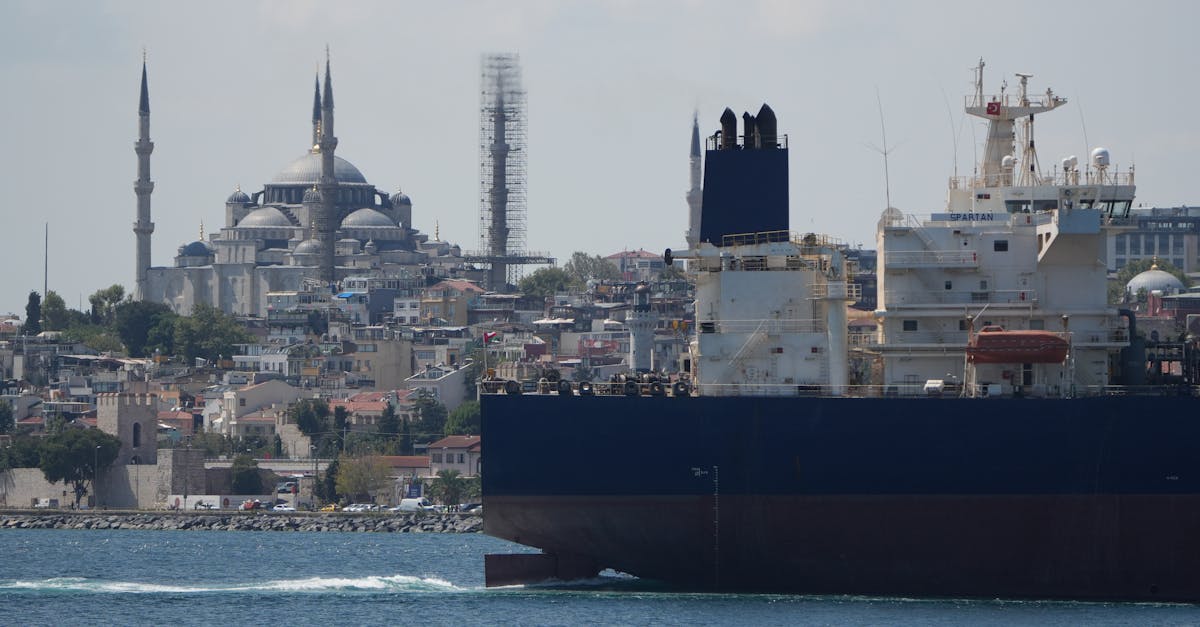
Discover the essential role of a hospital ship, designed to provide emergency medical care at sea, combining advanced technology and medical expertise to save lives.
Découvrez notre guide complet — destinations, budget, visa, faune et conseils pratiques pour préparer votre voyage.

📖 Vous aimerez aussi

Transition à Madagascar : la société civile et la Génération Z face aux doutes sur le « Programme de la Refondation »
3 March 2026
Fermeture de l’aéroport de Dubaï : chaos et désarroi chez les voyageurs bloqués
2 March 2026


