


A crisis emerges over Jirama’s status in the face of contested reforms
As Madagascar seeks to overcome its energy and financial challenges, the plan to transform Jirama into a publicly-owned public limited company has crystallized social tensions. The official announcement, published in the Official Journal on April 15, 2025, has not left anyone indifferent. At the heart of the debate are the demands of workers’ unions, notably the Tambaben’ny Mpiasa Jirama (Tambabe) collective, whose mobilization is intensifying. Employees denounce a reform that threatens their rights and current status, associating it with a logic of disguised privatization. The future of working conditions, social dialogue, and professional solidarity heavily depend on it. With a colossal operating deficit, the company faces a colossal debt of more than 1,439 billion ariary in 2023 and a continued decline in revenue, which exacerbates distrust and weakens union commitment.This context of crisis raises fundamental issues. The implementation of the reform of the bylaws is perceived as an attempt to satisfy external demands, particularly those of the World Bank, while ignoring the legitimate demands of those responsible for maintaining access to water and electricity for the Malagasy population.
Discover trends, tips, and advice for today’s workers. Explore articles on time management, work-life balance, and best practices to optimize your career. The challenges and motivations behind Jirama’s transformation into a public limited company The transformation of Jirama into a public limited company with majority state ownership is part of a financial recovery strategy adopted by the Malagasy government. Several factors explain this approach:
🔍

: The World Bank is insisting on restructuring to facilitate access to crucial aid.
💼
- Optimizing operational management : The new structure must aim for greater efficiency and more transparent management of public resources. 📈
- Debt reduction and increased investment : The restructuring must reduce costs and improve the financing of energy projects. ⚖️
- Compliance with legal and tax frameworks : The new organization must also support compliance with national regulations while respecting workers’ rights. 🤝
- Ensuring credibility with partners : The transition must enable the company to attract more investors, without compromising its public service mission. But this transition is not without controversy. The majority of employees believe this reform could weaken their working conditions and social security. Their main concern lies in the fear of losing their status, in a context where workforce reduction strategies through retirements or administrative restructuring are heavily criticized. Discover the latest trends and innovations affecting today’s workers. Dive into resources and tips to improve employee productivity, well-being, and work-life balance.
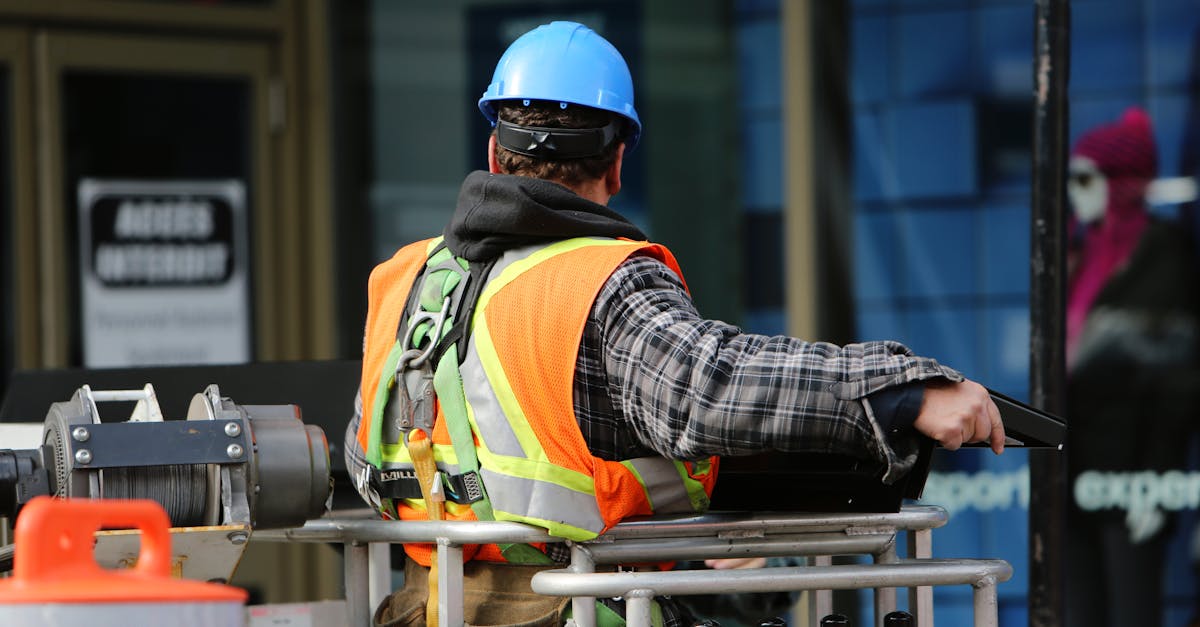
- Workers’ demands regarding the reform of Jirama’s status Trade unions, particularly the Jirama Workers’ Union, are vigorously mobilizing to assert their demands. Their main message revolves around the fundamental principles of protecting rights and maintaining decent working conditions. For several months, a climate of tension has been building, fueled by concrete demands: ✊
Categorical rejection of disguised privatization
🗣️
Demands for transparent collective bargaining
- : Employees are calling for sincere social dialogue to consider a restructuring that respects rights. 💪 Strengthened professional solidarity
- : Collective protection must accompany any change, guaranteeing stable jobs and social conditions. 🔒 Guarantee against unfair dismissal
- : The recovery plan must include assurances regarding the maintenance of staffing levels and social rights. 🌍 Maintaining public service missions: Society must continue to guarantee equitable access to water and electricity, without sacrificing social imperatives.
- These demands are part of a rationale for social dialogue. The fear of a future where economic interests prevail over the protection of stakeholders compromises any prospect of a balanced and sustainable recovery. However, the international community, particularly the Malagasy government, insists on the need for effective reform, while remaining attentive to social concerns. Discover the challenges and importance of workers in the modern world. Explore the different types of workers, their roles, and how they shape our society and the economy. Structural and economic challenges: an overload for managing society
- Jirama’s financial situation has become critical for several years. The company is facing recurring deficits and a continuously growing debt. In 2023, its monthly revenues amounted to 83 billion ariary, compared to expenses of 170 billion, culminating in a monthly deficit of 90 billion. The accumulated debt now exceeds 1,439 billion ariary. This profound imbalance has several consequences: Key Factors
Impact 📉 Low profitabilityConstantly increasing financial losses
Limited ability to invest in modernization
🛠️ Outdated infrastructure
Increasing maintenance and repair costs
| 💎 Low operational efficiency | Loss of confidence among financial partners and suppliers |
|---|---|
| ⚠️ Risk of bankruptcy | Persistence of economic difficulties in the medium term |
| To address this situation, management is considering structural reforms. However, these changes must be accompanied by prudent management, emphasizing the protection of working conditions and negotiation with the workers’ union. | Recovery Strategies: Between Modernization and Protest |
| Jirama’s recovery plan includes several key areas: | 🔧 |
| Human Resources Reorganization | : Strengthening technical teams and gradually reducing administrative staff. |
| 💼 | Process Optimization |
: Implementation of more transparent and efficient management.
📊
Targeted Investments
- : Modernization of infrastructure to reduce costs and improve service quality. 🙌 Strengthened Social Dialogue
- : Regular consultation with worker representatives to avoid unnecessary conflict. 🌱 Commitment to Social Responsibility
- : Protection of employees’ rights and working conditions throughout the process. However, these strategies are facing strong opposition from the union, which is keen to preserve its current status and protect its rights. This underscores the extent to which crisis management requires a fair balance between economic efficiency and respect for social dialogue. Future prospects: consolidating social and economic stability
- Despite the tensions, the question remains: how can we build a future where the company can fulfill its missions while respecting its stakeholders? The answer could lie in a concerted approach based on transparency and continuous negotiation. Consideration of workers’ demands, particularly their request to avoid any privatization, must be integrated into the reform process. An effective strategy must also include the democratization of social dialogue. The opening of in-depth social negotiations could strengthen professional solidarity and ensure lasting stability, essential to the company’s very survival. International issues and the role of governance in the crisis
- Jirama’s change in status is also influenced by international factors. Madagascar’s desire to obtain financial aid rests largely on its ability to demonstrate the viability of its state-owned company. Transparent, rights-respecting management and balanced reform appear essential to reassure external partners. Furthermore, the company’s governance is establishing itself as a central pillar of this transition. The establishment of monitoring and dialogue mechanisms with social stakeholders must ensure the legitimacy of the decisions made. Corruption, abuse, or the marginalization of social stakeholders could compromise the credibility of the process. https://www.youtube.com/watch?v=GIhtCj7GVZQ
Inclusive governance, incorporating active union participation, will help build a common project, uniting all stakeholders around a shared vision of the right to a sustainable and efficient public service.
Frequently Asked Questions (FAQ)
📌 Does the reform of the statutes automatically lead to layoffs?
Not necessarily. Management assures that the plan provides for a gradual reduction in staff through retirements, without unfair dismissals. However, employees’ concerns remain high, as genuine social dialogue is essential to ensure their protection.
💡 Can the company guarantee continuity of services in the event of a change in status?
Yes, a gradual reorganization and strengthened management must ensure continuity of service, notably through infrastructure modernization and transparent management.
🤝 How can constructive dialogue be fostered between management and employees?
The demands primarily concern protection against privatization, guaranteed working conditions, and the preservation of public service missions.
🌱 What role can the international community play in this crisis?
- It can support Madagascar with financial aid conditional on responsible management, while ensuring that workers’ rights are respected.
🔗 Sources & références
Pour aller plus loin, consultez les sources citées dans cet article :
- Employees denounce a reform that threatens their rights and current status, associating it with a logic of disguised privatization. The future of working conditions, social dialogue, and professional solidarity heavily depend on it. With a colossal operating deficit, the company faces a colossal debt of more than 1,439 billion ariary in 2023 and a continued decline in revenue, which exacerbates distrust and weakens union commitment. — moov.mg
- 📉 Low profitability — msn.com
Découvrez notre guide complet — destinations, budget, visa, faune et conseils pratiques pour préparer votre voyage.

📖 Vous aimerez aussi

Transition à Madagascar : la société civile et la Génération Z face aux doutes sur le « Programme de la Refondation »
3 March 2026
Fermeture de l’aéroport de Dubaï : chaos et désarroi chez les voyageurs bloqués
2 March 2026


