Madagaskar ist ein faszinierendes Land mit einer Artenvielfalt, einer Geschichte und einer einzigartigen Kultur, die sich durch unterschiedliche Facetten auszeichnet. Wenn Sie Interesse haben, diesen unergründlichen Ort zu erkunden, können Sie sich erkundigen, welche Informationen Ihnen in Madagaskar zur Verfügung stehen:
- Madagaskar ist mit einer Oberfläche von 600.000 km² eines der größten Gebirgszüge. Es liegt im Indischen Ozean in Afrika.
- Es ist auf eine einzigartige Artenvielfalt und einzigartige Merkmale wie Blumen, Kamele und Affenbrotbäume ausgelegt. 90 % der Pflanzen- und Tierarten Madagaskars sind endemisch und kommen nirgendwo auf der Erde vor.
- Madagaskar hat eine reiche und komplexe Geschichte mit Einflüssen aus Afrika, Asien und anderen Ozeanen. Die Malgache-Kultur ist sehr vielfältig und umfasst viele verschiedene Sprachen und Traditionen, die sich an den Regionen der Welt orientieren.
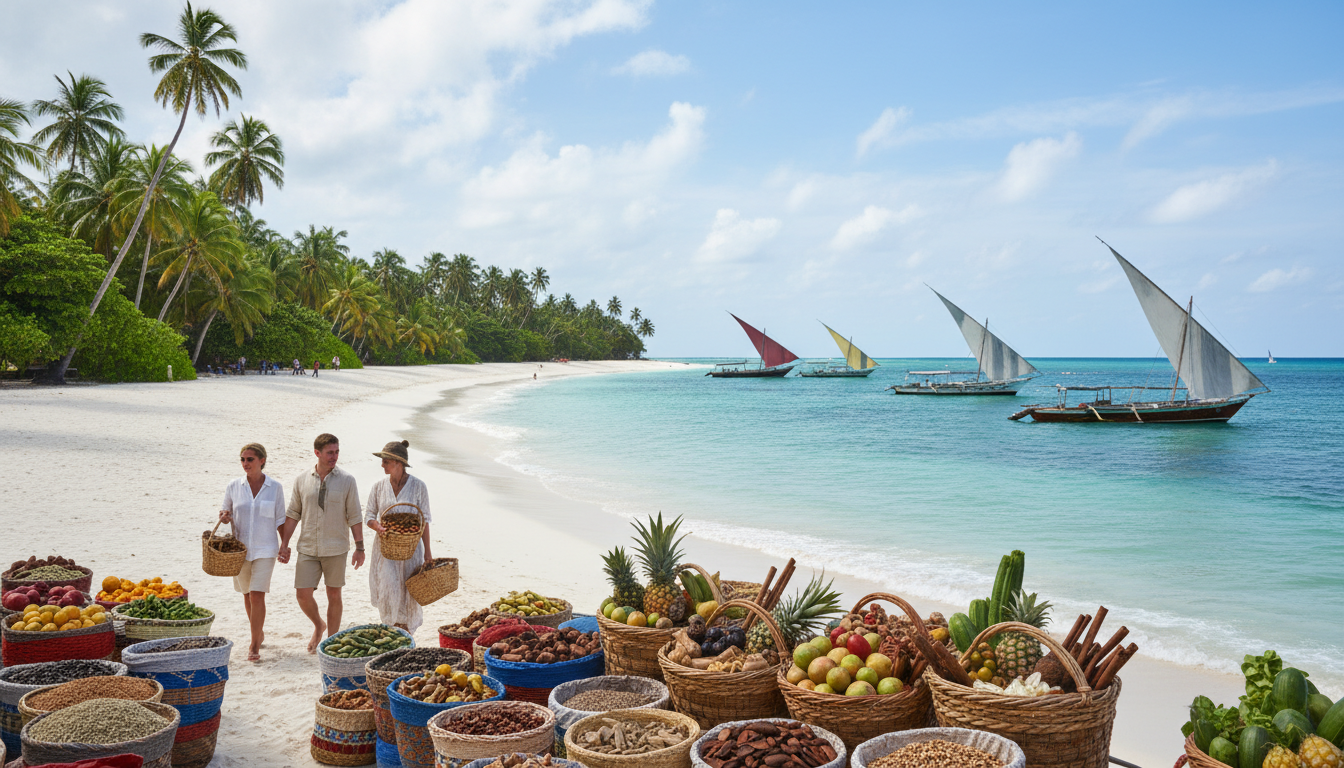
- Die Zahlungsmittel gehören zu den größten Märkten Afrikas, dessen wirtschaftliche Hauptgrundlage die Landwirtschaft ist. Darüber hinaus gibt es in Madagaskar zahlreiche Möglichkeiten für Tourismus und Naturerkundung mit wunderschönen Stränden, Nationalparks und Naturschutzgebieten.
Fakten zur Geographie und Umwelt Madagaskars
Hier einige Informationen zur Geographie und Umwelt Madagaskars:
- Das Klima Madagaskars ist sehr vielfältig und umfasst tropische, subtropische und gemäßigte Regionen. Die Sommersaison beginnt im November und im April, in den Sommermonaten beginnt die Sommersaison im Oktober.
- Madagaskar liegt am „Rim of Fire“, einer aktiven geologischen Zone, die für Erdbeben und Vulkanausbrüche verantwortlich ist. Die Anzahl der aktiven Vulkane wird so berechnet, dass der Berg Maromokotro und der Berg Tsaratanana vorhanden sind.
- Die Kosten hierfür tragen vor allem tropische Wirbelstürme bei, die Schäden an wichtiger Infrastruktur und Sachschäden verursachen können.
- Neben der Abholzung ist Madagaskar mit Umweltauswirkungen wie Umweltverschmutzung, Beeinträchtigung der Artenvielfalt und Klimawandel konfrontiert. Diese Bemühungen zielen auf den Schutz der Umwelt und der Artenvielfalt ab, wobei stets auf die Einhaltung von Naturschutz- und Nachhaltigkeitsrichtlinien geachtet werden muss.
Fakten zur Geschichte und Kultur Madagaskars
Hier einige Fragen zur Geschichte und Kultur Madagaskars:
- Madagaskar hat eine reiche und komplexe Geschichte mit Einflüssen aus Afrika, Asien und Ozeanien. Wenn die Legende eingeschaltet ist, wird es von denen verwendet, die ihren Weg durch Afrika und Asien und auf vielen anderen Rädern finden.
- Die Malgache-Kultur ist sehr vielfältig und umfasst viele verschiedene Sprachen und Traditionen, die sich an den Regionen der Welt orientieren. Die französische Sprache ist eine Amtssprache, die auf dem Einfluss des Kolonialfranzösisch im 19. Jahrhundert beruht.
- Die vorherrschende Religion in Madagaskar ist der Islam, gefolgt vom Christentum und deformierten traditionellen Traditionen.
- Kunst und Kunstwerke sind ein wichtiger Teil der Malgache-Kultur. Es stehen Namen von Kunstgegenständen und Kunstobjekten zur Verfügung, darunter Masken, Statuen, Schmuck und Textilien.
- Musik und Tanz sind ein wichtiger Teil der Malgache-Kultur, mit vielen populären Musikgenres, solchen, die sich verkaufen, dem Sega und der Musik. Diese traditionellen Tänze werden bei Festen und Zeremonien aufgeführt.
Fakten zur Wirtschaft und zur Madagaskar-Politik
Hier finden Sie Informationen zu den Interessen der Investoren an der Wirtschaft und der Madagaskar-Politik:
- Madagaskar ist eines der Länder Afrikas mit den höchsten Löhnen, da das PIB auf einer relativ bewohnten Fläche und in großer Höhe des Landes basiert. Die Landwirtschaft ist die Haupteinnahmequelle und umfasst den Anbau von Reis, Mais, Kaffee und Kakao.
- Der Tourismus ist ein wichtiger Wirtschaftszweig für Madagaskar, da es dort viele Naturstätten und Kulturen zu entdecken gibt, wie etwa Ilmuriens, Baobabs und üppige Wälder.
- Mit der Unabhängigkeit im Jahr 1960 war das Land stärker politisch reglementiert und erlebte Phasen der Stabilität und Turbulenzen. Im Jahr 2018 erlebte Madagaskar im Zuge der von der Association for the Development of Africa Australe (SADC) durchgeführten Anfechtung der Ergebnisse der Präsidentschaftswahlen eine schwere politische Krise.
- Derzeit wird Madagaskar seit 2018 von Präsident Andry Rajoelina regiert. Die Regierung von Präsident Rajoelina übt einen starken Einfluss auf die Sanierung aus, um die Wirtschaft vor den Zahlungen zu schützen, Korruption vorzubeugen und eine nachhaltige Entwicklung zu fördern. Der Rest des Geldes bleibt derweil im Haus und kommt unter anderem Armen, sozialen und politischen Einrichtungen zugute.
Fakten zur Küche und den traditionellen kulinarischen Traditionen Madagaskars
- Die Malgache-Küche ist von vielen Kulturen beeinflusst, darunter Afrika, Asien und Frankreich. Die Teller werden sorgfältig zusammengestellt und mit frischen Zutaten wie Reis, Gemüse, Obst und Gemüse zubereitet.
- Der Reis ist das Hauptgericht der Malgache-Küche und wird mit Gerichten, Fisch oder Wein serviert. Der Reis wird zur Zubereitung von Gerichten wie Kokosreis und Hülsenfruchtreis verwendet.
- Der Fisch ist in Madagaskar eine wichtige Proteinquelle und wird zur Zubereitung verschiedener Speisen verwendet, beispielsweise gegrillt, gebraten oder als Soße. Der Fisch wird als Souvent mit Reis und Hülsenfrüchten serviert.
- Hülsenfrüchte und Obst spielen in der Küche der Malgache eine große Rolle und sind in großer Vielfalt erhältlich, beispielsweise Tomaten, Auberginen, Zucchini, Mangos und Papayas.
- Zu den traditionellen Getränken Madagaskars gehören Kokoskaffee, Men und Fruchtsaft. Der Rum erfreut sich in Madagaskar großer Beliebtheit und kann zur Zubereitung von Cocktails oder zum Aromatisieren von Gerichten verwendet werden.
Zusätzlich zu diesen Hauptgerichten umfasst die Malgache-Küche eine Reihe besonderer Orte im Freien, die Ihnen Folgendes verraten:
- Die Fischsuppe: Eine epische Suppe auf der Basis von Fisch, Hülsenfrüchten und Reis, die gerne drinnen serviert wird.
- Die Haut ist: der Mund oder der Mund ist Haut und Mund, die Ihnen auf dem Land und im Wald gute Dienste leisten werden.
- Bananen-Kochbananen-Beignets: Bananen-Kochbananen-Beignets sind alles andere als ein Lebensmittel oder eine Hülsenfrucht oder Frittiertes.
- Die Namen: Druckrouletten, verschiedene Teile des Lebensmittels oder Hülsenfrüchte und Fritten.
- Der Fahrer: Ein Teller mit warmem Schweinefleisch und Maniküre, passend zum Bankettsaal und Service bei Ihnen.
In Malaga legen die Menschen großen Wert auf kulturelle Traditionen und gemeinsame Essensgelegenheiten. Für Familienfeiern und Feste wird das Licht in großen Mengen bereitgestellt und die Krippenkollekte steht zur Verfügung, wobei die Hauptleitung zur Bedienung auf einer gemeinsamen Plattform genutzt wird.
Zusammenfassend
Voici eine Gebühr für alle abordés Punkte:
- Madagaskar ist ein Ort im Indischen Ozean mit einer Fläche von 600.000 km². Es zeichnet sich durch eine einzigartige Artenvielfalt und einzigartige Besonderheiten wie Büsche, Kamele und Affenbrotbäume aus. Die Artenvielfalt ist durch die Abholzung der Wälder infolge der Umwandlung von Festungen in landwirtschaftliche Betriebe, der Waldnutzung und der Forstwirtschaft gefährdet.
- Die Geschichte und Kultur Madagaskars sind reich und komplex und weisen Einflüsse aus Afrika, Asien und dem Ozean auf. Die Malgache-Kultur ist sehr vielfältig und umfasst viele verschiedene Sprachen und Traditionen. Madagaskar wurde im 19. Jahrhundert von Frankreich kolonisiert und in der Sprache und Kultur des Landes sind Spuren des kolonialen Einflusses zu sehen.
- Die Wirtschaft und die Madagaskar-Politik entwickeln sich ständig weiter. Die Zahlungen erfolgen aus mehr Ländern Afrikas und es gibt seit der Unabhängigkeit im Jahr 1960 mehr politische Regime. Derzeit werden die Zahlungen von Präsident Andry Rajoelina geleitet und es gibt wirksame Maßnahmen anstelle von Reformen zum Schutz der Wirtschaft der Zahlungen, später zur Bekämpfung der Korruption und zur Förderung einer nachhaltigen Entwicklung.
- Die Küche und die traditionellen kulinarischen Traditionen Madagaskars sind von zahlreichen Kulturen geprägt, darunter Afrika, Asien und Frankreich. Der Reis ist das Hauptgericht der Malgache-Küche und wird mit Fisch, Hülsenfrüchten und Früchten serviert. Fisch, Hülsenfrüchte und Obst spielen in der Malgache-Küche eine große Rolle. Zu den traditionellen Getränken gehören Kokosmilch, Menthe und frittierter Fruchtsaft sowie Rum. Das Licht wird deshalb in großen Mengen für Familientreffen und Feiern bereitgestellt und es handelt sich um ein großes Krippenensemble, das die Hauptstromversorgung auf einer gemeinsamen Plattform nutzt.
Découvrez notre guide complet — destinations, budget, visa, faune et conseils pratiques pour préparer votre voyage.