An Ambitious Conservation Initiative in Madagascar: The Creation of the Sainte-Marie Protected Area
Located in the heart of the Indian Ocean, Madagascar is one of the richest territories in the world in terms of biodiversity, but also one of the most fragile. Facing threats from deforestation, overfishing, and unregulated human activities, Sainte-Marie Island stands out as a true gem to be preserved. Recently, a major project was launched to establish a protected area for this emblematic region, a decisive step forward in the dynamics of Madagascar Conservation. The environmental complexity of this small island, coupled with the need for sustainable management, is driving collective action, bringing together associations, governments, and local stakeholders, to ensure a sustainable future for this unique site. The creation of such an area represents not only a strategic step forward for biodiversity, but also an opportunity to foster an exemplary model of marine and terrestrial conservation, integrating the participation of local communities within a comprehensive ecosystem framework. Discover the importance of protected areas for biodiversity and environmental conservation. Learn how these spaces preserve fragile ecosystems and provide refuge for endangered species, while promoting sustainable development.
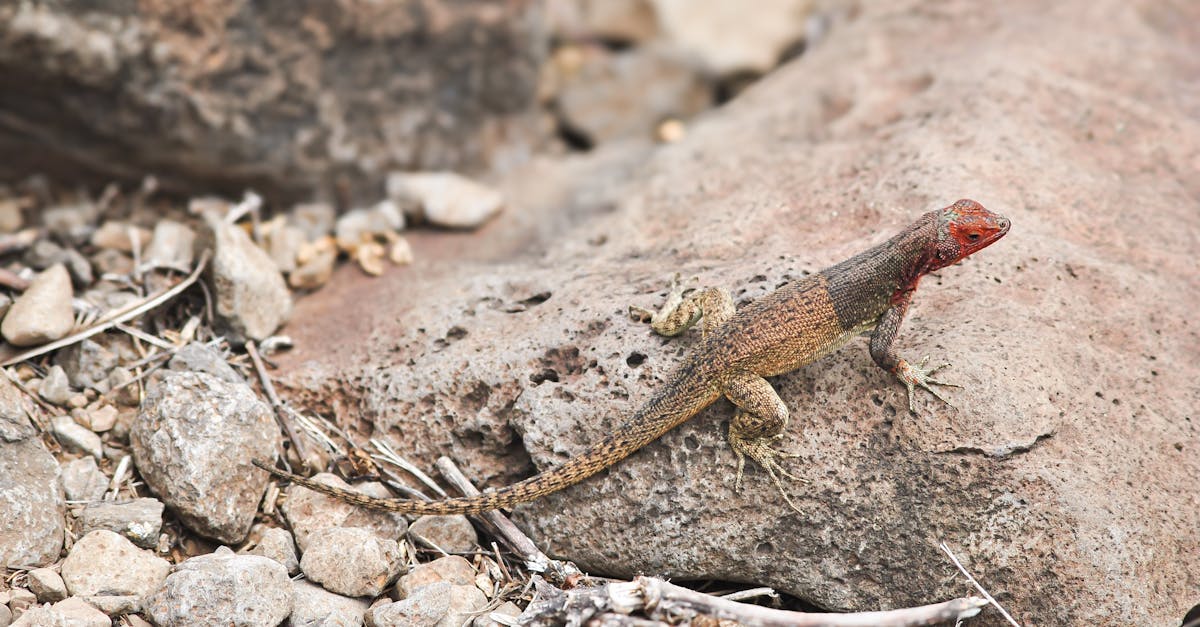
Sainte-Marie’s status as a key area for the Madagascar Wildlife Foundation and Madagascar Nature Alliance raises many questions. In 2025, this small island of 165 km² is at a crossroads: on the one hand, the preservation of its rare ecosystems, and on the other, economic development for tourism. However, pressure is intensifying with the expansion of human activities, particularly illegal fishing and logging. The biological diversity there is exceptional, with more than 4,200 hectares of rainforest home to some sixty endangered species, including several endemic birds and rare reptiles. The main issues encountered, specifically:
🌿 Rapid deforestation, which reduces critical habitats for local wildlife
🎣 Overfishing, which weakens the marine food chain
- 🚧 Inadequate management of natural resources, despite international efforts
- 💰 Local poverty, which encourages some to resort to destructive practices to survive
- ⚠️ The threat of climate change, increasing the risks of erosion and flooding
- Consequences for biodiversity and the local community
- This critical context cannot be ignored. The gradual loss of rare species directly impacts local ecological stability, while diminishing the island’s tourism and economic potential. Furthermore, local populations, often dependent on natural resources, express concern about the decline in their livelihoods, which can fuel tensions and compromise local governance. The difficulty lies in the need to reconcile conservation and development, a major challenge identified by the Association for the Protection of the Environment as part of the Sainte-Marie Eco-Project.
Faced with these challenges, the Malagasy government, supported by international partners, is moving towards an integrated management model, promoting community participation and sustainable preservation. But the question remains: how can we ensure the future of Sainte-Marie without exacerbating social disparities or further degrading its environment?
discover the importance of protected areas for the preservation of biodiversity and the safeguarding of ecosystems. explore the challenges and initiatives aimed at conserving these essential natural spaces for future generations. Concrete steps for the establishment of the Sainte-Marie Protected AreaFor several years, negotiations have intensified to define a robust legal framework, capable of guaranteeing the long-term protection of this area. This process is based on in-depth scientific studies, attesting to the ecological wealth and vulnerability of the island. The recent signing of a financing agreement, estimated at around 1.2 billion ariary, marks a crucial step in making this project a reality. The partnership between the Malagasy State, the Global Environment Facility and various NGOs such as Madagascar Conservation and Bioville Madagascar underlines a renewed commitment to transparent and participatory management.
The essential steps in creating the protected area include:

🤝 The mobilization of local communities, particularly the population of Sainte-Marie
📝 Drafting and validation of strict regulations
🌊 Implementation of an action plan for marine and land management
- 🎯 Continuous monitoring and evaluation aimed at adjusting strategies if necessary
- Beyond the legal aspects, this effort requires coordination between several stakeholders: local authorities, researchers, associations such as the Madagascar Wildlife Foundation, and economic actors to ensure effective synergy, essential for overcoming environmental challenges.
- Discover protected areas, preserved natural spaces that play a crucial role in biodiversity conservation. Explore their importance to the environment and the initiatives aimed at protecting them for future generations.
- Funding and partnerships to support conservation in Sainte-Marie
- The financial challenge is often the first obstacle to the realization of a project of this magnitude. In 2025, the budget dedicated to the protection of Sainte-Marie was increased, notably thanks to a contribution from the Global Environment Facility and European funds invested in the Sainte-Marie Eco-Project. These resources made it possible to launch preliminary studies, finance the training of local managers, and establish monitoring and awareness-raising infrastructure. Funding Source
Estimated Amount
Global Environment Facility
1.2 billion Argentine Ar GrantsEuropean Partners
| Variable | Technical and Financial Support | National Agencies & NGOs |
|---|---|---|
| Various Contributions | Expertise, Training, Awareness-Raising | This wide-ranging support demonstrates the growing international awareness of the need to preserve Madagascar’s unique biodiversity, particularly in areas as sensitive as Sainte-Marie. Financial mobilization is a crucial issue, not only to finance the creation of the protected area but also to ensure the long-term sustainability of management measures. |
| Levers for Sustainable Management of the Protected Area in Sainte-Marie | The success of such a project depends on participatory and sustainable management, integrating the island’s specific environmental and socio-cultural characteristics. The establishment of a management committee, including local communities, government agencies, and technical partners, is essential. The development of monitoring tools, such as remote sensing or participatory surveillance, would help anticipate risks of degradation. Furthermore, promoting sustainable tourism, particularly through the operation of Madagascar ecolodges, could generate local revenue while strengthening environmental awareness. 🌱 Training for managers and local stakeholders | 🛡️ Building capacity in ecological monitoring |
| 💚 Developing eco-responsible tourism | 🤝 Collaborating with international organizations, such as Madagascar Conservation | 📊 Maintaining rigorous scientific monitoring |
Concrete examples of innovative management
Initiatives such as co-governance, where communities are full stakeholders, are proving promising. Raising awareness through campaigns in places such as Bioville Madagascar or during specific events helps strengthen this approach. Promoting natural heritage through ecotours, particularly those offered by the Madagascar Wildlife Foundation, can transform environmental management into a real economic driver.
Implementation challenges and the need for collective action in Sainte-Marie
- Despite progress, the road to a fully operational protected area remains fraught with obstacles. Weak local management capacities, poverty, and sometimes political issues complicate the process. Mobilizing collective commitment therefore becomes a sine qua non condition for overcoming these challenges. Institutional regionalization, governed by a coherent regulatory framework, must promote transparency and accountability. The active participation of the local population, particularly through the Community Management School, would help bring about real change. Awareness-raising must also extend to international solidarity, through workshops, conferences, and the exchange of best practices. The success of this initiative could serve as an example for other threatened habitats in Madagascar and the region, thus illustrating a global awakening to the current ecological crisis. Future prospects for conservation in Sainte-Marie in 2025 and beyond
- The Sainte-Marie protected area project is part of a long-term commitment, supporting the vision of numerous local and international stakeholders. By 2025, this initiative has the potential to become a model of sustainable management, combining urgent protection and responsible economic development. The implementation of strategies such as integrated management zones or the creation of biological corridors, particularly in connection with the Terres de Madagascar, could strengthen the ecological resilience of this region. The key to success lies in strengthened cooperation between governments, NGOs, local communities, and economic stakeholders such as Bioville Madagascar.
- This project should not be seen as an end in itself, but as a step toward a broader collective consciousness. The preservation of Sainte-Marie could thus become a flagship example of the globalization of conservation efforts, making it possible not only to preserve an exceptional heritage site, but also to overcome the environmental crises of the 21st century together.
- Frequently Asked Questions (FAQ) about the Sainte-Marie Protected Area in 2025
- 1. When will the official creation of the protected area in Sainte-Marie take effect?
The concrete implementation of this protected area is planned for the end of 2025, following legislative approval and the finalization of management plans.
2. How is the local population involved in this project?
Training, awareness-raising, and community management programs have been implemented to ensure their active participation, which is vital to its long-term success.
3. What activities will be permitted in the protected area? Sustainable activities such as ecotourism, regulated fishing, and scientific research will be prioritized, with care taken to minimize the ecological impact.4. Which international alliances support this project?Partners such as Madagascar Conservation, Madagascar Wildlife Foundation, and the Global Environment Facility play a key role in funding and strategic advice.
5. What will be the impact of this protected area on tourism and the local economy? Integrated and sustainable management should promote responsible tourism, generating revenue while preserving the environment, as demonstrated by several ecotourism initiatives in Madagascar. Source:
www.rfi.fr
🔗 Sources & références
Pour aller plus loin, consultez les sources citées dans cet article :
Découvrez notre guide complet — destinations, budget, visa, faune et conseils pratiques pour préparer votre voyage.

📖 Vous aimerez aussi

Transition à Madagascar : la société civile et la Génération Z face aux doutes sur le « Programme de la Refondation »
3 March 2026
Fermeture de l’aéroport de Dubaï : chaos et désarroi chez les voyageurs bloqués
2 March 2026