A Little Girl’s Unbearable Distress Faced with the Inaction of Those Around Her in Madagascar
In 2025, Madagascar continues to face serious challenges in child protection, illustrated by a tragedy that has shaken public opinion. A little girl, a victim of repeated abuse, endured horrific events, the severity of which was compounded by her mother’s alleged complicity. This tragedy, which reveals the flaws in the social justice and family mediation systems, highlights the urgent need to adopt concrete measures to ensure the effective protection of children’s rights. The precarious situation of this little girl raises multiple questions about the ability of Malagasy institutions to prevent and punish these acts of violence, while highlighting the need to strengthen awareness and preventative education within communities. The mobilization of all stakeholders—institutions, civil society, and the public—is essential to address this humanitarian crisis and truly accelerate the fight against violence. Discover an in-depth analysis of the topic of abuse, its implications, its consequences, and how to deal with it. An essential look at a sensitive subject that affects many lives.

Cases of sexual abuse, often concealed or ignored, are a persistent reality in several regions of Madagascar. According to a report published in 2025, the number of child victims has seen a significant increase, illustrating the scale of the problem. Among them, many minors are victims of violence perpetrated by relatives or third parties, in a context where the weak legal framework and the lack of protective measures contribute to impunity. In Anosizato, a district of Antananarivo, an 8-year-old girl was recently the victim of sexual violence, serving as a symbol of this systemic failure. Reporting these acts, often under pressure or fear, remains a colossal challenge. Establishing robust preventative education and raising awareness about child protection is essential to halt this downward spiral. Civil society and the authorities must work together to change this situation, where every child must benefit from a safe environment, free from violence and exploitation. Discover the consequences and challenges of abuse in all its forms. Learn about the warning signs, psychological impacts, and available support resources to address this social issue.
Legal proceedings and consequences of child sexual abuse in Madagascar
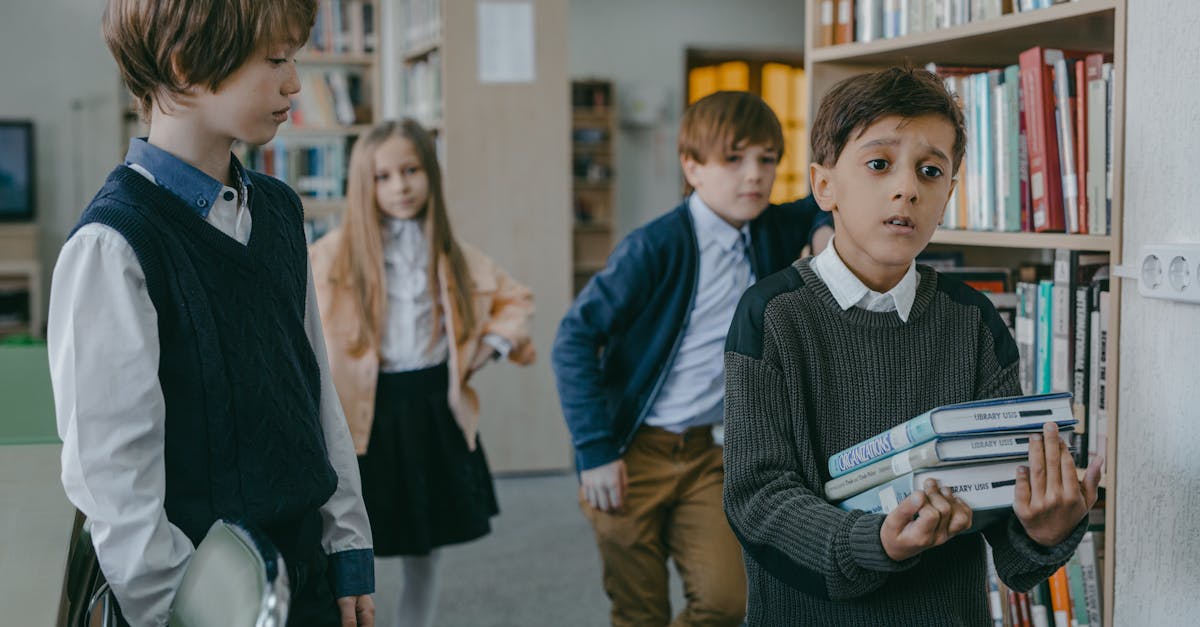
The challenges of raising awareness and education to prevent child abuse.
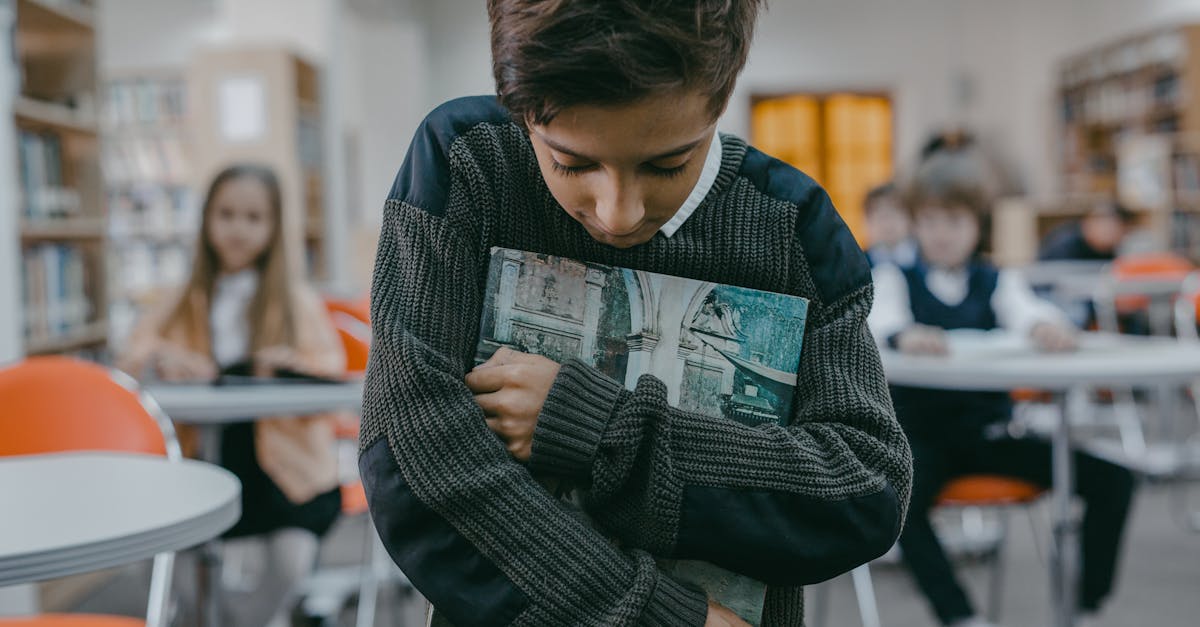
It appears that raising public awareness is a crucial step in combating violence against children. While preventive education campaigns are being implemented in Madagascar, their effectiveness faces certain obstacles, such as silence and stigma. However, the community, particularly schools and associations, must intensify its efforts to make children and their families more vigilant about suspicious behavior. In 2025, several initiatives trained local stakeholders in early detection, but a collective commitment must further involve the media, community leaders, and religious institutions. Awareness-raising must not be limited to rhetoric but include concrete actions such as psychological support, family mediation, and the creation of an environment conducive to victims’ expression. Prevention also involves education on autonomy and children’s rights, in order to build a more resilient and informed generation. Key Awareness-Raising Actions
Training of Teachers and Community Leaders 🧑🏫
Improved Abuse Detection and Rapid Response 🚀
| Regular Media Campaigns 📺 | Strengthening Collective Awareness |
|---|---|
| Family Mediation Workshops 🤝 | Rebuilding Dialogue and Trust |
| Distribution of Educational Materials 📚 | Expanding the Reach of the Preventive Message |
| The Role of Local and International Actors in Protecting Malagasy Children | Faced with the urgent need to break the cycle of abuse, cooperation between local actors and global partners is becoming essential. Implementing humanitarian aid programs aimed at supporting vulnerable families helps reduce the risk of abuse and promote social justice. For example, some NGOs in Madagascar are working in partnership with international institutions, such as the recent awareness-raising program launched in collaboration with the UN to strengthen child protection. These initiatives often include training for health workers, facilitating access to psychological support services, and creating emergency response channels. Community mobilization, through community advocacy, must unite all stakeholders around a common project, thus establishing a chain of solidarity and vigilance. The fight against violence must also be based on collective awareness, emphasizing the need for civic education rooted in respect for children’s rights. |
| Mechanisms and laws: what legislative framework to defend children’s rights in Madagascar? | For several years, Madagascar has adopted a series of laws aimed at strengthening the protection of children from abuse and violence. By 2025, these texts include mechanisms for rapid intervention and severe punishment of perpetrators of violence. The legislation provides, among other things, a maximum life sentence for rapists, as well as surgical castration measures in certain extreme cases. However, their practical implementation often remains problematic due to the lack of a sufficiently strengthened judicial system to effectively monitor each case. The need for structural reform, including training for judicial and law enforcement personnel, is imperative to ensure that every victim receives fair and swift justice. Furthermore, family mediation must be encouraged to repair broken relationships and provide lasting support for the psychological recovery of victims, as justice must not be limited to punishment, but must work towards the harmonious restoration of the family and society. |
What means are available to provide psychological support to victims and their families?
Appropriate psychological support is essential to help child victims overcome the trauma of abuse. In 2025, several specialized centers in the Antananarivo region now offer free or reduced-cost psychological support for these children and their families. This is an essential prerequisite for their recovery and encouragement of their voice. The resilience of victims, often overcome by fear and shame, requires professional support and an approach based on active listening. Humanitarian aid programs also emphasize the key role of families and communities in psychological recovery. Awareness of the importance of psychological support must also reach educators, healthcare workers, and civil society so that every child has access to an environment where they can finally express themselves without fear. Prevention also involves training workers in trauma management and family mediation to establish an effective chain of support.
Actions to ensure a better future for child victims in Madagascar
Combating violence and protecting children’s rights in Madagascar require an integrated strategy that unites all stakeholders around a common goal: ensuring a secure future for every minor. Priority actions include strengthening legislative measures, intensifying awareness-raising campaigns, training local stakeholders, and creating dedicated victim support structures. Family mediation, combined with psychological support, must become a pillar in rebuilding broken relationships. International cooperation, through targeted aid programs, can also provide lasting solutions to overcome humanitarian crises. Civic education, from an early age, must instill respect for fundamental rights and raise awareness about combating violence. Social transformation, to build a more just society, requires continued mobilization, involving governments, NGOs, communities, and individuals, to reverse the tragedy and pave the way for genuine child protection. Frequently Asked Questions about Child Protection and Justice in Madagascar
What legislative mechanisms are in place to protect Malagasy children?
Madagascar has adopted several laws aimed at strengthening child protection, including provisions against sexual violence, with severe penalties. However, their implementation needs to be strengthened to ensure real effectiveness.
How can civil society contribute to the fight against violence against children?
Through education, awareness-raising, and community mobilization, civil society plays a key role in prevention and support for victims. It also participates in advocating for a more robust legislative framework.
What are the major obstacles to implementing protection policies in Madagascar?
Major challenges include insufficient resources, corruption, a lack of training for judicial and social actors, and a culture of silence that often hinders the reporting of abuse.
What are effective ways to provide psychological support to victims?
The creation of specialized centers, training of workers, and raising awareness among families are essential to ensure appropriate and sustainable psychological support.
How can the international community encourage social justice in Madagascar?
By providing financial and technical support to local projects, strengthening legislation, and promoting awareness and training, the international community can foster a profound transformation of the child protection system.
Source:
www.linfo.re
Découvrez notre guide complet — destinations, budget, visa, faune et conseils pratiques pour préparer votre voyage.

📖 Vous aimerez aussi
Transition à Madagascar : la société civile et la Génération Z face aux doutes sur le « Programme de la Refondation »
3 March 2026
Fermeture de l’aéroport de Dubaï : chaos et désarroi chez les voyageurs bloqués
2 March 2026