
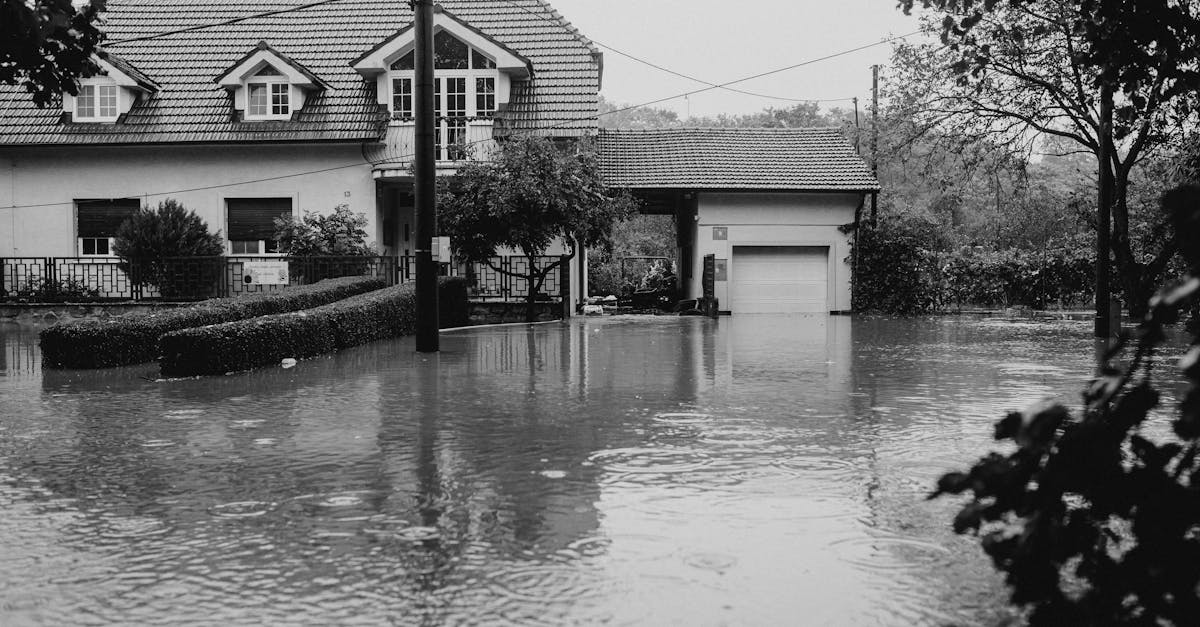

A major crisis is unfolding in the heart of Madagascar, where the potential collapse of a dam on the outskirts of Antananarivo could trigger a large-scale humanitarian catastrophe. In 2026, authorities and local populations are living under the constant threat of devastating flooding, fueled by record rainfall and fragile infrastructure. A red alert has been issued, and experts warn that several thousand households, particularly in the lower-lying districts of the capital, are in a situation of extreme vulnerability. The threat to Madagascar is not merely a hypothesis: it is based on alarming technical data, meticulous observation of recent floods, and reports attesting to the progressive deterioration of dams and dikes essential for water management. Should the dam break, the consequences would be disastrous, with rapid and massive flooding threatening the safety of the population, the integrity of infrastructure, and the socio-economic stability of the entire region. The situation demands the immediate mobilization of resources, a rigorous inspection of hydraulic structures, and an inclusive strategy to prevent irreparable damage.
The root causes of flood risk in Madagascar: overloading, vulnerability, and climate change
The causes of the imminent risk of flooding in Madagascar are rooted in a complex combination of natural and human-induced factors. The primary problem lies in the overloading of dams, often built in vulnerable areas or without a precise assessment of their actual capacity. These structures, intended to protect against flooding, struggle to withstand the pressure exerted by the volume of water during torrential rains. The 2026 rainy season was characterized by exceptionally intense rainfall, setting records for precipitation accumulation, particularly in Antananarivo and its surrounding areas, with an increase of nearly 30% compared to the historical average.
This climatic context exacerbates the vulnerability of infrastructure. Climate change is resulting in more intense and unpredictable weather events that rapidly overwhelm dams and dikes. Accelerated erosion and the degradation of materials also contribute to the fragility of these structures, making their failure both probable and imminent. The issue of maintenance is crucial: many dams and dikes, often built with long-term safety in mind, are now in a state of advanced disrepair due to a lack of proper upkeep. Poor management, combined with insufficient technical oversight, directly contributes to the current crisis.
Local challenges are amplified by socio-economic factors: rapid urban growth, the expansion of population centers into at-risk areas, and sometimes weak governance complicate the response to this worrying situation. Deforestation, which exacerbates runoff, along with uncontrolled urbanization, intensifies vulnerability to climate change. The increasing frequency of extreme weather events weakens the water management system, highlighting the urgent need for an integrated approach to mitigate this imminent risk. The concrete consequences of a dam failure: an apocalyptic scenario for Madagascar
A dam failure in the Antananarivo region could have catastrophic consequences, both human and material. The first and most immediate concern is for households at risk, primarily those located in low-lying areas and near rivers. Thousands of homes could be submerged within hours, triggering a large-scale humanitarian crisis. The flash flood would lead to the irreparable loss of personal property, the destruction of public infrastructure, and would put the emergency services, already mobilized to deal with the situation, in difficulty.
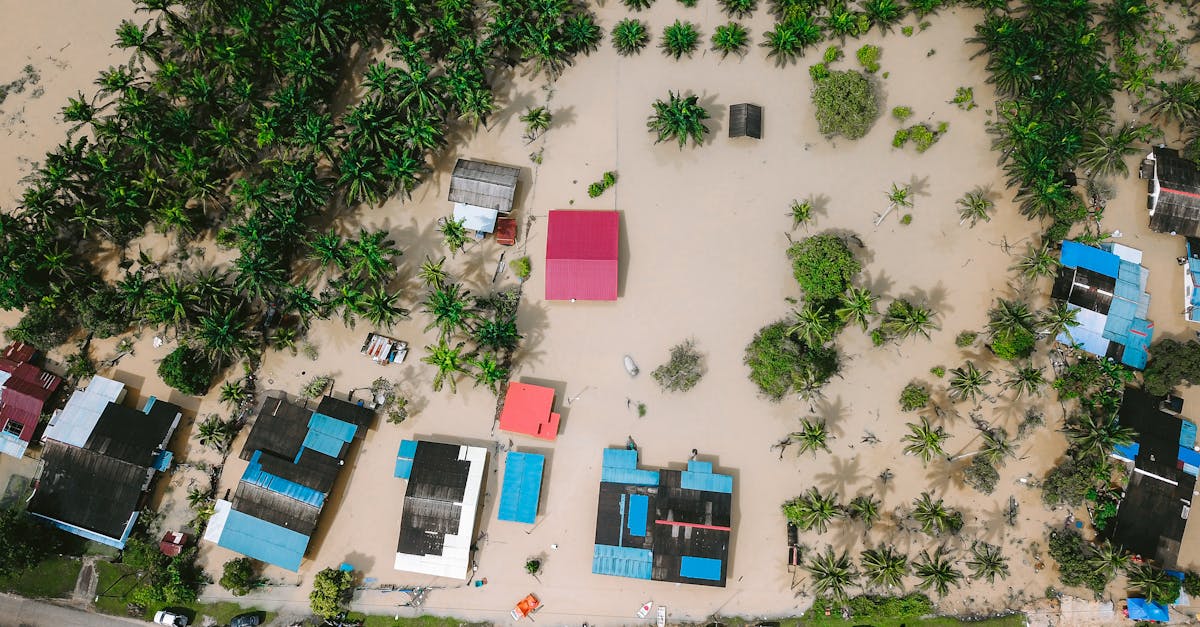
Discover the causes, impacts, and flood prevention measures to better protect your home and community.
Essential emergency and prevention measures in the face of flood risk in Madagascar
Faced with the serious threat of dam failure, the implementation of an emergency plan becomes imperative. The first step consists of a precise and continuous assessment of the condition of the infrastructure involved. Regular inspections, accompanied by technical audits, must confirm or refute the stability of dams. In parallel, early warning systems must be activated and their effectiveness tested to prevent any unforeseen events.
It is also crucial to broaden the national debate on water management strategies, involving all stakeholders, from local authorities to vulnerable populations. Awareness-raising plays a key role; directly informing communities about the appropriate actions to take in the event of an imminent dam break could save lives. Furthermore, international engagement, particularly through aid for strengthening hydraulic infrastructure, is often necessary to address the challenges posed by climate change and environmental degradation.
Among the concrete actions, securing at-risk areas, constructing new, reinforced dikes, and rehabilitating existing dams are priorities. Creating water reservoirs and improving drainage systems would also be sustainable solutions to reduce the impact of flooding. The case of the Sisaony dike, whose critical condition has been highlighted by experts, illustrates the urgent need to strengthen the resilience of critical infrastructure. Coordination between authorities, NGOs, and local populations must be intensified to address this looming crisis.
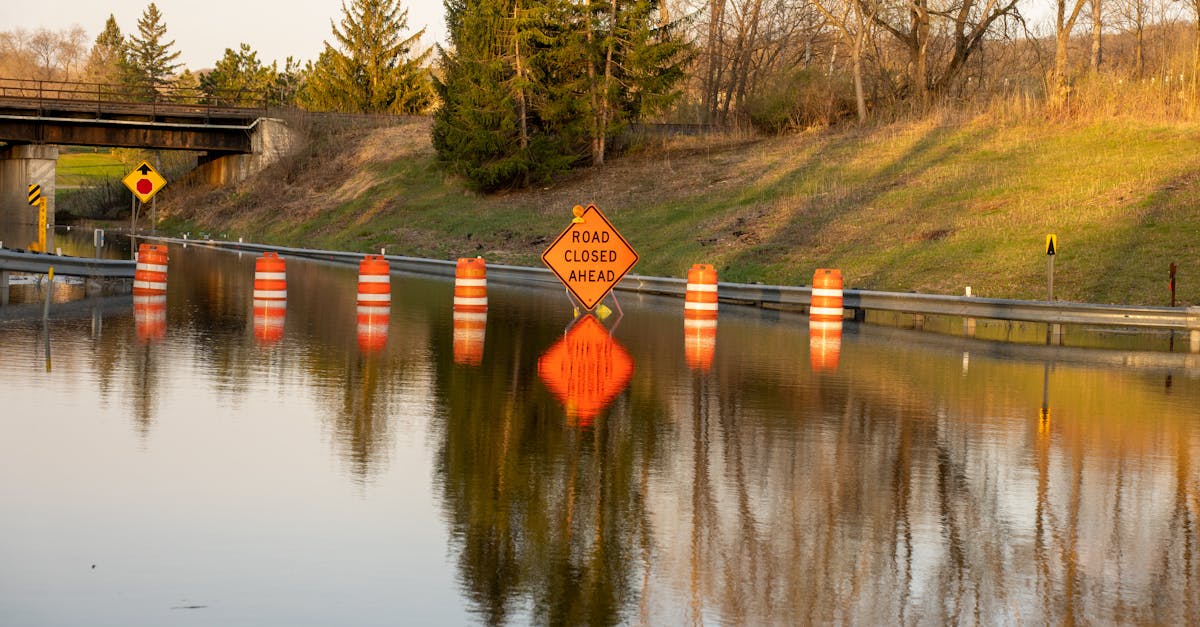
The flood events that have affected Madagascar in recent decades offer essential insights for developing long-term prevention strategies. The events of 2024, marked by torrential rains and exceptional water accumulation in Antananarivo, underscore the country’s vulnerability to extreme weather events. The disaster that year demonstrated that a lack of preparedness and proactive planning significantly exacerbates the impact of floods.
For example, during the 2019 floods, nearly 100,000 people were displaced, and economic losses exceeded several million dollars. Crucial lessons learned included the need for rigorous environmental monitoring, ongoing infrastructure maintenance, and adapting urban policies to address flood risks. These experiences show that every flood should serve as a wake-up call to strengthen commitment to prevention and community resilience.
Learn about the causes, impacts, and prevention measures of floods to protect your property and ensure your safety.
A Response to the Crisis: What Strategies for Madagascar in 2026?
The challenge facing Madagascar is not only technical, but also political and social. The stability of its cities in the face of flooding depends on collective commitment, transparent governance, and the capacity to anticipate risks. The situation of the Sisaony Dam, which could collapse at any moment, requires immediate measures to limit the disaster. Prioritizing structural projects, such as modernizing water infrastructure and revising urban planning, must become a national priority.
It would also be wise to strengthen regional cooperation in risk management, particularly with the countries of the Mascarene Islands region, in order to share innovative solutions and test advanced early warning systems. Mobilizing international financial aid could also help fund the reconstruction and modernization of essential infrastructure. In short, building resilience to flood risks in Madagascar requires a comprehensive, integrated approach that unites all stakeholders around a single objective: overcoming this crisis and ensuring the safety of every household. The next step could be the creation of a national risk management center, bringing together all partners to effectively coordinate future actions, guarantee public safety, and avert a looming disaster. Technological innovations and monitoring are essential to anticipate the inevitable.

The creation of monitoring stations, strategically installed around dams and at-risk areas, represents significant progress in anticipating any potential overflow. Numerical flood modeling, integrating hydrological and meteorological data, would also allow for the simulation of different scenarios and the preparation of appropriate responses.
| These technological advances perfectly complement awareness and planning efforts, strengthening the capacity for anticipation and the speed of response to an emergency that could otherwise become uncontrollable. Cooperation with international partners, particularly in the field of satellite monitoring, would be essential to enhance these systems and guarantee the safety of the population. Discover the causes, consequences, and solutions to prevent flooding. Learn about flood risks and protect your home effectively. | Summary table of dams and dikes in critical condition in Madagascar | Dam Name | Location | Estimated Capacity |
|---|---|---|---|---|
| Conservation Status | Potential Risk | Sisaony Dam | Antananarivo | 20 million m³ |
| Critical | Imminent failure 🚨 | Andranomanelatra Dike | Central Madagascar | 15 million m³ |
| Insufficiently maintained | Potential leak | Ambatolampy Dam | Southern Madagascar | 10 million m³ |
| Fragile | Rapidly flooded during heavy rain | Tsiribihina Dikes | Eastern Madagascar | 8 million m³ |
Degraded
Major flooding possible
Why is Madagascar particularly vulnerable to flooding?
The combination of rapid urbanization, aging infrastructure, and climate change intensifies the country’s vulnerability to floods and flash floods.
What are the main measures to prevent dam failure?
It is vital to conduct regular inspections, strengthen infrastructure maintenance, and install sophisticated early warning systems to anticipate any failures.
How can communities prepare for a flash flood?
Authorities must raise awareness, implement evacuation plans, and ensure that every household knows how to react quickly in the event of a dam break or flooding.
What are the challenges of international cooperation in this crisis?
International technical and financial support is essential to modernize infrastructure, strengthen monitoring, and develop integrated strategies to address climate risks.
What sustainable solutions can reduce vulnerability in the long term? Controlled urban development, the restoration of natural absorption areas, and the creation of water reservoirs are all approaches to strengthening resilience to flooding.
Découvrez notre guide complet — destinations, budget, visa, faune et conseils pratiques pour préparer votre voyage.

📖 Vous aimerez aussi

Transition à Madagascar : la société civile et la Génération Z face aux doutes sur le « Programme de la Refondation »
3 March 2026
Fermeture de l’aéroport de Dubaï : chaos et désarroi chez les voyageurs bloqués
2 March 2026


