Since the end of 2025, Madagascar has been plunged into an unprecedented political crisis, profoundly disrupting the daily lives of its citizens. At the heart of this turmoil, the majority of workers are forced to navigate between relentless struggles and growing insecurity, facing an instability that destabilizes both the economy and the social order. Demonstrations can be daily occurrences, often violent, demanding urgent political changes, but their impact on the survival of increasingly disillusioned and vulnerable populations should not be underestimated. Between the fight for a decent life and the quest for a better future, the situation resembles a true test of resilience for all, in a context marked by escalating tensions, energy shortages, and a deep economic crisis.
Daily demonstrations: a symbol of the political crisis and its repercussions on the population
A deterioration of the social fabric fueled by protest
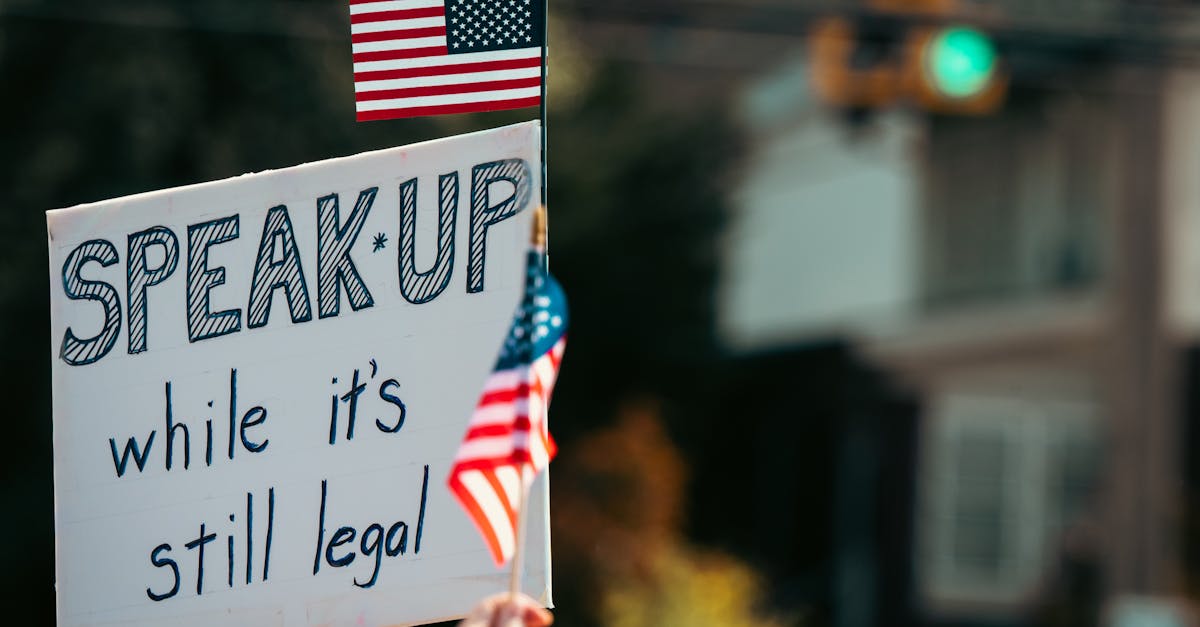
Since the launch of the protest movement by Generation Z on September 25th, the country has been living to the rhythm of almost daily demonstrations. Popular anger initially crystallized against the deteriorating living conditions, particularly due to the constant power outages and water cuts that plague daily life. But the anger quickly polarized around the political aspect, exacerbating an already explosive social conflict. The population, plagued by chronic shortages, feels abandoned by a faltering government that struggles to respond. The rise in violence during these gatherings worsens an already precarious situation, exacerbating distrust of the government, which is struggling to guarantee security. The fear of increasingly violent clashes is forcing people to self-isolate or flee certain areas, thus intensifying the economic and social paralysis.
https://www.youtube.com/watch?v=AEiK92lwAQE
The Immediate Economic Repercussions of Popular Mobilizations As tensions rise, the Malagasy economy is bearing the brunt of the crisis. In Antananarivo, the Anosy flower market—an iconic place where everything begins each morning—bears witness to the severity of the chaos: artisans, like Paul and Tatiana, face a plummeting number of customers every day. Their economic losses are estimated at around 200 billion ariary (38 million euros), an amount that illustrates the scale of the damage to the entire productive sector. The drop in customers, driven by fear and the slowdown in business, is forcing many traders to stop selling, exacerbating the survival crisis they are facing. Many sectors, such as tourism, crafts, and wholesale trade, are suffering significant losses. Travel restrictions and insecurity are preventing the regular maintenance of economic activity. Figures from recent analyses, such as those published by Gasigasy, confirm that Madagascar will face prolonged economic stagnation, with losses estimated at several hundred billion ariary.
The Impacts of the Crisis on the Quality of Life of Malagasy WorkersThe social struggles exacerbated by this political crisis are directly impacting the condition of workers. Finding employment has become a race against time, as workplace safety deteriorates. Job insecurity is intensifying, particularly for those working in the informal sector, where daily survival often depends on political stability. Rising tensions, especially regarding energy, are leading to repeated power outages, as highlighted in the article by Madagasikara, forcing businesses to close prematurely and thus depriving many employees of their wages. Frustrations are mounting, particularly among younger generations, who see their future opportunities slipping away under the shadow of violence and instability. The situation is also fueling social unrest that threatens national cohesion. The fragility of the social fabric is such that every protest, every act of defiance, risks escalating into open conflict, further delaying economic recovery and a return to stability.
The challenges of governance and diplomacy in a context of social conflict.
Analyzing political dynamics in such an unstable context reveals the extent to which Malagasy governance is faltering. Protest movements highlight issues of legitimacy and trust in leaders, particularly those in power in Antananarivo. The recent evacuation of President Andry Rajoelina by a French military plane, as reported by Le Point, intensifies the sense of chaos and uncertainty. International actors are attempting to intervene to defuse the crisis, but their credibility is severely tested by an increasingly distrustful population. Mediation, as proposed in Fkm Mediation, must unite all stakeholders around a common project. However, without constructive dialogue, Madagascar risks sinking into a spiral of protracted conflict, making the crisis even more difficult to overcome. Strategies for restoring political and economic stability in Madagascar: To emerge from this turbulent period, a solution must absolutely emerge from a collective commitment. Restoring stability requires profound institutional reform and increased transparency. Implementing emergency social policies, particularly regarding access to water, electricity, and employment, appears essential to rebuilding confidence. It would also be advisable to strengthen mediation mechanisms, as highlighted in Malagasy political analyses, to create a truly virtuous cycle. Widespread mobilization, especially by young people, can also play a decisive role, as demonstrated by the study on Generation Z mobilization. Future stability can only be achieved by building a broad consensus involving every sector of society and by reaffirming national sovereignty.
Lessons Learned and Challenges Facing Madagascar in 2026
What are the main causes of the political crisis in Madagascar?
The crisis is rooted in a long history of social unrest, fragile governance, and economic crises exacerbated by tensions over resource management and distrust of institutions. How is the Malagasy population coping with this crisis?Inhabitants, particularly informal sector workers, must demonstrate exceptional resilience, often at the cost of their safety and financial stability. Fear of violence and shortages influences their behavior, limiting their ability to maintain a normal life. What measures could help overcome this crisis?Strong commitment from political actors and credible international mediation, coupled with social, economic, and institutional reforms, could pave the way for lasting stabilization.
🔗 Sources & références
Pour aller plus loin, consultez les sources citées dans cet article :
Découvrez notre guide complet — destinations, budget, visa, faune et conseils pratiques pour préparer votre voyage.

📖 Vous aimerez aussi
Transition à Madagascar : la société civile et la Génération Z face aux doutes sur le « Programme de la Refondation »
3 March 2026
Fermeture de l’aéroport de Dubaï : chaos et désarroi chez les voyageurs bloqués
2 March 2026