The socio-political context in Madagascar in 2026 is marked by an actively mobilized youth, at the forefront of a collective movement that transcends the island’s borders. Faced with a persistently precarious economic and social situation, marked by regular water and electricity cuts, Malagasy youth—primarily Generation Z—are distinguishing themselves through unprecedented protest. These demonstrations, spreading to all regions, reflect the growing maturity of students and citizens, determined to make their voices heard against a central government often accused of incompetence and negligence. Their commitment, fueled by a profound sense of injustice, testifies to a strong desire for change and a will to challenge the status quo. This mobilization is not merely an expression of anger, but also a strategic approach aimed at raising international awareness of the crises plaguing Madagascar, particularly in the areas of water, electricity, the economy, and fundamental rights. The youth of Madagascar have chosen to use solidarity as a weapon and peaceful protest as a means of action to broaden the national debate surrounding their demands. This is a genuine cry for help, seeking to unite all stakeholders—students, unions, intellectuals, and citizens—around a common project aimed at driving a sustainable and equitable transition. Through this mobilization, Madagascar is experiencing a true renaissance of the social movement, prompting a rethinking of the place and role of youth in the governance and future of the nation.
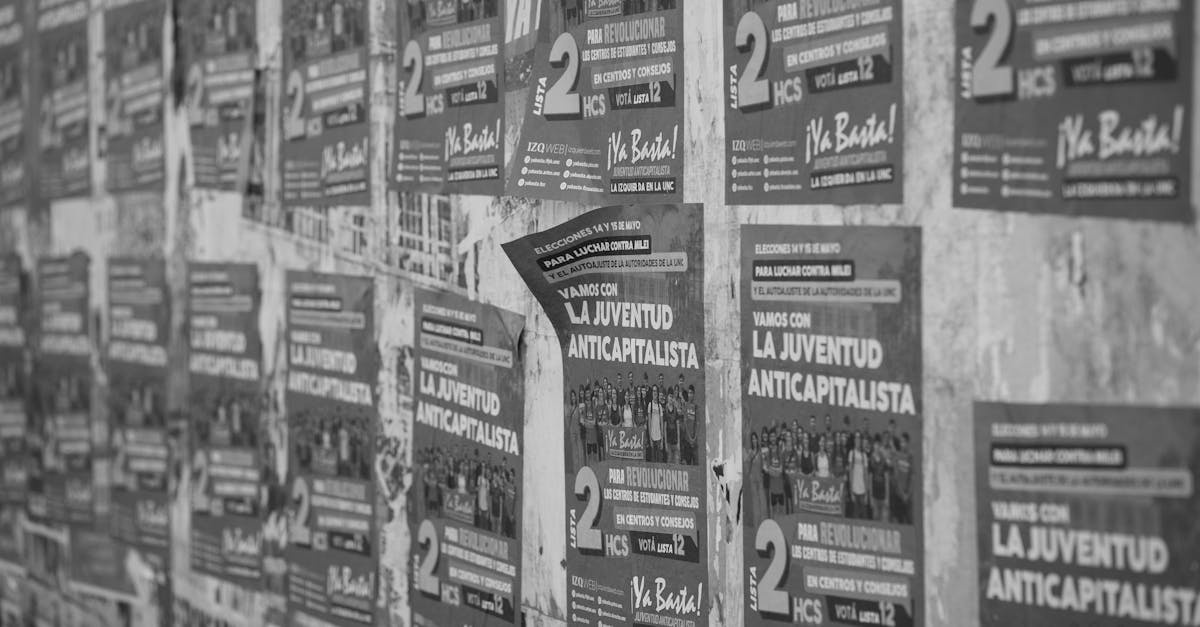
The Deep Roots of Student and Youth Mobilization in Madagascar in 2026
The causes of this mobilization lie in a set of structural challenges that have long plagued Madagascar. The deterioration of living conditions, particularly the shortage of drinking water and electricity, has exacerbated popular discontent. Prolonged power outages and the mismanagement of essential infrastructure have widened the gap between citizens and a government often perceived as disconnected from the realities on the ground. Furthermore, the persistent economic crisis, combined with rampant inflation, is increasing the precarious situation of families, especially young students from working-class backgrounds. The rising cost of living and the deterioration of public services have driven this generation to mobilize, perceiving their future as compromised by a system incapable of meeting their basic needs.
Another essential dimension lies in the perception of an authoritarian government that prioritizes its own interests at the expense of the people. The repression of the initial, often violent, demonstrations popularized an image of police-society brutality that undermined any possibility of constructive dialogue. The assassinations of some student and union leaders, as well as media censorship, fueled a sense of chronic injustice, strengthening the determination to defend themselves collectively. The highlighting of these issues by young people, through social media widely used by Generation Z, allowed them to amplify their voices. The protests also take place within a pan-African context where young people are increasingly demanding an active role in democracy, against an oligarchic system that seems entrenched. It is this accumulation of frustrations, subtly fueled by growing international awareness, that explains the vitality of this unique social movement in Madagascar.

Discover the student protests in Madagascar, their causes, developments, and impact on Malagasy society.
Key Youth Demonstrations and Mobilizations in Madagascar in 2026Youth gatherings in Madagascar, primarily initiated by students and Generation Z, have multiplied across the island. Among them, the demonstration on September 29th, dubbed “Wearing Black,”
constituted a powerful symbol of national mourning and solidarity with the victims of recent violence. These demonstrations were conceived as peaceful yet firm actions, illustrating the young people’s desire to remain responsible while denouncing abuses and injustices. The demands mainly revolve around the resignation of the government.

for incompetence, but also on crucial issues such as freedom of expression, social justice, and the restoration of fundamental rights. The protests also concern the management of the economic crisis, transparency in resource allocation, and the need for profound reforms to restore trust in public institutions. The brutal repression suffered by some protesters has not diminished their determination; it even seems to have further galvanized their commitment. National and international media coverage is bringing these demands to global attention, putting pressure on the Malagasy authorities to respond to these calls for reform.
The demonstrations are not limited to Antananarivo. In several regions, notably Vontovorona, where residents are protesting against the energy crisis related to the electricity sector, local youth have understood that their mobilization can be a game-changer. Significant solidarity movements are organizing to support these actions and make their voices heard, particularly through rallies in working-class neighborhoods and sit-ins in front of government buildings. Discover student protests in Madagascar: their causes, key events, and impact on Malagasy society.
The challenges faced by Malagasy youth in their mobilization process.
Despite their strong desire to engage, young people, particularly Generation Z, face numerous obstacles in making their demands heard. One of the main challenges remains state repression, often accompanied by arbitrary arrests or police violence. These actions can discourage some young people from speaking freely or participating in demonstrations. The fear of reprisals, both for themselves and their families, sometimes limits the scope of their mobilization.
Finally, the fragmentation of different factions and competition between various advocacy groups can lead to a dilution of messages or less coordinated actions, weakening the strength of the collective movement. Yet, despite these constraints, Malagasy youth are demonstrating remarkable courage and resilience, reminding us that, in the long term, collective action remains an essential force for transforming society.
Key players in the protests: students, civil society, and leading figures
Students generally take on the role of primary drivers of the protests, their ability to mobilize quickly being a considerable asset. Student associations, often supported by unions and NGOs, play a pivotal role by coordinating actions and developing a coherent collective strategy. Among these actors, the
Generation Z
occupies a central position due to their use of social media, their creativity, and their sense of commitment.
| Civil society organizations and intellectuals also play a catalytic role, proposing alternatives and giving a voice to the most vulnerable. Some emerging leaders, whose discourse revolves around participatory democracy and social justice, are gaining influence among young people. The participation of artists, teachers, and union members helps broaden the movement’s reach, giving it a more collective and unifying dimension. | Even though repression and political instability raise fears of the worst, these actors insist on keeping the flame of protest alive, hoping to influence the political scene and establish new paradigms for Madagascar. The official recognition of this youth as a decision-making force could mark a decisive turning point in the country’s contemporary history. The potential consequences of the social and political mobility of Malagasy youth The repercussions of this mobilization are not limited to the immediate aspect of the promised or expected reforms. They herald a profound transformation of social and political dynamics in Madagascar. The ability of young people to voice their demands could lead to a reconfiguration of power, with this engaged youth gradually entering the decision-making process. |
|---|---|
| A collective awakening could also foster a more egalitarian society, where the voice of young people, previously marginalized, would be taken into account in the design of public policies, particularly regarding access to water, electricity, and education. The active participation of youth is an essential step in building a more transparent and accountable state. | Furthermore, this mobilization could have a deterrent effect on the practices of the current government, which, faced with popular pressure, might have to revise its strategies or accelerate far-reaching reforms. In this respect, Madagascar could become an example in Africa of participatory youth democracy, thereby strengthening its position on the international stage. |
| Major Theme | |
| Key Point | in 2026 |
| 🌍 | Youth Engagement |
| Mobilization of thousands of young people around shared demands for water, electricity, and social justice 💪 | Political Representation |
Growing influence of youth in public debate, calling for a greater role in governance 🗳️
Repression and Freedoms
Conflict between law enforcement and civil society, raising the issue of fundamental rights 🚨
International Support
Collective condemnation of abuses and mobilization of NGOs and global observers 🌐
Sustainable Impact
Towards a society where the voice of youth shapes a more equitable and resilient future ✊
The Stakes of Solidarity and Collective Engagement in Protests in Madagascar
This results in a sustained commitment, driven by a youth aware of its role as a catalyst for change, aspiring to build a resilient and democratic nation. The cohesion of this collective force could, in the long term, profoundly transform the political, economic, and social paradigms of Madagascar, particularly in a global context of multiplying crises.
The international community’s expectations of Madagascar’s protesting youth
International observers, particularly NGOs and diplomats, are closely monitoring this rise of Malagasy youth. Their hope rests on a shift toward a more inclusive democracy, where Generation Z could play a central role. The global media’s focus on their demands has sparked worldwide awareness, exerting diplomatic pressure to encourage societal and institutional reforms.
The actions undertaken by young people, particularly through demonstrations and awareness campaigns, also serve to draw attention to the need to respect fundamental rights and promote transparent governance. The international community, in support of this movement, could facilitate mediation between political actors and young people to build a constructive dialogue.
This context of global engagement challenges Madagascar’s ability to fully integrate its youth into building a stable and equitable future. The mobilization of Generation Z on the island could become an example for other nations facing similar challenges, demonstrating that citizen participation is key to overcoming current and future crises.
https://www.youtube.com/watch?v=Ouv1jZ4IlJc
Why are young people in Madagascar mobilizing so much this year? Young Malagasy people, particularly Generation Z, are mobilizing en masse to denounce the mismanagement of essential services, corruption, and the lack of future prospects, in the face of a persistent economic crisis and a government often perceived as incompetent.
🔗 Sources & références
Pour aller plus loin, consultez les sources citées dans cet article :
- constituted a powerful symbol of national mourning and solidarity with the victims of recent violence. These demonstrations were conceived as peaceful yet firm actions, illustrating the young people’s desire to remain responsible while denouncing abuses and injustices. — fr.allafrica.com
- Young Malagasy people, particularly Generation Z, are mobilizing en masse to denounce the mismanagement of essential services, corruption, and the lack of future prospects, in the face of a persistent economic crisis and a government often perceived as incompetent. — la1ere.franceinfo.fr
Découvrez notre guide complet — destinations, budget, visa, faune et conseils pratiques pour préparer votre voyage.

📖 Vous aimerez aussi
Transition à Madagascar : la société civile et la Génération Z face aux doutes sur le « Programme de la Refondation »
3 March 2026
Fermeture de l’aéroport de Dubaï : chaos et désarroi chez les voyageurs bloqués
2 March 2026