


Pétanque: Peyré’s remarkable progress to the semi-finals contrasts sharply with Sarrio’s brutal elimination by Madagascar
In the context of the 2026 Pétanque World Championships, the competition in the Italian capital has reached a decisive turning point, revealing performances as exciting as they are controversial. While Nelly Peyré, an emblem of French finesse and determination, manages to reach the semi-finals, Christophe Sarrio’s unexpected defeat against a surgically precise Malagasy team marks a turning point in this edition. The event is not merely a sporting contest, but rather a reflection of a profound evolution in international sporting dynamics, between tradition and the rise of countries like Madagascar, whose meteoric rise highlights broader issues related to team strategies and preparation. While Peyré embodies French consistency and mastery, Sarrio and his teammates must confront a reality that could redefine the world hierarchy. The competition, far more than a simple game of boules, illustrates how the sport is evolving through the transfer of skills and a renewed collective commitment, as exemplified by this Malagasy victory that surprised all observers.
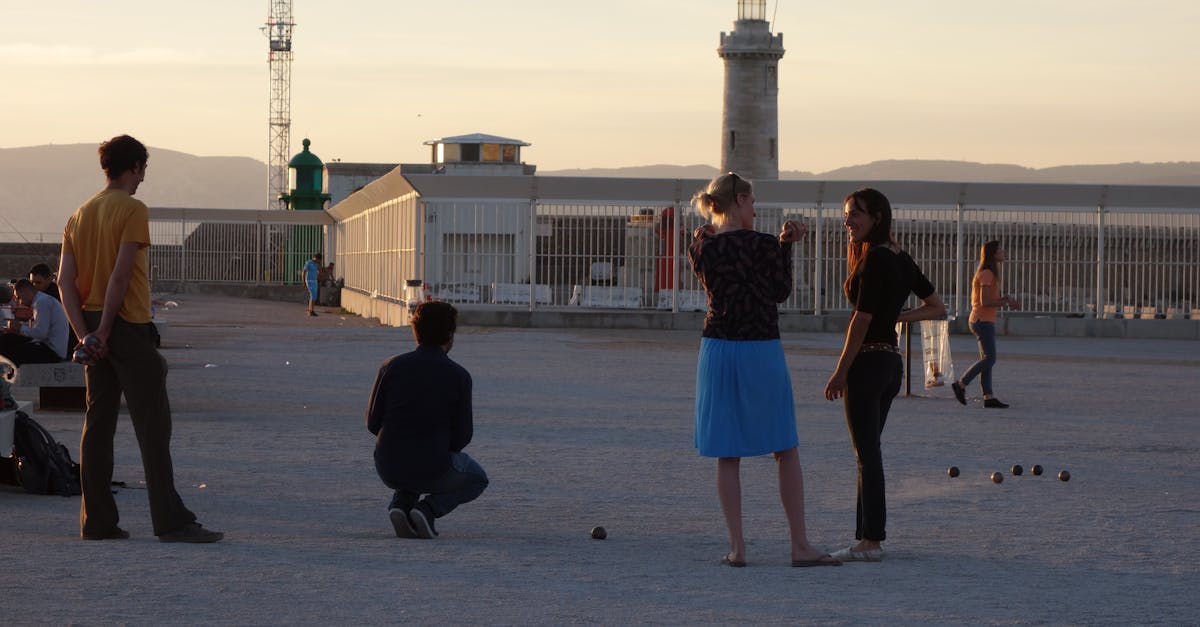
Discover the art of pétanque, a traditional French boules game combining conviviality and precision, perfect for all ages and all occasions. The pétanque semi-finals: a major challenge for France and Madagascar.
The semi-finals are a crucial step in a player’s journey, revealing their ability to maintain pressure against tenacious opponents. For Peyré, this stage represents well-deserved recognition of his talent, solidifying his status among the world’s elite. His performance demonstrates remarkable consistency, supported by refined technique and precise game reading. His appearance in the final four represents a significant step in consolidating French prestige in pétanque, a sport deeply rooted in national culture, but also a vehicle for international influence. In contrast, Sarrio’s premature exit reflects a harsher reality. The defeat against Madagascar is not simply a loss in itself, but an illustration of Madagascar’s growing strength, supported by a collective strategy and unparalleled technical mastery. This team’s performance in the competition demonstrates that sport in this discipline is no longer limited to a few historical nations. The true essence of this competition lies in this constant interplay between tradition and innovation, between experience and youth.
Discover everything about pétanque, the traditional French boules game, its rules, tips, and places to play with friends or in competition.
Madagascar: an exceptional rise in the world of pétanque.

Discover the history, rules, and tips for mastering pétanque, a friendly and passionate traditional French game.
The strategic stakes behind Madagascar’s victory and Sarrio’s elimination
Beyond the technical aspects, this set of results raises a multitude of questions regarding preparation, strategy, and team psychology. The Malagasy team demonstrated an ability to absorb pressure, anticipate attacks, and maximize every opportunity on the court. Their quarter-final victory by such an impressive margin, a score of 13-2, illustrates a mastery of the mental game and a solid tactical organization. Their strategic choices undoubtedly stemmed from a thorough analysis of statistics, an aspect that proves crucial in modern competition. However, the elimination of Christophe Sarrio also raises questions about investment in player training and their physical and mental preparation. The ultimate goal of these results is not simply victory or defeat, but a collective commitment to striving for excellence. For France, this must also signify a need for renewal and adaptation if it wants to maintain its prestige in a sport where every detail counts, particularly in mental management and shooting accuracy.
The role of the international context in the evolution of sport in 2026
| This competition also illustrates a broader trend: the international context in which the globalization of sport has become an undeniable reality. The rise of nations previously overlooked in the global pétanque scene highlights the democratization of the sport, encouraged by investments in training and intensified international exchanges. The 2026 competition is a perfect example, illustrating the need for each country to adapt quickly to remain competitive. Madagascar’s strategy relies in particular on a dynamic federation and robust training programs, factors that have allowed their team to compete effectively with major nations such as France, Belgium, and Italy. The streaming of competitions and increased media coverage are also shaping a collective awareness of the diversification of players in global sport. Through this dynamic, it is becoming clear that sport is no longer limited to a local or national pastime, but is truly becoming a matter of international influence, where each nation aspires to establish itself as an emerging power. | The stakes for France after these pétanque semi-finals | |
|---|---|---|
| For France, these unexpected results underscore the need for a thorough review of its training and investment strategies. The defeat against Madagascar should not be seen as a mere underperformance, but as a wake-up call for a federation that must rethink its methods in the face of increasingly fierce competition. Peyré’s performance in the semi-final proves that individual talent exists, but collective unity and a comprehensive strategy are just as essential for winning world titles. Analyzing these results, the federation could consider intensifying the mental and technical training of its players, as well as integrating new training methods. Furthermore, the need to unite all stakeholders, from local clubs to the national federation, around a common project is becoming crucial. The 2026 World Championship demonstrates that the future of pétanque depends on nations’ ability to combine their strengths and adopt a strategic approach to ensure the sustainability of their performance in international competition. | Aspect | |
| Key Points | Involvement | Technical |
| Mastery of precise shooting and advanced tactics | Enhanced training and innovation in coaching | Mental |
| Ability to manage pressure during key moments | Intensified mental preparation programs | Organization |
| Statistical analysis and adaptive strategies | Increased use of digital tools and data analytics | Strengthening |
Investments in local training
- Uniting all stakeholders around a common project
- International
- Facilitating international exchanges and competitions
- Improved media coverage and global visibility
- Key elements for understanding the current competitive situation
🔝 Madagascar’s rise demonstrates an effective strategy, integrating training and statistical analysis.
🎯 Sarrio’s defeat highlights the increased investment in mental and physical preparation in some emerging countries.
🔥 Peyré, despite everything, embodies the model of consistency and technical quality, influencing the dynamics of the game.
🧠 Mental management is becoming a determining factor for performing in high-pressure situations.
🌍 The competition is becoming a truly international event, with a reshuffling of the cards in the world rankings.
Frequently Asked Questions about the 2026 Pétanque Competition
What are the reasons for Madagascar’s rise in the sport in 2026?
Madagascar’s rise is based on a massive investment in training, a modern tactical approach, and a collective dynamic that has revolutionized their practice of pétanque. The local federation has capitalized on its strengths to compete with the best nations.
How did Peyré confirm her status at these World Championships?
🔗 Sources & références
Pour aller plus loin, consultez les sources citées dans cet article :
Découvrez notre guide complet — destinations, budget, visa, faune et conseils pratiques pour préparer votre voyage.

📖 Vous aimerez aussi

Transition à Madagascar : la société civile et la Génération Z face aux doutes sur le « Programme de la Refondation »
3 March 2026
Fermeture de l’aéroport de Dubaï : chaos et désarroi chez les voyageurs bloqués
2 March 2026


