


In a context where the sport of pétanque continues to confront its players with collective and individual challenges, the recent victory of Team Bonetto at the 2026 Masters illustrates the determination, precision, and cohesion of a team dedicated to the elite of this discipline. The competition, held in an environment where Africa remains a key player thanks to Madagascar, offered a captivating and intense spectacle, demonstrating the exceptional level that this traditional sport can reach. The confrontation between Team Bonetto and Madagascar was much more than a simple match: it symbolizes the desire of a popular sport to embrace a modern dynamic while preserving its ancestral roots. Bonetto’s triumph in this prestigious competition redefines the sport’s hierarchy by shedding new light on tactical rigor and technical mastery, thus offering a renewed perspective on the ability to overcome challenges at the highest level. While this victory marks a major milestone in the history of pétanque in 2026, it also raises essential questions about the involvement of local and international stakeholders in the development of this sport. The brilliance of this competition is not limited to the sporting victory; it testifies to a collective commitment that transcends borders, uniting fans and players around a common goal: to establish pétanque as a top-level competitive sport.
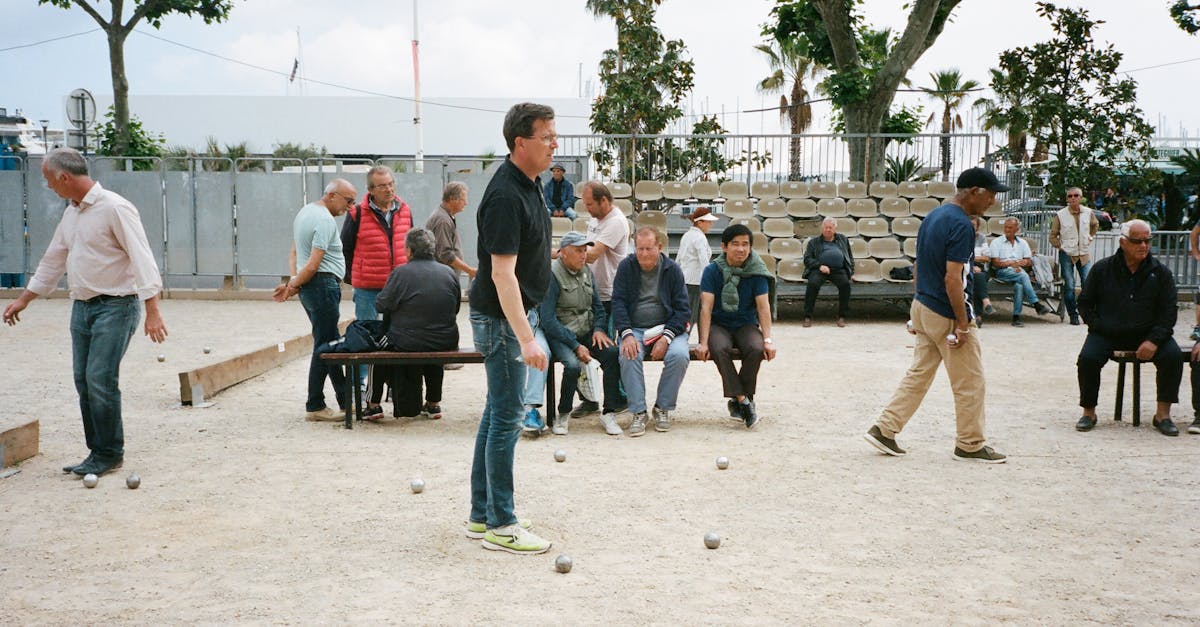
Discover everything about pétanque: rules, techniques, tips, and tricks to master this traditional French boules game, ideal for enjoying time with family and friends.
An epic showdown between Team Bonetto and Madagascar at the 2026 Masters.
https://www.youtube.com/watch?v=OA2wf7rntac The keys to Team Bonetto’s triumph at the 2026 Masters

Discover everything about pétanque: rules, techniques, equipment, and tips for playing this traditional Provençal game enjoyed worldwide.
| The stakes of sport and competition in Bonetto’s victory | Beyond the mere result, this victory is a striking demonstration of pétanque’s evolution as a competitive sport. It challenges traditional perspectives, where this discipline was often considered a friendly pastime, opening the doors to a future marked by the highest level of competition. The competition, exemplified by the Bonetto team’s victorious run in this Masters edition, embodies the desire to transform this popular activity into an internationally recognized professional sport. The emphasis on complex strategies, striking a balance between technical consistency and tactical innovation, reflects this transformation. Bonetto’s victory mobilizes both federal and private investment to foster the emergence of young talent and structure a truly professional circuit. Furthermore, this success aligns with a logic of local and international development, highlighting the importance of financially supporting these initiatives to ensure the sport’s sustainability and global reach. The economic and social dimension of the competition, at a time when recognizing and valuing our athletes is essential, is reinforced by this victory, which restores faith in the ability of this popular sport to reinvent itself and attract new audiences. | |
|---|---|---|
| Criteria | Aspect | Importance |
| Rigor in training | Physical and mental preparation | 🧠 Essential for maintaining concentration |
| Strategy | Reading the terrain and tactical adjustments | 🎯 Key to dominance during the match |
| Team cohesion | Synergy and communication | 🤝 Guaranteeing perfect execution |
Leadership
Captain Mickaël Bonetto
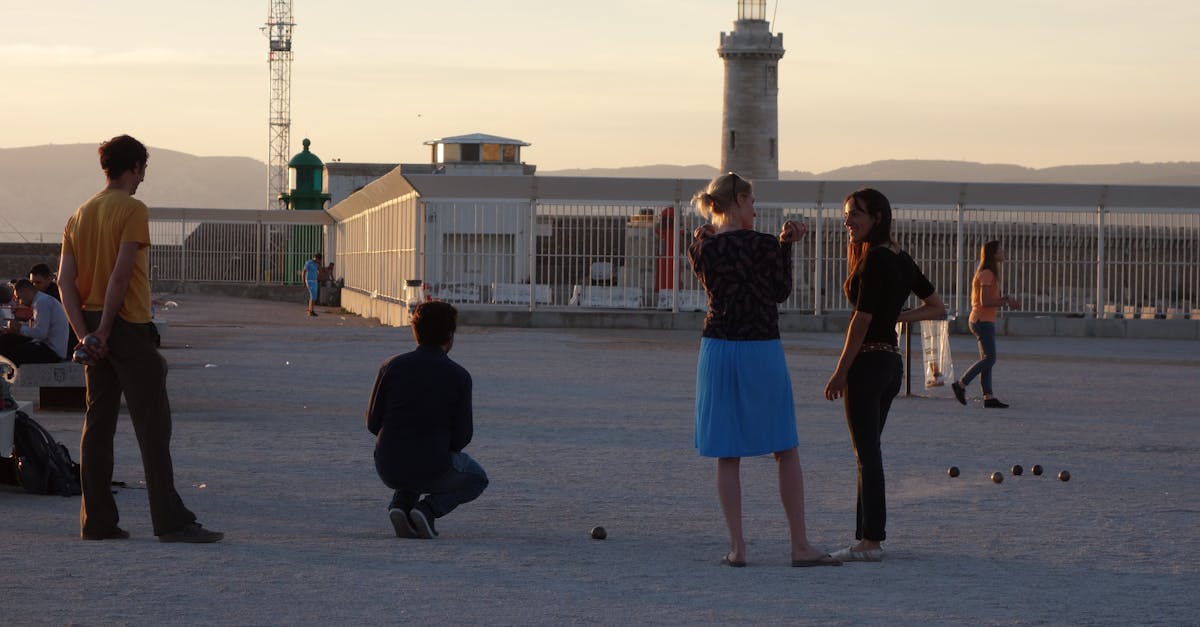
The Bonetto team’s achievements in the history of the Masters de Pétanque
This triumph in 2026 is part of a long line of remarkable performances by the Bonetto team, which has successfully developed the sport by innovating and consolidating its reputation on the international circuit. Since their first victory in 2023, this team has built a dynamic of excellence, leveraging synergy, precision, and strategy—essential elements in a sport as subtle as pétanque. This year’s Masters title represents a culmination of this effort, but it is based on constant investment and a continuous pursuit of improvement. The contribution of Mickaël Bonetto himself, whose leadership has been repeatedly praised, exemplifies professionalism and commitment. Their record also testifies to their ability to overcome formidable opponents, notably Madagascar, whose progress has been meteoric, as evidenced by their victory at the national summit last June. Bonetto’s reputation is already well established, and their performance at this edition of the Masters is a key milestone in the history of the sport. The victory reinforces their position as one of the most respected and feared teams, suggesting a promising future where skill and passion will continue to elevate pétanque as an elite sport.
Discover the art of pétanque, this traditional French boules game combining precision and conviviality, perfect for relaxing moments with friends or family.
Reactions and implications for the future of the sport in France and Madagascar
The Bonetto team’s victory over Madagascar at the Masters tournament sparked a multitude of reactions within the pétanque community, both in France and Madagascar. In France, this win is seen as a strong signal in favor of the professionalization and growth of the sport, whose popularity appears to be booming. Local federations, supported by private sponsors, are committed to strengthening youth training and organizing more high-level events, demonstrating a desire to systematize this momentum. In Madagascar, Bonetto’s victory is also a cause for reflection, as it encourages them to focus their efforts on maintaining and surpassing their current level. Madagascar’s remarkable performance on the international stage demonstrates the nation’s strong capacity to organize itself around sport, which could foster better player training and increased global visibility. The transcontinental competition thus becomes a lever for strengthening cultural and sporting ties. The prospect of integrating new issues such as sustainable development into event organization could also influence medium-term evolution, ensuring a balanced framework where sport, ecology, and sports diplomacy combine to contribute to sustainable growth. Clearly, this victory is a catalyst, encouraging all stakeholders to continue their efforts to make pétanque a vehicle for values such as discipline, fair play, and collective success.
https://www.youtube.com/watch?v=QTX7Yu-mtwY Challenges to make pétanque shine beyond local and regional borders
Despite this resounding success, developing pétanque beyond its traditional regions requires overcoming several challenges, including international recognition and the organization of prestigious events. The geographical dispersion of playing fields, inadequate infrastructure, and the need for appropriate professional training still hinder its spread in some countries. However, high-level competition, such as the recent match between Bonetto and Madagascar, demonstrates that concerted efforts are possible to overcome these obstacles. Establishing partnerships with international sports federations, as well as promoting local talent, would be strategic avenues for opening new markets. Promoting the sport to the general public, both in mainland France and across the Indian Ocean, is crucial; this requires, in particular, improved communication, showcasing competitions, and proactive educational outreach. Finally, integrating environmental values into the organization of competitions could also foster a modern and responsible image of pétanque, in line with the societal concerns of 2026. While these challenges are numerous, they also underscore the need for collective action to firmly establish pétanque within the global sporting landscape, giving it broader ambitions and fair recognition.
What strategies enabled Team Bonetto to win the 2026 Masters?
Team Bonetto relied on rigorous preparation, precise terrain analysis, exemplary cohesion, and strong leadership from Mickaël Bonetto—elements that proved decisive in their victory.
What are the future challenges for pétanque on an international scale?
The development of increasingly high-profile competitions, the training of young talent, and the structuring of a global circuit are key priorities for strengthening the visibility and recognition of the sport.
How can Madagascar continue its progress in the discipline?
🔗 Sources & références
Pour aller plus loin, consultez les sources citées dans cet article :
Découvrez notre guide complet — destinations, budget, visa, faune et conseils pratiques pour préparer votre voyage.

📖 Vous aimerez aussi

Transition à Madagascar : la société civile et la Génération Z face aux doutes sur le « Programme de la Refondation »
3 March 2026
Fermeture de l’aéroport de Dubaï : chaos et désarroi chez les voyageurs bloqués
2 March 2026


