
Rajoelina’s Strategies for a Third Term in Madagascar: Between Sounding Balloons and Democratic Challenges
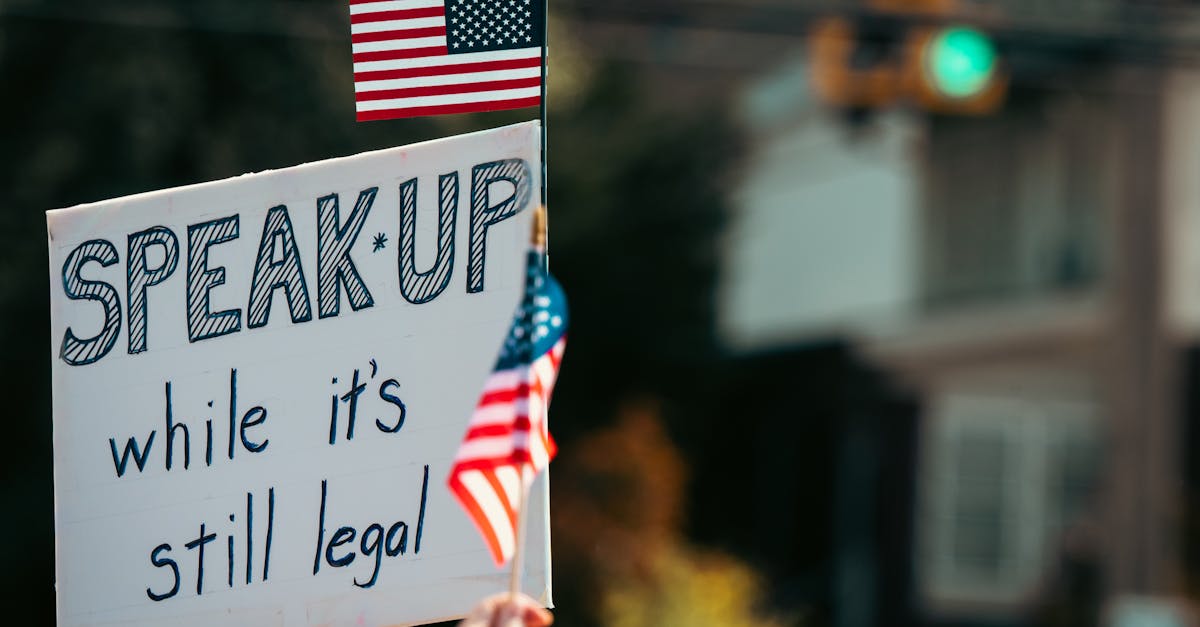
Against a backdrop of unstable political conditions, Madagascar finds itself at a crossroads, faced with President Andry Rajoelina’s persistent maneuvers aimed at securing a third term. For several years, political dialogue has been mired in a spiral of tension, fueled by attempts at constitutional manipulation and contested governance. The Malagasy government’s use of communication strategies and sounding balloon maneuvers illustrates a determined desire to circumvent legal limits to extend the current term. These practices, denounced by the opposition and several international observers, highlight a profound crisis of democratic legitimacy. In 2025, with the national and international communities closely monitoring every move, Rajoelina is mobilizing a sophisticated communications strategy to prepare for his potential re-election, while masking his ambitions with rhetoric about stability and sovereignty. The Malagasy political situation, marked by successive constitutional changes, reflects a changing autocratic model, which could further weaken the rule of law on the island. The question remains: how far will this game of balloons drag Madagascar into a deep institutional crisis, and what risks will it pose for democracy? The stakes are crucial, both for the country’s stability and for the credibility of the upcoming electoral process.

Rajoelina’s evolving strategy as he faces the prospect of a third term
Since Rajoelina’s arrival on the scene in 2009, politics in Madagascar has been marked by institutional manipulation aimed at consolidating his power. The recent initiative to launch weather balloons nationwide is part of a calculated strategy intended to test the reaction of public opinion and institutional actors to a proposed constitutional amendment. The approach may seem innocuous on the surface, but it reveals a clear desire to circumvent democratic rules by proposing referendums or asymmetrical consultations to legitimize his candidacy. The maneuver consists of making people believe that constitutional change would be supported by the people, when in reality it will exploit the majority already acquired in certain political circles. This communication tactic, consisting of spreading messages in favor of a third term, often takes place through loyal deputies or compliant media outlets. The objective is simple: to create a climate of normalcy around a project that, in essence, violates the founding principle of term limits. Such a strategy, if adopted, would deal a severe blow to Madagascar’s democratic process and could pave the way for an intensification of the precarious political climate. The international community, as well as local civil society, must therefore remain vigilant and firmly oppose this rise in constitutional manipulation.
| Possible Next Steps | Potential Impacts | Expected Reactions |
|---|---|---|
| Call for a Referendum on Amending the Constitution 🔎 | Strengthening Rajoelina’s Power 🌀 | Mobilization of the Opposition and Citizens ✊ |
| Consolidation of Institutions Controlled by the Government ⚙️ | Weakening of the Rule of Law ⚠️ | International Interventions to Preserve Democracy 🌍 |

Democratic Challenges and Institutional Fragility in Madagascar in 2025
The Malagasy context demonstrates the extent to which governance can be undermined when respect for fundamental laws is sacrificed in the pursuit of power. The temptation to amend the Constitution to allow Rajoelina a third term illustrates the erosion of fundamental democratic principles. The situation has deteriorated significantly since the 2010 constitutional revision, orchestrated by the president himself to justify a coup d’état and strengthen his prerogatives. A resumption of this dynamic in 2025 would reflect a worrying decline in the rule of law and a genuine setback for the democratic process. Governance in Madagascar, already undermined by corruption scandals, targeted arrests, and biased state communication, risks being further weakened if the tendency to prioritize personal interests over the national interest continues. Both the national and international communities have repeatedly expressed their concern about the Malagasy government’s authoritarian drift. The persistence of these drifts would result in increased instability, compromising political stability and social cohesion in a country already weakened by the economic and social crisis.
The Risks of Using Sounding Balloons to Legitimize a Possible Third Term
When a head of state uses communication strategies such as sounding balloons, they are often seeking to maximize their chances of success in a referendum or a consultation to amend the fundamental law. In Madagascar, the use of these tactics is particularly dangerous, as it weakens the legitimacy of the electoral process and opens the door to authoritarian excesses. The technique involves testing public reaction to a proposed change by disseminating messages that facilitate the acceptance or negotiation of a third term. Furthermore, this form of manipulative communication can fuel a climate of confusion, where the line between popular legitimacy and manipulation is difficult to distinguish. In this context, the international community has warned that such a strategy could exacerbate the institutional crisis and compromise the country’s stability. Democracy, already in danger, must face a series of challenges, including the credibility of electoral processes, regularly marred by accusations of fraud and intimidation. Weather balloons are therefore a tool of a truly worrying power, keen to follow in the footsteps of classic autocratic leaders.
| Arguments for | Arguments against |
|---|---|
| Testing public opinion’s receptiveness 🎯 | Threat to democracy ⚠️ |
| Creation of a climate of normalcy for rapid change 🔄 | Loss of confidence in the electoral process 🔒 |
| Influence on popular perception 🧠 | Risk of authoritarian drift 🚫 |

The Role of the International Community in the Face of Rajoelina’s Maneuvers
The international community, through organizations such as the African Union and the European Union, has consistently maintained a vigilant stance against attempts at constitutional manipulation in Madagascar. For several years, calls have been made for restraint, respect for the law, and the holding of free and transparent elections. However, faced with Rajoelina’s cover-up and aggressive communication strategies, these external actors often struggle to impose effective sanctions or enforce a clear red line. Multilateral diplomacy, sometimes complicated by geopolitical issues, must strive to secure a firm commitment to a credible electoral process. The stakes are high, as Madagascar’s failure to respect democratic principles could have regional repercussions, with a spread of authoritarian tendencies or a general weakening of stability in the region, which has been undermined by political crises. To avoid a scenario of uncontrolled escalation, international cooperation should strengthen its efforts to support Malagasy civil society and promote lasting solutions based on respect for the law and democratic legitimacy.
Key actors in the democratic resistance against the proposed third term
Faced with the threat posed by a possible constitutional change, several actors are emerging on the front lines to defend democracy in Madagascar. The political opposition, well-versed in the art of passive resistance, is now attempting to mobilize its base around concrete actions and incisive communication. Civil society, for its part, is playing a crucial role in raising awareness, denouncing manipulation and organizing information campaigns on respect for fundamental laws. Civic engagement is becoming more than ever a weapon of resistance against authoritarian logic. Among the emblematic figures, certain members of parliament and leaders of non-governmental organizations (NGOs) have announced their firm opposition, refusing any amendment to the Constitution outside of a legitimate process. Institutional resistance, particularly through the justice system, remains fragile, especially when judicial independence is undermined by the ruling power. The fight to preserve democracy in Madagascar also relies on social media, where critical discourse is growing as the climate deteriorates. Collective mobilization, if it manages to go beyond simple passive resistance, could play a decisive role in preserving the integrity of institutions and preventing the country from sliding into consolidated authoritarianism.
| Key Actors | Main Actions | Risks |
|---|---|---|
| Political Opposition 🔴 | Citizen Mobilization and Denunciation ✊ | Repression and Marginalization 🚫 |
| Civil Society 🧩 | Awareness-Raising and Information Campaigns 📣 | Limited Intervention in the Face of the Fracture ⚠️ |
| Independent Justice ⚖️ | Fair Trials Prevented by the Government 🚧 | Total Loss of Independence 🔴 |
Outlook for Madagascar in 2025: Alliance or Fracture
Given Rajoelina’s maneuvers for a third term, Madagascar’s future trajectory will largely depend on his ability to unite or divide his political and civil forces. The crisis could crystallize around two major axes: on the one hand, an alliance capable of presenting a united front against constitutional manipulation, embodied by the united opposition, civil society, and the international community; on the other, an internal implosion, where the majority of power could move away from the democratic framework and favor authoritarian consolidation. National cohesion remains the determining factor in avoiding an escalation of violence or a new crisis in a fragile country. The international community could play the role of arbiter, conditioning their support on strict adherence to democratic principles. The success or failure of this opposition will determine whether Madagascar can overcome the current crisis or sink further into an authoritarian regime, thus marking a decisive turning point in its political history. The path to ethical and constitutional governance therefore relies on a collective capacity for resistance, a clear strategy, and a firm commitment to preserving democratic integrity.
| Possible Scenarios | Potential Consequences | Key Factors |
|---|---|---|
| A united front against constitutional amendment 🤝 |
Political stabilization and maintenance of democracy 🌿 | Popular support and coordinated actions 🙌 |
| Internal division in the opposing camp 😕 |
Risks of violence and destabilization 🔥 | Opposition’s capacity for resistance 🛡️ |
| Acceptance of the proposed constitutional amendment ✔️ Rise of an authoritarian regime |
🚫 Weak or divided international support | 💔 Lessons to be learned and a call for vigilance in the face of authoritarian excesses |
The attempted constitutional manipulation in Madagascar in 2025, illustrated by weather balloons and other deceptive communication strategies, should serve as a warning. History is replete with examples where autocratic leaders have used the tactic of multiplying referendums and manipulation to legitimize their power without genuine popular consensus. The Malagasy crisis also demonstrates how easily power dynamics can spiral into authoritarianism if civil society and the opposition do not effectively resist. The main warning concerns the need to preserve the independence of institutions, particularly the judiciary, and to ensure transparency at every stage of the electoral process. International solidarity must also strengthen its role to prevent the widespread adoption of these short-sighted strategies, which threaten not only Madagascar but also regional stability. Vigilance must remain in place against any attempt to discredit democracy through deceptive communication tactics, as freedom and political legitimacy are more at stake than ever. Safeguarding the fundamental principles embodied by the rule of law and popular sovereignty must be the priority of national and global actors.
Questions and Answers (FAQ)
Why does Rajoelina seek a third term?
- — Primarily to strengthen his control over Madagascar and pursue his ambitions for power, despite an often critical national and international context. How do weather balloons facilitate constitutional amendments?
- — By serving as a test to measure the acceptability of a change, while creating an illusion of popular legitimacy, before possible concrete implementation. What are the implications for democracy in Madagascar?
- — The attempt to amend the Constitution in this context undermines the legitimacy of institutions, weakens the rule of law, and risks plunging the country into a profound governance crisis. How can the international community intervene effectively?
- — By supporting civil society, making their support conditional on respect for democratic principles, and encouraging a transparent and fair electoral process. What can citizens do to preserve democracy?
- — By organizing, denouncing manipulation, participating in political life in an engaged manner, and supporting resistance against any illegitimate amendments to fundamental laws.
Découvrez notre guide complet — destinations, budget, visa, faune et conseils pratiques pour préparer votre voyage.

📖 Vous aimerez aussi

Transition à Madagascar : la société civile et la Génération Z face aux doutes sur le « Programme de la Refondation »
3 March 2026
Fermeture de l’aéroport de Dubaï : chaos et désarroi chez les voyageurs bloqués
2 March 2026