


In 2026, Madagascar is experiencing a period of political and social turmoil where every government decision seems to weigh heavily on the future of its citizens, particularly those in the education sector. The resignation of Sahondraharimalala Marie Michelle, a former emblematic figure in the Ministry of National Education, represents a major turning point in the management of national education policy. For several years, she embodied both the momentum of ambitious reforms and the controversies that tarnish the ministry’s credibility. Her unexpected departure, officially announced this Monday, cannot be considered a simple administrative change but rather a strong signal of the prevailing tensions, the challenges related to governance, and the education system’s capacity to overcome its profound difficulties. On the one hand, this symbolic loss calls into question the continuity of an educational project structured around reform, particularly the implementation of new policies promoting inclusive education and the modernization of school infrastructure. On the other hand, this decision comes in a context marked by rising popular protests, where young people and various actors in society are demanding concrete and rapid reforms. The complexity of this situation reveals the urgent need for the executive branch to revise its strategy to maintain stability and ensure the long-term credibility of its education policy. Together, these factors highlight a crisis of confidence which, if not managed firmly and transparently, could irreparably weaken the Malagasy education system, already strained by sometimes haphazard management and corruption scandals that plague the administration.

The Underlying Reasons for Sahondraharimalala Marie Michelle’s Resignation in the Context of the Political Crisis
The resignation of Sahondraharimalala Marie Michelle, in a context where the government has been dissolved following President Andry Rajoelina’s decision to downsize the executive branch, illustrates a dramatic break with the tradition of stability within the National Education system. Since the dissolution of Christian Ntsay’s government, the entire education sector has been plunged into uncertainty, fueling growing tensions. The former minister’s recent statement, referring to the difficulty of ensuring optimal management in the face of “deteriorating institutional, social, and political conditions,” testifies to a profound crisis. The desire to preserve the continuity of public services, while affirming her firm commitment to the higher interest of the nation, reflects a sense of responsibility. However, this entire dynamic also reveals the fragility of the system and the difficulty of successfully implementing an ambitious educational reform in the context of a multidimensional crisis. The increasing number of audits conducted by the General Inspectorate of the State (IGE) indicates that the fight against corruption and incompetence within the Ministry of Education has become an absolute priority for the new government. The resignation of the sector’s key figure is not merely a personal matter but an indicator that the policy of refocusing power around strong leadership is no longer sufficient to stabilize an administration weakened by complex issues and internal rivalries.
“Managing National Education in 2026 requires more than leadership; it necessitates a complete overhaul of governance to prevent the crisis from spreading further.”
The major issues and challenges of educational reform in Madagascar in 2026
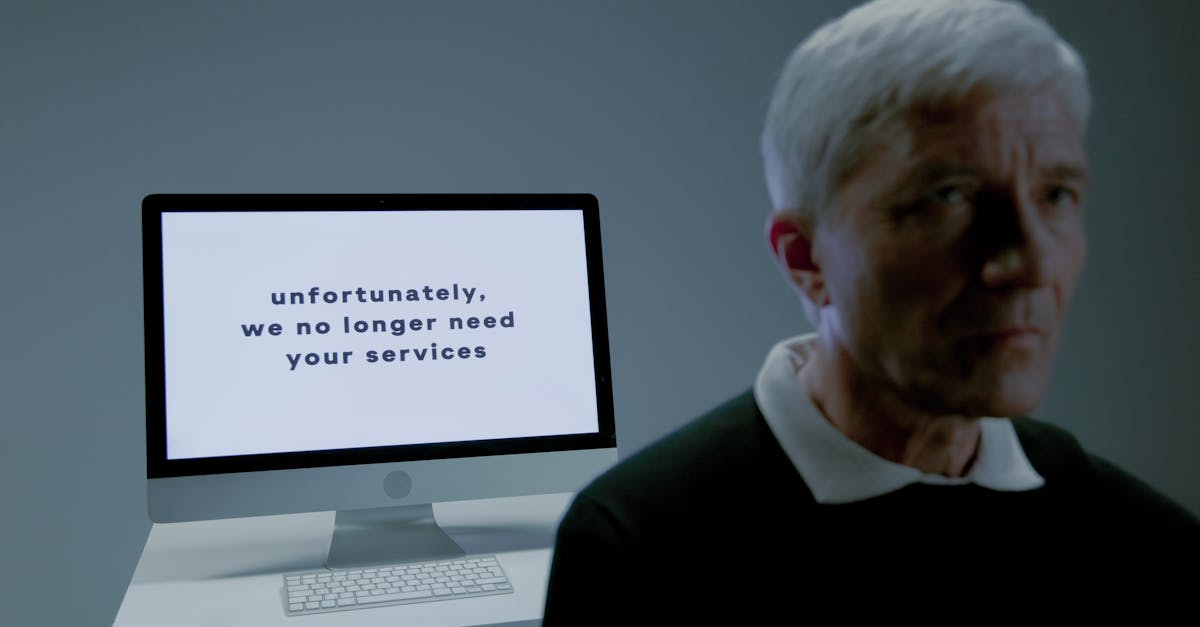
Discover everything you need to know about resigning: procedures, rights, advice, and best practices for a successful career transition.
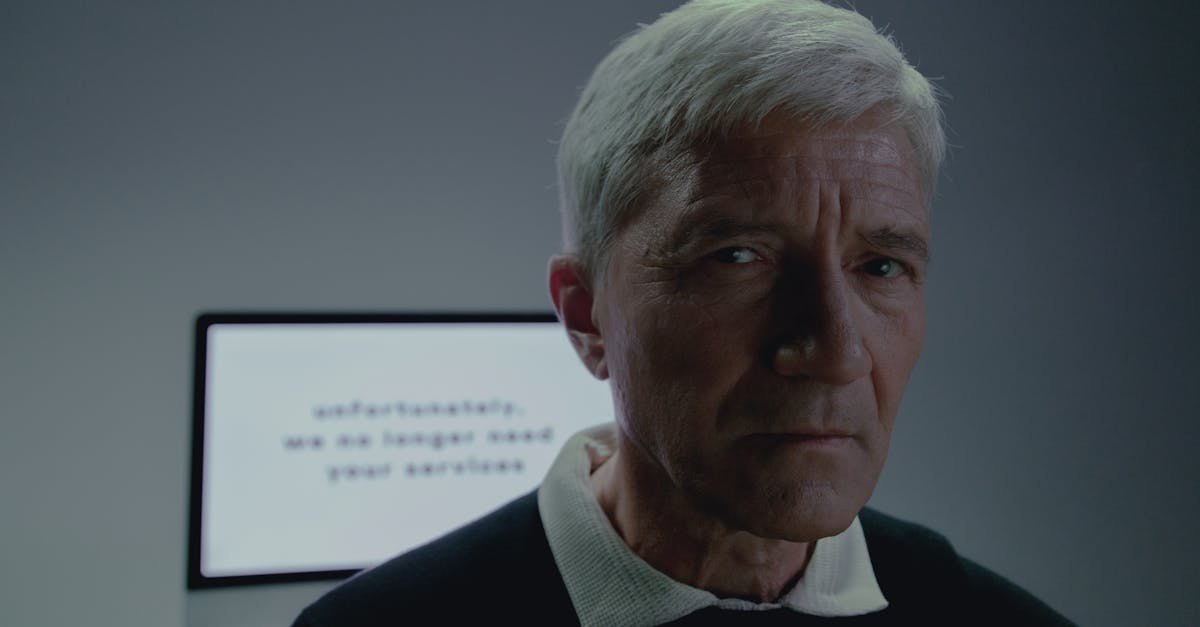
The loss of an emblematic figure like Sahondraharimalala Marie Michelle weakens the direction and coherence of ongoing educational reforms. Her departure initiates a destabilizing process that could slow the progress of priority projects. Indeed, this situation calls into question the continuity of the educational policy implemented over several years, particularly the rollout of digital equipment programs in schools, teacher training, and the reform of the assessment system. The question now is what comes next: who will ensure stability and continue the established vision? The answer remains uncertain, but what is clear is that a strong new leadership must quickly emerge to avoid a governance vacuum that could lead to even more setbacks in an already weakened educational policy. The leadership crisis, illustrated by the resignation of top officials, must not turn into a crisis of confidence; on the contrary, it must be an opportunity for repositioning. To achieve this, several experts emphasize the need to establish a new, more transparent and participatory governance structure, one that is above all capable of uniting all stakeholders around a clear and shared vision. The way this crisis is addressed will determine the future of education in a country where young people yearn for a revitalized school system, one that offers hope and concrete opportunities.
Discover everything you need to know about resigning: procedures, advice, and best practices for leaving your job with peace of mind.The social and political implications of the resignation of Sahondraharimalala Marie Michelle Beyond the administrative sphere, the resignation of Sahondraharimalala Marie Michelle comes at a time when the country’s political stability and social development are intrinsically linked. The former minister, long considered a pillar of educational progress, has now also become a symbol in the dynamics of protest and mobilization. Young people, particularly Generation Z, have strongly expressed their discontent with the crisis, seeing this resignation as a manifestation of the system’s inability to meet the aspirations of a people seeking radical change. The protests around Place 13 Mai and during the mobilizations in Antananarivo revealed a growing demand for structural reform and more transparent resource management. Politically, this departure reinforces distrust of an executive branch often perceived as disconnected from popular concerns, especially in education where, according to several experts, politics seems more instrumentalized than geared towards public service. The resignation of Sahondraharimalala Marie Michelle thus becomes a step in a broader process of collective awareness, illustrating that only renewed governance, involving all stakeholders, can prevent the crisis from becoming inevitable.
Strategies for rebuilding trust and strengthening the leadership of the Ministry of Education
Rebuilding trust in the Malagasy education sector requires a thorough overhaul of governance. It is essential toestablish a transparent and participatory dialogue In order to unite all stakeholders—teachers, parents, students, international partners, and private actors—around a common project, the establishment of an independent steering committee, tasked with monitoring the implementation of reforms, could also guarantee the transparency of the actions undertaken. Beyond governance, it is essential to strengthen the training of administrators and teachers by deploying programs that address contemporary challenges such as the digitalization of education and the fight against school dropout. Transparency in financial management must become a cornerstone, required by increased oversight of audits, such as those conducted by the Inspectorate General of Education (IGE), whose impact must be tangible rather than merely symbolic. The appointment of a new leader, capable of embodying both firmness and compassion, appears to be a crucial step in addressing the crisis and accelerating the implementation of sustainable reforms. Beyond rhetoric, the credibility of education policy must be built through concrete actions, with a clear, coherent, and unifying education policy to meet citizens’ expectations and restore hope to Malagasy youth seeking a better future. Concrete proposals for effective educational reform in Madagascar
Objectives
Description
Responsible parties
Deadlines
Reducing inequalities
Create infrastructure in rural areas and train more qualified teachers
Ministry of Education
2026-2028
Pedagogical modernization
Integrate ICT in schools and revise national curricula
Training institutes and technical partners
2026-2027
Social inclusion
Implement support systems for students with disabilities
NGOs and local governments
2027-2029
List of levers for a sustainable education policy:
Strengthen transparency in funding management 💡
- Involve civil society in policy development 📢
- Implement governance reform based on shared leadership 🤝
- Improve initial and ongoing teacher training 📚
- Innovate with digital and educational tools 🔍
- How does Sahondraharimalala’s resignation impact educational reform?
It weakens the coherence and stability of ongoing initiatives, requiring strong new leadership to continue ambitious projects.
What are the main challenges facing education in Madagascar in 2026?
Territorial inequalities, curriculum modernization, teacher training, and the fight against corruption are among the major challenges.
How can trust in national education policy be restored?
Through transparent governance, broader stakeholder involvement, and concrete actions aimed at improving the management and quality of education.
Découvrez notre guide complet — destinations, budget, visa, faune et conseils pratiques pour préparer votre voyage.

📖 Vous aimerez aussi

Transition à Madagascar : la société civile et la Génération Z face aux doutes sur le « Programme de la Refondation »
3 March 2026
Fermeture de l’aéroport de Dubaï : chaos et désarroi chez les voyageurs bloqués
2 March 2026


