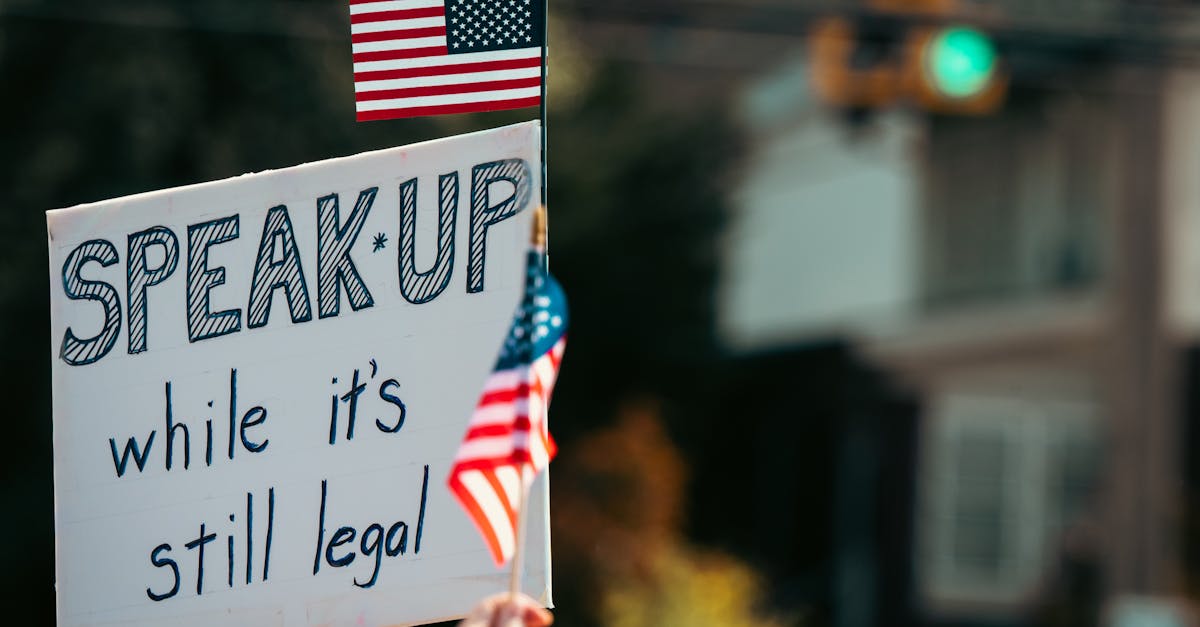
In the heart of Madagascar’s vast island nation, the democratic transition appears more fragile due to business interests than to a collective will to build a solid institutional future. While this transitional phase initially seemed promising for genuine change, it is now overwhelmed by a complex dynamic where economic interests and corruption clash violently with the ambitions of democratization. This period, often seen as a pivotal moment for strengthening governance and initiating democratic renewal, has seen its intricate processes hijacked by actors with divergent interests, some even hostile to any profound reform. Consequently, the tendency to prioritize the preservation of power and personal privileges has created a climate of uncertainty, further undermining political stability. The situation is all the more worrying as it unfolds within an international context where growing awareness of the compromised role played by certain local actors has sparked an increasing protest movement, particularly among young people, especially Generation Z. The challenge then lies in the ability to distinguish the emergence of genuine political elites from these manipulated puppets who fuel a vicious cycle: that of institutional gridlock and conflicts of interest.

Understanding the democratic transition: processes, issues, and challenges for establishing a stable and sustainable democratic regime.
The pitfalls of the democratic transition in Madagascar in the face of business-driven strategies.

Discover the key issues and processes of the democratic transition, an essential step towards a political system based on citizen participation and respect for rights.

The power network and its ramifications in Malagasy society
The ramifications of these business strategies extend to the very core of Malagasy society. Young people, particularly Generation Z, are increasingly expressing their concern about this exploited disillusionment. Many see in these figures, often from dubious backgrounds like Paul Sylvestra Koufali Daya or Raissa Razaivola, the image of a corruptible system where social success is no longer based on merit but on illicit resourcefulness. To illustrate this evolution, it is necessary to understand how certain illicit activities, such as gold trafficking or currency smuggling, forge a pseudo-social success, fueling a mythology of the “Malagasy dream” that disregards the principles of transparency and accountability. This vicious cycle fosters widespread mistrust and makes any attempt at transparent and sincere reform more difficult. The reality in Madagascar demonstrates how governance must overcome these challenges to guarantee a genuine democracy, otherwise all traces of progress risk being erased.
| Discover the stages and challenges of the democratic transition, a key process for establishing political systems based on citizen participation and respect for human rights. | The geopolitical stakes and their influence on managing the transition in Madagascar. | |
|---|---|---|
| Beyond purely national concerns, the situation in Madagascar is set against a backdrop of a tense geopolitical context in which several world powers seek to extend their influence over this strategic island in the Indian Ocean. Russia, with its increasingly strong political and economic presence, plays a significant role in the reshaping of local power. The presence of figures such as Siteny Randrianasoloniaiko, who enjoys Moscow’s support, raises questions about the true direction of the transition. The temptation to turn Madagascar into a battleground for foreign influence further complicates the democratic process. Domestically, these power struggles fuel the crisis and strengthen the power of certain clans, thereby destroying the foundations of a genuine rule of law. Malagasy governance must necessarily adapt to these challenges, finding a balance between national aspirations and international interests, lest it embark on a path of opacity where business interests take precedence over the public good. | Concrete examples of risks to Madagascar’s stability | |
| Factors | Potential impacts | Examples |
| Conflicts of interest linked to corruption | Political and social instability | Post-electoral or governance crises |
Increased foreign influence
Destabilization of sovereignty
Interventions or manipulations via local actors
- Cronyism and illicit trafficking Fragile security
- Rising violence in certain regions Strategies to overcome the crisis and establish sustainable governance in Madagascar
- To break this deadlock, Madagascar must undertake a thorough examination of its institutional mechanisms and strengthen transparency. Implementing a credible electoral process, supported by all political factions, is a crucial step. Institutional reforms, particularly through a clear transitional charter, could help reduce the influence of personal interests on the management of the state. Civil society and youth must play a leading role in this process, putting pressure on a government often perceived as corrupt or manipulated. Regional and international cooperation, based on technical and financial assistance, could also foster lasting stability. Finally, the fight against corruption must become a priority, targeting the major players in illicit activities, whether prominent figures or not, who undermine the credibility of the Malagasy political scene. Increasing the number of initiatives aimed at broadening the national debate and establishing a clear timetable for reforms should unite all stakeholders around a common goal.
- The different stages for a successful democratic transition in Madagascar
- Establishment of a reliable electoral framework: guaranteeing the transparency and legitimacy of elections. Major institutional reforms: strengthening the separation of powers and combating corruption.
Regional and international interventions: providing technical support for the stabilization of the country.
Accountability and justice: prosecuting those responsible for corruption and illicit trafficking.
https://www.youtube.com/watch?v=0_eX_zSsfe8
Frequently asked questions about the democratic transition in Madagascar
What are the main obstacles to a successful democratic transition in Madagascar?
The main obstacles lie in persistent conflicts of interest, endemic corruption, and external influence, which complicate the implementation of profound reforms.
How can Malagasy youth influence political change? By organizing themselves into citizen movements, demanding greater transparency, and actively participating in electoral processes, young people can become the driving force behind genuine democratic renewal.
🔗 Sources & références
Pour aller plus loin, consultez les sources citées dans cet article :
Découvrez notre guide complet — destinations, budget, visa, faune et conseils pratiques pour préparer votre voyage.

📖 Vous aimerez aussi

Transition à Madagascar : la société civile et la Génération Z face aux doutes sur le « Programme de la Refondation »
3 March 2026
Fermeture de l’aéroport de Dubaï : chaos et désarroi chez les voyageurs bloqués
2 March 2026