

In 2026, the global and national political context is marked by constant instability, demanding heightened vigilance from all institutions responsible for preserving democracy. The High Constitutional Court (HCC), a central player in this system, plays a crucial role in crisis management and institutional stability, particularly with regard to the presidential election. The HCC’s recent decision to consider a possible postponement of the vote, in response to the precarious political situation, raises numerous questions about the future of the electoral process and the credibility of the authorities in charge.
While preparations for this election have often been hampered by logistical and security obstacles, as well as growing social tensions, the need for careful regulation appears vital to prevent a spiral of unrest that could undermine the legitimacy of the regime. The High Constitutional Court’s (HCC) approach, which aims to regulate any potential postponement in accordance with constitutional principles, demonstrates both a desire to guarantee political stability and a profound concern for ensuring the legitimacy of future leaders. However, this position calls for a detailed analysis of the current situation, where the fragility of the national context necessitates a genuine collective commitment to preserving the rule of law.
The Constitutional Framework and the Role of the HCC in the Face of an Electoral Postponement According to the Constitution, specifically Articles 46 and 47, the transitional period in the event of a presidential vacancy is strictly regulated. These provisions stipulate that in the event of a vacancy in power, a new election must be organized within 30 to 60 days.Beyond these deadlines, maintaining existing institutions becomes crucial to ensuring the continuity of the state. However, in the current national context, marked by security, social, and political crises, these deadlines appear difficult to meet, thus justifying the High Constitutional Court’s (HCC) stance.
The Court’s recent decision, which emphasizes the “material impossibility” of holding the elections within the scheduled timeframe, should be understood as a regulatory measure aimed at preventing an institutional vacuum that could further inflame the situation. By expressing the possibility of a postponement, the HCC also underscores its capacity to exercise strict oversight, essential for preserving the legitimacy and transparency of the upcoming electoral process. Its ability to adjust the electoral calendar according to the evolving context demonstrates that it remains a key player in guaranteeing institutional stability, even in times of crisis.
Preservation of Legality and Institutional Stability
By exercising its regulatory power, the High Constitutional Court (HCC) highlights a fundamental principle: the continuity of the State must never be compromised, even in times of crisis. The Court’s firm stance aimed at preserving the legal and institutional framework rests on a clear observation: a postponement of the presidential election may prove necessary to ensure a free, transparent, and universally accepted election. Furthermore, it emphasizes that this postponement must scrupulously respect constitutional requirements and must under no circumstances pave the way for political manipulation.
Further Developments and Implications of the Postponement

Postponement of the presidential election: information on the reasons, impacts, and new dates announced.
Factors influencing the decision to postpone the presidential election to 2026
Several complex elements, linked to the national and international situation, influence the decision to postpone or not the presidential election. Among them are the security situation, political stability, logistical preparations, and the legitimacy of the vote. In 2026, these factors combine to justify the caution shown by the HCC. Security Issues and Their Impact on the Election
In a country marked by persistent insecurity, fueled by internal conflicts and terrorist threats, organizing elections under optimal conditions is a major challenge. Implementing a smooth electoral process requires stability, which is often lacking during this critical phase. The fear of attacks, clashes, or violence can hinder the freedom of the vote and compromise the legitimacy of the result.
Logistical and Organizational Challenges
Beyond security concerns, logistical preparation remains a considerable challenge. Setting up polling stations, managing the electorate, and verifying votes all require meticulous planning. In a crisis situation, these operations take on even greater importance. The ability to ensure an election within a reasonable timeframe, while respecting democratic principles, is a fundamental issue.
The Influence of Internal Political Tensions
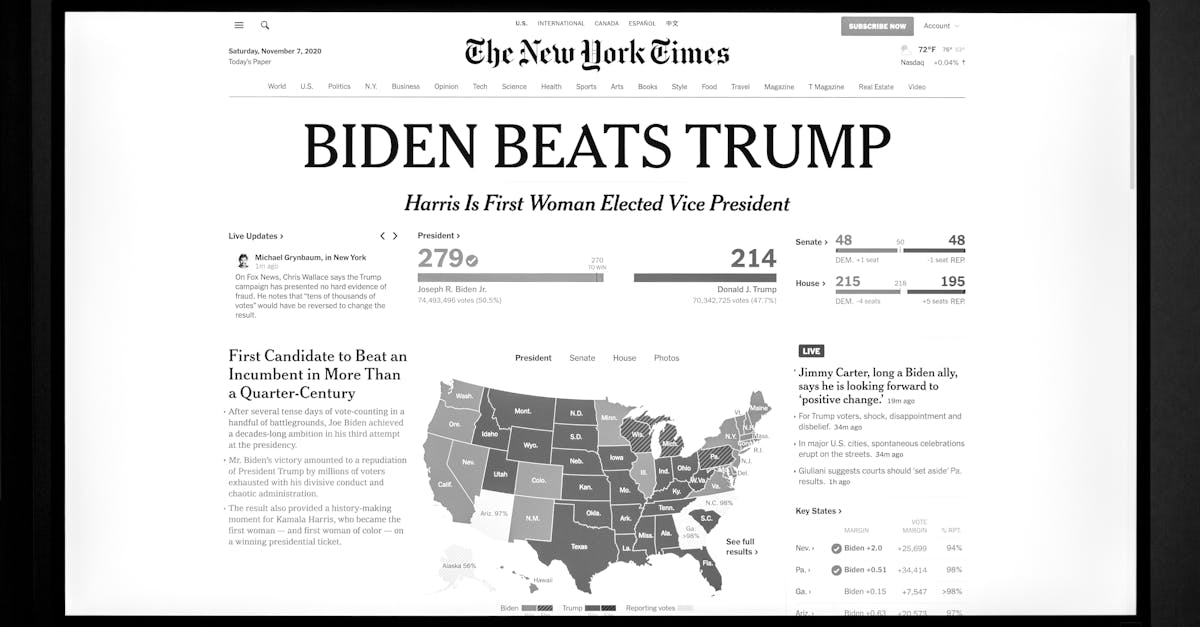
Information on the postponement of the presidential election: reasons, impacts, and new dates.
The Stakes of a Postponement for Democratic Legitimacy
The key question lies in how a postponement might impact the perception of legitimacy. Transparency, neutrality, and compliance with constitutional rules appear to be inseparable elements of any serious deliberation on this option. The presidential election must remain a faithful reflection of the popular will and not an act manipulated by immediate emergencies.
Risks associated with extending the transitional period
A prolonged postponement could increase distrust of institutions, especially if it is decided opaquely or in the context of an acute crisis without broad consultation. Democracy must not become a mere formal concept, but a concrete reality, embodied by a credible and accepted electoral process.
| Symbolic and operational value of the election | More than a simple administrative act, the presidential election possesses strong symbolic value: it represents democratic legitimacy, institutional stability, and the expression of popular sovereignty. Any modification to the electoral calendar must absolutely respect this essential dimension. The High Constitutional Court (HCC), in overseeing this decision, must ensure that this legitimacy is not undermined. | |
|---|---|---|
| Factors | Impacts | Possible Consequences |
| Security stability 🔒 | Secure organization of the election | Postponement necessary to guarantee security |
| Logistical organization | Effective preparation of institutions | Delay in holding the election |
| Political tensions 🔥 | Climate conducive to voting or violence | Decision to postpone in order to preserve peace |

Legitimacy of the election result
Strengthening or weakening of democracy
Information and analysis on the postponement of the presidential election: causes, implications, and reactions of the various political actors.
Future Prospects and Challenges Related to the Electoral Calendar
The decision to postpone a presidential election should not be seen as a mere emergency measure, but as a strategic step aimed at consolidating democracy in the face of a changing environment. The High Constitutional Court (HCC), acting as the ultimate arbiter, must also anticipate the long-term implications for political stability, particularly regarding citizens’ trust in their institutions and the legitimacy of future leaders.
Proactive Management for Stability
By considering a postponement, the HCC could also encourage a period of institutional reform, thereby strengthening the democratic framework. Colonel Michael Randrianirina’s proposal, which envisions a maximum transitional period of two years, demonstrates that other actors in power are adopting a stabilization approach.
The Risks of a Hasty Decision
Any hasty modification of the electoral calendar could lead to a profound crisis, amplifying public distrust and weakening democracy. Transparency, particularly through clear communication and consultation with political and social stakeholders, remains essential to ensure acceptance of any potential postponement.
Reactions and Diplomatic Stakes Surrounding Electoral Postponement
When the High Constitutional Court (HCC) raises the possibility of a postponement, this decision often transcends national borders to engage the diplomatic sphere as well. The international perception of this approach influences the future legitimacy of the electoral process and shapes cooperation with various foreign partners, especially in a context where regional stability and global security are paramount.
International Reactions and Their Influence
Global bodies, such as the African Union and the Southern African Development Community (SADC), closely monitor any adjustments to the electoral calendar. A postponement could elicit as much approval as criticism, depending on how it is presented and justified. Transparency and respect for fundamental principles play a crucial role in preserving the credibility of this process.
The stakes for regional cooperation
Such a decision must also take into account the close diplomatic relations that bind the country to its partners. A poorly negotiated postponement, perceived as political manipulation, could jeopardize long-term economic, security, and political cooperation.
Frequently asked questions about the potential postponement of the 2026 presidential election
Is postponing the presidential election inevitable?
No, it depends on how the political, security, and logistical context evolves. The High Constitutional Court (HCC) will make the decision based on the conditions on the ground.
Découvrez notre guide complet — destinations, budget, visa, faune et conseils pratiques pour préparer votre voyage.

📖 Vous aimerez aussi

Transition à Madagascar : la société civile et la Génération Z face aux doutes sur le « Programme de la Refondation »
3 March 2026
Fermeture de l’aéroport de Dubaï : chaos et désarroi chez les voyageurs bloqués
2 March 2026


