
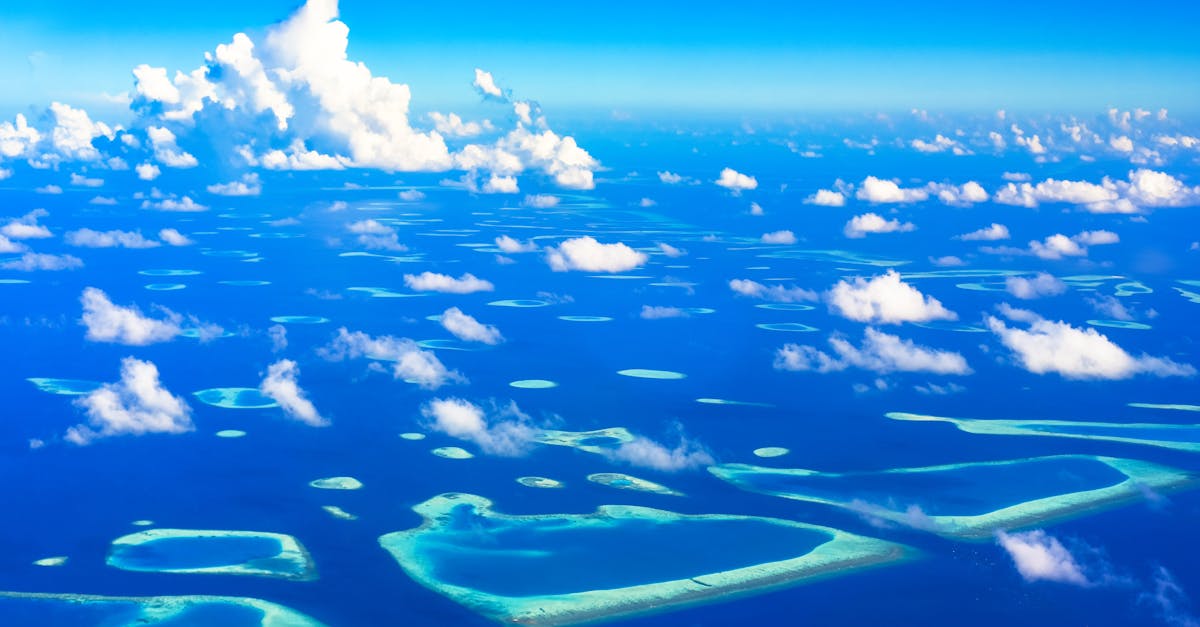

At the heart of geopolitical issues in the Indian Ocean, the Scattered Islands represent a major fault line between France and Madagascar. At the 80th session of the UN General Assembly, which opened in New York in September 2025, this sensitive issue resurfaced, revealing persistent tensions surrounding sovereignty and the economic interests linked to these island territories. Endowed with a strategic position—controlling essential shipping lanes and possessing abundant natural resources, particularly hydrocarbons—these islands have, for decades, been the source of a latent conflict, the outcome of which now depends on future decisions within the international community. Beyond a territorial issue, this controversy also illustrates the fragility of the diplomacy between Paris and Antananarivo, two actors whose relationship seems, at every turn, to require reassessment in the face of long-standing claims and obvious geostrategic considerations. The often difficult dialogue takes place within a context marked by Madagascar’s growing determination to assert its fundamental rights over these territories, based on international law and UN resolutions. Multilateral diplomacy thus becomes the arena for a battle whose stakes extend beyond mere sovereignty, touching upon the geopolitical future of the Indo-Pacific region, the stability of the maritime zone, and the preservation of the delicate balance at play there. The issue of the Scattered Islands has now become a central point at major international gatherings, where the question of sovereignty is paramount. The threat of renewed territorial disputes is fueling a complex debate. Officially, Madagascar claims these territories—including the Glorioso Islands, Juan de Nova, Europa, and Bassas da India—based on historical documents and the international legal framework, notably Resolution 34/91 of 1979, which affirms the legitimacy of its claim. However, France, which has administered these territories since colonization, maintains a firm rejection of any cession, while emphasizing the importance of cooperation in areas such as the environment and maritime security. Resolving this dispute peacefully through diplomatic mechanisms and bilateral agreements remains a challenge for the international community in order to prevent an escalation of the conflict and preserve the stability of this strategic region. The question of the territories in the Indian Ocean, often relegated to the local sphere, now embodies a global issue, revealing the tensions between national sovereignty and the need for diplomatic harmony to avert any form of open confrontation.The strategic and economic stakes of the Scattered Islands discussed at the UN in 2025 The Scattered Islands are at the heart of new concerns during the last session of the UN General Assembly
where their importance extends beyond mere territorial considerations to encompass issues of security, maritime control, and the exploitation of hydrocarbon and precious mineral resources. Located near vital trade routes, these islands allow France to control a significant portion of the Mozambique Channel, a crucial passage for global trade and navigation. The geopolitics surrounding this area are increasingly tense, as evidenced by the growing presence of international actors and energy companies seeking to exploit these natural resources. Their strategic position makes them a key element in the rivalry between Western powers and local or emerging actors, notably Madagascar, which claims these territories in a context where independence and national sovereignty are severely challenged. The competition for access to these resources, coupled with the struggle for control of maritime routes, underscores a fragility that could jeopardize regional stability. To prevent any escalation of tensions, the international community must play a mediating role and encourage negotiations in accordance with international law, foremost among which is the General Assembly Declaration. Discover the Scattered Islands, a collection of isolated islands with unique landscapes and exceptional biodiversity, perfect for nature and adventure lovers. Resources and their impact on geopolitical competition The Scattered Islands
possess immense potential in natural resources, particularly hydrocarbons, which is attracting the interest of foreign and regional powers. The presence of offshore deposits could transform these territories into energy hubs, attracting massive investments, while also fueling a [
territorial conflict] The issue has become a major diplomatic challenge, both in bilateral negotiations and UN resolutions. The growing dependence on these resources, amidst the global energy transition, also raises environmental concerns, including the preservation of fragile island ecosystems. The difficulty lies in the sustainable management of these resources, as diplomacy struggles to reconcile economic development, ecology, and sovereignty. Beyond economic considerations, the presence of hydrocarbons beneath these islands could also make them strategic points in the race for military and strategic control in the region, reinforcing their importance in the global security system. Diplomatic approaches and claims on the international stageFaced with Malagasy claims to the Scattered Islands, France maintains a clear position: sovereignty remains unchanged, according to them. However, Madagascar continues to make its voice heard at international meetings, particularly at the UN General Assembly. In June 2025, a joint committee of French and Malagasy representatives met in Paris, aiming to establish a constructive dialogue based on challenging France’s unilateral management, increasing access for Malagasy fishermen, and establishing a permanent consultation mechanism. Despite these initiatives, France remains firm in maintaining its sovereignty, arguing that these territories are an integral part of its colonial heritage. However, the issue of restitution remains a significant challenge on the diplomatic stage, where a growing number of voices are advocating for a peaceful resolution that respects international law and UN resolutions.Discover the Scattered Islands, a group of French islands in the Indian Ocean, rich in biodiversity and maritime history.

Future Prospects and the Role of the International Community
The steps taken by Madagascar to assert its claims at the UN are crucial for changing the situation. International pressure, particularly through highlighting resolutions adopted by the General Assembly, could influence the French position and encourage a peaceful solution. Moving towards a lasting resolution requires active mediation and the establishment of a clear legal framework guaranteeing Madagascar’s legitimate rights. The international community, especially the UN, must bring together all stakeholders to ensure a framework based on dialogue. The persistence of this conflict could jeopardize the geopolitical stability of the Indian Ocean basin and trigger a genuine sovereignty crisis. Diplomacy must be strengthened to promote balanced management, avoiding any escalation, while respecting the fundamental principles of international law and specific UN resolutions. The future of these territories remains suspended on this fragile balance, where every decision could have profound repercussions for regional peace. Environmental challenges related to the Scattered Islands in the global context of 2026
Beyond geopolitical conflicts, theScattered Islands
These islands embody a fragile model of island ecosystems, whose preservation requires particular attention. The threat to these lands lies primarily in the intensive exploitation of natural resources, which could irreparably degrade their biodiversity. The reappropriation or joint management of these territories presupposes a multilateral dialogue that balances economic development and conservation. The diversity of endemic species, often threatened by climate change, makes them living laboratories for scientific research. From this perspective,
ecological diplomacy becomes an important lever, enabling stakeholders to unite around common objectives while respecting the integrity of habitats. The resilience of these ecosystems is essential to ensure the survival of endemic species, but also to preserve their scientific and environmental potential in the global context of 2026, where climate change is accelerating the degradation of island lands.Discover the Scattered Islands, a collection of isolated islands with varied landscapes, rich in biodiversity and unique history.

For the sustainable management of the
Scattered Islands
It is therefore imperative to implement multilateral cooperation mechanisms involving states, NGOs, and international institutions. The implementation of conventions such as the Convention on Biological Diversity or the Paris Agreement on climate change could provide a framework for the protection of these territories. The establishment of protected areas, joint research agreements, and ecological monitoring programs would be essential to limit the impact of human activities and preserve bioclimatic richness. The international community has a key role to play in this process, by providing financial and technical support for these initiatives, while ensuring that the exploitation of natural resources is carried out in accordance with the principles of sustainability. With the issue of sovereignty at the heart of the debates, joint and transparent management could be the best way to prevent these territories from becoming battlegrounds of endless rivalries, and instead to develop them into models of cooperation and mutual respect.
Criterion Situation in 2026 France’s Position Unchanged, claims sovereignty

Growing, supported by international law
Foreign Presence Reinforced by energy and military actorsDiplomatic Future
| Under negotiation, with potential for a peaceful resolution | Environmental Impact |
|---|---|
| Increased threat due to resource exploitation | Geopolitical Implications for Regional and Global Stability |
| The | Scattered Islands |
| These islands constitute a key element in a broader geopolitical game, where each actor attempts to preserve or expand its strategic interests in the Indian Ocean region. The rise of China, whether an ally of convenience or a strategic competitor, accentuates the complexity of the context. Control of these island territories could decisively influence the political and security balance in an area vital to global trade, particularly due to the presence of essential maritime routes for the transport of hydrocarbons, minerals, and also foodstuffs. The stability of this region largely depends on the international community’s ability to prevent an escalation of tensions, using institutions such as the UN to encourage lasting diplomatic solutions. The risk of a full-blown conflict, fueled by nationalist claims or energy interests, constitutes a global threat, illustrating the need for informed multilateral management in a context where control by France and Madagascar is played out on both legal and strategic grounds. | |
| Alliances and rivalries in the Indian Ocean region | Regional alliances are emerging around issues related to the |
| Scattered Islands | Madagascar seeks to strengthen its ties with its neighbors, particularly in East Africa, by advocating cooperation on security and the sustainable exploitation of resources. France, for its part, emphasizes its historical presence and its links with the European Union. The increased presence of foreign actors, such as China and India, further complicates the strategic landscape. These rivalries are not limited to territory but extend to issues of military alliances, access to resources, and control of maritime routes. The region thus becomes a crucial piece in the global geopolitical puzzle, where each actor could benefit from increased control or greater diplomatic influence. The ability to manage these rivalries and promote constructive cooperation could determine peaceful stability or open confrontation in the region. The international community must play a moderating role to prevent these tensions from escalating into open conflict or new forms of colonialism. Diplomacy therefore remains the only credible alternative for guaranteeing a stable order in this strategic space. |
Environmental Issues: A Global Challenge in 2026, Related to the Scattered Islands The
Scattered Islands
illustrate both the richness and vulnerability of island ecosystems in the face of global climate challenges. Rising sea levels, the destruction of natural habitats, and human pressure are exacerbating the fragility of these territories, emblematic of their unique biodiversity. The degradation of endemic fauna, particularly rare birds and reptiles, jeopardizes an irreplaceable ecological heritage, a symbol of the need for rigorous environmental management. International cooperation, through conservation agreements, could play a vital role in protecting these fragile habitats. Environmental diplomacymust be part of a comprehensive approach, integrating the fight against climate change, the sustainable management of resources, and the control of human activities. The development of marine protected areas, ecological monitoring, and raising awareness among local and international populations are all essential levers for safeguarding these biological treasures in a 21st century marked by the climate emergency.
Strategies for preserving island biodiversity Faced with these threats, concerted action on a global scale appears essential. The implementation of the Paris Agreement and other international conventions would allow for the setting of precise objectives for ecological preservation. Strengthening marine protected areas also represents a crucial step to ensure the survival of endemic species. Scientific research must be supported to better understand these fragile ecosystems and anticipate the effects of climate change. Finally, the accountability of all stakeholders, particularly companies operating in these areas, is vital to guaranteeing more sustainable practices. Safeguarding these territories is not only an ecological necessity, but also a global responsibility towards the region’s biodiversity, the balance of which depends on both environmental policy and international solidarity. Challenges
Proposed Solutions
Habitat degradation 🦎 Protected areas and ecological monitoring 🛡️ Human pressure 🌊
| Strict controls and awareness-raising 🌱 | Climate change 🔥 |
|---|---|
| Adherence to international agreements 🌍 | Loss of endemic species 🐾 |
| Active research and conservation 🌿 | Sustainable resource use 🌱 |
| Integrated management and international cooperation 🤝 | Future prospects for resolving the Scattered Islands conflict |
| Future directions regarding the dispute over the Scattered Islands will largely depend on the international community’s ability to establish a respectful, balanced dialogue that adheres to international law. The need for effective mediation, to prevent a gradual deterioration of relations between France and Madagascar, has never been more crucial. Establishing a clear legal framework, based on the principles of international law, could pave the way for a peaceful resolution, allowing each party to express its claims in a spirit of cooperation. At this stage, the active participation of the UN is essential to guarantee balanced mediation and to consolidate regional stability. The diplomatic dimension, supported by civil society, NGOs, and the scientific community, is the only lever capable of transcending purely national issues and leading to a lasting solution. The discussion of Malagasy claims in this context constitutes a decisive step towards mutual legal recognition, in a dynamic where peace and global stability take precedence over selfish interests. Concrete measures for peace and territorial justice | To foster a peaceful resolution, several concrete actions must be undertaken. The first is to strengthen the role of the UN as an impartial mediator. Secondly, implementing a mechanism to monitor and evaluate the negotiations would allow for transparent and effective management. Furthermore, encouraging cooperation between France and Madagascar, in accordance with international law, remains key to balancing sovereignty and sustainable development. The creation of a joint committee, where each party could discuss a specific timetable, would guarantee a pragmatic approach, avoiding any hostility or procedural obstacles. Finally, the international community must provide financial support for these efforts, while promoting neutral and constructive mediation. Lasting stability also depends on raising awareness among local populations, who must understand that the preservation of their heritage depends on a balanced and equitable resolution, grounded in universal principles. |
| Educational and cultural challenges related to the Scattered Islands in 2026 |
The
Scattered Islands These territories embody a heritage that is both cultural and natural, a collective memory that deserves greater recognition. Transmitting these issues to younger generations must be based on education for peace, peaceful coexistence, and respect for international law. Raising awareness through educational programs, particularly in Malagasy and French schools, could strengthen a shared understanding of the importance of these territories. Promoting the islands’ cultural and scientific heritage through museums, exhibitions, and digital initiatives would be essential to consolidating a shared commitment, with a view to regenerative cooperation. Globalization also necessitates integrating these issues into cultural diplomacy, fostering intercultural dialogue between Madagascar, France, and all stakeholders, in order to build a harmonious relationship that respects diverse heritages and shared values. Peace in these territories can only be established if collective memory and mutual understanding play a central role in the conflict resolution strategy. Educational and cultural initiatives to strengthen peaceIn the context of peace and stability, several educational and cultural initiatives can act as levers for reconciliation. Creating awareness programs in schools, implementing intercultural workshops, and promoting local heritage are all approaches to strengthening intercultural dialogue. Networking educational institutions in both countries could foster better mutual understanding by highlighting shared histories and identities. The media also plays a crucial role in disseminating knowledge by telling positive stories and contributing to a sense of unity. Finally, cooperation with international institutions to organize intercultural exchanges, conferences, or festivals promotes the peaceful resolution of disputes by transforming tensions into opportunities for sharing and mutual learning.Strengthening international diplomatic mechanisms Neutral and balanced mediation Transparent management of grievances Protection of the environment and resources
Intercultural and educational dialogue
🔗 Sources & références
Pour aller plus loin, consultez les sources citées dans cet article :
- The strategic and economic stakes of the Scattered Islands discussed at the UN in 2025 — un.org
- The — gasigasy.mg
- Discover the Scattered Islands, a collection of isolated islands with varied landscapes, rich in biodiversity and unique history. — madagascar-tribune.com
- Protected areas and ecological monitoring 🛡️ — lafrancedusud.fr
- In the context of peace and stability, several educational and cultural initiatives can act as levers for reconciliation. Creating awareness programs in schools, implementing intercultural workshops, and promoting local heritage are all approaches to strengthening intercultural dialogue. Networking educational institutions in both countries could foster better mutual understanding by highlighting shared histories and identities. The media also plays a crucial role in disseminating knowledge by telling positive stories and contributing to a sense of unity. Finally, cooperation with international institutions to organize intercultural exchanges, conferences, or festivals promotes the peaceful resolution of disputes by transforming tensions into opportunities for sharing and mutual learning. — fr.wikipedia.org
Découvrez notre guide complet — destinations, budget, visa, faune et conseils pratiques pour préparer votre voyage.

📖 Vous aimerez aussi

Transition à Madagascar : la société civile et la Génération Z face aux doutes sur le « Programme de la Refondation »
3 March 2026
Fermeture de l’aéroport de Dubaï : chaos et désarroi chez les voyageurs bloqués
2 March 2026


