
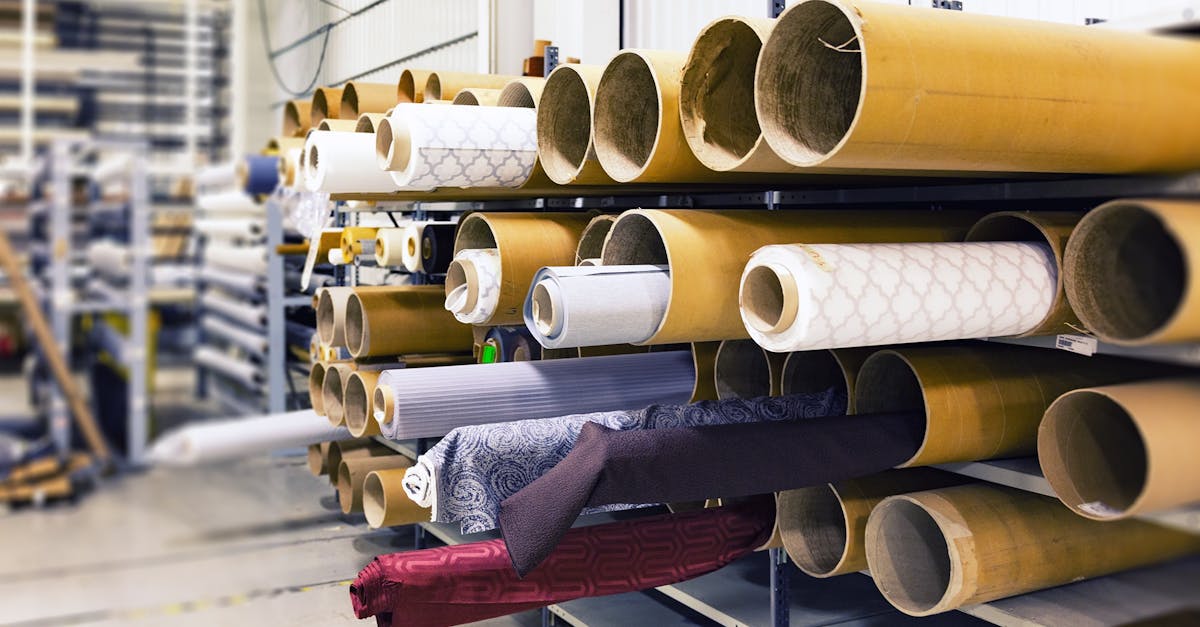

With the African Growth and Opportunity Act (AGOA) set to expire in September 2025, the textile industry in Africa, particularly in Madagascar, is facing a critical challenge that could redefine its long-term future. This program, established to promote African integration into the US market through preferential tariffs, has enabled many economies to sustain their growth, modernize their industries, and create hundreds of thousands of jobs. However, as the deadline approaches, the situation appears increasingly precarious, exacerbated by a complex economic, geopolitical, and environmental context. The substantial benefits derived from AGOA have allowed countries like Madagascar to establish themselves as a pillar of the African textile sector, generating approximately 180,000 direct jobs and a significant share of the national GDP. In 2024, Malagasy exports reached nearly $733 million thanks to this agreement, consolidating their position in the American market. However, the threat of losing this trade access, exacerbated by tariffs that could quickly become prohibitive, raises serious concerns about the future of this strategic sector.
The challenges facing this industry are not solely commercial. They also include the need to adopt innovative strategies to strengthen its competitiveness in the face of globalization, while meeting the sustainability and ethical requirements that are becoming essential standards in the fashion sector. Increasing regulatory pressure necessitates rethinking production models, controlling the supply chain, and reducing its environmental footprint, in a context where eco-responsibility is becoming imperative to attract an increasingly conscious global clientele.
The crucial challenges facing the African textile sector as the end of AGOA approaches: discover the latest trends, innovations, and challenges in the textile industry, a key sector combining tradition and modernity to meet the needs of the global market.

The end of AGOA: an immediate threat to the Malagasy economy and the international market
The textile sector directly employs nearly 20% of Madagascar’s GDP and is a major source of foreign exchange. The suspension or outright elimination of AGOA could cause a dramatic drop in these financial flows. The sudden implementation of reciprocal tariffs, such as the 47% tariff announced for certain textile products in April 2025, illustrates a trend toward a deteriorating business climate.
Since August, these duties have been reduced to 15%, a relief certainly, but insufficient to compensate for the potential loss of advantageous tariff exemptions. Mistrust is growing, fueled by the precedent of 2010-2014, when Madagascar was suspended from the program, resulting in the loss of 30,000 jobs and a considerable weakening of its exports.
The Structural Challenges of the African Textile Sector and Their Long-Term Resolution
Given the complexity of the context, it is becoming clear that simply extending AGOA will not be enough to ensure the stability and sustainable growth of the textile sector. A comprehensive strategy integrating technological innovation, market diversification, and the adoption of eco-responsible practices is necessary. The ability to fundamentally transform production methods to meet new regulatory and environmental requirements has become an essential priority.
However, this transition to a more sustainable industry cannot happen without a collective effort from public and private stakeholders. The implementation of policies that incentivize investment in equipment modernization, vocational training, and research and development programs must be part of a coherent approach to reinvent a textile sector that is competitive in the global market.
Strategies to strengthen the competitiveness of the textile sector in the face of the international market
Innovating to meet the demands of a changing global market 🚀
In a context of rapidly evolving global consumption, the adoption of new technologies, such as artificial intelligence, robotics, and supply chain transparency, is becoming essential. Digitalizing the sector would reduce costs, improve quality, and guarantee exemplary traceability at every stage of production. These innovations strengthen the ability of African exporters to integrate into more sophisticated and ethical supply chains, valued by an increasingly demanding clientele.

Adopting sustainable strategies to build loyalty with international customers 🌱
Respect for environmental and social standards, driven by growing global awareness, is becoming a key differentiator. Companies that manage to combine competitiveness and environmental responsibility enjoy a significant competitive advantage. Circularity, waste reduction, and the use of sustainable raw materials are key areas to develop to ensure long-term growth.
- Discover the trends and innovations in the textile industry, a key sector combining tradition and technology to create high-quality materials and garments.
- The need to strengthen innovation capacity to overcome future challenges
- Sectors in transition must demonstrate greater agility, capable of adapting quickly to new regulations and market demands. The creation of incubators, incentives for innovative research, and collaboration with technical training centers are all actions that can enable African textile industries to position themselves as resilient and competitive players for the future.
| A list of essential levers for the recovery of the textile sector in Africa | 🎯 Modernization of production equipment | 🌍 Diversification of export markets |
|---|---|---|
| 🤝 Strengthening local and international partnerships | 🌱 Integration of eco-responsible practices at all stages | 📈 Technological innovation for continuous improvement |
| Key factor | Potential impact | Concrete actions |
| 🚢 Exports | Increased income and employment | Expand bilateral trade agreements |
| ⚙️ Regulation | Strengthening compliance and competitiveness | Implementing control and certification systems |
| 🌱 Sustainability | Building loyalty among responsible customers, preserving the environment | Investing in eco-friendly and circular textiles |
💡 Innovation
Promoting R&D and collaboration with specialized centers
🧵 Training
Improved mastery of technologies and techniques
Strengthening vocational training in the sector
Risks related to the uncertainty of AGOA renewal
Discover the latest trends and innovations in the textile industry, a key sector combining tradition and modernity to meet the needs of the global market.
Beyond immediate commercial challenges, the African textile sector also faces political and diplomatic risks, including instability that could undermine the confidence of foreign investors. The fear of a complete collapse of the agreement could lead to capital flight, a deterioration of trade relations, or even a sudden collapse of the sector.
The international community, particularly technical and financial partners, has a crucial role to play in encouraging the diversification of funding sources and supporting the transition to a more innovative and responsible industry. Networking stakeholders capable of pooling resources and expertise is more essential than ever to ensure the long-term viability of this vital sector.
A Necessary Evolution for a Resilient and Sustainable Textile Sector in 2026
Ultimately, while the African textile sector cannot rely solely on maintaining AGOA, it must absolutely embrace a dynamic of profound transformation. Adaptability, innovation, and social responsibility are now the pillars of an industry capable of overcoming crises, integrating into a sustainable framework, and maintaining its competitiveness in the face of global challenges.
What are the main challenges of the end of AGOA for the African textile sector?
The end of AGOA threatens the stability of exports, the preservation of thousands of jobs, and necessitates rethinking competitiveness within a changing regulatory and environmental context.
How can African countries adapt to preserve their textile sector?
Découvrez notre guide complet — destinations, budget, visa, faune et conseils pratiques pour préparer votre voyage.

📖 Vous aimerez aussi

Transition à Madagascar : la société civile et la Génération Z face aux doutes sur le « Programme de la Refondation »
3 March 2026
Fermeture de l’aéroport de Dubaï : chaos et désarroi chez les voyageurs bloqués
2 March 2026


