


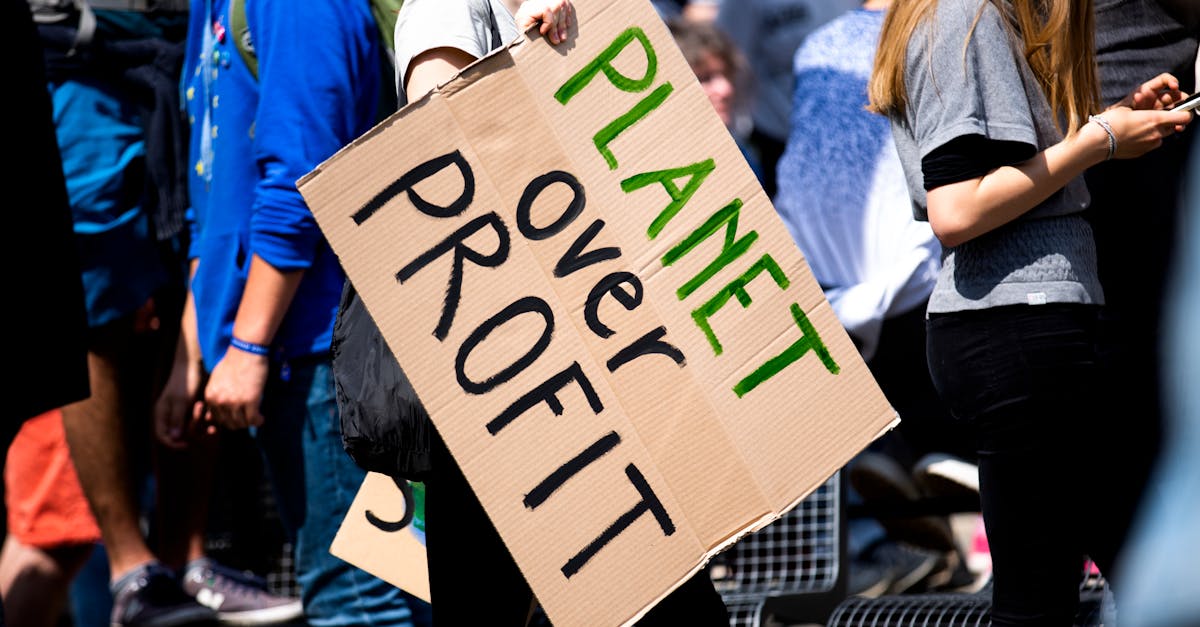
In 2026, the voice of youth, embodied by Generation Z, rises with unprecedented intensity in a global context marked by social, economic, and political upheaval. Starting from a spontaneous commitment, this generation, born between the late 1990s and early 2010s, is now asserting itself as a key player in protest movements aimed at challenging systems perceived as obsolete or even oppressive. The call for a general strike launched by Generation Z in several countries testifies to this unwavering desire to transform society, overcome recurring crises, and demand profound changes. Between massive demonstrations, social demands, and environmental claims, the movement is emerging as a collective reaction to a government often accused of failing and abandoning its promises.
This movement, also heavily amplified by social media, illustrates a shift from traditional activism to a digital mobilization imbued with a sense of activism. Protest, long considered marginal or impulsive, is becoming a structured force here, uniting young people from all backgrounds around a common goal: to make their voices heard and influence public debate. The political crisis in Madagascar, for example, has seen Generation Z take concrete and strategic initiatives, such as a general strike to confront the authorities’ inaction. While in some contexts, such as Madagascar or Nepal, protest takes place in a climate of violence or increased repression, which does not diminish their determination, it nevertheless reveals the profound distress and the urgent need for collective action for lasting change. Discover the impact and motivations behind the strikes led by Generation Z, a new force redefining the world of work and social activism.

Several factors explain this active participation of young people in these emblematic movements of 2026. The first step lies in a growing sense of injustice in the face of a society perceived as deeply unequal. Economic insecurity, exacerbated by successive crises, has fueled a social divide and palpable frustration among young people. Statistics illustrate this situation: according to a study conducted by the GICJ, the majority of young people worldwide express a strong sense of abandonment in the face of inadequate public policies. Promises of social progress remain unfulfilled, pushing this generation to take control of its future by mobilizing both in the streets and online.
Moreover, dissatisfaction with environmental degradation is a major driver of their activism. Generation Z, deeply aware of climate issues, was one of the first to mobilize massively for the cause, refusing to silently endure climate change. This environmental commitment now transcends mere activism to become a vital necessity, felt as a moral imperative. The solidarity born from this awareness also extends to broader social demands, such as access to education, social justice, and the fight against corruption. A concrete illustration of this dynamic is the unprecedented mobilization of young people in Madagascar, who are expressing their frustration with broken promises and failing governance. Key Protests and Demands of Generation Z in 2026The protests of Generation Z quickly gained recognition for their scale and determination. In various parts of the world, young people took to the streets to denounce not only the economic and political crisis, but also to promote active solidarity in the face of systemic injustices. In Madagascar, for example, this generation recently launched a symbolic cyberattack against President Rajoelina, while also calling for a general strike that could shake up the national political landscape.
The demands vary depending on the local context. In Madagascar, the crisis revolves around chronic water and electricity cuts, endemic corruption, and a feeling of abandonment in the face of a structural economic crisis. Young people there are demanding respect for fundamental rights, transparency, and the (re)construction of a fair future. Main reasons for mobilization Concrete examples Emblematic demonstrations
Social and economic inequalities
Water and electricity cuts in Madagascar, growing precariousness Demonstrations against corruption and the deterioration of living conditions in several neighborhoods Ecological crisis
Mobilization for climate justice, street actions against deforestation School strikes for the environment, acts of civil disobedience Discrimination and human rights
| Demands for greater equality in access to education, fight against police repression | Massive protests in Antsiranana, where Generation Z is demanding an end to police violence | Discover how Generation Z organizes and participates in strikes to defend its rights and its future. |
|---|---|---|
| The impact of social media and digital technology on Generation Z mobilization | The dominant role of social media in structuring social movements is an undeniable reality in 2026. Generation Z, born in the digital age, uses these platforms as powerful tools for collective action. The instant dissemination of information, the virality of campaigns, and global mobilization around specific hashtags (e.g., #UnitedGenerationZ, #StopRajoelina) illustrate this reality.The significance also lies in these young people’s ability to bypass traditional media and make their voices heard directly by the public and international leaders. Online mobilization even extends to organizing physical demonstrations, as in Madagascar, where calls for a general strike were relayed through viral videos, blogs, and discussion groups. Furthermore, this digital diplomacy also allows them to denounce abuses, such as the cyberattacks orchestrated against the government, a recurring tactic in their protest strategy. https://www.youtube.com/watch?v=s_FTQT46M9w | The Intercultural and International Stakes of the Global Youth Awakening |
| It’s no longer a secret: Generation Z transcends borders. Their activism, fueled by international exchanges and a global network, is forging a new collective consciousness: that of a united front against global injustice. Countries as diverse as Morocco, Nepal, Madagascar, and Peru are participating in this wave of protest which, according to in-depth analysis, is redefining the contours of social change. | These movements often align around common demands: climate justice, the fight against poverty, and political transparency. Intercultural solidarity is also manifested in the protection of young people’s rights, the denunciation of discrimination, and the demand for equitable representation in global governance. Underlying this is a vision of engaged youth where collective action becomes a weapon for systemic change, reflecting their values of solidarity and justice. | |
| Major Risks and Challenges Facing This Anti-System Mobilization | However, this wave of activism is not without obstacles and risks. Police repression, often violent as evidenced by the protests in Antsiranana, constitutes a major impediment to the free expression of young demonstrators. This repression unleashes heightened tensions, potentially escalating into systematic violence, which risks further weakening the movement’s cohesion. Furthermore, mass mobilization has a weakness: if it is not accompanied by constructive dialogue, it could lead to a weakening of solidarity or disappointment in the face of a lack of tangible results. The challenge, therefore, lies in the ability of young people to maintain their cohesion, to unite all stakeholders, and to avoid the rift that could result from a rejection of elites or an escalation of security measures. | Discover how Generation Z is engaging in social movements with Generation Z Strike, a mobilization for a better future. |

Strengthening international solidarity
Inclusive dialogue with authorities
Protecting the rights of protesters
The emblematic figures and historical references of youth activism in 2026
The Generation Z movement didn’t emerge overnight; it’s part of a historical continuum where youth engagement has always played a catalytic role in social change. Figures like Greta Thunberg, who made climate history, or the anti-corruption activists in Madagascar, illustrate this enduring nature of youth protest. In this context, these leaders of tomorrow embody the possibility of political and ethical renewal. By demonstrating their commitment through concrete actions, these young representatives mobilize their communities and fuel a collective dynamic that their generation wants to see continue. Activism, now largely digital, allows them to transcend their traditional marginalization and become genuine agents of change on a global scale.
What is Generation Z’s primary motivation for social protest? Generation Z primarily demands social justice, greater equality, environmental protection, and a commitment to more transparent and accountable governance. How will social media influence youth mobilization in 2026? Social media allows for the instant dissemination of demands, facilitates the coordination of collective actions, and offers a platform for making their voices heard globally.
What challenges does Generation Z face in its protests?
The main challenges include police repression, misinformation, the digital divide, and rejection of elites. The cohesion and sustainability of the movement also remain crucial issues. What inspiring figures can be cited?Figures like Greta Thunberg or local leaders of the anti-corruption movement in Madagascar illustrate this desire to act, to make things change and to defend their ideas.
🔗 Sources & références
Pour aller plus loin, consultez les sources citées dans cet article :
Découvrez notre guide complet — destinations, budget, visa, faune et conseils pratiques pour préparer votre voyage.

📖 Vous aimerez aussi

Transition à Madagascar : la société civile et la Génération Z face aux doutes sur le « Programme de la Refondation »
3 March 2026
Fermeture de l’aéroport de Dubaï : chaos et désarroi chez les voyageurs bloqués
2 March 2026


