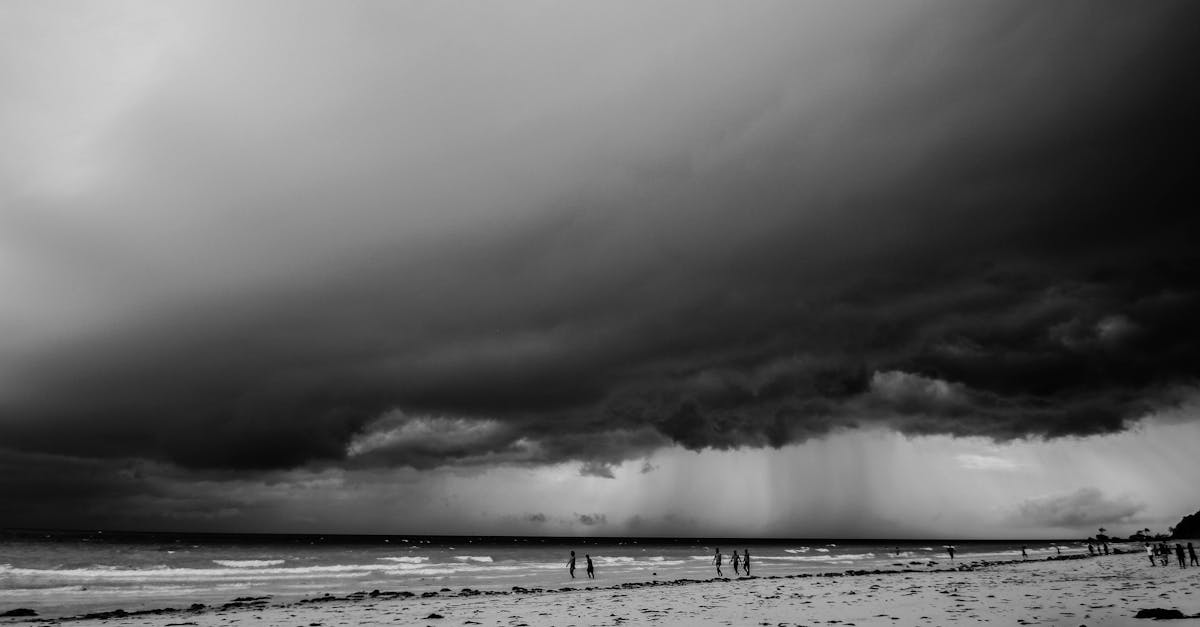
At the start of 2026, the Indian Ocean is under heightened surveillance due to the ominous approach of Tropical Storm Grant, now classified as a disturbed area by weather forecasts. The deteriorating climate situation in this region, crucial to geopolitical and economic stability, can only fuel increased vigilance in the face of potential risks. For several days, the mobilized international meteorological community has observed a gradual but precise weakening of the system, which is approaching Madagascar dangerously, while still maintaining some leeway to avoid an inevitable catastrophe. The increasing escalation of weather alerts reflects the seriousness of the situation: a phenomenon that can evolve rapidly, requiring optimal anticipation to limit its human, economic, and environmental impacts. The disturbed area is moving southwest, while its predicted intensity fluctuates, necessitating constant adaptation of prevention and response strategies. The main fear lies in the possibility of a powerful cyclone developing into one, capable of causing flooding, devastating winds, and massive structural damage in an already vulnerable region. The crucial question remains: how far will this storm intensify before reaching the east coast of Madagascar? The situation now demands collective mobilization, both locally and internationally, to monitor the evolution of Grant and seriously address this major climate threat, which demonstrates once again how climate change is intensifying the frequency and violence of such events. The capacity of this system to trigger a humanitarian crisis must not be underestimated if protection and evacuation measures are not implemented. tions are not coordinated quickly and efficiently.

The strategic implications of Tropical Storm Grant for Madagascar and the region
https://www.youtube.com/watch?v=bl3G78GBsxs
Environmental and Climate Challenges Related to the Development of Tropical Storm Grant

Learn all about storms: their causes, their impacts, and how to prepare for extreme weather conditions.
Weather Monitoring and Prevention Resources in the Face of Tropical Storm Grant
| Faced with the rapid advance of Tropical Storm Grant towards the region, weather monitoring stakeholders are working intensively to track every development. Technology plays a crucial role in risk management: satellites, radars, buoys, and ground stations provide real-time data, allowing meteorologists to refine their forecasts and anticipate any worsening conditions. Communicating alerts is essential to ensure the rapid dissemination of information to at-risk populations. The implementation of early warning systems, particularly through SMS messages or mobile applications, helps prevent chaos and effectively coordinate evacuations should the need arise. The Malagasy authorities, in collaboration with the international community, are intensifying their efforts to strengthen these systems, while also raising public awareness of safety guidelines. Intelligent resource management and preparedness for humanitarian aid are also crucial to minimizing damage. Northern Madagascar, in particular, must be prepared to receive potential refugees by guaranteeing immediate access to water, food, and medical care. Constant monitoring, combined with the commitment of all stakeholders, is the best way to limit the impact of a storm whose intensity could fluctuate in the coming days. International solidarity and an integrated prevention strategy will be essential for building resilience in the face of this major climate event. | Key Factor | |
|---|---|---|
| Mechanism | Expected Impact | 🌐 Satellite Monitoring |
| Real-time tracking of the storm’s trajectory and intensity | Improved accuracy of weather forecasts | 🚨 Early Warning Systems |
| Instant dissemination of risk information via SMS and apps | Reduced response time and efficient evacuation | 🌀 Capacity building |
Training of rescue teams and logistical preparation
Reduction of human and material damage
- Areas under surveillance: what perimeters and precautions should be taken?
- Several areas around Madagascar are receiving particular attention from forecasters, notably those located southeast of the Chagos Archipelago and west of Agaléga. These areas present a high potential risk due to the storm’s trajectory towards the Malagasy coast, especially for the Toamasina region. Vigilance must be increased in these areas, where weather conditions can rapidly escalate into more violent phenomena if the storm continues to intensify. Local authorities have already begun preparing their populations: implementing evacuation plans, preparing reception centers, strategically stockpiling food and water, and disseminating essential information to quickly mobilize at-risk communities. To better anticipate risks, a list of precautions is essential:
- 📝 Establish a clear evacuation plan known to everyone
- 🛑 Reinforce critical infrastructure, such as hospitals and schools
- 🌪️ Regularly monitor the storm’s progress

📢 Continuously broadcast official weather alerts
Discover everything about storms: weather forecasts, safety tips, and impressive storm-related phenomena.
The economic and social consequences of Tropical Storm Grant for Madagascar
Beyond the material damage, social vulnerability is increasing, with a risk of mass exodus and food insecurity. In this context, the population of the affected areas must receive immediate humanitarian support, including the provision of drinking water, food, and temporary shelter. Community resilience, strengthened by awareness and preparedness programs, is therefore the priority for addressing this climate crisis. International cooperation must also play a crucial role: several NGOs, UN agencies, and bilateral partners have already mobilized their resources to support Madagascar in managing the emergency, notably by highlighting the need to strengthen food security and prevent health risks related to stagnant water and flooding.
https://www.youtube.com/watch?v=6HzAxiDgDDQ
| Political and humanitarian responses to the threat of Grant in 2026 | The Malagasy authorities, on heightened alert, have already activated their emergency plan, mobilizing civil defense forces and strengthening national communications. Coordination with regional and international partners is essential to ensure a rapid and effective response. Crisis management must focus on the safety of the population and minimizing humanitarian impacts. Furthermore, regional diplomacy must play a significant role in coordinating humanitarian aid and avoiding any ambiguity regarding responsibility for managing the cyclone’s effects. | |
|---|---|---|
| For their part, several non-governmental organizations, particularly those specializing in natural disaster management, are strengthening their response capacities. The provision of financial, material, and logistical assistance must be prioritized, taking into account not only the immediate emergency but also long-term reconstruction. Raising public awareness about the need to follow instructions and prepare families is also a key step in limiting panic and human suffering. Madagascar’s long-term resilience to these extreme weather events will largely depend on the ability of local stakeholders to mobilize their expertise and determination, in a context where the climate threat is becoming a global challenge more than ever. | Summary Table of Forecasts and Risks Related to Tropical Storm Grant | 🚩 Event |
| Forecast | Potential Risks | 🌀 Trajectory of Grant |
| From north to south, towards Madagascar | Floods, high winds, coastal erosion | 🌡️ Intensity |
Disturbed area, fluctuating according to models
Possible cyclone development, major damage
🔔 Vigilance
Maintained in at-risk areas
Mass evacuations and economic disruptions
What are the main risks associated with Tropical Storm Grant for Madagascar?
The main risks include flooding, devastating winds, potential landslides, and major economic disruptions, particularly in the vanilla sector. How can Madagascar strengthen its resilience to this threat?
🔗 Sources & références
Pour aller plus loin, consultez les sources citées dans cet article :
Découvrez notre guide complet — destinations, budget, visa, faune et conseils pratiques pour préparer votre voyage.

📖 Vous aimerez aussi

Transition à Madagascar : la société civile et la Génération Z face aux doutes sur le « Programme de la Refondation »
3 March 2026
Fermeture de l’aéroport de Dubaï : chaos et désarroi chez les voyageurs bloqués
2 March 2026