


A strategic modernization of the RN2: a key project for the development of Madagascar’s road network
In 2025, the progress of the renovation work on National Road 2 (RN2) remains a central concern for infrastructure management in Madagascar. The RN2, connecting Antananarivo to the port of Toamasina, is not only the country’s most strategic communication route, but also a key vector for economic, social, and logistical development. The need for a thorough renovation of this route has become apparent on several occasions, given the advanced dilapidation of many sections and their direct impact on traffic and safety. Road infrastructure management, often faced with underoptimization of resources, must now address major challenges: accelerated wear and tear, traffic congestion, risks associated with fragile structures, and uncertainties related to user safety. The issue of renovation, which includes paving, bridge reinforcement, and road widening, is becoming a national challenge, requiring unprecedented mobilization from the public works sector. Coordination between public and private stakeholders, as well as construction expertise, is now more crucial than ever to maintain project momentum in a context marked by growing demands for sustainability and resilience.
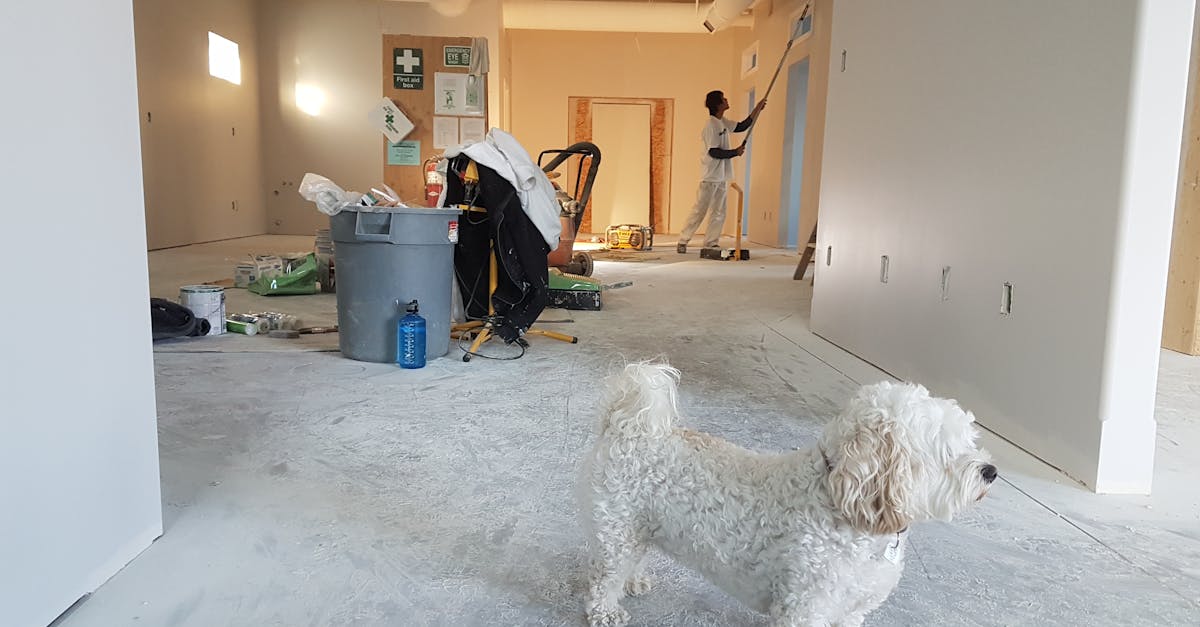
Key milestones in the progress of the RN2 renovation work in 2025
Since the official launch of the renovation work, several fundamental steps have been taken, demonstrating a strong commitment to accelerating road maintenance with a view to sustainable development. Initially, an in-depth diagnostic phase was conducted, allowing for the precise identification of priority sections, particularly those with “black” deterioration that fragment traffic or lead to degraded safety conditions. This step was followed by strategic planning of operations, integrating infrastructure projects that comply with international standards and securing the necessary funding. Concrete implementation began with a series of asphalting projects, road widening, and modernization of engineering structures, such as the bridges crossing the Ikopa River. Currently, major works concern several segments, notably the Manjakandriana-Marozevo section, emblematic for its geographical complexity and security issues. In addition, exceptional convoys transporting heavy equipment are regularly mobilized to strengthen logistical capacity, particularly with a view to supplying energy and materials to the most remote areas. Coordination with infrastructure management and work planning is part of a dynamic of transparency and rigorous management, in accordance with the commitments of the Ministry of Public Works and national development strategies.
| Key Milestones | Description | Current Progress |
|---|---|---|
| Initial Assessment | Assessment of infrastructure condition, identification of critical areas | Completed |
| Planning | Development of road development and maintenance projects | In progress |
| Conducting work | Asphalting, strengthening of engineering structures, widening | In progress |
| Monitoring and Evaluation | Quality control, contingency management | In progress |
The technical and economic challenges of the RN2 renovation project
The scope of the RN2 renovation goes beyond the purely technical aspect to encompass strategic economic issues. Like other infrastructure projects, the renovation must meet a dual need: to ensure user safety and improve traffic flow to promote local and national economic growth. The technical challenge lies in the ability to operate on a route subject to complex geographical and environmental constraints, including wetlands, steep hills, and ancient structures requiring enhanced restoration. From an economic perspective, this operation aims to significantly reduce recurring maintenance costs while avoiding the isolation of rural areas crucial for supply. The modernization of this road is accompanied by an effort to attract local and foreign investors by promoting the creation of an efficient logistics corridor. The synergy between infrastructure projects and financial resource management is becoming an essential lever to ensure the sustainability of the investment. Cost control, transparency in management, and the ability to mobilize international financing are key priorities for the success of this major project.
| Issues | Description | Expected Impacts |
|---|---|---|
| Road Safety | Reduction in accidents related to road wear and tear and defective structures | Fewer casualties, improved social climate |
| Reduced maintenance costs | Sustainable infrastructure to limit the frequency of repairs | Long-term savings for the national budget |
| Economic Impact | Improved trade flow and labor mobility | Accelerated Local and National Growth |
The Challenges of Project Management and Construction Execution
Effectively managing large-scale projects such as the renovation of the RN2 requires rigorous organization and exemplary coordination between all stakeholders. The diversity of stakeholders, whether private companies, ministries, local authorities, or international partners, requires exemplary management of deadlines, costs, and quality. The challenge often lies in managing unforeseen events related to weather conditions, the discovery of old structures, or fluctuating material prices, particularly on a project as vast as the RN2. The need for appropriate and flexible infrastructure management is therefore essential to avoid any delays that could lead to additional costs. For example, in the case of asphalt paving, the start of operations must comply with strict planning to avoid local congestion and traffic disruptions. Communication with local communities to ensure their safety and understanding of the process is also a major challenge. The success of these projects depends on integrated management, combining transparency, anticipation, and enhanced adaptation to address the complexity of road maintenance work on this strategic section.
| Challenges | Description | Proposed Solutions |
|---|---|---|
| Delays due to unforeseen events | Weather conditions, archaeological discoveries, price fluctuations | Flexible planning, financial reserves, real-time monitoring |
| Traffic management and disruptions | Reducing impacts on local and national traffic | Coordination with traffic management, appropriate signage |
| Stakeholder involvement | Ensuring transparency and community participation | Regular information, constructive dialogue, transparency of contracts |
Strategies to accelerate the progress of the work and secure the RN2 site
In the current context of accelerated development, the need to optimize the efficiency of RN2 renovation work is a priority. The strategy is based in particular on the consolidation of urban planning techniques and the integration of modern technologies, such as electronic project management and remote supervision. The alignment of teams in charge of asphalting work and the mobilization of heavy equipment, combined with rigorous planning, makes it possible to reduce the overall duration of interventions while maintaining quality. Furthermore, accelerating the work also requires strong involvement in site management, with the aim of limiting the impact on traffic as much as possible, in particular by setting up temporary diversion routes and effective signage. Proactive planning of interventions, including the management of critical or “black” points, must be reinforced by transparent communication with users. The mobilization of human and material resources, reinforced by investments in training and modernization, constitutes the basis for achieving these ambitious objectives. The issue of emergency or unforeseen management must, for its part, be the subject of a strict protocol to guarantee a rapid and effective response.

The social and environmental impacts of the RN2 renovation project
The renovation of the RN2 should not be seen solely as an opaque technical hub. It also represents a major lever for social and environmental transformation for Madagascar. On a social level, the modernization of this strategic axis contributes to improving the living conditions of local populations by facilitating their access to essential services, education, and employment. Reducing travel times, making the journey safer, and creating direct and indirect jobs related to the work also contribute to strengthening the social fabric. On an environmental level, particular attention is being paid to integrating sustainable solutions—such as the use of recycled materials or erosion prevention—to limit the ecological impact of the operations. Waste management, noise pollution control, and the protection of biodiversity in the surrounding mountainous area are all key objectives. The success of these initiatives also depends on regular and transparent monitoring, as well as ongoing awareness-raising among local stakeholders about the importance of ecological conservation throughout the project. Social responsibility, implemented in collaboration with local stakeholders, is part of a comprehensive sustainable development strategy, aligned with national and international objectives.
| Impacts | Description | Measures** |
|---|---|---|
| Improvement of living conditions | Facilitated access to services, reduced travel times | Construction of secondary roads, community awareness |
| Job creation | Direct jobs related to the project, opportunities for the local population | Local training, partnerships with businesses |
| Respect for the environment | Limiting ecological impact through sustainable practices | Use of recyclable materials, waste management, biodiversity protection |
Medium-term outlook: Towards a modernized and resilient RN2
By 2025, the strategic vision for the RN2 goes beyond simple renovation. It aims to achieve a modern, intelligent infrastructure that is resilient to climate hazards and the ravages of time. The modernization aims to create a true green corridor, capable of supporting growing traffic while respecting the environment. The development of the RN2 is part of a broader approach to regional and national integration, supported by the management of innovative infrastructure projects, combining solar microsurfaces, intelligent traffic management systems, and enhanced safety measures. The consolidation of construction site management standards, in conjunction with electronic surveillance, will make it possible to effectively anticipate any incidents or unforeseen events. The resilience of this route must also be ensured through predictive maintenance, thus guaranteeing the sustainability of the investment. Medium-term planning must also include a component for improving user experience and a road safety education program to raise awareness of safety and sustainable development issues.

Technological innovations for RN2 renovation: towards a modern construction site
To achieve these ambitions, the integration of technological innovations is a key lever. Electronic project management and remote supervision via drones or smart sensors allow for real-time monitoring of the progress of work. BIM (Building Information Modeling) solutions facilitate coordination between different trades, optimizing resource and deadline management. The digitalization of maintenance and early detection of failures using sensors installed on engineering structures or road surfaces guarantee increased longevity. Furthermore, the use of innovative materials, such as modified bitumen or reinforced concrete, increases the resistance of infrastructure to climatic hazards and wear. The implementation of smart lighting systems or automatic traffic control devices can also contribute to improving safety and fluidity throughout the RN2. The rise of these technologies demonstrates a strong commitment to a public works sector capable of evolving in a global context of digital transformation. The RN2 renovation project is thus becoming a veritable laboratory for innovation in the service of sustainable urban development.
Community initiatives and local participation in the management of the RN2
The challenges associated with the renovation of the RN2 now extend beyond the purely technical, becoming part of a dynamic of citizen involvement and participatory management. Community participation, particularly in rural areas, helps strengthen public accountability regarding issues of safety, maintenance, and infrastructure preservation. In Madagascar, various local initiatives have been launched to raise awareness about infrastructure degradation, promote responsible use, and support collective management. These actions also aim to foster dialogue between local stakeholders—elected officials, associations, users—and project managers, to ensure greater ownership of the work carried out. The creation of local monitoring committees, training programs, and awareness-raising workshops are all tools to encourage shared management. Active community participation thus helps ensure greater sustainability of the investments made during this renovation, while strengthening the sense of civic belonging and social cohesion over the long term. Actions
| Description | Objectives | Awareness workshops |
|---|---|---|
| Informing people about the importance of maintaining and respecting road infrastructure | Empowering the population | Creating local committees |
| Participatory monitoring of work and collective management | Sustaining the approach | Community training |
| Strengthening skills for management and maintenance | Local autonomy | Frequently asked questions (FAQ) |
What are the main objectives of the RenovationRN2 project in 2025?
- They include securing the route, improving traffic flow, reducing maintenance costs, and ensuring the long-term sustainability of infrastructure. All of this while integrating sustainable solutions adapted to the local and international context.
What technological innovations are being implemented as part of this renovation?
- The main ones include electronic project management, remote supervision using sensors and drones, BIM, and the use of innovative materials to enhance the sustainability of the structures.
How does community participation influence project management?
- It empowers communities, ensures participatory monitoring, fosters a sense of belonging, and guarantees the sustainability of investments by strengthening local management.
What are the environmental issues related to the renovation of the RN2?
- They concern reducing the ecological impact through sustainable practices, waste management, protecting biodiversity, and limiting noise pollution during construction.
What challenges remain to be addressed to complete the renovation of the RN2 by the end of 2025?
- The main challenges concern managing unforeseen events, effectively coordinating the many stakeholders, mobilizing financial resources, and ensuring safety on all segments of the construction site.
Découvrez notre guide complet — destinations, budget, visa, faune et conseils pratiques pour préparer votre voyage.

📖 Vous aimerez aussi

Transition à Madagascar : la société civile et la Génération Z face aux doutes sur le « Programme de la Refondation »
3 March 2026
Fermeture de l’aéroport de Dubaï : chaos et désarroi chez les voyageurs bloqués
2 March 2026


