UNOC3: Madagascar, the Comoros, the Seychelles, and Mauritius take action in Nice to protect the Indian Ocean
In a context where the health of our oceans is becoming a key concern for the survival of ecosystems and island communities, the UNOC3 conference, held in Nice from June 9 to 13, 2025, is of paramount importance. Madagascar, the Comoros, the Seychelles, and Mauritius represent a trio of actors determined to make their voices heard in the face of the major challenges related to climate change and the degradation of marine resources. These island countries, perfectly representative of the immense wealth and vulnerability of the Indian Ocean region, are taking advantage of this international forum to mobilize action, strengthen cooperation, and develop concrete strategies. Throughout this week of discussions, collective responsibility is strongly emphasized, as the survival of these territories depends directly on their ability to preserve their marine environment while boosting their tourism sector and culture, which are an integral part of their identity. The dynamic participation of these nations, combined with the commitment of numerous global partners, offers an optimistic outlook for sustainable ocean management. Island sovereignty is now combined with international solidarity to address the critical challenges of our time. Explore the beauty and diversity of the oceans, from mysterious depths to sun-drenched beaches. Discover marine wildlife, fragile ecosystems, and the importance of protecting the seas for our planet. The international context: an unprecedented commitment during the 3rd World Ocean Conference in Nice

https://www.youtube.com/watch?v=kKEX7WOPi74
Major Challenges in Madagascar, the Comoros, the Seychelles, and Mauritius: A Threat to Their Economic and Cultural Future These island nations are facing unprecedented challenges, the most glaring of which remains the degradation of marine ecosystems, exacerbated by plastic pollution, overfishing, and warming waters.Marine Pollution
Impact
Concrete example Plastic pollution Habitat damage, biodiversity loss 🌊 More than 8 million tons of plastic in the Indian Ocean each year Overfishing
| Depleted resources, declining catches 🐟 | 30% reduction in catches in 2024 compared to 2022 | Ocean warming |
|---|---|---|
| Coral in danger, biodiversity threatened 🥵 | 43% of coral reefs damaged in the area | Solutions to preserve their economic and cultural future |
| 🌱 Implementation of marine and terrestrial protected areas | 🌎 Strengthening monitoring and sanctions against pollution | 🔍 Adoption of sustainable technologies for fishing and tourism |
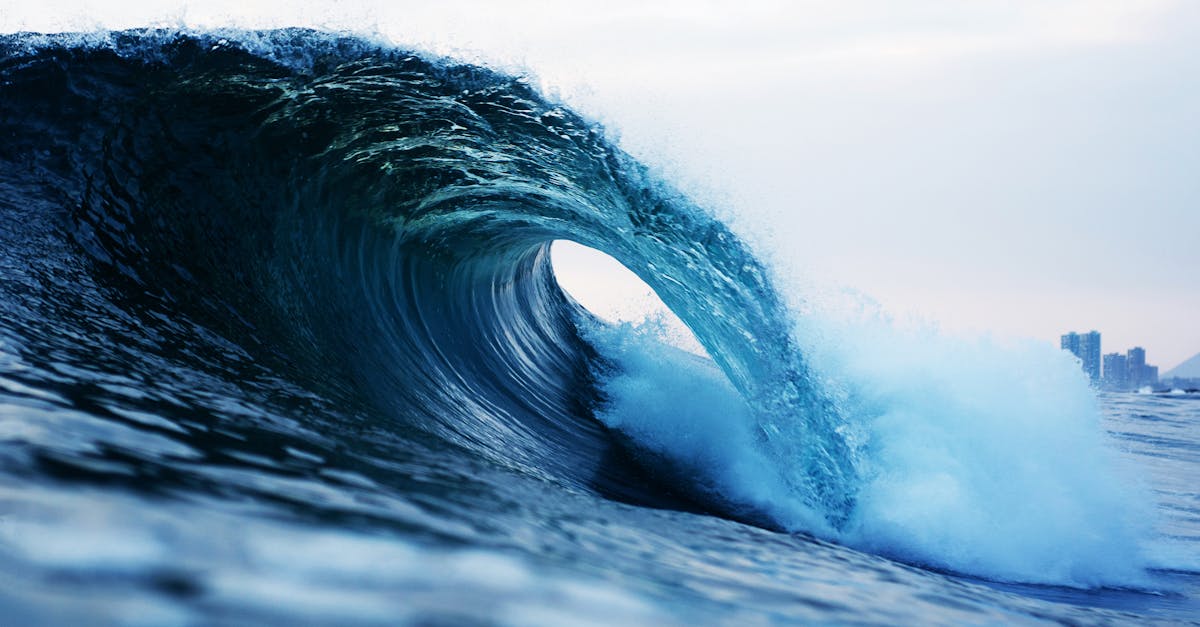
| 🤝 Sharing expertise and skills at the regional level | 🎒 Raising public awareness of environmental issues | Discover the majestic beauty of the ocean, a vast living world boasting exceptional biodiversity. Dive into its mysteries, explore its seabed, and let yourself be carried away by the serenity of its waves. |
Active diplomacy to strengthen regional cooperation in the Indian Ocean
- The countries of Madagascar, Comoros, Seychelles, and Mauritius have seized this opportunity to strengthen their collaboration, both bilaterally and multilaterally. Participation in UNOC3 has enabled the establishment of strategic partnerships with several nations, including France, India, Portugal, and other key players in the international community. These alliances aim to share best practices, develop joint programs, and financially support ecological initiatives. France, in particular, plays a pivotal role in this dynamic, offering technical and financial support for the development of innovative projects, such as coral reef conservation or the fight against plastic pollution. The coordinated action of these island states is part of an approach aimed at strengthening their sovereignty while actively participating in the collective management of ocean resources. The implementation of these collaborations must lead to joint governance, essential given the complexity of environmental issues in this highly exposed region.
- The strategic role of tourism and culture in island resilience
- For Madagascar, the Comoros, the Seychelles, and Mauritius,
- culture
- and

constitute major levers for their sustainable development. Their rich heritage, exceptionally preserved biodiversity, and unique landscapes give them a competitive advantage on the international stage. However, the devastating impact of ecological degradation threatens this economic model. Preventing this degradation requires an integrated strategy focused on promoting traditions, promoting responsible tourism, and protecting cultural sites from erosion. The rise of adventure, nature, and cultural tourism must rely on local initiatives, such as the promotion of Malagasy artisanal textiles (
discover local crafts
) or the development of live entertainment. Collaboration between cultural and ecological stakeholders offers a way to reconcile environmental protection and economic development, preventing ecological destruction from undermining tourist appeal. Promoting the unique identity of each territory thus becomes a vector of resilience in the face of global crises.
Discover the wonders of the ocean: its incredible biodiversity, breathtaking landscapes, and essential role in our ecosystem. Dive into a fascinating world where every wave tells a story. Future Outlook: Strengthening Global and Local Governance for a Healthy Ocean The challenges addressed during this edition of UNOC3 indicate that the path to a sustainable future relies on integrated governance at multiple scales. Regional cooperation, supported by multilateral agreements, must be expanded to regulate industrial, tourism, and fishing activities, while respecting biodiversity. The new generation of leaders must commit to upholding these commitments, particularly through the formation of local networks to monitor and combat maritime crime. The participation of young people and local communities, essential for ensuring adherence to environmental policies, is a strategy to prioritize. Furthermore, the integration of science and technology, particularly through drones, satellites, and artificial intelligence, will be a key lever for monitoring and effectively managing resources. The desire to unite all stakeholders, from scientists to politicians, is part of a dynamic aimed at preventing and mitigating the devastating effects of climate change in this strategic region. Finally, global awareness must continue to grow, as the health of the oceans is closely linked to the global climate balance. Main Objectives Concrete ActionsKey ParticipantsProtection of marine resources 🌊 Creation of protected areas, fight against pollution States, NGOs, local stakeholders Strengthening governance 🤝Adoption of new legislative frameworks, regional cooperation
Technological and scientific support 🛰️
Use of satellites, drones, AI
Research institutes, innovative start-ups
FAQ – Frequently Asked Questions about UNOC3 and the Indian Ocean region
| What are the major challenges for Madagascar and its neighbors during UNOC3? | The main challenges concern the fight against marine pollution, sustainable fisheries management, coral reef conservation, and resilience in the face of climate change. | How can international cooperation support these island countries? |
|---|---|---|
| By funding conservation programs, sharing innovative technologies, and strengthening regional legislative agreements. | What are the economic and cultural impacts of this conference? | It helps promote local heritage, ensure the sustainability of sustainable tourism, and strengthen cultural identity in the face of environmental challenges. |
| What is France’s role in this regional dynamic? | France, which owns several territories in the Indian Ocean, plays a key role by providing technical, financial, and diplomatic support for the conservation and governance of marine resources. | What concrete initiatives can emerge following UNOC3? |
| The establishment of joint monitoring networks, the creation of new marine sanctuaries, and the promotion of ecological and cultural tourism. | Source: la1ere.franceinfo.fr |