


The Fitovinany region in southeastern Madagascar is currently experiencing a major health crisis due to the alarming resurgence of malaria. Since the beginning of April 2025, the Ikongo district, a previously moderately affected area, has been facing an unprecedented epidemic that has already claimed the lives of more than 118 people. The rapid spread of the parasite, compounded by insufficient health coverage and challenging socioeconomic factors, requires urgent and coordinated action. The World Health Organization (WHO), in partnership with local authorities, has deployed emergency assistance to strengthen the public health response, illustrating the importance of prevention, treatment, and communication mechanisms in the fight against this scourge. The situation in Ikongo symbolizes the challenge of combating malaria in a context of social and climatic vulnerability, highlighting the need for continued international commitment to preserve collective health. The response must not only contain the immediate crisis, but also lay the foundations for a sustainable strategy to significantly reduce the impact of this endemic disease, demonstrating the complexity of the fight against this disease, in which prevention, education, and community solidarity play a central role.
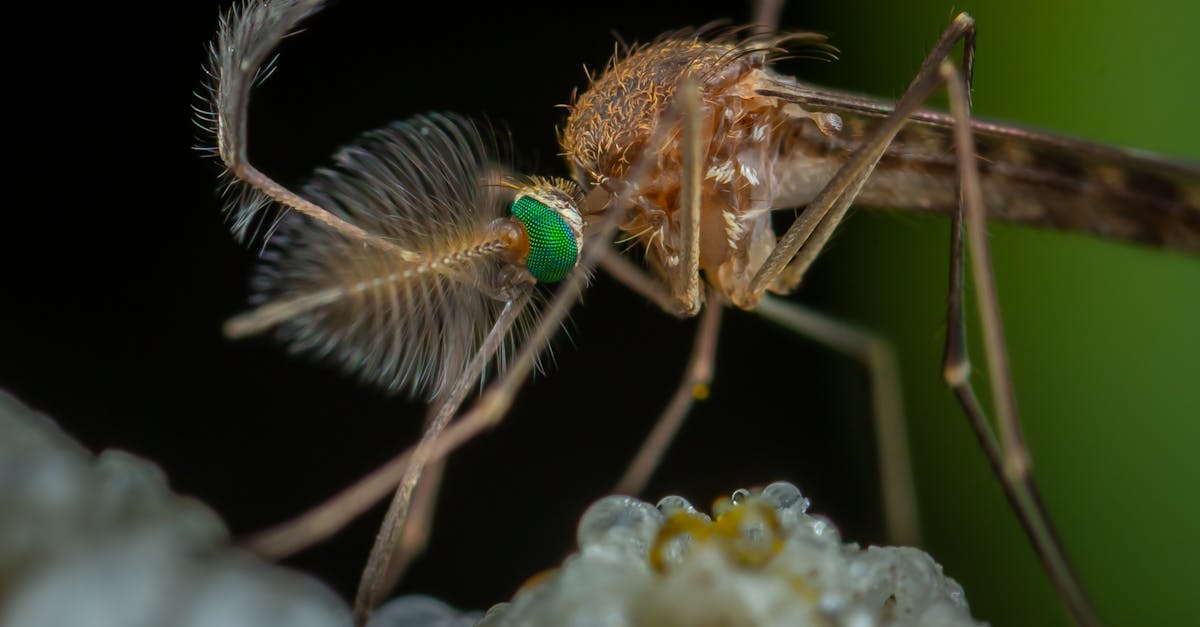
Impact of malaria in Ikongo: a health crisis of worrying magnitude
Since the beginning of the epidemic in Ikongo, the health situation has deteriorated considerably, revealing the vulnerability of the health system in the face of an endemic disease that has become uncontrollable in certain areas. The recent increase in the number of cases, combined with significant mortality, highlights the inadequacies in prevention and treatment available to the local population. By 2025, estimates show that the total number of cases recorded will significantly exceed that of previous years, leading to an overload of medical staff and an influx of patients into often under-equipped health centers. 📈 Rapid increase in cases since April 2025
- 🚑 Limited capacity in local hospitals
- 💉 Difficulties accessing treatment and vaccines
- 🦟 Contamination favored by seasonality and the environment
- 🌍 Significant socioeconomic impact on the community
- This table illustrates the alarming progression of malaria in Ikongo in 2025:
Criteria
| Statistics in 2025 | Change compared to 2024 | Cases recorded |
|---|---|---|
| 3,200 | +45% | Related deaths |
| 118 | +30% | Health facilities equipped |
| 5 | -20% | Medical personnel mobilized |
| 20 professionals | +25% | Distribution of treated mosquito nets |
| 10 000 | – | https://www.youtube.com/watch?v=OSr8aF5vv8s |
Faced with this health crisis, the WHO implemented a structured emergency response, mobilizing resources and expertise to limit the spread of the parasite. Several key areas of intervention were defined to effectively address the situation:
🚨 Deployment of more than two tons of medicines, medical equipment, and essential supplies for immediate patient care. These donations are expected to rapidly increase access to antimalarial treatments and reduce mortality.
- 🧪 Field capacity building: WHO epidemiologists and logisticians have been deployed to coordinate local efforts, monitor the epidemic in real time, and ensure a targeted response tailored to specific needs.
- 🤝 Establishment of a partnership with the Malagasy Ministry of Health, the local community, and various nongovernmental organizations for an integrated response, promoting a coordinated, effective, and sustainable fight.
- 🏥 Improvement of care in health centers: optimization of treatments, training of medical personnel, and distribution of impregnated mosquito nets for enhanced prevention. 📢 Community education campaigns to encourage compliance with health measures, eliminate mosquito breeding sites, and raise awareness of the importance of prevention.
- This strategic partnership should help build a robust local response capable of overcoming both the crisis and its long-term repercussions. Risk communication, community mobilization, and transparency in resource management are also essential to restore trust and boost the fight.
- Discover the challenges of malaria, its symptoms, causes, and prevention methods. Learn about this tropical disease and global efforts to eradicate it.
The crucial role of prevention and education in curbing malaria in Ikongo

🧒 Raise awareness from an early age by integrating them into local schools
📢 Organize regular campaigns to inform about transmission methods and preventive measures
- 🌿 Encourage the reduction of mosquito breeding sites: eliminate stagnant water, destroy ponds
- 💊 Promote regular prophylactic treatment and the systematic use of treated mosquito nets
- 🤝 Unite the community around a common malaria control project
- Results obtained in other regions of the country show that such measures play a decisive role, creating an effective barrier against transmission. Community mobilization is also part of a continuing education strategy, essential for changing behaviors and establishing a sustainable culture of prevention, especially when the disease becomes a persistent threat, as it has in Ikongo.
- Key Actions
Objectives
| Partners Involved | 🎓 Education Campaigns | Informing and Raising Awareness |
|---|---|---|
| Local Associations, Schools, WHO | 🌍 Mosquito Eradication | Reducing Breeding Areas |
| Community, Vector Control Teams | 💊 Prophylactic Treatments | Preventing Disease in Vulnerable Populations |
| Public Health, NGOs | 🛠️ Strengthening Health Centers | Improving Care and Prevention |
| WHO, Ministry of Health | 🤝 Local Partnerships | Ensuring an integrated and sustainable response |
| Communities, associations, NGOs | Uniting the community and strengthening the malaria control strategy in Ikongo | An effective response to the crisis in Ikongo cannot rely solely on medical and logistical interventions. The active participation of local communities is the cornerstone of a sustainable fight against malaria. Raising awareness, educating, and empowering populations help create a collective dynamic, essential for sustainably reducing transmission. Community mobilization must involve local stakeholders, traditional leaders, associations, and schools. 🌱 Creation of local malaria control committees |
🤝 Training of community leaders as awareness-raising vehicles
🎯 Organization of dialogue forums to strengthen adherence to preventive measures
- 🧰 Provision of appropriate educational tools, information materials, and prevention kits
- 🔄 Participatory monitoring and evaluation to continuously adjust strategies
- This participatory process ensures local ownership of measures and better adaptation of programs, thus strengthening the overall effectiveness of the fight. By actively involving the community, it becomes possible to create a shared culture of prevention, essential for overcoming the epidemic crisis in Ikongo and building collective resilience against vector-borne diseases. Component
- Actions
- Expected Results
👩👩👧 Community Engagement
| Training, Awareness-Raising, and Mobilization | Empowerment and Active Participation | 📝 Social Dialogue |
|---|---|---|
| Forums, Meetings with Local Leaders | Collective Adherence to Strategies | 🛠️ Prevention Tools |
| Distribution of Mosquito Nets and Educational Kits | Vector Reduction and Improved Knowledge | 📊 Participatory Monitoring |
| Regular Evaluation of Actions | Continuous Improvement and Adjustment | https://twitter.com/nicolasberrod/status/1749504148293214252 |
| The Long-Term Fight: Sustainable Investments and Innovative Tools Against Malaria in Ikongo | To achieve a lasting recovery from this health crisis, it is important to invest in sustainable solutions that combine technology and education. The distribution of treated mosquito nets is a crucial step, but it must be part of an integrated approach aimed at strengthening infrastructure and local response capacity. In Madagascar, particularly in Ikongo, innovation in the fight against malaria could include the deployment of early detection technologies, such as environmental sensors or real-time alert systems. 🌐 Implementation of electronic surveillance systems | 🔬 Research on developing more effective vaccines |
🧬 Innovative approaches to vector elimination, such as genetic modification of mosquitoes
🏢 Construction or renovation of high-tech health centers
- Investments in these tools offer a concrete opportunity to transform the fight against malaria, making it more precise, faster, and better adapted to the challenges of 2025. Collective commitment and partnership between authorities, researchers, and local populations will be essential to this transition to a resilient and innovative strategy. Innovations
- Objectives
- Stakeholders
- 💻 Electronic Surveillance
- Early Detection and Real-Time Monitoring
Research Institutes, WHO, Governments
| 🧬 Genetic Technologies | Sustainable Vector Reduction | Laboratories, NGOs, International Partners |
|---|---|---|
| 📱 Artificial Intelligence | Targeted Intervention Strategies | Startups, Public Institutions, NGOs |
| 🏥 Construction of Ultramodern Centers | Effectively Responding to Health Crises | Governments, private partners, community |
| 🔬 Vaccine research | Improving population protection | Laboratories, health organizations, WHO |
| Discover the challenges of malaria, an infectious disease caused by parasites. Learn about its symptoms, modes of transmission, and prevention strategies to protect your health and that of others. | Strengthening international cooperation for a comprehensive fight against malaria in Madagascar | The Ikongo epidemic also highlights the need for continued international mobilization, uniting all stakeholders around a common goal: eradicating malaria in its most severe form. Cooperation between Madagascar, the WHO, and other partners working for global health is becoming an essential lever to strengthen the response and share innovations. The situation should encourage the consolidation of alliances, the sharing of experiences, and the provision of financial and technical resources. 🌍 Strengthening global malaria control programs |
| 🤝 Multi-sectoral partnerships between governments, NGOs, and the private sector | 💰 Fundraising for large-scale campaigns | 🧳 Deployment of international experts to strengthen crisis management |
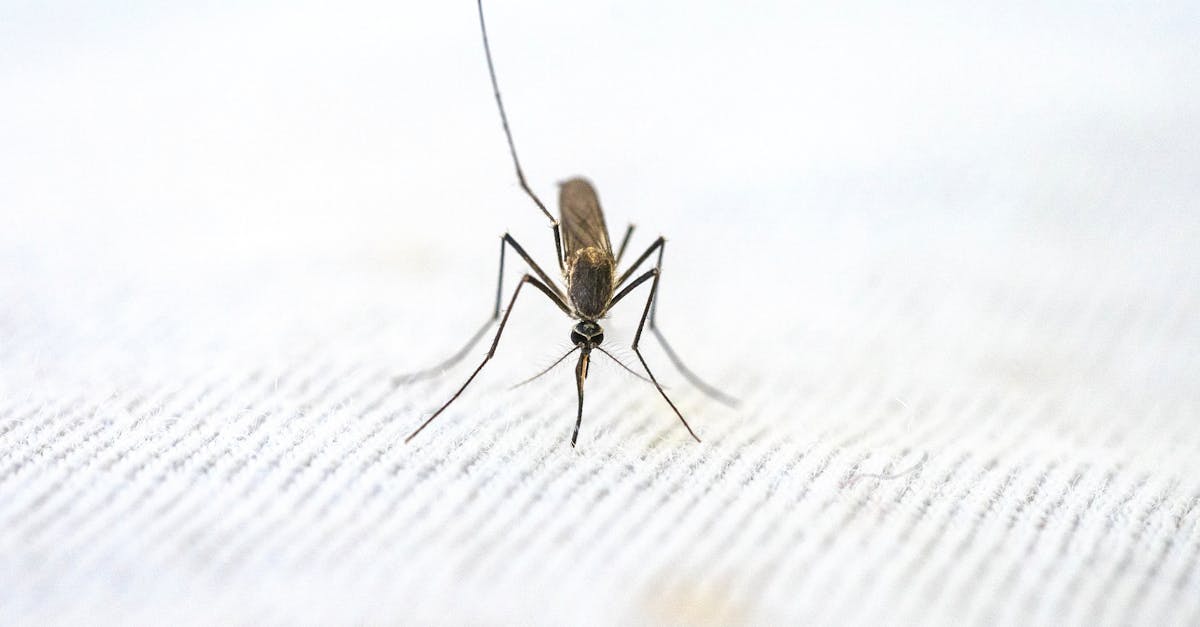
This cooperation model must also integrate awareness of the challenges related to climate change, population mobility, and the resilience of health systems in the face of unpredictable health crises. International solidarity is therefore the best weapon to ensure a future where malaria is no longer inevitable.
International Action
- Objectives
- Partners
- 🌐 Global programs
- Multinational coordination and financing
- WHO, UNICEF, GAVI, regional partners
🤝 Strategic alliances
| Sharing of resources, expertise, and experience | National and local institutions | 💸 Increased funding |
|---|---|---|
| Support control efforts, particularly in Ikongo | International funds, donors | 🧳 Deployment of experts |
| Strengthening local capacities | Partner countries, NGOs | 📝 Regional strategies |
| Coordinated approaches for a malaria-free region | African institutions, regional unions | A global vision for a malaria-free future in Madagascar |
| From a broader perspective, the health episode in Ikongo highlights the urgency of adopting a global approach, integrating prevention, treatment, education, and innovation to reduce this endemic disease. Solidarity, sustained investments and the structuring of partnerships must converge towards a universalist objective: eliminating malaria as a threat to public health in Madagascar, and more broadly in Africa. | Efforts in Ikongo, when coordinated with a national and international strategy, have the potential to radically transform the struggle. Recent history shows that collective mobilization, led by the WHO, makes it possible to achieve significant progress, even in difficult contexts. The key lies in an integrated, innovative, and above all sustainable approach, in order to establish a virtuous cycle where prevention becomes the basis of strengthened community health. | FAQs |
| What is the current situation in Ikongo regarding malaria? | In 2025, Ikongo faces a worrying resurgence of malaria, with more than 118 deaths and nearly 3,200 cases recorded, requiring emergency intervention from the WHO and local authorities. | What are the main means of prevention against malaria? |
Key measures include the systematic use of treated mosquito nets, the reduction of stagnant water, community awareness, and vaccination as soon as effective vaccines become available in the region.
What are the major challenges in the fight against malaria in Ikongo?
The main challenges include inadequate health infrastructure, limited access to treatment and prophylaxis, and the need for a strengthened partnership between local, national, and international stakeholders.
How is the WHO working concretely in Ikongo?
- The WHO deploys medical equipment and experts, and implements community education campaigns to strengthen prevention. It also coordinates the response with other partners in an integrated approach.
- What are the prospects for eliminating malaria in Madagascar?
- By combining technological innovations, sustainable investments, community education, and international cooperation, Madagascar aims to significantly reduce the vector and transmission of malaria, moving toward total elimination.
Découvrez notre guide complet — destinations, budget, visa, faune et conseils pratiques pour préparer votre voyage.

📖 Vous aimerez aussi

Transition à Madagascar : la société civile et la Génération Z face aux doutes sur le « Programme de la Refondation »
3 March 2026
Fermeture de l’aéroport de Dubaï : chaos et désarroi chez les voyageurs bloqués
2 March 2026


