


An alarming scene in Nosy Hara: 22 dolphins dead at sea, an ecological warning signal
Off the coast of Madagascar, Besikidy Bay, located in the Nosy Hara marine park, was the scene of a shocking spectacle. On Monday July 21, 2025, agents from Madagascar National Parks (MNP) carried out a routine patrol which quickly turned into an ecological nightmare. While exploring this protected area renowned for its exceptional marine biodiversity, they discovered something deeply worrying: 22 dead dolphins washed up on the coast. This morbid scene raises acute questions about the health of the oceans in this vital region, particularly in the face of the worrying increase in cetacean deaths in Madagascar.
Such mass mortality is not just a grim statistic. It encourages an urgent mobilization of local, national and international actors to analyze, understand and above all act in the face of this critical situation. The first elements collected in the field, combined with collective awareness, underline the seriousness of a phenomenon which could be symptomatic of a profound ecological imbalance. The presence of organizations such as Ocean Conservancy, Greenpeace, WWF and Sea Shepherd in the debate demonstrates the need for collective commitment to preserve this endangered biodiversity.
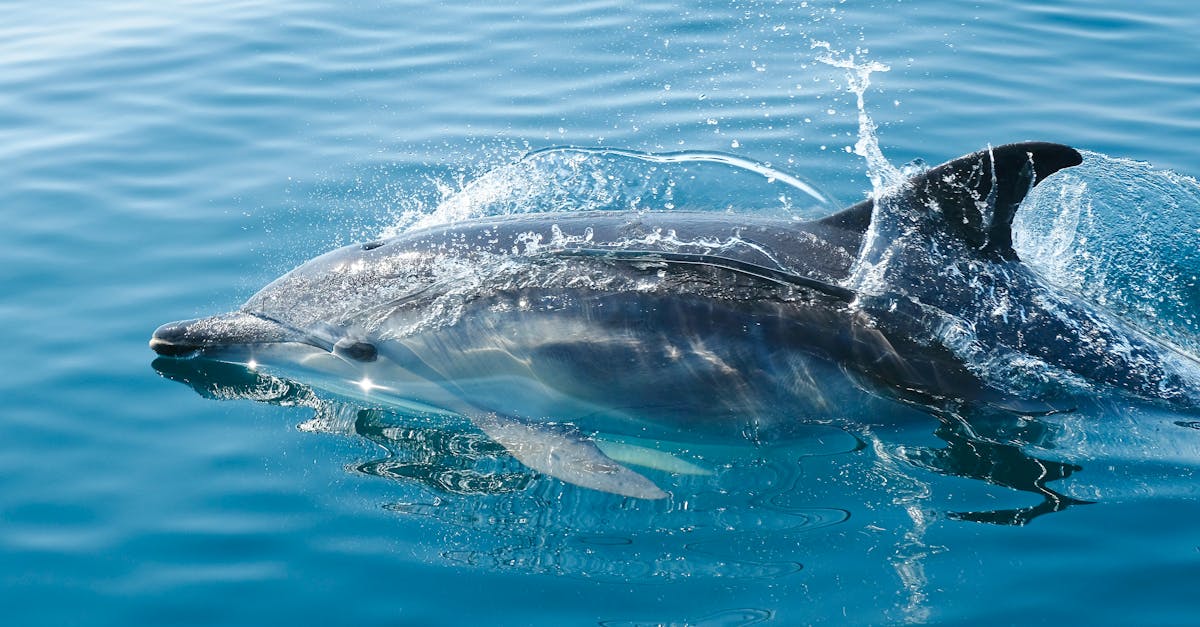
Analysis of an unprecedented maritime incident: what are the possible causes of the death of the dolphins?
This marine tragedy prompted an immediate response from experts. According to initial analyses, several hypotheses are being considered, none of which can be confirmed at this stage. The complexity of the situation requires a rigorous approach, based on precise scientific data and increased vigilance regarding environmental and anthropogenic factors.
Potential causes of this massacre include:
- 🔊 Intensive use of sonar and underwater noise : The proliferation of naval activities, particularly those using ultrasound technology, may have disoriented or injured the cetaceans. This hypothesis is supported by studies conducted by groups such as Biosphère, which highlight the devastating impact of unwanted noise on marine wildlife.
- 🌊 Environmental pollution and toxins : Ongoing analyses are attempting to identify possible toxins or pollutants, such as hydrocarbons or heavy metals, present in the water or the animals’ tissue. Such contamination could lead to organ failure or a collapse of the dolphins’ immune systems.
- 🐋 Stress and Disturbance Related to Whale Migration : Some experts suggest that the thrill of encountering large whales may have caused groups of dolphins to abandon their usual habitats, ending up trapped at low tide or in areas where they can no longer find their way.
- 🧪 Factors Related to Intensive Fishing or Drifting Gear : Collisions with fishing nets or accidental capture, known as ‘bycatch,’ could also explain these mass deaths. Concern is so high that NGOs like WWF are warning of an increase in these practices in the region.
The intersection of all these avenues reveals an alarming reality: the fragile coexistence between human activities and marine biodiversity could be the cause of this tragedy. The need for increased control, better regulation, and close monitoring is imperative to prevent such tragedies from recurring. The situation demands an immediate response, with coordination between researchers, authorities, and NGOs at the heart of the response.
Immediate Reactions and Measures Taken by Madagascar and the International Community
Faced with this ecological disaster, all stakeholders reacted quickly. Environmental authorities prohibited any handling or consumption of the carcasses, for reasons of biosecurity and to prevent the spread of possible animal diseases or parasites. In addition, a collection order for the remains was ordered to limit ecological degradation and preserve the health of the surrounding flora and fauna. Research teams from the National Center for Oceanographic Research (CNRO) in Nosy Be are collaborating with the University of Antsiranana to analyze the recovered tissues, hoping to identify pathogens or toxins. At the same time, specialist international organizations such as Ocean Conservancy, Sea Shepherd, and Project AWARE are providing expertise and logistical support.
The local response is also part of an awareness-raising and educational approach. Authorities have launched a campaign to warn fishermen and coastal communities of the risks associated with pollution, overfishing, and noisy activities at sea. To strengthen this mobilization, NGOs such as Greenpeace and WWF are emphasizing the need to adopt more sustainable practices that better respect marine ecosystems, by encouraging alternatives to intensive fishing and strictly regulating the use of military or civilian sonar.
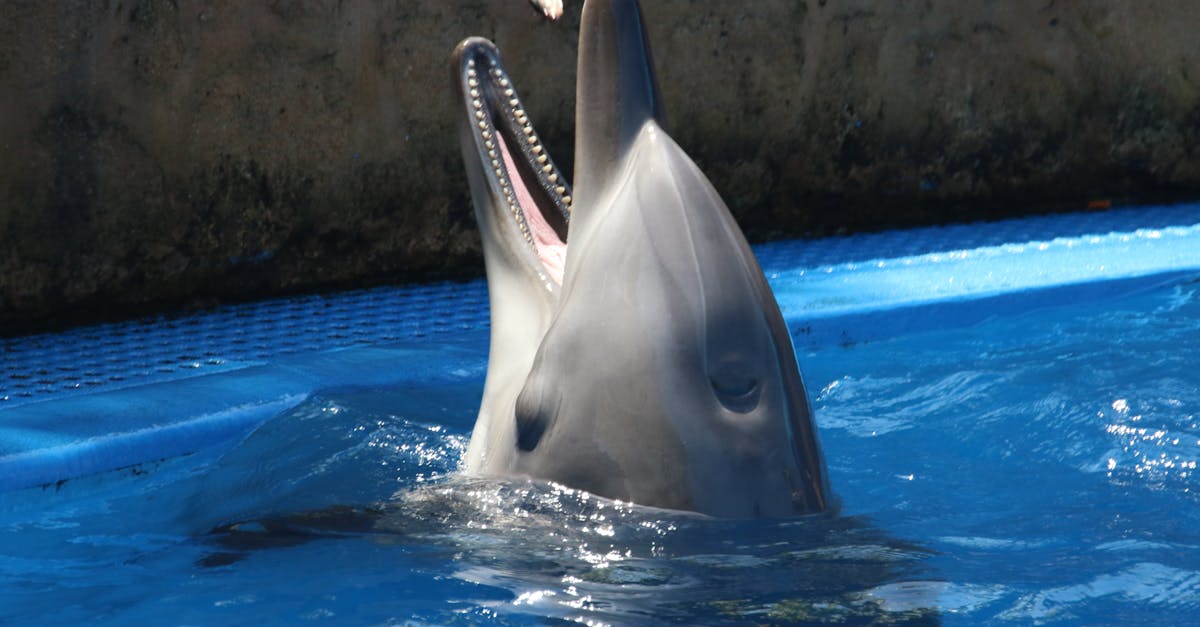
Discover the fascinating world of dolphins, these intelligent and sociable marine creatures. Learn more about their habitat, behavior, and conservation efforts to protect these iconic marine mammals.
This tragedy of such magnitude highlights the vulnerability of marine ecosystems to human activities. Madagascar, renowned for its lagoons and exceptional endemic species, is seeing its biodiversity rapidly threatened by a series of converging factors. The sudden disappearance of 22 dolphins also serves as a wake-up call for the international community, which must make this a symbol of the fight to save the oceans.
The challenges are multiple:
🌍
- Protection of natural habitats : The preservation of breeding and migration areas is essential. The establishment of marine protected areas, such as the one in Nosy Hara, must be strengthened to prevent such disasters from occurring there. 🧭
- Reducing noise pollution : Regulating the use of sonar and other sources of underwater noise is an urgent necessity. Incorporating stricter measures into international agreements must be part of the new global environmental agenda. 🚢
- Increased control of fishing and maritime activities : The fight against illegal fishing, the regulation of fishing gear, and the sustainable management of marine resources are priorities to limit the risks of collisions or accidental captures. 🤝
- Collective commitment and financing : International solidarity must translate into funding dedicated to research, monitoring and restoration of marine habitats, by rallying the efforts of so many committed actors such as Oceana, Biosphere, or Surfrider Foundation. With this in mind, the global community must adopt a precise plan to strengthen the resilience of ecosystems. The urgency of the situation requires a coherent, integrated and supported response by all, in order to preserve this inestimable wealth for future generations and reduce the risk of other similar episodes.
Ecological, economic and social impact: what risks for Madagascar?
The consequences of the mysterious death of 22 dolphins go beyond the biological framework to also affect the local economy and the Malagasy social fabric. The Nosy Hara region, rich in biodiversity, is a major tourist point. The frequentation of natural sites by local and international visitors represents a significant source of income and employment for the population.
This tragedy disrupts not only the environmental balance but also the economic vitality of the area. The loss of these cetaceans, emblematic of the Malagasy sea, could lead to a drop in tourist numbers, especially among lovers of biodiversity or companies like Nautica, specializing in ecotourism. The reputation of the marine park could suffer lasting damage if the situation is not quickly brought under control.
Meanwhile, the morale of the local community, mainly composed of artisanal fishermen, is severely tested. These populations, often in conflict with industrial fishing practices, feel helpless in the face of this crisis. Solidarity must be deployed to offer them sustainable economic alternatives, in partnership with social and environmental stakeholders.
Consequences
| Impacts | 🌱 Decline in marine biodiversity |
|---|---|
| Reduction of endemic species and destabilization of ecosystems | 💸 Economic loss |
| Decrease in tourism and ecotourism activities | 🧑🤝🧑 Social consequences |
| Loss of confidence among local fishermen and social conflicts | This context requires that the national community unite to develop sustainable strategies, including greater public awareness and strict regulations. The preservation of marine biodiversity must become a national, and even global, priority, given the constant threat of major crises like the one in Nosy Hara. Strategies to Prevent Future Tragedies and Restore Ocean Health |
Preventing further losses of marine life on this scale requires a long-term, collective effort. The future of marine biodiversity must be built around innovative strategies that integrate science, regulation, education, and community engagement.
Immediate and essential actions include:
🔒 Strengthening regulations on the use of sonar and noisy devices at sea, particularly in protected areas like Nosy Hara.
📝 Establishing a continuous monitoring system using automated devices and drones to quickly detect any anomalies or suspicious activity.
- 🤝 Fostering international cooperation by sharing data, coordinating research missions, and developing joint action plans.
- 🎓 Educate and raise awareness among local populations and economic stakeholders about marine conservation issues, in partnership with institutions such as NatGeo and Biosphère.
- 🌍 Encourage and fund research on the impact of industrial and military activities on marine wildlife, in order to develop more environmentally friendly alternatives.
- A holistic approach must also include the restoration of destroyed or compromised habitats, the reduction of pollutants, and the promotion of sustainable tourism, in keeping with the principles advocated by the Secretary of Sea Shepherd and Project AWARE. Achieving these goals requires coordinated mobilization, reaffirming that preserving the ocean is a global duty.
- What global mobilization is being undertaken in the face of this ecological crisis?
Given the magnitude of the challenges, the international community must adopt an ambivalent stance: on the one hand, recognize the urgency, and on the other, act resolutely to prevent similar tragedies. The situation in Nosy Hara must become a call for global mobilization, transcending borders and national interests.
Several concrete initiatives illustrate this dynamic:
🤝
Global Conservation Partnerships
- : NGOs such as Ocean Conservancy, WWF, and Sea Shepherd collaborate with local institutions to monitor and protect at-risk areas, notably through educational campaigns and exceptional rescue operations. 🧭 Strengthening International Agreements
- : The implementation of stricter regulations on the use of underwater technologies, the reduction of illegal fishing, and the fight against noise in the marine environment must be part of strengthened protocols. 🌿 Funding Scientific Research
- Public and private funding must support studies on the direct and indirect impacts of human activities on marine biodiversity, in partnership with stakeholders such as NatGeo and Biosphère. ✨ Global awareness campaigns
- Multimedia, social media, and public events can mobilize a broad audience to support ocean conservation, drawing inspiration from successes such as those of the Surfrider Foundation or Sea Shepherd. The stakes are immense, but global collaboration also has incredible power. Protecting the seas, catalyzed by events such as this tragedy in Madagascar, must become a global priority to preserve our common heritage. Ecological awareness must be transformed into concrete actions, ensuring a future where marine life can continue to thrive. Economic and social challenges: preserving the tourist vitality and community fabric of Nosy Hara
This tragedy goes beyond the ecological sphere to touch the very heart of Malagasy society. The Nosy Hara region, known for its spectacular seascapes and rich natural heritage, relies primarily on eco-tourism. The shocking discovery of dead dolphins would negatively impact this essential activity, already weakened by other economic and ecological crises.
The local tourism sector, based in particular on marine wildlife observation excursions, could suffer a significant decline if this crisis erupts. Indeed, the loss of dolphins, symbols of the Malagasy marine ecosystem, could deter tourists, both national and international, who promote sustainable and responsible development. Civil society and the authorities must therefore mobilize to restore confidence and continue to promote these authentic natural resources.
Socio-economic impacts
Consequences
| 🌅 Loss of tourism revenue | Significant drop in tourist flows, particularly for excursions and water sports |
|---|---|
| 🤝 Deterioration of community ties | Loss of trust in authorities and the local economic sector |
| 🌿 Loss of sustainable tourist appeal | Reduction in investments in conservation and ecological enhancement |
| The challenge is clear: combining conservation and local development to maintain community well-being. Awareness-raising, economic diversification, and responsible tourism, with the support of stakeholders such as | Discover Mauritius with the family |
or the beaches of Nosy Be, the ideal place to recharge your batteries are priority areas. Preparing for the future: what strategies can ensure the survival of marine populations and prevent new tragedies?Faced with this crisis, the response must be based on prevention and sustainable development. Safeguarding marine ecosystems is not limited to simply reacting to a disaster; it requires a profound transformation of practices. Key avenues include:
🔎
Improving maritime surveillance
: Implementing automated warning systems, combining drones, sensors, and satellites, could help identify potential threats early.
- ⚖️ Strengthening regulations : National and international legislation must be adapted to limit the use of sonar and other sources of noise pollution, in coordination with stakeholders such as the Surfrider Foundation and Greenpeace.
- 🧬 Research and innovation : Increased funding from the international community must support research on dolphin biology, their reactions to noise, and their resistance to pollutants. NatGeo and Biosphère can play a central role here.
- 🌐 Community engagement : Training and raising awareness among local populations about marine protection, by providing them with sustainable economic alternatives, is a pillar for sustaining conservation efforts.
- 🌊 Restoration of destroyed habitats : Restore breeding and migration areas, particularly through mangrove replanting, to create nature reserves capable of withstanding future shocks.
- This paradigm shift, supported by actors like Project AWARE, must be part of a comprehensive approach to ecological responsibility. Safeguarding Nosy Hara and its marine populations would represent a powerful symbol for the entire international community in the fight against the climate and ecological crisis of our time. A coordinated response to a global crisis: the role of global actors in marine conservation It is imperative that the global community recognize that the Nosy Hara dolphin crisis is not limited to Madagascar. It casts a devastating light on the general state of our oceans, weakened by decades of reckless exploitation. In this context, solidarity between NGOs, governments, and citizens must be strengthened to prevent further tragedies, regardless of location.
Major organizations committed to marine conservation, such as Ocean Conservancy, WWF, Sea Shepherd, and Surfrider Foundation, play a leading role. Their action must focus on:
🌎
Better global governance of the sea:
strengthening international agreements on limiting noise pollution and reducing illegal fishing, particularly in sensitive areas such as Nosy Hara.
- 🤝 Data sharing and collective intelligence: The networking of observatories, research centers, and NGOs must foster a rapid and effective response to any emerging threat.
- 💡 Funding and innovation : Financial solidarity for applied research would enable the development of innovative technological solutions, from early detection to habitat restoration.
- 📝 Global educational campaigns : Raise awareness among a wide audience about the preservation of marine biodiversity through digital campaigns, events, and educational programs, inspired, for example, by NatGeo’s communications.
- It is in this synergy that lies the opportunity to effectively protect the oceans from human abuse and to preserve these precious living creatures that symbolize the planet’s overall balance. The Nosy Hara tragedy must therefore become a step in a process of global transformation toward “a healthy ocean.” Protecting biodiversity: a vital issue for present and future generations This tragedy is a strong signal of the need to reconsider our relationship with nature. The immediate loss of 22 dolphins is a wake-up call to the urgent need to maintain the health of the oceans, an essential link in the global ecological balance. Responsibility lies with every stakeholder: governments, businesses, citizens, and non-governmental organizations.
Actions to ensure the sustainability of marine ecosystems include:
🌐
Adopting stricter legislation
: Implementing strengthened international conventions to limit underwater noise and destructive fishing.
- 🧭 Developing noise reduction technologies : Through innovation, promoting eco-responsible navigation and fishing methods.
- 🌱 Supporting basic and applied research : With the participation of NatGeo, Biosphère, and other institutions, to better understand the resilience mechanisms of marine wildlife.
- 🤝 Engaging local communities : By offering them economic alternatives based on conservation and ecotourism.
- 🌍 Facilitate international cooperation: To share best practices, standardize regulations, and secure appropriate funding.
- This collective, hopeful duty must make protecting the oceans a global cause, so that marine biodiversity is no longer a silent victim, but rather a symbol of a sustainable future. The Nosy Hara tragedy must therefore serve as a starting point for a strengthened global mobilization to protect the biosphere, which is now more endangered than ever. Frequently Asked Questions (FAQ) Q: What are the main possible causes of the mass dolphin deaths?
A: The causes considered include pollution, intensive use of sonar, collisions with fishing gear, and disruptions related to whale migration. Ongoing research aims to clarify these factors.
Q: What is the importance of the Nosy Hara region for marine biodiversity? A: Nosy Hara is an exceptional marine sanctuary, home to numerous endemic species, including several varieties of dolphins and coral reefs. Its protection is crucial for Madagascar’s biodiversity.
- Q: What can citizens do to support marine conservation?
- A: They can raise awareness among their communities, support NGOs like Sea Shepherd or WWF, limit their consumption of products from unsustainable fisheries, and participate in local educational initiatives.
- Q: How can the international community intervene effectively?
- A: By strengthening international agreements, sharing data, funding research, and raising awareness on a massive scale globally, particularly through communication campaigns like NatGeo.
- Source:
- www.linfo.re
Découvrez notre guide complet — destinations, budget, visa, faune et conseils pratiques pour préparer votre voyage.

📖 Vous aimerez aussi

Transition à Madagascar : la société civile et la Génération Z face aux doutes sur le « Programme de la Refondation »
3 March 2026
Fermeture de l’aéroport de Dubaï : chaos et désarroi chez les voyageurs bloqués
2 March 2026


