At the crossroads of collective commitment and the urgent need for aid, Madagascar remains a land where international solidarity takes on profound meaning. This island territory, rich in unique biodiversity and a diverse culture, faces major socio-economic challenges. The year 2026 marks a decisive turning point, with the rise of solidarity initiatives aimed at combating exclusion, supporting community development, and strengthening the local social fabric. Humanitarian projects are multiplying, mobilizing a variety of actors, from NGOs to local stakeholders, in a shared commitment to finding sustainable solutions. The concrete actions undertaken in this context vividly illustrate the stakes and scope of this solidarity commitment, particularly through targeted interventions in education, health, water, and the reconstruction of essential infrastructure such as schools, while solidarity is embodied in sincere and determined mutual support.
The crucial challenges of solidarity-based development in the Malagasy context in 2026
Despite its natural and cultural assets, Madagascar has been struggling with a precarious situation for several decades. The country faces structural challenges that hinder its full development, including severe poverty, insufficient access to education and healthcare, and vulnerability to climate and economic crises. Poverty affects more than 70% of the population, necessitating the continued mobilization of humanitarian actors. A lasting transformation of this situation requires a comprehensive intervention focused on community resilience and strengthening local capacities. International awareness is growing, highlighting the need to support concrete initiatives such as school renovations and access to clean water, demonstrating a commitment that goes beyond mere charity to aim for genuine community development. Solidarity thus becomes a powerful lever for driving lasting change, within an aid framework tailored to the island’s specific needs.
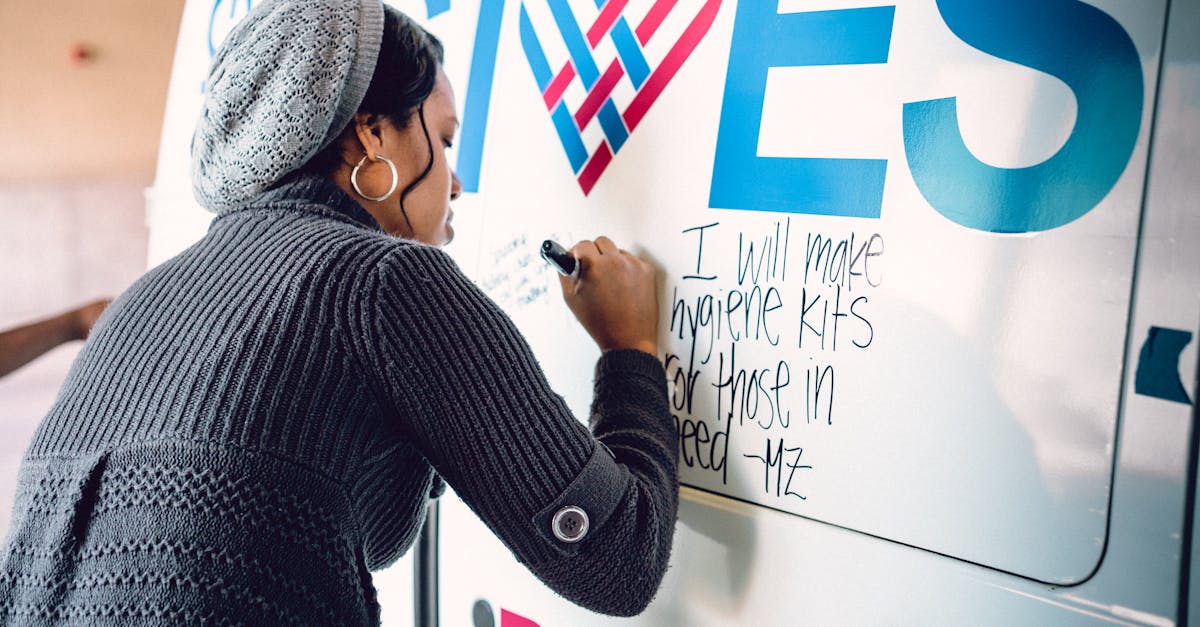
This humanitarian project aims to improve the living conditions of disadvantaged populations through solidarity-based and sustainable actions. Flagship humanitarian projects to encourage engagement with Madagascar in 2026
A multitude of solidarity projects are underway on the island, each embodying a collective effort to meet growing needs. Among them is one launched by a group of students from Cherbourg who, as part of a solidarity commitment, are traveling to Madagascar to renovate a school in the village of Ambolikapiky. Their contribution, rooted in mutual aid and sustainable development, is transforming the children’s educational environment while strengthening the local community. These initiatives, with their clearly humanitarian aims, raise funds through crowdfunding platforms and are organized around local coordination with associations such as ADN Malagasy. Their concrete actions remind us that every effort counts and that a well-conceived project can truly change the daily lives of many Malagasy families. This type of structured commitment can serve as a model and encourage other international actors to follow suit.
The different dimensions of solidarity commitment in Malagasy projects
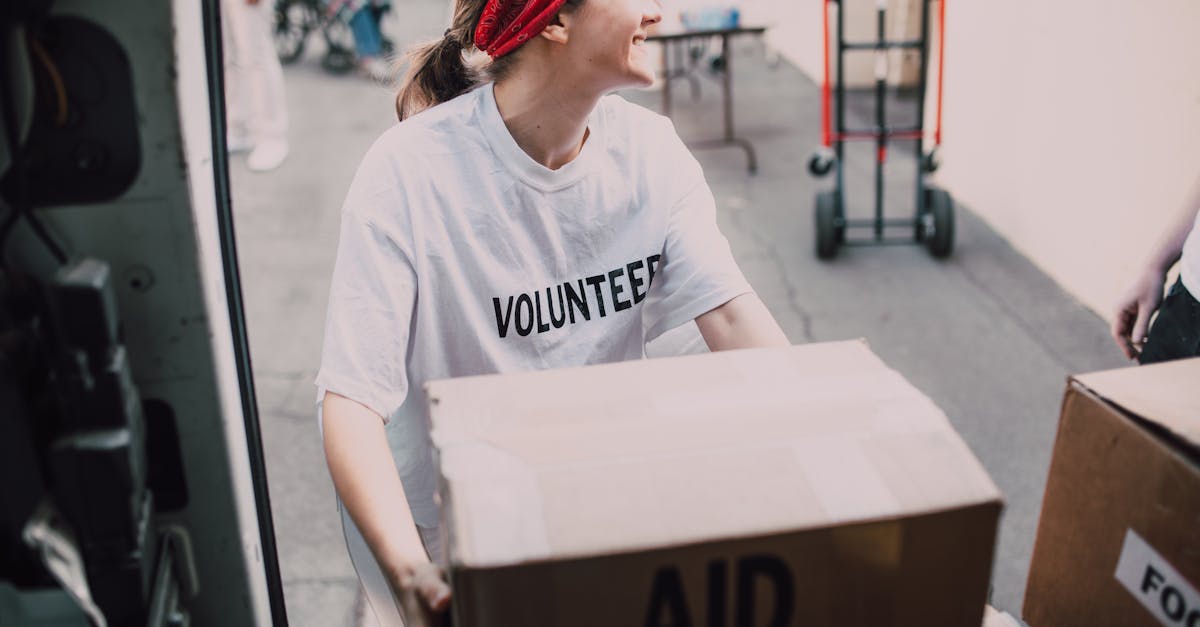
Discover our humanitarian project dedicated to supporting vulnerable communities through concrete and solidarity-based actions. Key Actors in Humanitarian Solidarity in Madagascar in 2026
The success of a humanitarian project relies on the concerted mobilization of diverse actors, whose diversity contributes to the richness and effectiveness of interventions. NGOs play a central role, often coordinating their actions with government institutions and local partners. Among those working in Madagascar are associations specializing in school construction or water management, as well as crowdfunding platforms, such as GlobalONG. which help structure financial and material aid. Local actors, such as local authorities and community associations, bring a deep understanding of the context and allow projects to be adapted to the real needs of the population. The private sector is also beginning to play a significant role by creating innovative partnerships to support sustainable initiatives. Young people and students, like those in Cherbourg, embody a new generation of committed individuals ready to get involved. All work with a focus on efficiency, transparency, and genuine solidarity.
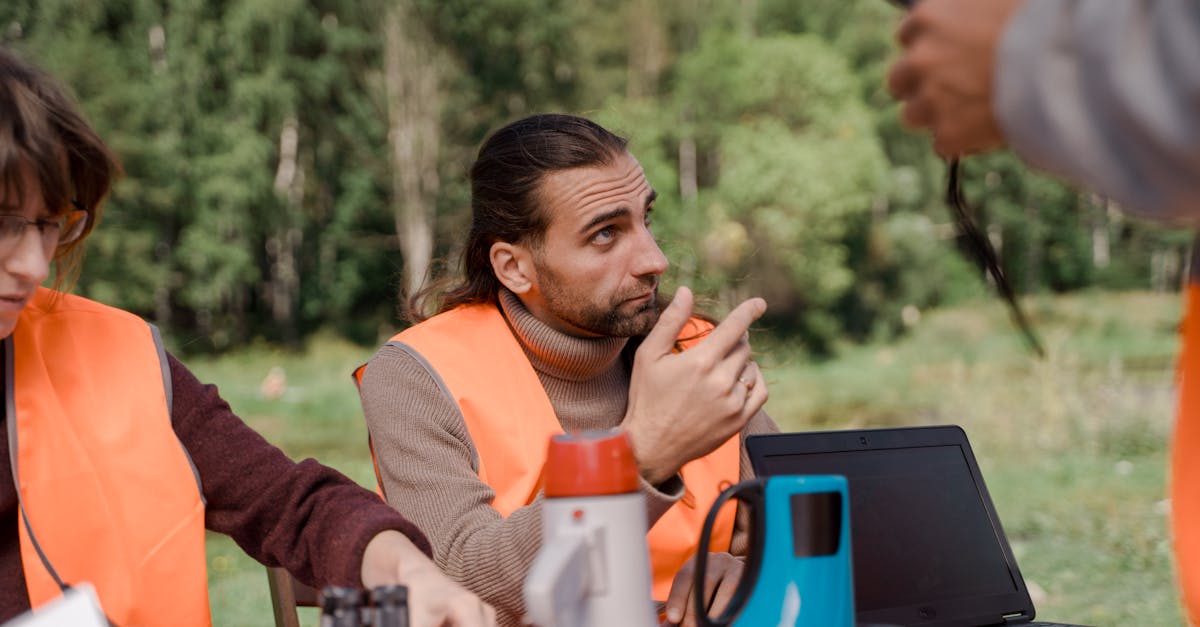
The challenges of educational renovation and their impact on the local community
School renovation remains a strategic priority in Madagascar’s solidarity development policy. By revitalizing obsolete or damaged structures, educational projects aim to create an environment conducive to learning, a key factor in nurturing the younger generations. The establishment of robust infrastructure also helps promote school attendance, which often falls short of institutional targets, particularly in remote rural areas. Beyond the physical aspect, these initiatives foster a sense of pride and belonging among children and their communities. Renovation also contributes to reducing educational exclusion, improving the quality of teaching, and encouraging local participation in school management. When these efforts are part of a dynamic of community engagement, they fuel a virtuous cycle where the community becomes an agent of its own development, thus creating a solid foundation for a better future.
The Benefits of Community Development Through Concrete Solidarity Actions
Solidarity initiatives offer a genuine opportunity to strengthen the cohesion and resilience of Malagasy communities. By directly supporting populations, for example through support for children’s villages, projects contribute to reducing inequalities. Targeted actions, such as the distribution of clothing and essential goods, help improve daily life and restore hope to a population sometimes devastated by poverty or natural disasters. This process encourages local autonomy by actively involving residents in the governance of their own development. Creating synergies around issues such as education, health, and water generates visible and tangible results while embodying genuine mutual support. Structuring these efforts through committed stakeholders ensures the sustainability of the impact by sustainably involving the community in the strategy for its own progress.
| Aspect | Detail | |
|---|---|---|
| Impact | Education | School renovations, distribution of equipment |
| Improved learning conditions 🌱 | Health | Implementation of campaigns and mobile clinics |
| Support for community health ❤️ | Water | Construction of wells, sanitation systems |
| Access to a vital resource 💧 | Local Authorities | Support for local governance |
Enhanced empowerment and resilience 🌀
Future prospects for solidarity in Madagascar in 2026
How to get involved in a humanitarian project in Madagascar?
It is possible to get involved through associations, by participating in short-term or long-term volunteer missions, or by financially supporting local projects. The key lies in genuine commitment and finding reliable partners.
What are the main challenges facing educational projects in Madagascar?
The challenges include outdated infrastructure, a lack of teaching resources, low school attendance in some areas, and the need to involve the community in school management to ensure their sustainability.
How can the sustainability of humanitarian initiatives be ensured?
By fostering local participation, training community leaders, and integrating economic development strategies such as agroecology and micro-enterprises, sustainability becomes a concrete reality.
🔗 Sources & références
Pour aller plus loin, consultez les sources citées dans cet article :
Découvrez notre guide complet — destinations, budget, visa, faune et conseils pratiques pour préparer votre voyage.

📖 Vous aimerez aussi
Transition à Madagascar : la société civile et la Génération Z face aux doutes sur le « Programme de la Refondation »
3 March 2026
Fermeture de l’aéroport de Dubaï : chaos et désarroi chez les voyageurs bloqués
2 March 2026