

The field of archaeology continues to reveal its mysteries, and among the most fascinating discoveries of recent years is that of an ancient village that seems to unexpectedly link ancient Persia to Madagascar. At first glance, this connection would seem improbable, given how far removed the notions of geography, culture, and history appear. However, extensive excavations, coupled with a questioning of traditional theories, have brought to light an unsuspected heritage, illustrating the complexity of ancient exchanges between distant civilizations. The recent study of rock-cut structures and burial niches at Teniky reveals striking similarities with Zoroastrian sites in Iran, which could well revolutionize our understanding of migrations and cultural influences in regional archaeology. In 2026, this discovery reignites the debate on the mobility of peoples, their capacity for exchange, and how these interactions shape world heritage.
Discover the mysteries of the past through archaeology, the study of ancient civilizations through their remains.
Mysterious architecture reveals an unexpected past in Africa.
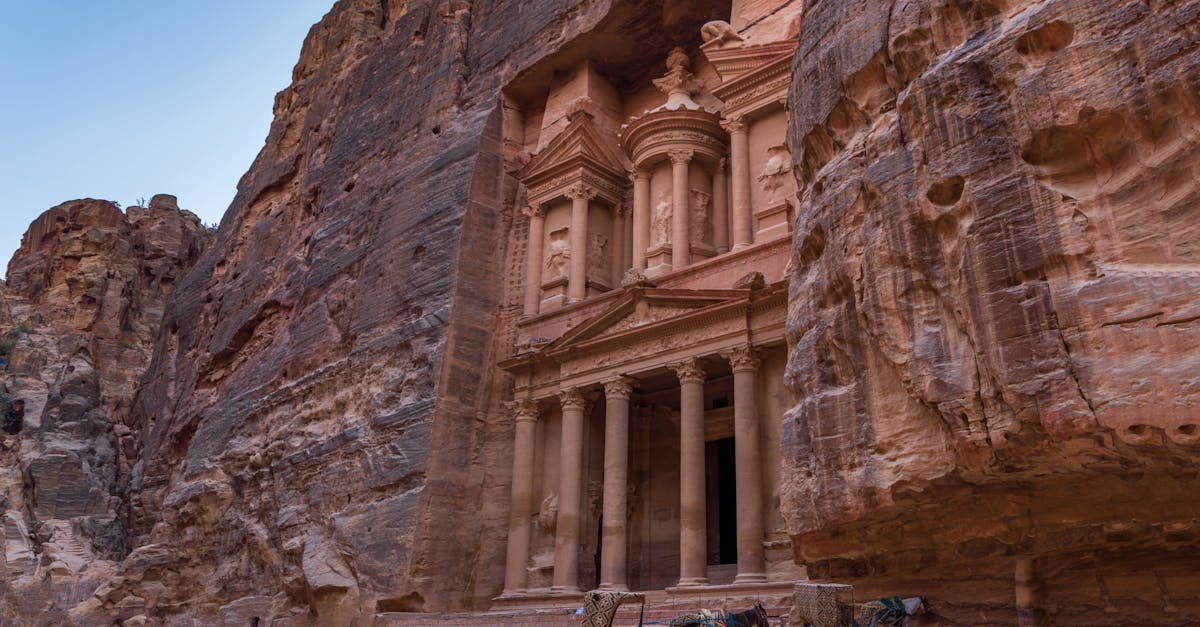
The structures discovered at Teniky, in the heart of Madagascar, are striking in their uniqueness. The niches carved into the rock, whose shape and layout are reminiscent of those found in Iran, potentially attest to a historical period when Persian influences reached as far as Southeast Africa. Unlike local archetypes, these structures include elements that seem to indicate very ancient funerary practices, linked to a religion that favored the scattering of bodies or their placement in rock niches. The practice of exposing the body before final burial is also observed at some Zoroastrian sites, suggesting a cultural or religious transmission. If these hypotheses are confirmed, they would imply the presence of a Persian population that crossed the Indian Ocean, bringing not only technical know-how, but also beliefs and a way of life distinct from those generally identified on the African continent.
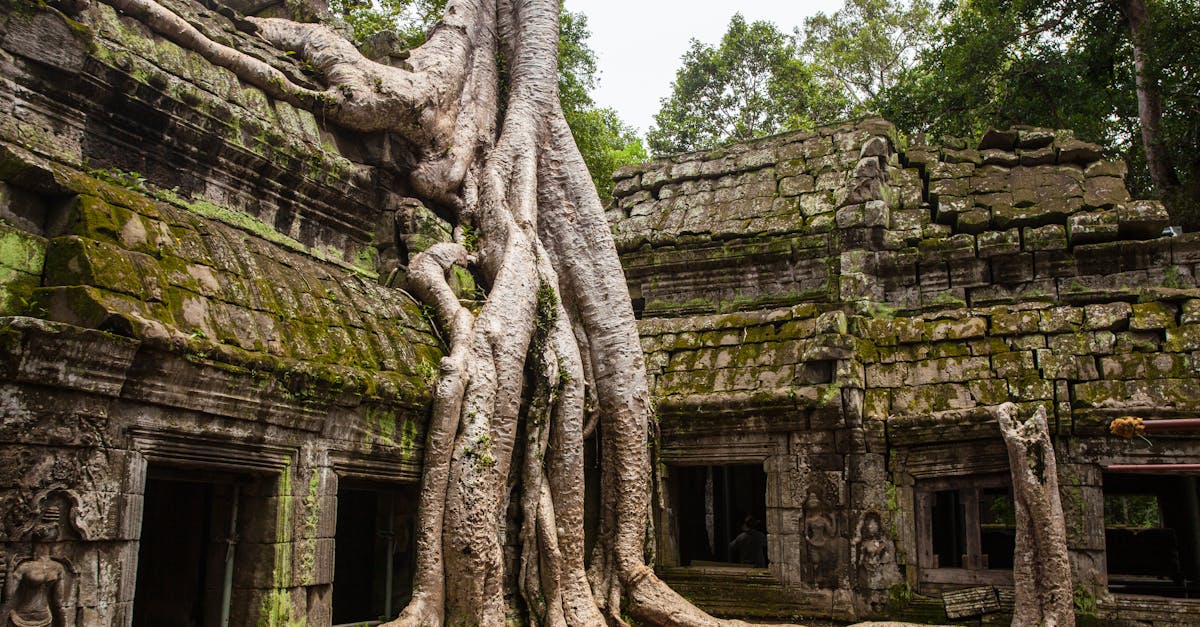
Recent excavations have involved a meticulous analysis of the structures, ranging from the use of satellite imagery to carbon-14 dating. These sophisticated tools have confirmed that the oldest construction dates back to between the 10th and 12th centuries, several centuries before the supposed arrival of Europeans or Africans on the island. Researchers have also uncovered terraces and remains of stone walls, attesting to sophisticated planning and technical expertise, similar to that observed in ancient Persia. The precision of the dating reinforces the idea of a cultural transfer from an advanced civilization, possibly Zoroastrian, to a place as far away as Madagascar, thus offering a new perspective on the history of intercontinental exchange. The confirmation of the dating also underscores the need to broaden the dialogue between the disciplines of history, archaeology, and geology.
Discover archaeology: exploring ancient civilizations, excavations, artifacts, and treasures of the past to better understand the history of humankind.
Cultural similarities between the site of Teniky and Persia
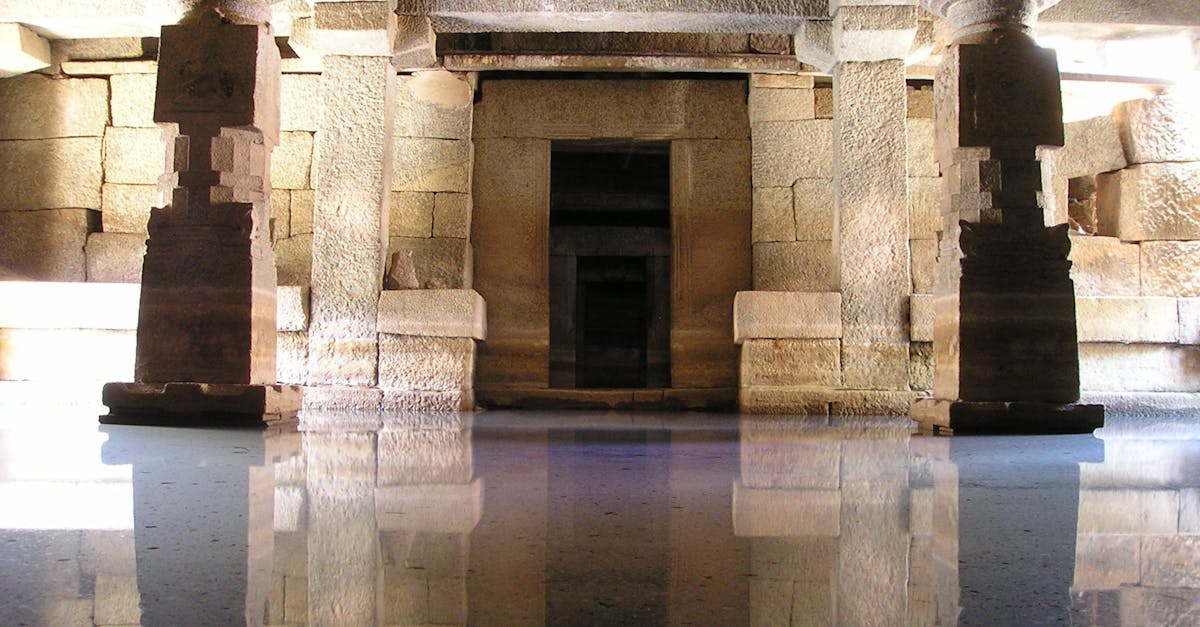
A closer analysis of the Teniky structures reveals a striking resemblance to Zoroastrian burial sites in Iran. Zoroastrianism, which profoundly influenced Persian culture, particularly through its innovative funerary practices, could have influenced, or been influenced by, populations crossing the Indian Ocean. The belief that the earth should not be defiled by the decomposition of bodies, preferring scattering or display, resonates in the niches of Madagascar. The practice of placing the deceased in rock cavities, carefully prepared for future display, underscores a ritualistic aspect consistent with these ancient beliefs. Furthermore, the presence of remains such as benches, pillars, and other stone structures recalls the architectural complexity of Persepolis, the jewel of the Persian Empire. All of this raises a crucial question: if this civilization influenced Madagascar, what were its motivations and means of communication at a time when maritime trade was still in its infancy?
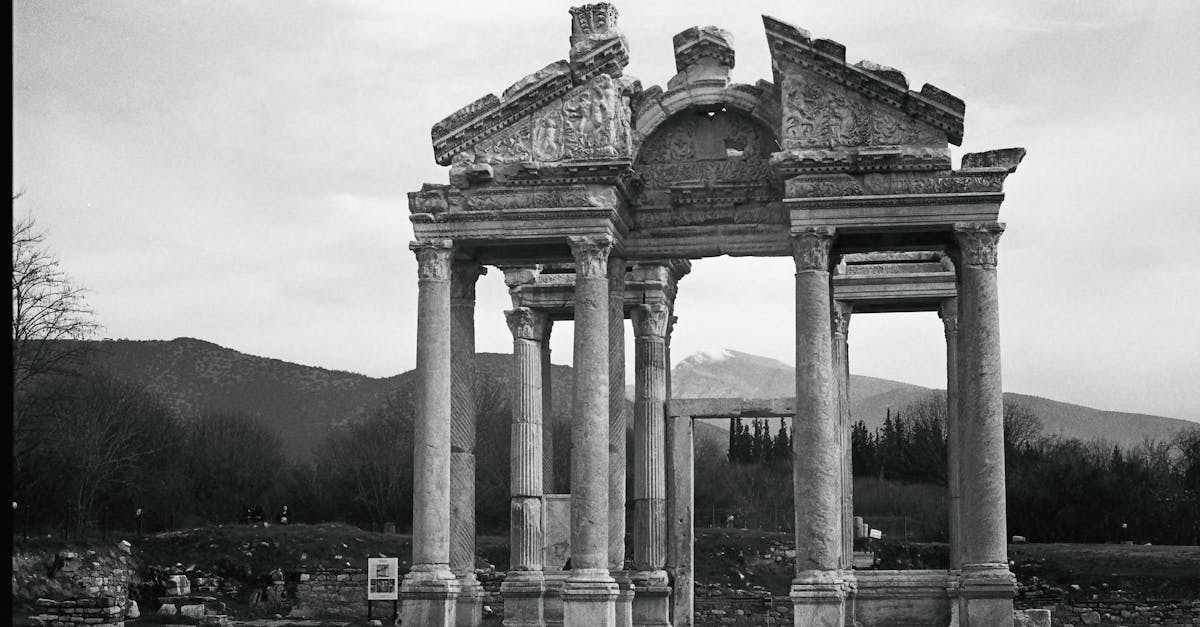
Cultural exchanges of this magnitude suggest a genuine migratory or commercial dynamic, entirely worthy of interest for continental history. The spread of religion, construction techniques, and even ritual practices could have been transmitted by groups of Persian pilgrims or migrants traveling or settling in the region. These influences, which remain to be studied in depth, would attest to the role that Madagascar could have played in the vast mapping of trade routes in the Indian Ocean. Similarities in art or religious symbolism could also shed light on the scope of these exchanges, the impact of which on regional cultural dynamics is still largely unknown. The possibility that Madagascar was a privileged contact zone between different civilizations opens up original perspectives on the history of the region, often reduced to a mere stopover between Africa and Asia in traditional chronicles.
A critical look at the dating and origin of the site
- To unravel this historical enigma, the precise dating of the remains is crucial. Carbon-14 dating has established that the structure dates back to between the 10th and 12th centuries. However, these dates raise questions about their accuracy, especially when considering the migrations associated with Persian civilization. The possibility of earlier influence or contact, dating back to earlier periods, must be carefully examined. Other hypotheses, based on thermoluminescence analysis or DNA studies, could provide further clarification. The complexity of the region, where the intermingling of cultures, histories, and geographies creates a rich but difficult-to-decipher mosaic, necessitates a multidisciplinary approach to refine this chronology. One essential point remains: the need to compare these results with other sites in the heart of the ancient Persian Crescent or other areas of the vast Indian Ocean. Discover archaeology, the science that studies ancient civilizations through their remains. Explore excavations, artifacts, and human history to better understand our past.
- The contemporary implications of the discovery of this ancient Persian village in Madagascar. The implications of this discovery are numerous, both scientifically and culturally. From an archaeological perspective, it challenges the traditional view of regional history, revealing a rich and previously unknown heritage. Its importance extends far beyond the academic sphere: it provides a catalyst for promoting Malagasy heritage, potentially raising international awareness of the incredible diversity of historical exchanges. However, these revelations are not without their challenges, particularly regarding the conservation and fragile management of the site. The threat of human activity, such as looting or over-exploitation by tourists, necessitates urgent action to preserve these remains, true witnesses to a glorious past. Promoting this heritage could also encourage a renewal of educational and awareness programs, highlighting Madagascar’s role in the circulation of ideas and peoples throughout history.
- Perspectives and actions to consider ✅
- International commitment: The need for protection protocols, integrating the local community and global institutions, to guarantee the site’s safeguarding. 🔍 Continued Excavations: Additional research campaigns to better understand the extent of the civilization and its connections with other regions.
📚 Educational Projects:
The implementation of programs to raise public awareness of the importance of preserving this cultural and historical heritage.
🌍 Promoting Responsible Tourism:
Fostering sustainable tourism that respects the integrity of the site while boosting the local economy.
Constant progress in understanding world history
Recent archaeological discoveries illustrate how our understanding of global history must evolve in the face of such surprising findings. The possibility that a Persian civilization left such a profound mark on Madagascar calls into question the very origins of intercontinental exchange. It compels us to revisit, with a critical eye, the classical notions of migration, trade, and cultural influence. Research continues to refine this understanding, integrating new perspectives—scientific, religious, and socio-economic—to build a more inclusive and pluralistic history. Some specialists believe that this discovery could open a new chapter in understanding the dynamics between the ancient Persian Empire and the civilizations of Africa. Highlighting this well-deserved heritage could play a key role in recognizing Madagascar as a crossroads of civilizations, contributing to new cultural and scientific cooperation, essential in 2026 and beyond.
Madagascar’s place in the global puzzle
This recent discovery invites us to place Madagascar within the context of major intercultural exchanges, often underestimated. The island’s strategic geographical position, at the crossroads of several maritime routes, made it a key stop in the circulation of ideas, peoples, and beliefs. The questioning of Teniky’s cultural origins prompts a re-evaluation of Madagascar’s role in human history, as a true nodal point between Asia, Africa, and the Indian Ocean. By fostering a transdisciplinary approach, combining archaeology, history, genetics, and linguistics, this context could contribute to broadening our understanding of the exchange of know-how and beliefs through time. Contemporary society, confronted with its identity and heritage challenges, could draw valuable lessons from such discoveries about the connectivity between civilizations and the richness of their shared heritage.
The need for academic and political recognition
In light of these revelations, a crucial issue remains their official recognition. The scientific community must continue to examine and validate these hypotheses through in-depth, multidisciplinary studies. For their part, political and cultural actors have a responsibility to support the promotion of this rare heritage by fostering international cooperation for the protection and dissemination of Madagascar’s history. Recognizing these connections could pave the way for a better understanding of migratory and commercial dynamics in the Indian Ocean, while also highlighting the forgotten role of previously marginalized territories. Heritage promotion should not only focus on the spectacular, but also on including all the voices that have contributed to shaping this cultural mosaic, as it remains essential for building a shared identity among several civilizations.
What is the probable origin of the Teniky archaeological site?
Recent analyses indicate that the site may have been built between the 10th and 12th centuries by a civilization influenced by or originating from Persia, as evidenced by the unique rock-cut structures and their resemblance to Zoroastrian sites in Iran. How can we explain the presence of Persian structures in Madagascar?
🔗 Sources & références
Pour aller plus loin, consultez les sources citées dans cet article :
Découvrez notre guide complet — destinations, budget, visa, faune et conseils pratiques pour préparer votre voyage.

📖 Vous aimerez aussi

Transition à Madagascar : la société civile et la Génération Z face aux doutes sur le « Programme de la Refondation »
3 March 2026
Fermeture de l’aéroport de Dubaï : chaos et désarroi chez les voyageurs bloqués
2 March 2026


