
May 13th Square: A Renewed Symbol of Protest Against the Appointment of the New Prime Minister in 2026
Since its creation, May 13th Square in Antananarivo has remained an emblematic location where unprecedented social and political movements unfold. It embodies both the voice of the Malagasy people and the stage for a protest that shows no sign of weakening, even in a context of government changes often perceived as insufficient or questionable. The recent appointment of the new Prime Minister, made by the authorities in a context of a profound political crisis, has only exacerbated tensions. The population, long frustrated by a governance perceived as corrupt and out of touch, sees in this appointment a further step towards continuity, or even a return to past practices, thus fueling the growing distrust of the elites.
This context is reminiscent of recent history, where each protest movement has sought to renew its message by gathering in this square, which has become a focal point for popular demonstrations. In 2026, as the crisis intensifies, Place du 13 mai resonates more than ever as a space of resistance. The momentum of mobilization remains strong, and the desire to make the voice of the disillusioned majority heard reflects a crucial issue for the country’s stability: maintaining an open social dialogue, uniting all citizens in the face of a governance deemed failing. The protesters’ responsiveness to the appointment underscores a collective awareness that the country’s future depends on their ability to exert pressure for genuine political and social transformation. The protests demonstrate that, despite the apparent efforts of some toward a semblance of stability, the people have maintained, and even strengthened, their determination to make their fundamental demands heard.
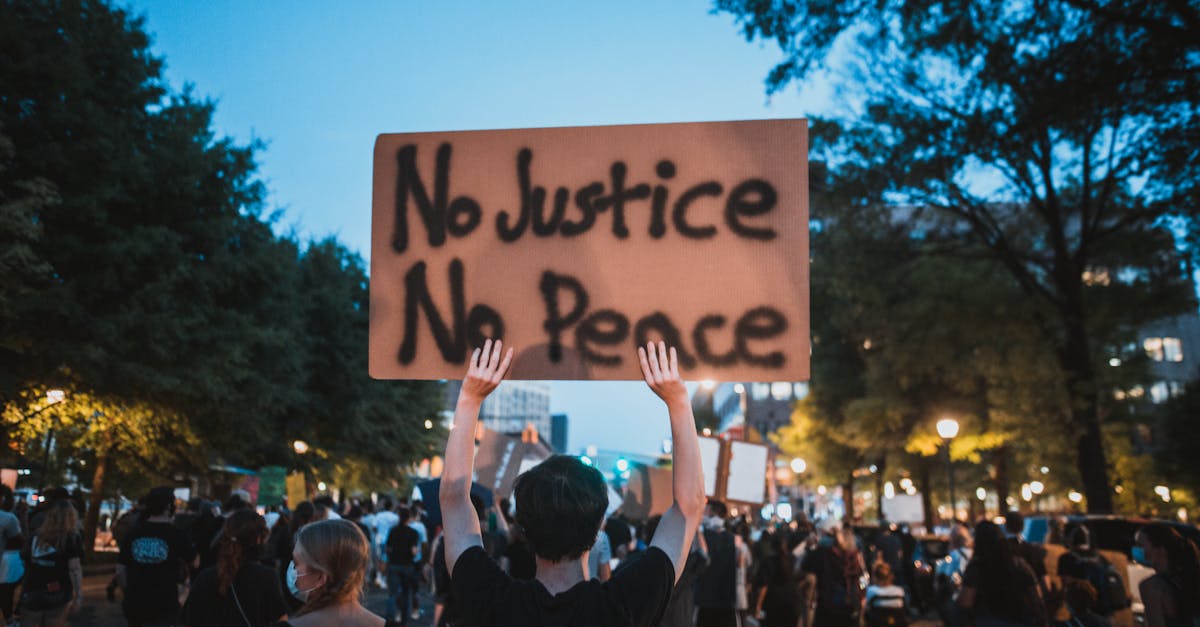
Discover everything about the concept of protest, its forms, its history, and its social impact over time.
Diverse Reactions to the Prime Minister’s Appointment: A Critical Look at the Process The Malagasy political context is deeply marked by a series of contrasting reactions to the announcement of the new Prime Minister’s appointment. On the one hand, some official figures claim legitimacy, emphasizing stability and the need to support a government team to overcome the economic and social crises shaking the country. On the other hand, a majority of citizens, particularly young people and members of social movements, strongly express their disapproval, believing that this appointment was orchestrated without genuine public consultation and solely to protect the interests of a conservative elite.According to several sources, including RFI, discontent is manifesting itself in a series of demonstrations bringing together thousands of people, who are denouncing opaque governance and the continuity of public affairs. These protest movements, often marked by emotion and determination, underscore a deep distrust of a system perceived as both failing and elitist. The protest is not limited to slogans; it also translates into concrete actions, such as the closure of schools or the occupation of public squares, in order to draw attention to their dissatisfaction.
The complexity of the situation also lies in the reaction of the military, which, through public statements or symbolic gestures, is expressing growing unease. Some officers, like General Bernardin Rafidison, believe that this appointment betrays “the promise of genuine change” and that the army must play the role of guarantor of popular sovereignty rather than supporting a corrupt regime. The polarization of public opinion underscores a crisis of legitimacy that threatens short- and medium-term stability. The question now is whether the current government can ease these tensions, or whether they will lead to a radicalization of the protests in Place du 13 mai and beyond.
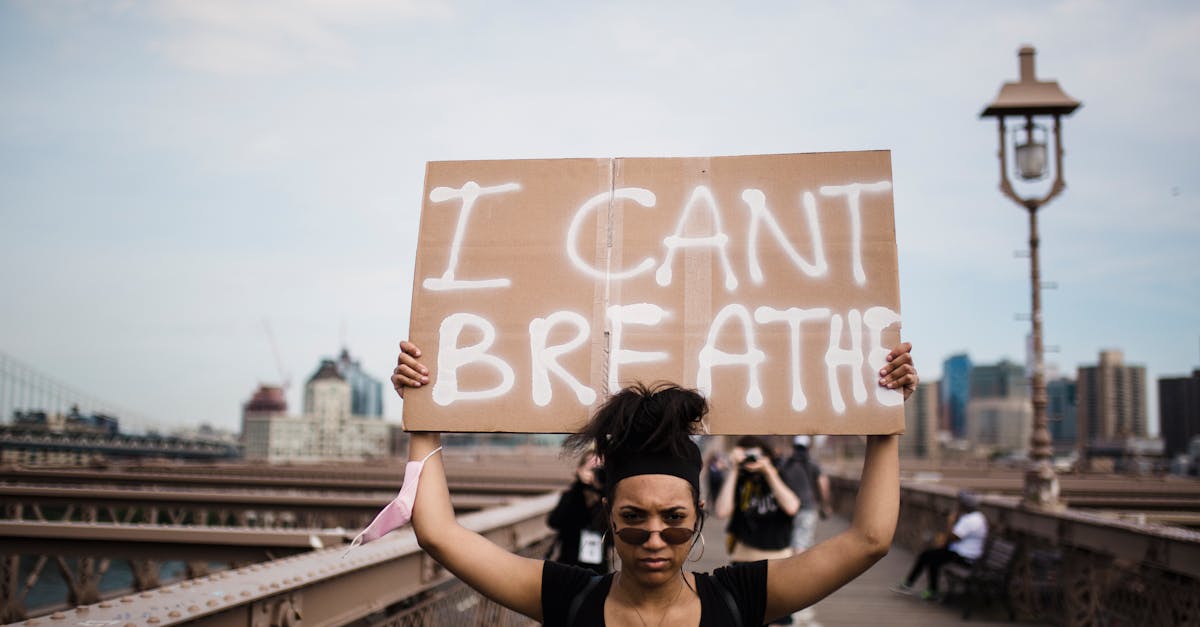
Discover the protest movement: its causes, impacts, and testimonies of citizen engagement in defending your rights.
Symbolic acts and the rise of military figures in the protests.
The mobilization in Place du 13 mai highlights a new dimension of the protest: the increased involvement of military figures and officers, often perceived as key players in stabilizing or destabilizing the political process. The presence of military personnel at the demonstrations is not accidental; it reflects the army’s growing involvement in the political arena, far removed from its traditional role as guarantor of public order.
This phenomenon occurs within a context where several high-ranking officers, notably General Bernardin Rafidison, are shifting their rhetoric toward open criticism of the existing system. Some advocate for profound reform, even a change of governance, believing that the appointment of the Prime Minister merely confirms the state of crisis. These figures, symbolizing strength and authority, now play the role of representatives of the popular movement, positioning themselves as the guarantors of imminent or future change.
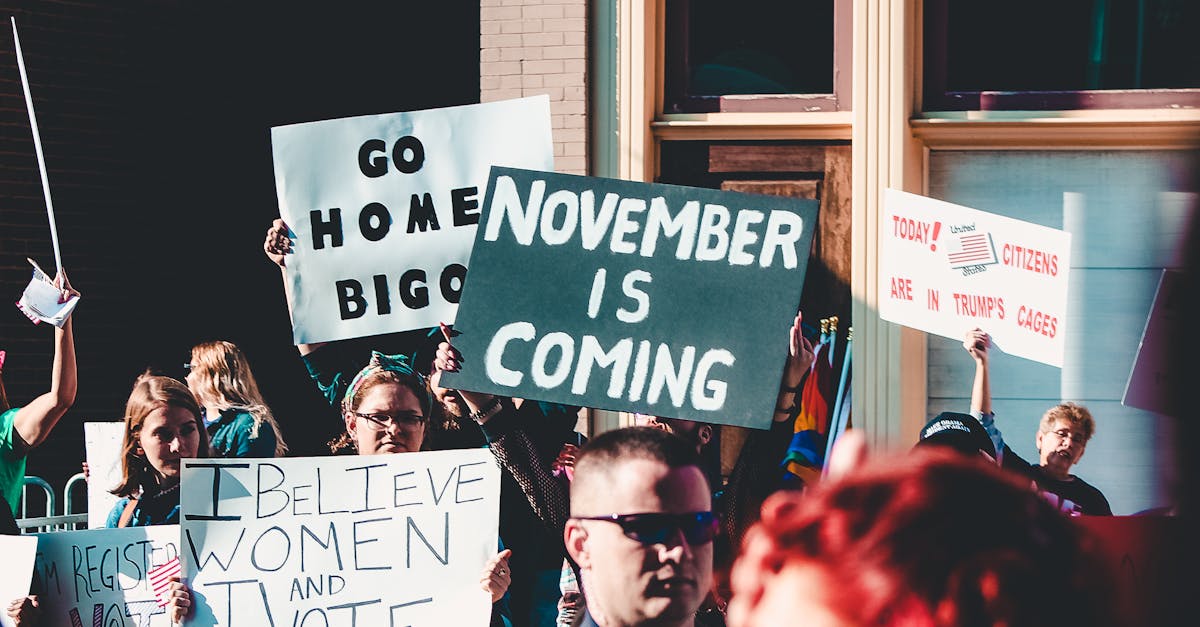
This phenomenon also raises the question of the army’s neutrality in the face of political developments and the potential use of its personnel in a major social conflict. How this rivalry will develop remains an unknown, but the tension is palpable with each demonstration at May 13th Square.
| Discover everything about the protests: causes, demonstrations, social impact, and striking examples from around the world. | The fundamental issues of the May 13th Square protests in 2026 | |
|---|---|---|
| Aspect | Description | Impact ➤ Nature of demands |
| Rejection of the Prime Minister’s appointment, solidarity against corruption, and a call for genuine participatory democracy. | Strengthening popular pressure and 🌐 international pressure. | |
| ➤ Main actors | Youth, local populations, military officers, community leaders. | |
| Involvement | of all social segments in the protests, broadening the movement. |
➤ Methods Used
Peaceful demonstrations, symbolic occupations, impassioned speeches, direct action.
A growing ⚠️ escalation of demands, requiring a strong response from the government.
➤ Objectives
Resignation of the current government, institutional reform, transparency, and respect for popular sovereignty.
Profound change is expected, but remains uncertain in the current context.
Key Actors in the Protest: Emblematic Figures, Military Personnel, and Engaged Youth
Figures who have marked the protest, such as General Bernardin Rafidison, embody a deep division within Malagasy society. Their discourse, often marked by gravity and determination, attempts to mobilize the population around a radical change in governance. These actors play a crucial role in shaping the movement, whether through public statements or symbolic gestures.
Young people, particularly Generation Z, are distinguished by their active involvement and their ability to demand structural change. Youth associations, brimming with demands, have occupied May 13th Square, denouncing what they consider flawed governance and calling for robust reforms. Their commitment goes beyond mere slogans, materializing in concrete actions such as massive rallies, social media campaigns, and symbolic occupations aimed at making their voices heard in the face of a government perceived as out of touch. This massive mobilization is symptomatic of a growing collective awareness and the urgent need to transform a system seen as inadequate for the emergence of new democratic models.
This context highlights the need for political, civic, and military leaders to quickly find avenues for genuine dialogue to defuse this escalating crisis. The Strategies of the Protests and the Expected Responses of the Malagasy Government
To address the rising protests, the Malagasy government must develop a balanced strategy, combining firmness with a commitment to dialogue. The increasing number of demonstrations in May 13th Square has exposed a deep divide, where the majority of the population demands tangible changes, while the authorities fear an escalation that could undermine national stability.
- A first step would be to initiate an inclusive dialogue, allowing for better representation of all social strata. Furthermore, the credibility of the reform process will depend on transparent decision-making and regular communication with the affected population. Establishing a mediation committee composed of civic, military, and citizen representatives would also be a key measure to prevent a complete breakdown in relations.
- Experts emphasize the need to anticipate a possible radicalization of the movement. Repression must be avoided in the interest of security, while demonstrating a genuine willingness to listen. The government’s responsiveness to this social crisis could determine its future: whether to be firm or lenient will depend on its ability to establish a true dialogue.
- The best solutions also involve concrete proposals, such as overhauling the governance system or holding a popular referendum to gather everyone’s opinion. Otherwise, the protests risk intensifying, further disrupting the already fragile political landscape of Madagascar. The May 13th Square Protests: A Barometer of the Political and Social Crisis in 2026
- The massive gatherings at May 13th Square reflect the advanced stage of the crisis in Madagascar. These demonstrations, often marked by strong popular mobilization, offer a clear indication of the growing discontent with the current government. The recurrence of these movements testifies not only to widespread frustration but also to a collective desire to establish profound and genuine change in governance.
- The demonstrations, while generally peaceful, have sometimes degenerated into confrontations with security forces, highlighting the existing tension between civilians and the military. The rise in acts of defiance and symbolic occupations of May 13th Square reflects a growing distrust of the current government, a sign of an increasingly marked gap between popular expectations and government action.
This context, analyzed by many as an inevitable step towards a reform of the system, shows that the protests go beyond mere passing discontent. They are becoming a genuine engine of change, uniting diverse social actors around a common goal: the end of a system perceived as obsolete and unjust.
| Finally, analyzing these demonstrations allows us to anticipate future political developments in a Madagascar at a crossroads, where street protests could well become the only force capable of bringing about change. | ||
|---|---|---|
| The protesters’ main demands and their vision for Madagascar’s future: | 🔥 Demand for the immediate resignation of the current government | 🛑 Rejection of the Prime Minister’s appointment, perceived as a harmful continuation of the status quo |
| 🌱 Call for a profound reform of governance | 🤝 Establishment of an inclusive national dialogue body | 🔍 Transparency in public management and the fight against corruption |
| ✊ Guarantee of respect for human rights and fundamental freedoms | The majority of protesters hope for radical change, resulting from a break with a corrupt system seen as riddled with cronyism and unethical practices. Their vision, often expressed at numerous rallies, emphasizes the need to open a new chapter for Madagascar. Their main demand remains structural reform that empowers the people, ensuring more democratic, transparent, and freedom-respecting governance. | |
| Key players in the protests: civic leaders, military personnel, and young activists | Key player | Role in the protests |
Influence and stakes
General Bernardin Rafidison 💂♂️
A dissenting voice in the army, he advocates for democratic change and resists political control. A symbol of the call for military reform, he inspires national awareness. Youth, especially Generation Z 🚩 The main driving force behind the protests, they organize demonstrations and digital actions. They represent the future of the country, demanding real social and political change.
Civic associations and social leaders 🗣️
They coordinate demonstrations, propose alternative solutions, and mobilize the population.
They unite a broad base; their growing influence increases pressure on the government.
Unions and popular movements ✊
They are involved in structuring the protest movement and negotiating with the government.
They can influence decisions. political, especially in the event of strikes or mass mobilization
To respond to growing demands, the government must adjust its approach by combining firmness with genuine openness. The establishment of an
inclusive dialogue
This would help defuse tensions by integrating all stakeholders, both civilian and military. Implementing concrete reforms, particularly in governance and transparency, is becoming an urgent necessity. The creation of a mediation committee could serve as a bridge between the protesters and the government.
Regular and transparent communication, ensured by credible spokespeople, would strengthen trust and prevent the situation from becoming entrenched. Engaging civil society actors and experts to develop a timetable for accelerated reforms could also shift the context. The appropriate response could also lie in organizing a popular referendum, allowing the people to have a direct say in whether to change or maintain the status quo.
Otherwise, the lack of an effective response would lead to increased radicalization and lasting instability. The escalation of repressive measures, often counterproductive, could then further fuel the protesters’ pride, rendering any attempt at dialogue hopeless. The key to success lies in a balanced approach, capable of embodying the will for change while respecting citizen legitimacy.
What the protests reveal about the deep state of Madagascar in 2026
The movements unfolding around May 13th Square illustrate a systemic malaise far deeper than simply challenging a name or a government. In reality, it is the expression of a widespread disagreement with an institutional system perceived as obsolete, corrupt, and incapable of meeting citizens’ expectations.
The demands, voiced by a mobilized majority, reflect a divide between a political elite, often perceived as out of touch, and the masses who are calling for real change. The rise in social, economic, and political demands, from both young people and other segments of society, demonstrates that the country is experiencing a major identity crisis. The protests in Place du 13 mai serve as a stark reminder, confirming that the nation must rethink its fundamental principles and undertake a profound renewal to restore public trust.
🔗 Sources & références
Pour aller plus loin, consultez les sources citées dans cet article :
- The Malagasy political context is deeply marked by a series of contrasting reactions to the announcement of the new Prime Minister’s appointment. On the one hand, some official figures claim legitimacy, emphasizing stability and the need to support a government team to overcome the economic and social crises shaking the country. On the other hand, a majority of citizens, particularly young people and members of social movements, strongly express their disapproval, believing that this appointment was orchestrated without genuine public consultation and solely to protect the interests of a conservative elite. — rfi.fr
- A symbol of the call for military reform, he inspires national awareness. — madagascar-tribune.com
- The main driving force behind the protests, they organize demonstrations and digital actions. — la1ere.franceinfo.fr
Découvrez notre guide complet — destinations, budget, visa, faune et conseils pratiques pour préparer votre voyage.

📖 Vous aimerez aussi
Transition à Madagascar : la société civile et la Génération Z face aux doutes sur le « Programme de la Refondation »
3 March 2026
Fermeture de l’aéroport de Dubaï : chaos et désarroi chez les voyageurs bloqués
2 March 2026