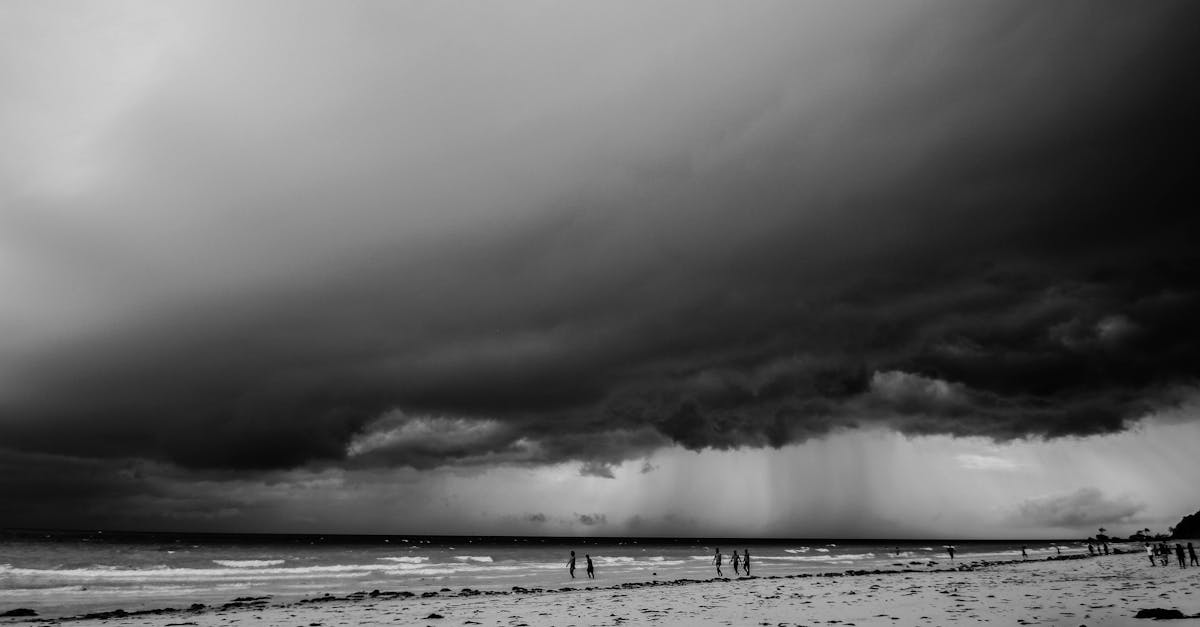

In a global context marked by climate change and increasingly stark environmental contrasts, observing and understanding the extreme phenomena shaping our planet has become crucial. From the vast expanses of Siberia, where eternal snows and glaciers still resist the ravages of time, to tropical regions where tropical heat creates spectacular mirages, each landscape reveals the paradoxes of a changing climate. High-altitude snows and ancient glaciers, seemingly frozen in timeless permanence, are now being weakened by accelerated thawing, revealing unsettling permafrost bulges that are beginning to appear in rapidly evolving polar landscapes. Meanwhile, the tropics, once imbued with their legendary exoticism, are currently offering a striking contrast: temperatures far exceeding normal levels, causing rare natural phenomena such as mirages that play with perception and create a fascinating visual illusion. The tension between these two extremes—the eternal snows of Siberia and the mirages of the tropics—symbolizes more than just a climatic contrast. It embodies the urgent need to adopt a comprehensive and coherent vision to preserve the diversity of our landscapes in the face of climate change, while rethinking our development model in the vicinity of these extreme environments.

Discover magnificent and varied landscapes that captivate with their natural beauty, from majestic mountains to tranquil beaches.
The countless facets of the phenomenon of eternal snows and their role in the global balanceThe perpetual snows, stretching across vast regions of Siberia and other polar areas, play a fundamental role in regulating the global climate. These ice sheets, covering an area of several million square kilometers, constitute a vital freshwater reservoir, regulating the flow of major rivers such as the Ob, the Yenisei, and the Lena. Their stability directly influences atmospheric and oceanic circulation, ensuring a fragile balance capable of affecting the climate on a global scale. The gradual melting of these glaciers, evidenced by recent studies, testifies to a profound change: records show that the thawing of permafrost is now observable in these regions, revealing strange ground humps which, after their appearance in
this illustrative article
, have become a symbol of the series of transformations that polar landscapes are facing. These permafrost mounds, while a spectacular phenomenon, indicate increasing destabilization of the frozen ground, linked to climate change, which also impacts the stability of glaciers and their ability to play their role in the global climate cycle. The fragility of these ice formations also raises essential issues regarding environmental management, the preservation of ecosystems linked to these extreme environments, and the maintenance of geographical balance. Glaciers, witnesses to climate change.
Glaciers are often perceived as mere indicators of climate change, but their role in maintaining global equilibrium extends far beyond this passive function. Their accelerated melting directly contributes to rising sea levels, threatening coastal areas on every continent. The loss of glacial mass in Siberia and Greenland is causing an increase in ocean water temperatures, altering global currents and weather patterns. The situation in Siberia, renowned for its perpetual snows, is now alarming: glaciers are retreating at a faster rate than projected for 2025, highlighting the urgent need to combat climate change. A key indicator lies in these ancient ice formations, which still resist the heat but now show signs of erosion and thawing, making these natural treasures vulnerable. Mirages, an optical phenomenon that reveals climatic contrasts.
Mirages are fascinating optical illusions that form due to the refraction of light, often associated with the warm atmospheres of tropical regions. But these phenomena are not limited to deserts or the tropics. In the context of climate change, they also illustrate the complex effects of alterations in the perception of temperature and atmosphere. The presence of mirages in these areas evokes a striking contrast with polar landscapes, where eternal snows and glaciers dominate. The perception of reality is thus altered, reinforcing the idea that our environment is constantly evolving, whether on the mountaintops of Siberia or in the endless expanse of tropical deserts. Mirages, along with other optical illusions, underscore the difficulty of grasping the climatic reality that eludes our eyes, embodying a metaphor for the challenges linked to misperceptions of the global environmental crisis.
Climate Change: From Siberia to the Tropics, the Challenge of a Changing Planet The geographical diversity of our planet reveals extreme climatic contrasts, now exacerbated by global warming. Siberia, with its landscapes of eternal snow, is seeing its glaciers melt at an alarming rate. These phenomena have concrete consequences: rising sea levels, changes in wetlands, and the loss of habitats for polar wildlife and indigenous peoples. Conversely, tropical regions are experiencing unbridled tropical heat, where extreme weather events such as cyclones are becoming increasingly frequent. Between these two extremes, humanity faces major challenges in maintaining a climate balance. The method involves understanding how these contrasts, partly inherited from thepolar landscapes
They contribute to the interdependence of our environmental systems, and above all, how managing these extremes can become a lever for a sustainable future. Global Issues Related to Climate Change
| Factor | Impact | Consequences |
|---|---|---|
| Melting glaciers | Sea level rise 🌊 | Coastal flooding, population displacement |
| Rising temperatures | Changes in ecosystems 🌱 | Loss of biodiversity, alteration of agricultural cycles |
| Extreme weather events | Hurricanes, droughts, fires 🔥 | Humanitarian crises, economic destabilization |
| Disappearance of protected areas | Loss of natural habitats 🐾 | Threat to rare flora and fauna |
| Warming of polar regions | Lowering of the snow zone Species migration patterns, climate disruptions | Recent phenomena at the edge of polar and tropical landscapes: a warning for the planet 🌎 |
The events observed in these extreme regions are both warnings and signs of concern. Siberia, a land of eternal snow, is seeing its permafrost humps appear with increasing frequency, revealing the alarming rate at which the climate is changing. These spectacular phenomena, once rare, are becoming a grim routine, illustrating the fragility of glaciers in the face of rising temperatures. Meanwhile, in the tropics, intense heat confirms that mirages are becoming increasingly noticeable, altering the perception of landscapes and also impacting local biodiversity. Permafrost humps: a symbol of instability
The permafrost humps that emerge in the accelerated thawing of permafrost, often noted in various scientific articles, embody what could be called a veritable “gradual collapse” of a once stable environment. These formations, visible in this Science & Avenir article, These phenomena bear witness to a dramatic transformation of polar landscapes. Their appearance indicates that the stability of the frozen ground is dissolving. The thawing permafrost releases greenhouse gases—particularly methane—which further exacerbate warming, creating a vicious cycle. The threat concerns not only the climate but also the safety of human infrastructure located in these regions. These phenomena demand increased vigilance and the implementation of innovative environmental management policies to preserve climate sovereignty. Mirages in the context of global warming Mirages, a fascinating optical phenomenon, become in 2026 a concrete metaphor for the illusions often perpetuated about the true state of the planet. When a mirage appears, the refraction of light confers an illusory reality on what does not truly exist, much like certain activist discourses that downplay the extent of climate change. Their frequency has steadily increased in hot and desert regions, illustrating not only a natural phenomenon but also a distortion in the perception of the boundary between reality and illusion. These illusions play a decisive role in the public perception of environmental issues, often biased by distorted narratives. Understanding these optical illusions also means learning to distinguish truth from falsehood in the face of a planet that sometimes seems to lose its bearings. Becoming aware of the issues related to the melting of permanent snow and its repercussions is crucial. The issues surrounding the gradual loss of permanent snow extend far beyond their purely visual or geographical aspects. The accelerated melting of glaciers has critical consequences for global freshwater supplies, ecosystem stability, and climate balance. One of the major challenges is establishing a constructive international dialogue that unites all stakeholders around a genuine commitment to climate action. Understanding climate contrasts, such as the aridity of tropical deserts versus the icy transparency of Siberia, underscores the direct impact these phenomena have on our modern societies, their evolution accompanied by significant economic losses and major environmental risks.
https://www.youtube.com/watch?v=5naYsvNIiyQ
Solutions to preserve the stability of polar landscapes and prevent their disappearance It is clear that to effectively combat the degradation of permanent snow, a two-pronged strategy must be implemented: firstly, drastically reducing greenhouse gas emissions by promoting a sustainable energy model; secondly, developing monitoring and restoration programs for sensitive areas. The integration of innovative technologies would notably allow for the precise mapping of at-risk areas and the planning of necessary interventions before the situation becomes critical. Increased vigilance in these territories, crucial in 2026, must also be combined with global awareness campaigns, so that every stakeholder, whether government official or citizen, understands the role they play in safeguarding our polar landscapes, as well as the glaciers essential for maintaining the climate.Polar landscapes in danger: the fragile harmony between ice and atmosphere The relationship between glaciers, permafrost thaw, and species migration in extreme regions is not merely a scientific curiosity, but a global warning sign. The loss of these climate architects has repercussions on all geographical and human balances. The disappearance of permanent snow is becoming an existential threat to the safety of millions of people and disrupts the ecological balance at the heart of polar landscapes, whose importance extends far beyond the local level. The need to preserve this fragile harmony, embodied by the stability of the ice sheet, is therefore a strategic imperative. International mobilization, through partnerships and concerted actions, must make it possible to curb this irreversible degradation, in order to safeguard other landscapes, whether those of Siberia or the tropics, by preventing the dramatic disconnect between these two extremes 🌍.
What is the importance of permanent snow for the global climate?
Permanent snow plays a crucial role in regulating the planet’s temperature, storing some of the fresh water and influencing atmospheric and oceanic circulation, which in turn impacts our global climate.
What are the main challenges related to glacial melt in Siberia? The rapid melting of glaciers, linked to global warming, is causing sea levels to rise, disrupting ecosystems, and releasing greenhouse gases, thus exacerbating climate change.Why are mirages becoming more visible in the current context?
How can we prevent the disappearance of polar landscapes?
It is imperative to reduce greenhouse gas emissions, adopt appropriate policies, and invest in monitoring to preserve the stability of glaciers and areas of climate interest.
🔗 Sources & références
Pour aller plus loin, consultez les sources citées dans cet article :
- The countless facets of the phenomenon of eternal snows and their role in the global balance — sciencesetavenir.fr
- The geographical diversity of our planet reveals extreme climatic contrasts, now exacerbated by global warming. Siberia, with its landscapes of eternal snow, is seeing its glaciers melt at an alarming rate. These phenomena have concrete consequences: rising sea levels, changes in wetlands, and the loss of habitats for polar wildlife and indigenous peoples. Conversely, tropical regions are experiencing unbridled tropical heat, where extreme weather events such as cyclones are becoming increasingly frequent. Between these two extremes, humanity faces major challenges in maintaining a climate balance. The method involves understanding how these contrasts, partly inherited from the — fr.wikipedia.org
- Species migration patterns, climate disruptions — fr.wikipedia.org
- These phenomena bear witness to a dramatic transformation of polar landscapes. Their appearance indicates that the stability of the frozen ground is dissolving. The thawing permafrost releases greenhouse gases—particularly methane—which further exacerbate warming, creating a vicious cycle. The threat concerns not only the climate but also the safety of human infrastructure located in these regions. These phenomena demand increased vigilance and the implementation of innovative environmental management policies to preserve climate sovereignty. — lemonde.fr
- Mirages in the context of global warming — fr.wikipedia.org
- The relationship between glaciers, permafrost thaw, and species migration in extreme regions is not merely a scientific curiosity, but a global warning sign. The loss of these climate architects has repercussions on all geographical and human balances. The disappearance of permanent snow is becoming an existential threat to the safety of millions of people and disrupts the ecological balance at the heart of polar landscapes, whose importance extends far beyond the local level. The need to preserve this fragile harmony, embodied by the stability of the ice sheet, is therefore a strategic imperative. International mobilization, through partnerships and concerted actions, must make it possible to curb this irreversible degradation, in order to safeguard other landscapes, whether those of Siberia or the tropics, by preventing the dramatic disconnect between these two extremes 🌍. — e-fabre.com
- The rapid melting of glaciers, linked to global warming, is causing sea levels to rise, disrupting ecosystems, and releasing greenhouse gases, thus exacerbating climate change. — fr.wikipedia.org
Découvrez notre guide complet — destinations, budget, visa, faune et conseils pratiques pour préparer votre voyage.

📖 Vous aimerez aussi

Transition à Madagascar : la société civile et la Génération Z face aux doutes sur le « Programme de la Refondation »
3 March 2026
Fermeture de l’aéroport de Dubaï : chaos et désarroi chez les voyageurs bloqués
2 March 2026