
A Shocking Reality: The Discovery of a Lifeless Child in a Context of Extreme Severity in Madagascar
The recent tragedy in the Imerintsiatosika region of Madagascar has shaken a community already weakened by a series of tragic incidents related to child protection. A child of only 4 years old, missing for several days, was found lifeless in atrocious conditions. The scene, which arouses deep emotion and calls for increased vigilance, underscores a grim reality facing the Red Island in 2025. The findings made by law enforcement indicate that mutilations and acts of violence of rare brutality were committed, in a context where the vulnerability of younger generations requires collective mobilization to strengthen solidarity for children in danger. The gruesome discovery is not an isolated case, but rather the culmination of an environment where insecurity, silence, and indifference fuel a worrying climate. In light of these events, those working for child protection are calling for a global awareness so that every child can enjoy fundamental rights and a healthy and safe living environment.
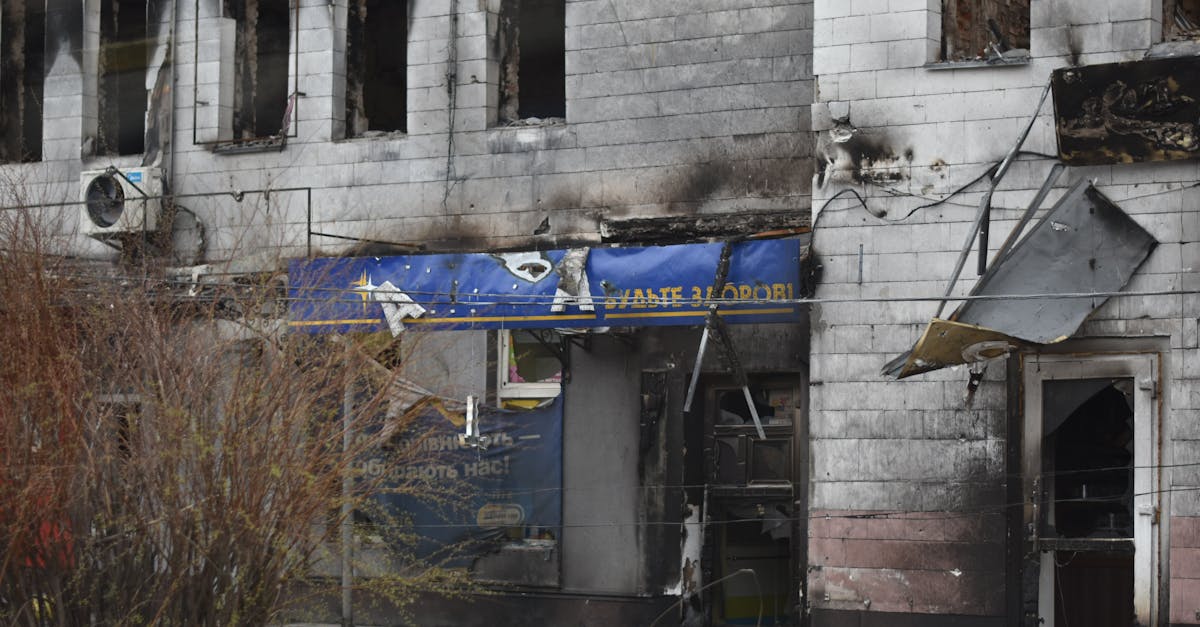
The appalling circumstances of the little boy’s disappearance and discovery.
The residents of Imerintsiatosika, devastated by this news, recount a series of events that highlight the gravity of the situation. On Saturday, June 14, a tragedy unfolded when the young boy’s lifeless body was found in the Antanambao River. The scene, filmed by some witnesses, reveals particularly shocking mutilations: the loss of his eyes as well as his genitals was noted. These acts of violence signify not only extreme cruelty, but also a desire to completely deprive the child, fueling suspicions of possible organ trafficking or another form of organized crime. The negligence or inadequacy of preventive measures on the part of local authorities has left this family in distress that cannot be fully measured. This terrible discovery comes at a time when several children are victims of abuse, abandonment, or disappearances in the region. The situation reveals an alarming vulnerability that requires immediate collective reflection to address the impunity and insecurity plaguing their environment.

Ongoing investigations: between hypotheses, trafficking, and the quest for truth.
Faced with this atrocious scene, the Malagasy authorities launched a rigorous judicial investigation. The hypothesis of a prior kidnapping, followed by murder, remains the preferred theory. The possibility of organ trafficking is raised, fueling speculation and deep concern about the safety of children in the country. Investigators patrolling the region are seeking to gather testimonies to establish the minimum of clues that could lead them to the truth. Limited resources, combined with a climate often marked by insecurity and corruption, complicate their task. Furthermore, civil society is calling for mobilization to strengthen child solidarity by denouncing these unacceptable acts. The family, for its part, wants justice above all, so that such tragedies are never repeated and so that every child can now benefit from effective protection. The need to improve coordination between institutions and NGOs, such as SOS Enfants or Enfance en Danger, is becoming urgent to prevent other similar tragedies. Discover the emotional power of “Tragic,” a poignant exploration of human struggles and life stories that transcend hardship. Immerse yourself in a captivating tale that will touch your heart.
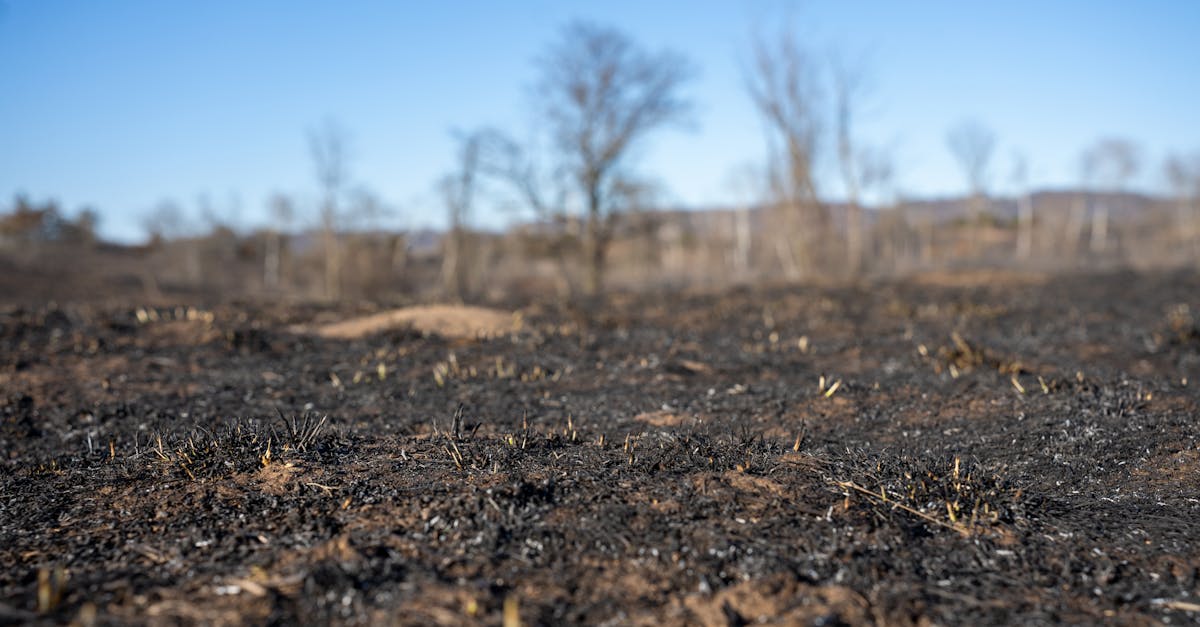
Recent events highlight a profound crisis regarding child protection in Madagascar. Insecurity, poverty, and weak support structures create fertile ground for acts of violence, abandonment, and exploitation. The figures illustrate the scale of the problem: according to a 2025 study, more than 20% of children in certain regions are exposed to multiple forms of abuse, some of whom tragically end up in circumstances similar to those of the little boy found mutilated. The causes of this complex situation lie in a lack of appropriate public policy, inadequate supervision, and a lack of parental education. Child protection must become a pillar of any sustainable development approach, uniting all stakeholders, including families, NGOs, and institutions. The international community, particularly through humanitarian aid, must strengthen its efforts to eradicate precariousness and indifference in order to build a safer future for all children in Madagascar. Vulnerability Factors
Impacts
| Priority Actions | 👉 Extreme poverty | ⚠️ Exploitation, abuse, abandonment |
|---|---|---|
| 🛡️ Strengthen solidarity, improve education | 👉 Widespread insecurity | ⚠️ Disappearances, violent acts |
| 🆘 Strengthened intervention, legal protection | 👉 Weak structures | ⚠️ Lack of monitoring and prevention |
| ⚙️ Development of listening centers, training | Challenges to better protection | 🔒 Strengthen legislation against organized crime involving children |
🤝 Unite the actions of all stakeholders for a collective effort
- 🌍 Obtain increased international support to finance these initiatives
- 📚 Raise public awareness of children’s fundamental rights
- 🚨 Set up rapid alert and immediate intervention systems
- Solidarity and relief initiatives for children
- To deal with this crisis, several solidarity structures, such as
Solidarity Container Madagascar
, as well as NGOs such as SOS Enfants or Enfance en Danger, are strengthening their commitment to supporting Malagasy youth. These actors mobilize not only financial aid, but also teams of specialists, notably social workers and educators, in order to provide personalized support to vulnerable children. Many concrete actions are carried out: food distribution, psychological support, awareness-raising in schools. Child solidarity thus becomes an essential lever to nourish hope and reverse the current trend. International support, via mobilization of ideas for children’s activitiesor awareness campaigns, are essential to strengthen this community dynamic. These initiatives must be part of a global approach, centered on the voice of the child and the protection of children in danger. Concrete actions to put an end to childhood tragedies To permanently eradicate these tragedies, it is imperative to implement concrete and coordinated strategies. This includes the creation of reception centers for children at risk, specialized training for stakeholders, and active awareness-raising among families and communities. The introduction of educational programs targeting child protection, in schools or through media campaigns, appears to be a crucial step. The mobilization of institutions, particularly the police, the justice system, and NGOs, must lead to an immediate response to any risk situation. Prevention must also involve supporting vulnerable families, offering them alternatives to poverty and marginalization. The participation of civil society and international actors must be increased to ensure effective and sustainable action. The voice of children must remain at the heart of every initiative, so that such appalling tragedies as the one that shook Madagascar in June 2025 never happen again.
https://www.youtube.com/watch?v=j5WKnGLSkO4
🔧 Establishment of strengthened surveillance and monitoring structures
🌐 Information sharing and cooperation between countries and NGOs
🤝 Strengthening the legislative and judicial framework
- 🎯 Prioritizing prevention through educational programs
- 🌱 Development of reintegration and family support initiatives
- The voices of the child: an urgent call for profound change
- The case of the little boy found dead in Madagascar highlights the need to rebalance the preeminence of the adult perspective on childhood issues. The voice of the child must once again become central to defining effective actions. It is imperative that public policies, NGOs, and all support structures take into account children’s voices, their experiences, their needs, and their fundamental rights. The participation of young people in local decision-making processes could foster a better understanding of the issues and more appropriate action. Participatory platforms, such as those promoted by “Les lectures pour enfants” (children’s readings), can foster this exchange. Numerous examples of countries where children’s voices have helped reduce violence illustrate the value of this approach, which must imperatively be extended to Madagascar to ensure a dignified childhood, protected, and listened to in all its aspects. Innovative approaches for sustainable child protection in Madagascar
- Faced with the complexity of the crisis, new methods must emerge, integrating technological innovation and community engagement. The implementation of mobile applications to report risky situations, the use of drones to monitor vulnerable areas, or the creation of social networks dedicated to raising awareness, represent effective levers. Collaboration between social startups, NGOs and public institutions can produce adapted, intelligent and sustainable solutions. Furthermore, ongoing training for field workers, focused on active listening and protection, must become a priority. The approach must be focused on prevention, establishing a model where each actor plays a key role in the protection chain. The Malagasy crisis of 2025 could thus become a catalyst for an innovative system, integrating technology, solidarity and law, with a view to a better future for Malagasy children.
A global mobilization for the future of Malagasy childhood: issues and perspectives
The emotion aroused by these events must not be limited to passing shock. It is up to the international community, local governments, NGOs, and each individual citizen to sustain their commitment. Child solidarity must become a global imperative, fueled by strong political will and concrete actions. Large-scale awareness-raising, through campaigns such as #VoixDeLEnfant, must mobilize all stakeholders to make this cause a lasting one. The establishment of dedicated funds, the training of child protection experts, and the implementation of rigorous monitoring practices would also help reduce future risks. The Malagasy crisis demonstrates once again that the safety, education, and health of children must never be compromised and that respecting them is an absolute priority. Only an integrated, comprehensive, and united response can guarantee a peaceful future for all of Madagascar’s children. Frequently Asked Questions (FAQ)What is the main cause of the tragedy in Madagascar? Most experts point to a combination of organized violence, organ trafficking potentially involving criminal networks, and weak child protection systems. Poverty, insecurity, and a lack of oversight exacerbate this worrying situation.
How can NGOs help prevent these tragedies?
By raising awareness, creating appropriate childcare facilities, training responders, and collaborating with authorities to better coordinate efforts, including by launching campaigns such as #ChildInDanger.
What can the international community do to address this crisis?
It must mobilize significant funding, deploy experts to strengthen local capacity, establish rapid response mechanisms, and encourage a stricter legislative framework for child protection.
What role should children’s voices play in this fight?
- It must be central. Involving young people in policymaking and giving them the opportunity to express themselves allows for the development of more effective solutions tailored to their needs.
- What concrete initiatives could improve the situation in Madagascar?
- Creation of shelters, awareness campaigns, educational programs, strengthening of laws, rapid intervention in cases of danger, and increased international engagement.
- Source:
- www.linfo.re
Découvrez notre guide complet — destinations, budget, visa, faune et conseils pratiques pour préparer votre voyage.

📖 Vous aimerez aussi
Transition à Madagascar : la société civile et la Génération Z face aux doutes sur le « Programme de la Refondation »
3 March 2026
Fermeture de l’aéroport de Dubaï : chaos et désarroi chez les voyageurs bloqués
2 March 2026