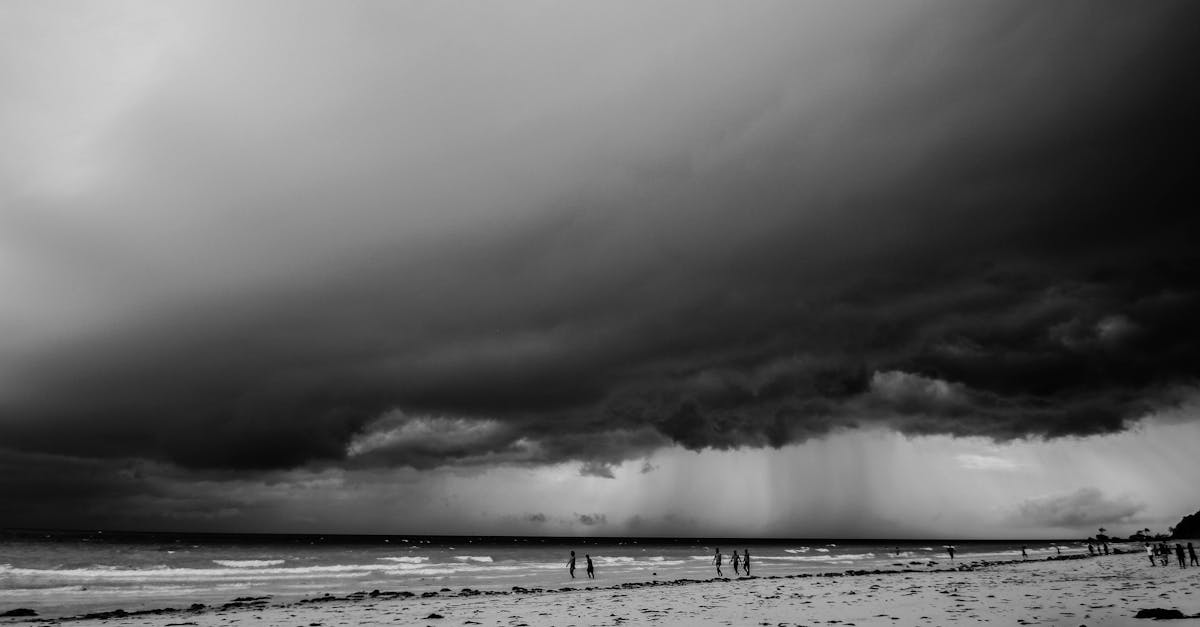
Madagascar was hit by madagasikara.fr/cyclone-enawo-madagascar-frappe-de-plein-fouet/">Cyclone Enawo in March 2017, causing significant damage in the northeast of the island. This Category 4 cyclone, with sustained winds of 220 km/h (140 mph), killed 38 people and caused significant property damage, affecting more than 100,000 people. Madagascar’s east coast is particularly vulnerable to cyclones due to its proximity to the Indian Ocean. Coastal populations are particularly exposed to flooding and landslides.
Cyclone Enawo
madagasikara.fr/cyclone-enawo-madagascar-frappe-de-plein-fouet/">Cyclone Enawo made landfall on March 7, 2017, as a Category 4 cyclone with sustained winds of 220 km/h (140 mph). It tracked eastward across Madagascar, passing through the Sava, Analanjirofo, and Vatovavy-Fitovinany regions, causing significant damage in these areas. According to official reports, 38 people lost their lives and approximately 100,000 were affected by the cyclone. Material damage was extensive, with thousands of homes destroyed or damaged, roads and bridges destroyed, and power and water outages. Crops and harvests were also severely affected, resulting in significant economic losses for farming communities. In addition, the cyclone caused flooding and landslides, increasing risks for coastal communities.
Impact on the population
madagasikara.fr/cyclone-enawo-madagascar-frappe-de-plein-fouet/">Cyclone Enawo had a significant impact on local populations, causing massive displacement and loss of livelihoods. Thousands of people were forced to flee their homes due to the destruction caused by the cyclone, taking refuge in shelters or with relatives. Economic losses were also significant, with crops and harvests destroyed, leading to loss of income for farmers and fishermen.
The Malagasy government and local organizations quickly responded to the call for help by providing humanitarian assistance to those affected. Shelters were established to house the displaced, and distributions of food, water, and construction materials were organized to help those affected. International organizations and NGOs also provided support, providing funds and resources to aid in reconstruction and recovery. Local organizations and communities played a key role in establishing an early warning system to warn populations of flood and landslide risks.
Recovery and Reconstruction
Reconstruction and recovery after Cyclone Enawo were a significant challenge for Madagascar. Reconstruction efforts were led by the Malagasy government, international organizations, and NGOs, with a particular focus on rebuilding destroyed homes, roads, and bridges, as well as restoring basic services such as electricity and drinking water. International organizations provided funding and resources to help rebuild infrastructure, and NGOs worked on the ground to provide humanitarian assistance to affected people.
However, the reconstruction process faced numerous challenges, including a lack of resources and infrastructure. The regions affected by the cyclone were already among the poorest in Madagascar, and the lack of funds and resources for reconstruction slowed efforts. Existing infrastructure was often insufficient to meet the needs of the population, complicating the reconstruction of homes and roads. International organizations and NGOs worked with the Malagasy government to find solutions to overcome these challenges, but recovery and reconstruction remain an ongoing challenge for the region.
Conclusion
In summary, Cyclone Enawo caused considerable damage in Madagascar in March 2017, affecting thousands of people and causing significant economic losses. Local populations faced massive displacement and loss of livelihoods, while material destruction was considerable. The Malagasy government, international organizations, and NGOs responded quickly by providing humanitarian aid and focusing on the reconstruction and recovery of the affected regions. However, the reconstruction process faced many challenges, including lack of resources and infrastructure.
Découvrez notre guide complet — destinations, budget, visa, faune et conseils pratiques pour préparer votre voyage.

📖 Vous aimerez aussi
Transition à Madagascar : la société civile et la Génération Z face aux doutes sur le « Programme de la Refondation »
3 March 2026
Fermeture de l’aéroport de Dubaï : chaos et désarroi chez les voyageurs bloqués
2 March 2026