
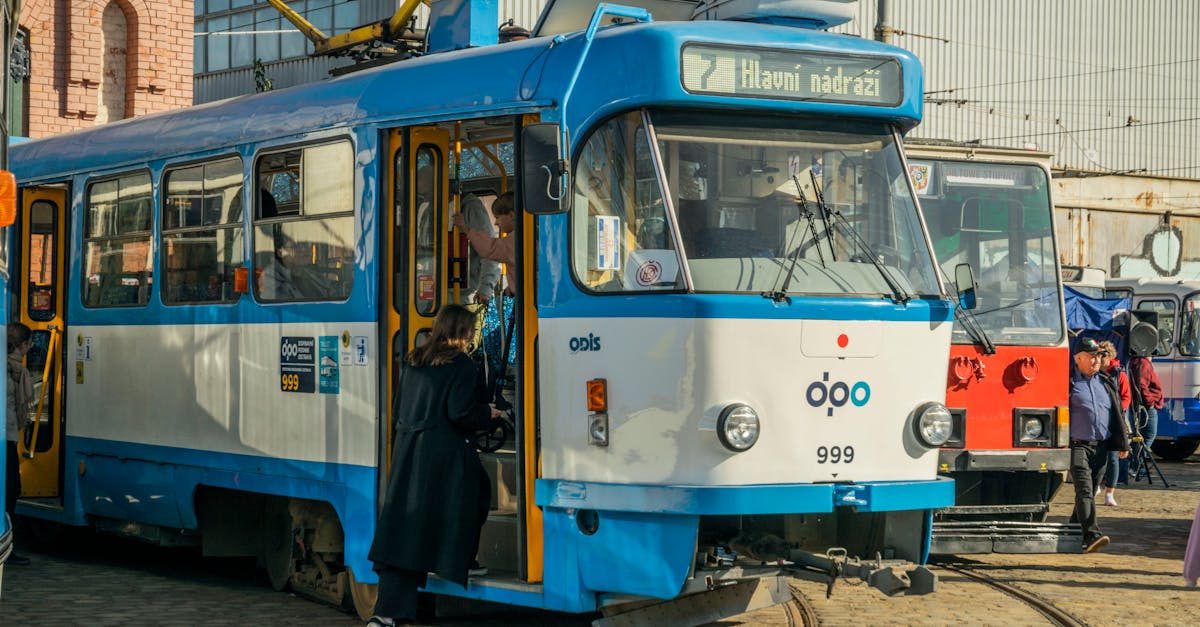

In 2025, Madagascar is embarking on a bold modernization of its urban mobility system with the introduction of the Madagascar Electric Bus. Presented as a major step for Sustainable Transportation on the island, these vehicles inspire hope for a greener future. However, behind this facade of technological innovation, the reality remains far more complex. On paper, Green Energy Transport appears promising, as part of an effort to reduce greenhouse gas emissions and combat growing pollution. However, this promise is shattered by a still-deficient energy infrastructure, incapable of efficiently powering these Innovative Madagascar Buses. The commissioning of the Tsarasaotra–Ivato line, supposedly a testament to this ecological transition, actually raises a paradox: that of progress that begins without a consistent connection to the national electricity grid. The local situation exacerbates this fragile and precarious gap, raising the specter of a “Malagasy electro-bus” running empty due to a lack of reliable energy. Discover the advantages of electric buses: a sustainable transportation solution, reducing polluting emissions and improving urban air quality. Explore the innovative technologies and initiatives that are transforming our cities through greener mobility.The fundamental challenges of an ambitious project: modernizing mobility in Madagascar The introduction of the Tropic Electric Bus reflects a clear ambition to redefine the Malagasy green mobility landscape. The stated commitment of the government, and particularly that of President Andry Rajoelina, is clear: to make Madagascar an example of Sustainable Transportation in Africa. During the official presentation on June 24, a powerful symbol made a lasting impression: the delivery of several Malagasy Electro-Busesdesigned to fuel a new urban dynamic. However, this euphoria is quickly tempered by the reality on the ground. The majority of neighborhoods and villages remain marginalized, facing poor-quality, intermittent, and often nonexistent electricity in some areas. The main challenges encountered by this project lie in the mismatch between these Innovative Madagascar Busesand an underdeveloped national electricity grid. Indeed, JIRAMA, which is responsible for energy distribution, struggles to maintain a stable supply, particularly in rural areas, where the majority of households are still unconnected. Heatwaves, recurring power outages, and the dilapidated thermal infrastructure further complicate this situation. Furthermore, these challenges translate into a real cost issue. The implementation of this Green Energy Transport
Discover the advantages of electric buses, an ecological solution for urban transportation. Reduced emissions, energy savings, and optimal user comfort. Explore the future of sustainable transportation with electric buses.
The technical and infrastructure challenges associated with the commissioning of Madagascar Electric Buses The crucial aspect of this project lies in the ability to provide a reliable power supply to these Tropic Electric Buses The initial solution, which consisted of charging from existing power plants, faced a major challenge: insufficient production. The majority of JIRAMA’s thermal power plants are obsolete or broken down, exacerbating the situation of an already fragile network. The promise of Green Mobility MG implies a complete renewal not only of the vehicles, but also of the energy infrastructure. The main technical constraints include: 🔌 The weakness of the distribution network, unable to support the massive load required when charging several buses simultaneously; ☀️ The lack of efficient energy storage systems, essential to compensate for fluctuations in solar or wind power supply;
🚧 The high cost of modernizing charging stations, the majority of which have yet to be built or adapted; 🌍 The dependence on fossil fuels for electricity production, which partially neutralizes the ecological impact of the Malagasy Eco-Bus
. To overcome these obstacles, innovative solutions must be considered, such as integrating solar panels into charging stations or using large-capacity batteries to store energy outside of peak consumption periods. However, the economic and technical feasibility of such initiatives in Madagascar remains under debate, calling into question the project’s long-term credibility. Discover the future of urban transportation with electric buses. Eco-friendly, quiet, and efficient, these vehicles are revolutionizing mobility by reducing CO2 emissions and providing a pleasant travel experience. Explore the benefits of electric buses and how they are transforming our cities. The economic and social challenges associated with the transition to the electrification of transportation in Madagascar
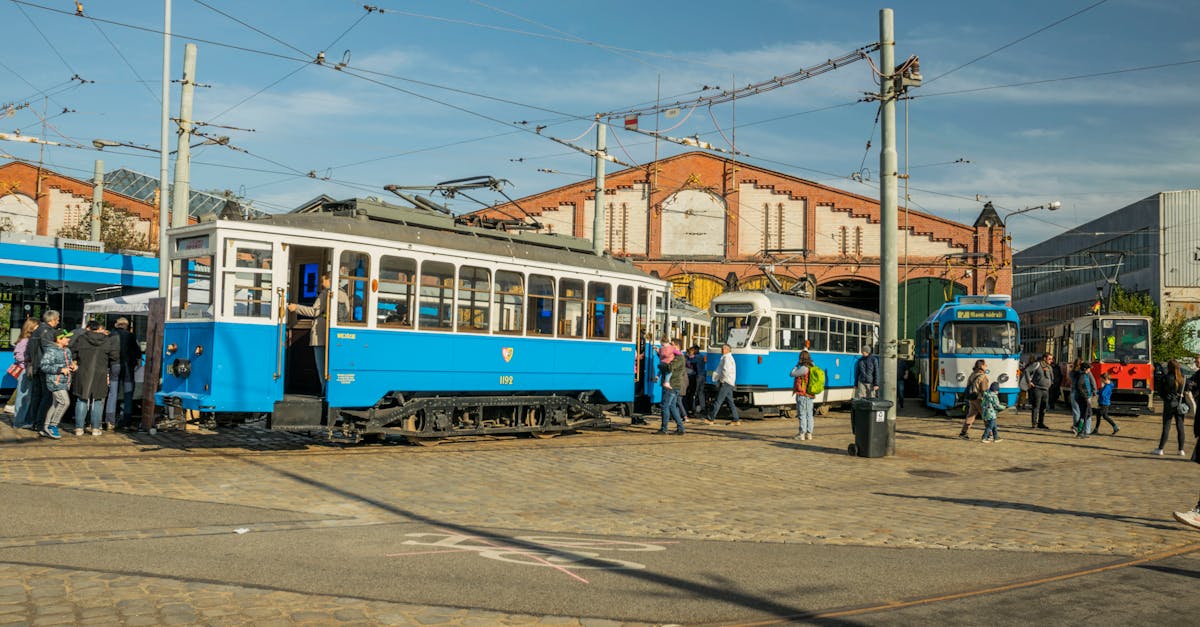
💰 The ability of public funds to finance these initiatives in a difficult economic context marked by a persistent financial crisis;
📉 The possibility of an imbalance between costs and benefits if the energy produced is insufficient or if operations prove to be loss-making; 🤝 The need for partnerships with private investors, particularly in the creation of biodigesters or solar power plants, to offset the initial costs; 👩🔧 Training qualified personnel to ensure the efficient maintenance and management of these technological creatures.On a social level, these initiatives are also seen as a potential lever for improving the quality of life in the capital and in urban areas. The creation of jobs related to Sustainable Transport could promote professional inclusion, particularly for women drivers, in a context where gender equality still needs to be strengthened. However, to date, the reality of attractive salaries and working conditions remains unclear, thus fueling a certain skepticism among potential employees. Finally, it should be noted that this transition could redistribute the mobility landscape in Madagascar, freeing a majority of the population from dependence on fossil fuels and encouraging local forms of renewable energy. Project Risks and Limitations: From Promises to Reality
Aspect
- Main Problem
- Potential Consequences
- 🎯 Objectives
- Modernization Ambition Without Adequate Infrastructure Systemic Delays or Malfunctions🔋 Energy
Dependence on Fragile Power Generation
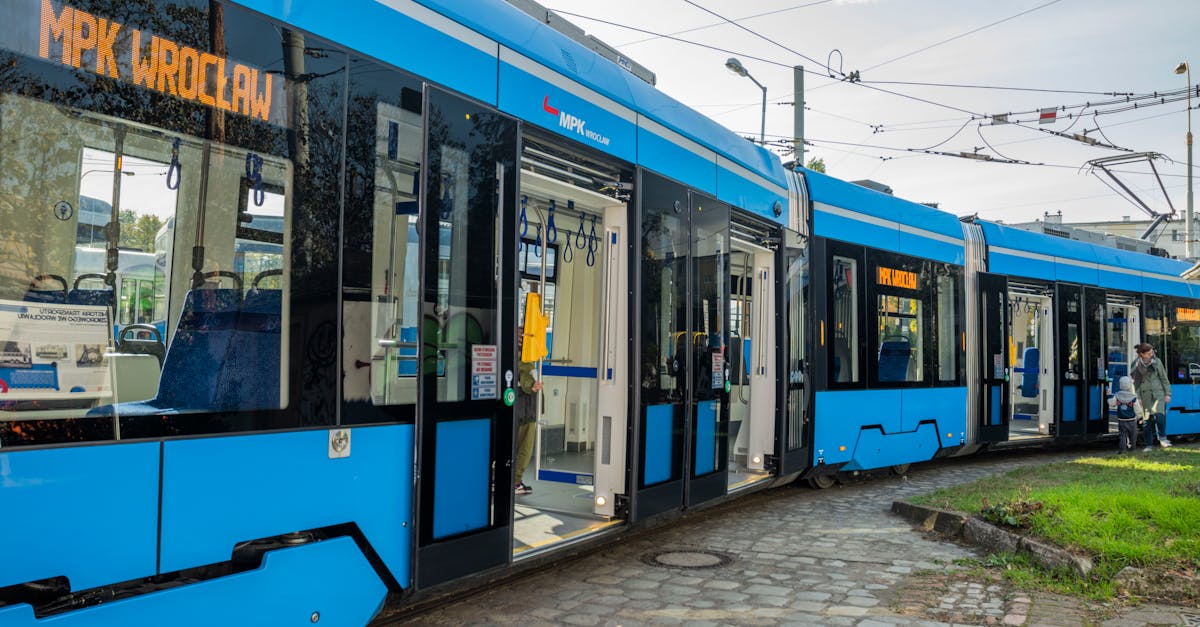
💸 Financing
High Cost vs. Limited Resources Debt Risks, Unprofitable Investments 🤝 Partnerships Lack of Strong Collaborations Incomplete or Suspended Projects
- 🌿 Ecological Impact
- Inadequate Infrastructure, Coal-Related Pollution
- Limited Emission Reduction
- Despite these challenges, political will remains strong. However, a pragmatic analysis must imperatively precede any impetus. The financialization of these initiatives, if left unregulated, could worsen Madagascar’s already fragile economic situation, while compromising the credibility of local Sustainable Transport. Civil society and economic stakeholders must therefore continue to closely monitor the progress of these projects, emphasizing coherent planning and optimal management of available resources.
Future prospects for electric mobility in Madagascar This project is part of a broader dynamic aimed at making Madagascar a regional example in terms of Green Mobility (MG). The future will depend on an integrated strategy, combining energy development, technological innovation, and community engagement. While the major challenge currently remains connecting these
Madagascar Electro-Buses
to a national electricity grid undergoing profound change, several avenues could overcome this impasse:
| 🚀 Invest massively in local renewable energies (solar, wind, hydroelectric) to ensure a stable and sustainable power supply; | 🔗 Develop partnerships with international players specializing in energy infrastructure; | 🧩 Integrate decentralized energy storage solutions to address grid shortcomings; |
|---|---|---|
| 📊 Implement rigorous monitoring of costs, consumption, and environmental benefits. | By combining these efforts with increased citizen awareness and an appropriate regulatory framework, Madagascar could evolve its | Energy Bus |
| towards a truly resilient | Green Mobility | that is beneficial for all. The road will be long, but the commitment of civil society, technicians, and decision-makers will be crucial in making this dream of |
| Sustainable Transportation | a reality. | Future Opportunities and Challenges Related to Electric Mobility in Madagascar |
| With the advancement of | Electric Buses | and projects combining renewable energy and technological innovation, Madagascar is positioning itself as a regional laboratory for the |
| energy and mobility transition | . The opportunity, but also the challenge, lies in making this ambition a concrete and lasting success. The key question remains: how can operational continuity be ensured in a context of failing infrastructure? | Future prospects rely on: |
⚡ The creation of a local industrial sector capable of producing, repairing, and improving these Malagasy Electro-Buses; 🌱 The mobilization of international green financing, through climate funds and public-private partnerships; 👥 The training of qualified personnel to ensure the technical sustainability of the vehicles;
🌎 Raising public awareness of the importance of Sustainable Transportation to strengthen collective support.
However, caution remains in the face of global economic uncertainties and local political challenges. The success of this ecological transition will depend on firm political will, an appropriate regulatory framework, and strong community support. Otherwise, Madagascar could lose precious time, seeing its Mobility Verte MGlimited to a symbol rather than a true sustainable mobility solution. Frequently Asked Questions about Electric Buses in Madagascar in 2025 What are the main advantages of electric buses in Madagascar?
- They significantly reduce CO₂ emissions, improve urban air quality, and offer a quiet and modern alternative to traditional combustion-engine vehicles.
- What obstacles must the project overcome in the short term?
- The main challenges include insufficient electricity supply, the high cost of charging infrastructure, and the need to strengthen the capacity of existing networks.
- How can the project’s economic sustainability be ensured? Priority should be given to investments in renewable energy, public-private partnerships should be developed, and environmental costs and benefits should be closely monitored.
What solutions can be found to address intermittent electricity supply? Integrate energy storage systems, install solar panels at charging stations, and encourage local production using renewable sources. What will be the social impact of this transition? It could generate numerous jobs, promote professional inclusion, and raise public awareness of more environmentally friendly and responsible mobility.
Découvrez notre guide complet — destinations, budget, visa, faune et conseils pratiques pour préparer votre voyage.

📖 Vous aimerez aussi

Transition à Madagascar : la société civile et la Génération Z face aux doutes sur le « Programme de la Refondation »
3 March 2026
Fermeture de l’aéroport de Dubaï : chaos et désarroi chez les voyageurs bloqués
2 March 2026


