
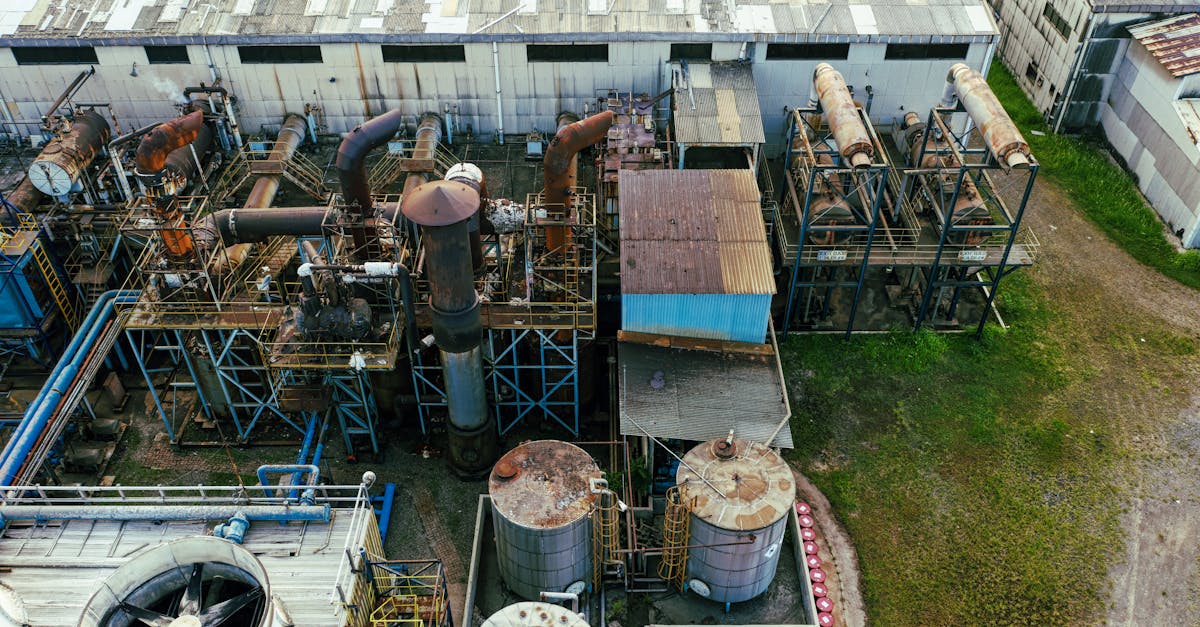

A controversial solution to the energy crisis: the use of heavy fuel oil
In 2025, the global energy situation remains fragile, exacerbated by population growth, environmental degradation and the challenges linked to the transition to renewable energies. In this context, certain governments find themselves forced to redefine their strategies to guarantee the electrical stability essential to the functioning of modern societies. In Madagascar, the recent proposal from the Minister of Energy, Olivier Jean-Baptiste, to consider relaunching a heavy fuel oil power plant illustrates this difficult juggling act between emergency and sustainability. The option, although it raises serious questions, presents itself as an immediate response to recurring power cuts, while highlighting the limits of official discourse in the face of technical and economic realities.
This choice, driven by the fear of a widespread blackout, also reflects a broader issue concerning dependence on fossil fuels. While several players in the sector, such as EDF, Engie, and TotalEnergies, seek to diversify their energy portfolio through investments in renewables, some national governments are still proposing increased use of heavy fuel oil, particularly in isolated areas or in times of crisis.See more. Madagascar’s decision is part of this complex trajectory, between emergency and ecological ambiguity.

The technical and economic issues of relaunching heavy fuel oil
The use of heavy fuel oil represents a concrete technical option, allowing for a rapid increase in electricity production capacity. Indeed, this energy source, historically favored in many countries, particularly due to its relatively low cost compared to renewable alternatives, remains attractive to governments facing immediate crises. According to the Ministry’s estimates, the commissioning of a power plant running on heavy fuel oil would add 105 MW or more of power, mitigating the frequency of outages, particularly during peak hours.See more.
This choice, however, comes with significant economic considerations. Dependence on imported heavy fuel oil, whose price fluctuates according to international markets, would expose Madagascar to increased vulnerability to geopolitical uncertainties. Furthermore, maintaining these facilities requires significant investments, the renewal of which remains costly, risking a long-term burden on the national budget. The question of the profitability and financial sustainability of such infrastructure therefore remains central to the debate. Criteria
| Advantages | Disadvantages | Speed of deployment |
|---|---|---|
| Especially in emergency situations | High long-term cost | Ability to increase production |
| Immediate response | Vulnerability to international prices | Environmental impact |
| Little consideration in the decision-making process | High impact: CO2 emissions and pollution | Environmental and social issues related to the use of heavy fuel oil |
While the technical utility of heavy fuel oil in emergency situations seems obvious, its environmental and social consequences raise serious concerns. The combustion of this fossil fuel generates significant greenhouse gas emissions, responsible for climate change. According to several studies, a center running on heavy fuel oil produces as much CO2 as a coal-fired power plant, exacerbating the ecological crisis.
See more.Beyond the climate impact, local pollution affects the health of surrounding populations, causing atmospheric pollution and increased risks of respiratory illnesses. Furthermore, increased dependence on heavy fuel oil fosters an unsustainable growth cycle, preventing an effective transition to clean energy. The international community, through the Paris Agreement, emphasizes the need to rapidly reduce the share of fossil fuels in the energy mix, an imperative that this policy could compromise. Increased carbon dioxide (CO2) emissions 🌍
Air pollution and public health risks 😷
- Delay in the transition to renewables 🚫
- Contribution to global climate change 🌡️
- Discover the operation and benefits of heavy fuel oil power plants, a powerful energy solution to meet growing electricity demand while exploring the associated environmental challenges.
- Possible alternatives for Madagascar in the face of power outages
See more
Challenges
| Solar | Renewable, abundant, low operating costs ☀️ | Intermittency, storage required 🔋 |
|---|---|---|
| Hydroelectricity | Stable and inexpensive source 💧 | Impact on ecosystems, geographic location 🌿 |
| Biomass | Use of organic waste 🔥 | Sustainable management, emissions if poorly controlled 🌱 |
| Wind | Clean and renewable 💨 | Noise, intermittency, need for a robust grid ⚡ |
| https://www.youtube.com/watch?v=jiUkPlw3vWI | International initiatives and their influence on local energy policy | Madagascar’s energy challenges are also part of an international context where pressure to reduce dependence on fossil fuels is intensifying. The global community, through the UN and the European Union, is encouraging a transition to cleaner energy, particularly through financing mechanisms and the exchange of best practices. |
Logistical and geopolitical challenges related to the importation of heavy fuel oil
One of the major obstacles to the increased use of heavy fuel oil concerns its supply. Madagascar, like other developing nations, relies heavily on imports, particularly from geopolitically unstable regions such as the Middle East and West Africa. Transportation costs, subject to fluctuations in the global market, represent a significant vulnerability. A disruptive supply could exacerbate the local energy crisis, leading to social and economic instability.
See more
.
Geographic proximity and political stability are thus becoming determining factors in the national energy strategy. Diversification of sources and increased storage could partially secure these supplies, but dependence on fossil fuels remains a long-term challenge that is difficult to overcome.FactorImplication
Consequences
| High transportation costs | Increased overall costs ⚠️ | Pressure on the national budget 🏛️ |
|---|---|---|
| Risk of supply disruptions | Distribution disruptions ⚡ | Potential social crises 📉 |
| Global geopolitics | Pressure to diversify sources 🌍 | Investments in local alternatives ⚙️ |
| https://twitter.com/Caradisiac/status/1805295042182910240 | Action levers for a responsible energy transition | Despite the temptation to favor a short-term solution like heavy fuel oil, a sustainable perspective must imperatively guide any energy policy. The mobilization of public and private actors, research and development in the field of clean technologies, and the establishment of financial incentives for green investments represent fundamental levers. |
. France, with the support of stakeholders such as Schneider Electric and the European Community, is leading the way by adopting strategies integrating energy efficiency, storage, and smart grids. Madagascar would benefit greatly from joining this dynamic, relying on international partners and local stakeholders committed to the ecological transition.
A review of priorities could include:Building renewable energy capacity ⚡Improving the energy efficiency of infrastructure 🏭
Supporting technological innovation and green startups 🌱
- Ability to mobilize international financing 🌍
- Discover the importance of heavy fuel oil power plants, their operation, their advantages, and their environmental impacts. Learn about this energy source still used in many regions, and explore sustainable alternatives for the future.
- Public policies and their role in tackling the energy crisis
- Ensuring a balance between an immediate response and a medium- and long-term vision requires coherent action from policymakers. While the revival of heavy fuel oil may constitute an emergency measure, it must be supported by integrated energy transition strategies. In particular, the government must develop regulatory frameworks that encourage investment in renewable energy while ensuring energy security.

.
The mobilization of local stakeholders, particularly local authorities, private sector companies, and NGOs, is essential to foster a positive dynamic. The implementation of action plans, incentive and monitoring mechanisms, and citizen awareness-raising are essential levers for efficient and responsible management of Madagascar’s energy resources by 2025.Strategic AreasPriority Actions
Objectives
| Regulatory Framework | Facilitate private investment in renewable energy | Accelerate the energy transition |
|---|---|---|
| Training and Awareness | Involve the local population | Promote acceptability and participation |
| Financial Support | Mobilize European and international funds | Strengthen the resilience of the electricity system |
| https://www.youtube.com/watch?v=lvVrY-FQSbk | Frequently Asked Questions (FAQ) | Why is Madagascar considering restarting a heavy fuel oil power plant? |
It leads to a significant increase in CO2 emissions, increased local pollution, and a delay in the adoption of sustainable energy sources.
- What alternatives can replace heavy fuel oil?
Investments in solar, hydroelectric, and biomass offer sustainable solutions capable of ensuring long-term stability. - How do international stakeholders influence energy policy in Madagascar?
Through financing renewable projects, sharing expertise, and promoting strict environmental standards. - What levers can accelerate the country’s ecological transition?
International financial support, the establishment of attractive regulatory frameworks, and the mobilization of private and public stakeholders.
🔗 Sources & références
Pour aller plus loin, consultez les sources citées dans cet article :
- See more — eniplenitude.fr
- See more — republicain-lorrain.fr
- . — lemonde.fr
- Structural projects such as Sahofika hydroelectricity or the Ambatomirahavavy solar power plant demonstrate that it is possible to achieve energy self-sufficiency while respecting the environment. Furthermore, the development of smart electricity grids would optimize consumption and reduce dependence on polluting sources. The growth of the private sector in renewable energy production, such as Neoen and Enel, demonstrates the global trend towards sustainable and competitive solutions. Energy Source — connaissancedesenergies.org
- Factor — la1ere.franceinfo.fr
- Building renewable energy capacity ⚡ — senat.fr
- Strategic Areas — lepoint.fr
Découvrez notre guide complet — destinations, budget, visa, faune et conseils pratiques pour préparer votre voyage.

📖 Vous aimerez aussi

Transition à Madagascar : la société civile et la Génération Z face aux doutes sur le « Programme de la Refondation »
3 March 2026
Fermeture de l’aéroport de Dubaï : chaos et désarroi chez les voyageurs bloqués
2 March 2026


