
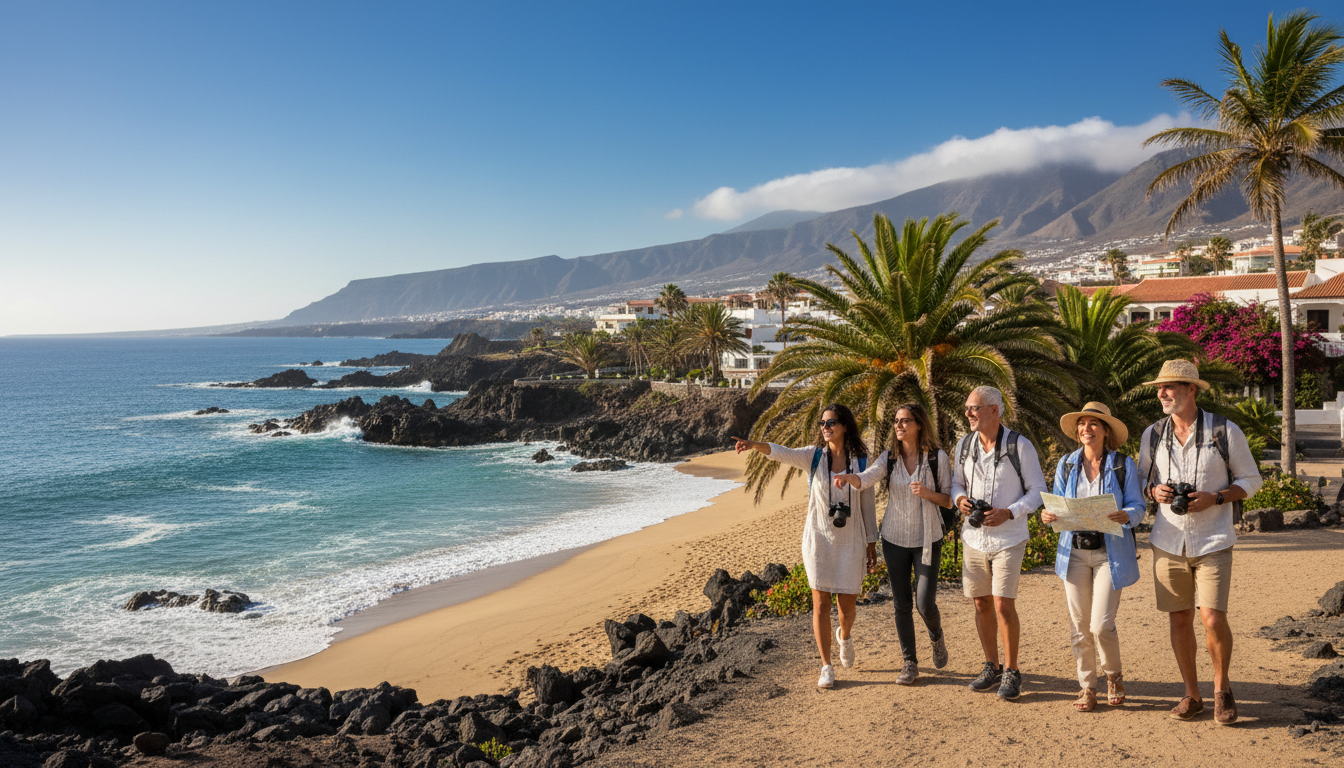

Planning a trip to the Canary Islands in February is an excellent way to escape the winter gloom and enjoy abundant sunshine. This archipelago, often called the islands of eternal spring, offers exceptional weather conditions during this month, far from the summer crowds. The mild temperatures invite you to explore breathtaking volcanic landscapes, enjoy invigorating hikes through lush nature, and of course, relax on beaches with sands ranging from golden to deep black. February is also synonymous with vibrant festivities, with the famous carnivals transforming the towns into a whirlwind of color and music. From sunny Tenerife to otherworldly Lanzarote, and including Fuerteventura and Gran Canaria, each island reveals its own unique character. Expert advice on activities, accommodation, and packing is essential for an unforgettable experience, allowing you to maximize every moment of your stay in the mild Canary Islands climate. Choosing the Canary Islands in February means choosing a time ideal for cultural discovery and adventure without the high tourist crowds of other seasons. Planning becomes a key ally, especially for seizing the best opportunities in terms of flights and accommodation, particularly during school holidays or Valentine’s Day in 2026. The archipelago is particularly well-suited to exploring, and renting a car offers invaluable freedom to travel along picturesque roads and access hidden gems. Whether it’s swimming in the Atlantic for the more adventurous, hiking trails with breathtaking panoramas, or immersing yourself in the joy of local celebrations, the Canary Islands in February promise a truly memorable trip. Rich in emotions and discoveries, with truly pleasant temperatures, this is a real invitation to escape, a special time to recharge your batteries far from the European cold. In short, here are the essentials for a successful trip to the Canary Islands in February: ☀️ Enjoy a mild and sunny climate, with ideal temperatures for all activities. 🌋 Explore unique volcanic landscapes, such as Teide National Park in Tenerife or Timanfaya in Lanzarote. 🏖️ Relax on magnificent beaches and, for the more adventurous, take a dip in the Atlantic Ocean. 🎉 Immerse yourself in the festive atmosphere of the carnivals, unmissable events in February.
💼 Book your flights and accommodations in advance to control your budget and ensure availability. 🥾 Pack appropriate clothing for hiking and cooler evenings, in addition to your swimsuit. 🚢 Consider an inter-island cruise for a complete exploration of the archipelago. Exploring the Canary Islands in February: Ideal weather for a winter getaway
Going to the Canary Islands in February is a wise decision for anyone looking to escape the cold and grayness of the mainland winter. The archipelago enjoys a pleasant climate at this time of year.
- Exceptional weather, earning it the nickname “Islands of Eternal Spring.” Average temperatures hover pleasantly around 20°C, offering sunny and mild days, perfect for all kinds of activities. It’s not uncommon to see the thermometer climb to 25°C during the day, allowing you to fully enjoy the outdoors. This consistent weather creates an environment conducive to relaxation and adventure, far from the extremes one might encounter in other seasons. Tourist numbers, while present due to school holidays and Valentine’s Day in 2026, remain more manageable than in summer, offering a more serene and authentic experience for visitors. Exploring the Canary Islands in February is all the more pleasant as the air is often drier and the winds less intense than during the summer months. This makes long walks on the beaches, mountain excursions, or visits to charming villages much more comfortable. Imagine discovering the lunar landscapes of Lanzarote without suffering from the scorching heat, or climbing the slopes of Mount Teide in Tenerife under a clear blue sky and a gentle breeze. This privileged climate fosters a wide variety of activities, from water sports and hiking to simply strolling through local markets. The gentle sunshine, averaging 6 hours a day, invites relaxing afternoons and pleasant evenings. However, even if the days are mild, it’s always advisable to pack clothing for evenings and mornings that can be a bit cooler, adding a touch of versatility to your travel wardrobe. The often clear skies offer fantastic opportunities for stargazing, another fascinating facet of island culture. The islands’ privileged weather conditions
- The month of February
- in The Canary Islands are distinguished by enviable weather conditions, making the archipelago a prime destination for those dreaming of sunshine in the heart of winter. The islands enjoy a unique microclimate, influenced by the trade winds and the cold Canary Current, which maintains mild temperatures year-round. In February, average temperatures hover around 20°C (68°F), and it’s common to reach 25°C (77°F) in the middle of the afternoon. This thermal stability is a major advantage for outdoor activities. The low rainfall guarantees mostly sunny days, ideal for relaxing on the
- beaches or embarking on an adventure. The near absence of rain, compared to other winter destinations, ensures continuity in exploration planswithout fear of inclement weather.
- These optimal climatic conditions allow for unhindered
- exploration of the diverse island landscapes. For hiking enthusiasts, the national parks offer magnificent settings with accessible trails and breathtaking views. The mild climate is also perfect for water sports, with Atlantic water temperatures around 18-19°C, inviting the more adventurous to take a dip. Clothing advice includes swimsuits, but also light clothing for the day and a light sweater for evenings when the sea breeze can cool things down. Humidity is generally low, making the air more pleasant and physical activity less strenuous. This consistently mild weather is a breath of fresh air for those looking to escape the monotony of winter. The archipelago’s unique light at this time of year is also a treat for photographers, who can capture landscapes of rare beauty, making this trip a truly memorable visual experience.
- Tourism February in the Canary Islands greatly benefits from these favorable conditions. Natural sites and attractions are accessible without the summer crowds, offering a more intimate and immersive experience. Cities like Santa Cruz de Tenerife and Las Palmas de Gran Canaria, while enlivened by carnivals, retain a more serene atmosphere for discovering their culture and architecture. Botanical gardens are bursting with life, and the volcanic flora reveals itself in a special light, testifying to the richness of the local biodiversity. The winds, often light and constant, are perfect for sailing or kitesurfing on islands like Fuerteventura. In short, February is a month when the Canary Islands display all their charms, guaranteeing a comfortable and enriching trip for all those who dare to embark on an island adventure, with a climate that invites you to fully enjoy every moment without the slightest weather constraint. The Wonders of Tenerife: Between Volcanoes and Water Sports
Tenerife, the largest of the Canary Islands, is a vibrant destination that never truly sleeps, even in February. It offers a stunning combination of breathtaking landscapes and a lively atmosphere, making every trip unforgettable. The island is a true paradise for exploration, with its majestic volcano, Mount Teide, dominating the landscape and beckoning adventure. But Tenerife isn’t just Teide; it also boasts a wealth of water sports that captivate the whole family, thanks to a favorable climate and often inviting waters. Southern resorts like Playa de las Américas continue to offer a multitude of aquatic activities, from jet skiing to scuba diving, even in the depths of winter. Expert advice often emphasizes the importance of this diversity to satisfy all tastes, from thrill-seekers to those who love to relax. Culture
The local culture is also very much alive, with colorful markets and delicious cuisine to discover. The island is renowned for its breathtaking volcanic landscapes, which offer an incredible spectacle. Family walks on well-maintained trails allow you to immerse yourself in this unique natural environment. In February, the capital, Santa Cruz de Tenerife, is also a charming destination. Less crowded than in peak season, it allows for a more peaceful visit to its shopping streets, parks, and museums. It’s an opportunity to soak up the local atmosphere and discover the typical Canarian architecture. For those who prefer the seaside, Puerto de la Cruz, in the north of the island, is a lovely seaside resort where you can stroll, enjoy a drink on a terrace, or sample local culinary specialties in one of its many restaurants. The atmosphere is more relaxed, and the volcanic beaches, with their black sand, offer a different experience from the stretches of golden sand. The mild climate in February makes these experiences all the more enjoyable, allowing you to savor every moment without the constraints of summer crowds, ideal for a more authentic tourism.
Teide National Park: an unmissable volcanic exploration In the heart of Tenerife lies Teide National Park, a UNESCO World Heritage Site and a true gem of the Canary Islands. Its volcanic landscape, dominated by Pico del Teide, the highest peak in Spain, offers a breathtaking natural spectacle. InFebruary, exploringthis park is particularly pleasant. The climate is mild, and the hiking trailsThe park is less crowded than in summer, allowing for a deeper immersion in this unique environment. From craters to solidified lava flows, and endemic vegetation adapted to these extreme conditions, every corner of the park tells the fascinating geological story of the island. Tips
for your visit include comfortable walking shoes, layered clothing to adapt to temperature changes, and, of course, a camera to capture these surreal panoramas. Family-friendly routes are available, making the experience accessible to all ages.
A visit to Mount Teide is a truly unique experience. The cable car takes you to impressive altitudes, offering panoramic views of the entire island and even neighboring islands on a clear day. Sunsets from the park are absolutely magical, with colors transforming the sky into an extraordinary palette. At night, the clear skies of Mount Teide are among the best places in the world for stargazing, an activity that perfectly complements daytime exploration. Tourism is well-organized, with information centers and designated viewpoints, but the vastness of the site allows you to find quiet corners for serene contemplation. It’s a profound immersion in powerful nature, a reminder of the strength and beauty of our planet, and an absolute must-see on any trip to Tenerife in February, offering a unique perspective on the geological culture of the Canary Islands. Children marvel at these otherworldly rock formations, guaranteeing a hit with both young and old. For a more in-depth experience of the island, you can consult resources on exploring Tenerife in April to see the seasonal differences. Santa Cruz and Puerto de la Cruz: Vibrant Cities and Seaside Relaxation Beyond its volcanic landscapes, Tenerife reveals two major urban faces, each with its own charm, perfect for exploration in February. Santa Cruz de Tenerife, the capital, is much less crowded during this period than in the summer, offering a more relaxed atmosphere for discovering its attractions. Strolling through its shopping streets, visiting the Nuestra Señora de África market with its colorful stalls and local flavors, or simply sitting in a café to observe the city’s lively atmosphere are pleasant activities. The capital’s museums offer insights into the history and culture of the Canary Islands, and the urban parks, such as Parque García Sanabria, are verdant havens of peace. The mild climate of February is ideal for these urban walks, without the sometimes intense heat of the summer months. Further north, the charming seaside resort of Puerto de la Cruz invites you to relax on the shores of the Atlantic Ocean. With its beautiful black sand beaches and natural pools, it offers an idyllic setting for unwinding. The seafront is perfect for a stroll, punctuated by stops at the many restaurants and bars offering local specialties and stunning sea views. It’s an ideal place to spend quality time, whether enjoying tapas or sipping a drink at sunset. Water sports are also very popular, with opportunities for surfing, paddleboarding, and diving. Travel tips suggest taking advantage of the relative tranquility of February to fully appreciate the charm of Puerto de la Cruz, away from the summer crowds. The famous Loro Parque, a renowned animal and botanical park, is also a major attraction nearby, popular with families and nature lovers, contributing to the diversity of tourism. in Tenerife. https://www.youtube.com/watch?v=LdArzO87XAQLanzarote, the island of lunar landscapes and idyllic beachesLanzarote, one of the pearls of the
Canary Islands , offers a truly unique travel experience, transporting its visitors to another world. In February, the island dons its finest attire, under amild and sunny climate that magnifies its lunar landscapes. The genius of the artist César Manrique harmoniously integrated architecture and art into this spectacular volcanic environment, creating a culture and aesthetic unique to the island. Exploring Lanzarote means discovering incredible volcanic remains, mysterious caves, and works of art that blend seamlessly into nature. The contrasts are striking: from dark lava fields to whitewashed houses, and the intense blue of the ocean, everything contributes to a captivating atmosphere. February is ideal for exploring these lands, as the mild temperatures make excursions comfortable and pleasant, without the sometimes oppressive heat of the summer months. It’s a prime time for photographers and nature lovers, who can capture scenes of rare beauty. The island is not only an open-air geological museum; it also boasts numerous white sand beaches that invite relaxation and swimming. Imagine yourself on the famous Papagayo beach, with its crystal-clear water, where the bravest can swim in February, defying the clichés of a European winter. Locals often emphasize the richness of the seabed, accessible to divers and snorkelers who can discover abundant marine life. The island also offers inventive local cuisine, with unique volcanic wines and fresh seafood, which perfectly complement the exploration experience. Tourism February in Lanzarote is less crowded, allowing you to enjoy iconic sites without the crowds. The serenity of the volcanic landscapes combined with the beauty of the coastline makes Lanzarote a prime destination for a memorable trip, far from the beaten track, and a true ode to nature and art. To make sure you don’t miss anything, a guide to Lanzarote’s must-sees can be very useful.
Timanfaya and its volcanic splendors Timanfaya National Park is undoubtedly the beating heart of Lanzarote, a place where the Earth still seems to breathe. This active volcanic area offers a truly lunar landscape, shaped by past eruptions that have left behind impressive craters, steam geysers, and immense solidified lava flows. Exploring Timanfaya in February is an immersive and fascinating experience, under ideal weather conditions for admiring these spectacular landscapes. Guided bus tours take you through the “Fire Mountains,” offering incredible views of this extraordinary landscape. It’s guaranteed to be a hit with both young and old, who are captivated by the power of nature and the guides’ geothermal demonstrations, such as artificial geysers and cooking food using the heat emanating from the ground. This park is a living testament to the volcanic history of the Canary Islands and a window into the formation of our planet. Tips Visitors should be immersed in the unique, almost mystical atmosphere of this place. The interpretation center and the El Diablo restaurant, which uses volcanic heat to cook its dishes, add an educational and culinary dimension to the visit. The absence of buildings across much of the park preserves its authenticity and wild character, allowing for total immersion. The pure air and often clear skies in February add to the splendor of the place, offering exceptional light for photography. Tourism here is managed with great respect for the environment, ensuring the preservation of this unique site for future generations. It is an absolutely essential stop on any trip to Lanzarote, and an experience that leaves a lasting impression, reminding visitors of the power and raw beauty of nature. Hiking on the marked trails around the park is also a fantastic option for the more adventurous. White sand beaches: an invitation to swim in the middle of winter Despite its predominantly volcanic character, Lanzarote surprises with its numerous stretches of white sand, inviting relaxation and swimming even in February . The most famous of these, Papagayo Beach
, is a true gem of the
Canary Islands , with its crystal-clear water and fine sand nestled in a series of sheltered coves.Exploring thesebeaches offers a striking contrast to the dark landscapes of Timanfaya. The mildclimate of February makes days spent on the sand particularly pleasant, with abundant sunshine. For the more adventurous, it is quite possible to swim in the cool waters of the Atlantic Ocean, a refreshing and memorable experience in the middle of winter.Tips Locals emphasize the importance of these moments of relaxation after the volcanic adventure, offering a perfect harmony between exploration and relaxation. Beyond Papagayo, Lanzarote abounds with other equally charming beaches, each with its own unique character. Whether you’re looking for wilder stretches of sand for those seeking solitude or beaches equipped with amenities for families, the island caters to all tastes. Beach culture is very much alive, and various water sports are available, from paddleboarding to snorkeling. The clear water allows for the observation of marine life, adding another dimension to the seaside experience. Beach tourism in February is less intense than during the peak summer season, offering more space and tranquility. Enjoying the winter sun on these magnificent beaches is one of the great joys of a trip to Lanzarote, a moment of pure escape and reconnection with nature. It’s the perfect opportunity to curl up with a good book, build sandcastles with the kids, or simply gaze at the horizon, far from the daily grind, confirming that the Canary Islands are a family paradise under the winter sun. Exploring the Canary Islands in February: The Comparative Island Guide Discover which Canary Island best suits your February travel plans! Compare their attractions, top activities, and climates to make the perfect choice.
🤔 No results found! It seems no islands match your search or filtering criteria. Try modifying your filters or search term. At a Glance (February): Temp. Day: ${island.climat_fevrier.temperature_jour}
Sunshine:
${island.climat_fevrier.ensoleillement} Wind:${island.climat_fevrier.vent} Full Description:${island.description_courte} Highlighted Activities:${activitiesList}Specific Tips for February: ${island.conseils_fevrier} Ideal for: ${idealForBadges} Keywords: ${tagsBadges} View more details `;
} // — 4. Function to show/hide card details — /** * Initializes the “View more/less” interactivity for cards. * Attaches event listeners to the toggle buttons. // function initializeCardToggles() { document.querySelectorAll(‘.island-card’).forEach(card => {
const toggleBtn = card.querySelector(‘.toggle-details-btn’);
const detailsSection = card.querySelector(‘.details-section’);toggleBtn.addEventListener(‘click’, () => { detailsSection.classList.toggle(‘hidden’); if (detailsSection.classList.contains(‘hidden’)) {toggleBtn.textContent = ‘View more details’; } else {toggleBtn.textContent = ‘View fewer details’; } }); });
} // — 5. Function to render island cards — /** * Displays a set of islands in the grid. * Handles the display of the “no results” message. * @param {Array} islands – The list of islands to display.
*/
function renderIslands(islands) { islandsGrid.innerHTML = ”; // Clears existing mapsif (islands.length === 0) { noResultsMessage.classList.remove(‘hidden’); } else {noResultsMessage.classList.add(‘hidden’); islands.forEach(island => { const cardHtml = createIslandCard(island); islandsGrid.insertAdjacentHTML(‘beforeend’, cardHtml); });
initializeCardToggles(); // Initializes the toggle buttons after rendering } } // — 6. Function to configure filter buttons — /*** Extracts unique tags from the data and creates the corresponding filter buttons. * Attaches event listeners to the buttons. */ function setupFilters() { islandsData.forEach(island => { island.tags.forEach(tag => allTags.add(tag));
}); filterButtonsContainer.innerHTML = ”; // Clear existing filtersallTags.forEach(tag => { const button = document.createElement(‘button’); button.textContent = tag; button.className = `filter-btn py-2 px-4 rounded-full text-sm font-semibold transition-all duration-200 ease-in-out bg-gray-200 text-gray-700 hover:bg-canary-primary hover:text-white focus:outline-none focus:ring-2 focus:ring-canary-primary focus:ring-offset-2
${tag === activeFilter ? ‘bg-canary-primary text-white’: ”}`; button.dataset.filter = tag; // Store the tag in a data attribute button.addEventListener(‘click’, () => { activeFilter = tag; // Update class for active button document.querySelectorAll(‘.filter-btn’).forEach(btn => { if (btn.dataset.filter === activeFilter) { btn.classList.add(‘bg-canary-primary’, ‘text-white’); btn.classList.remove(‘bg-gray-200’, ‘text-gray-700’); } else { btn.classList.remove(‘bg-canary-primary’, ‘text-white’);
btn.classList.add(‘bg-gray-200’, ‘text-gray-700’);
}}); filterAndRender(); // Re-render the islands with the new filter });filterButtonsContainer.appendChild(button); }); } // — 7. Function to filter and render the islands — /**
* Filters the island data based on the active filter and search term. * Then calls `renderIslands` to display the results. */ function filterAndRender() { const searchTerm = searchInput.value.toLowerCase(); const filteredIslands = islandsData.filter(island => {
const matchesFilter = activeFilter === ‘All’ || island.tags.includes(activeFilter);
const matchesSearch =
island.name.toLowerCase().includes(searchTerm) ||
island.slogan.toLowerCase().includes(searchTerm) ||
island.points_forts.toLowerCase().includes(searchTerm) ||
- island.description_courte.toLowerCase().includes(searchTerm) || island.february_advice.toLowerCase().includes(searchTerm) ||
- island.activites_phares.some(act => act.toLowerCase().includes(searchTerm)); return matchesFilter && matchesSearch;
- }); renderIslands(filteredIslands);