

A Complex Energy Situation in 2025: Guaranteed Reserves but Risk of Price Increases
The apparent stability of fuel reserves in 2025 masks a more nuanced reality. While governments and major oil companies such as TotalEnergies, BP, Shell, and Repsol maintain their sufficient stocks, the volatility of international markets, combined with geopolitical tensions, maintains constant pressure on prices. The recent surge in the price of a barrel, reaching $78 following tensions in the Middle East, has already raised serious concerns among consumers. Faced with these fluctuations, one question remains: can current reserve management truly guarantee lasting price stability?
At the same time, the global economic context, marked by geopolitical and energy issues, requires constant vigilance. Fuel storage and transport capacity, particularly from nerve centers such as the port of Toamasina in Madagascar or European hubs, also reveals structural vulnerabilities that it would be naive to ignore. Exceptional mobilizations, such as the emergency opening of depots or the mobilization of law enforcement to secure convoys, illustrate the fragility of our supply in the face of increasingly volatile demand. This context therefore encourages collective mobilization to better anticipate the risks of price increases, while maintaining a strategic stockpile capable of dealing with potential crises.
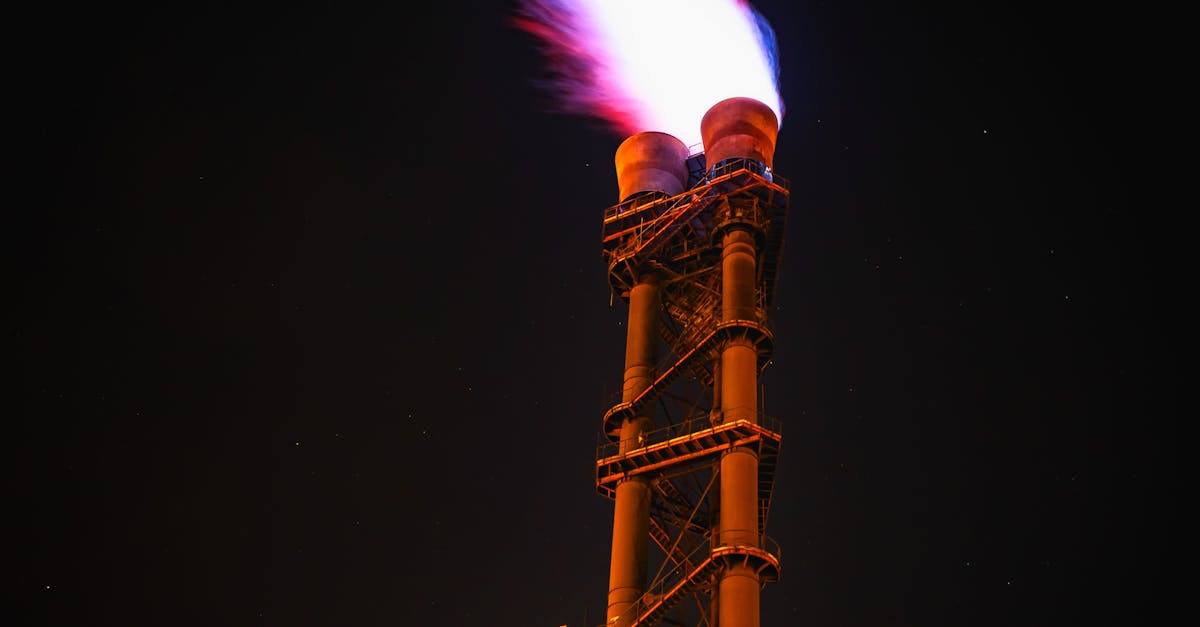
Strategic Fuel Reserves in 2025: A Heritage Highlighted by Governments
In 2025, the management of strategic reserves will be a major challenge for ensuring national energy security and preventing any major crisis. The Madagascar company, for example, claims to have more than 104.5 million liters of fuel distributed between Toamasina and other strategic regions. According to Jean-Baptiste Olivier, Minister of Energy and Hydrocarbons, this capacity would ensure continuity of supply for a significant period, particularly during peak periods or periods of stress.
The figures illustrate this capacity to cover several days, or even weeks, of national consumption. However, behind these reassuring figures lies a more complex reality. The majority of stocks, particularly those concentrated in Toamasina, depend on transport that can be compromised by logistical constraints or unforeseen events. The need to strengthen these distribution mechanisms is crucial, because an available stock is only valuable if its delivery remains fluid and adaptable to current market demands. Region
| Storage capacity (in millions of liters) | Share of total inventory | Main challenges | Toamasina |
|---|---|---|---|
| 73.1 | 🛢️ 70% | Logistics, port congestion | Antananarivo |
| 15.2 | 14.5% | Distribution, security | Other regions |
| 16.2 | 15.5% | Transportation, handling | Factors influencing fuel price stability in 2025 |
Several factors contribute to the stability or volatility of fuel prices this year. The first, and not the least, remains the international oil market, whose prices fluctuate due to geopolitical factors such as the conflict in the Middle East or tensions in Ukraine. Fluctuations in the price of a barrel have a direct impact on prices charged at French or Malagasy gas stations, as observed recently.
Furthermore, the energy policies of major players such as Shell, Repsol, and Chevron also influence this perilous stability. The decision of these companies to maintain or reduce their production has a direct impact on overall supply, and therefore on the fluctuation of pump prices.
Inventory management strategies, particularly those of companies like Vitol and Statoil, play a crucial role in modulating prices. The establishment of emergency reserves, recommended by many experts, would help mitigate sensitivity to external shocks. However, these reserves remain vulnerable in the face of constantly increasing demand, particularly with the energy transition, which requires rapid adaptation of supply. Geopolitical factors: tensions in the Middle East, armed conflicts 🛢️
Strategic decisions by multinationals: production or supply reduction 🌍
- Regulation and management of national reserves: storage and distribution ⚙️
- International market volatility: oil price fluctuations 💹
- https://www.youtube.com/watch?v=UKOqowZBrII
- Possible impacts of price fluctuations on consumption and the local economy
In Madagascar, for example, this increase translates into higher transportation costs, directly impacting the price of food, construction materials, and services. The consumption chain is therefore weakened, which forces economic players to adjust their budgets and their operations.
Furthermore, this instability also affects local governance and public policies. Dependence on global fluctuations requires rigorous management of public finances, price regulation, and even subsidies to limit public suffering. Dependence on a volatile market accentuates the need for energy diversification, as reserve management alone is insufficient to address all market uncertainties.
Consequences
Impact on Society
| Economic Impact | Rising Prices | 🔺 Increased cost of living |
|---|---|---|
| – 📈 Delays in public and private investments | Instability | |
| – 📉 Decreased business competitiveness | Reduced consumption | |
| – 💼 Difficulties in freight transport | Strategies to adopt to anticipate future fuel price trends |
Consumers, for their part, must be vigilant and find out about their rights, in particular that of establishing personal reserves in accordance with the regulations in force. On this subject, the law authorizes the possession of small quantities of fuel for private use, but in strict compliance with safety and storage rules.
Strengthen the diversification of partners (Brazil, Norway, etc.) 🌐
Investing in alternative energies (solar, wind, hydrogen) ⚡
Improving inventory management with technology 🚀
- Raise awareness and inform the public about regulations and good practices 📚
Découvrez notre guide complet — destinations, budget, visa, faune et conseils pratiques pour préparer votre voyage.

📖 Vous aimerez aussi

Transition à Madagascar : la société civile et la Génération Z face aux doutes sur le « Programme de la Refondation »
3 March 2026
Fermeture de l’aéroport de Dubaï : chaos et désarroi chez les voyageurs bloqués
2 March 2026